Introduction
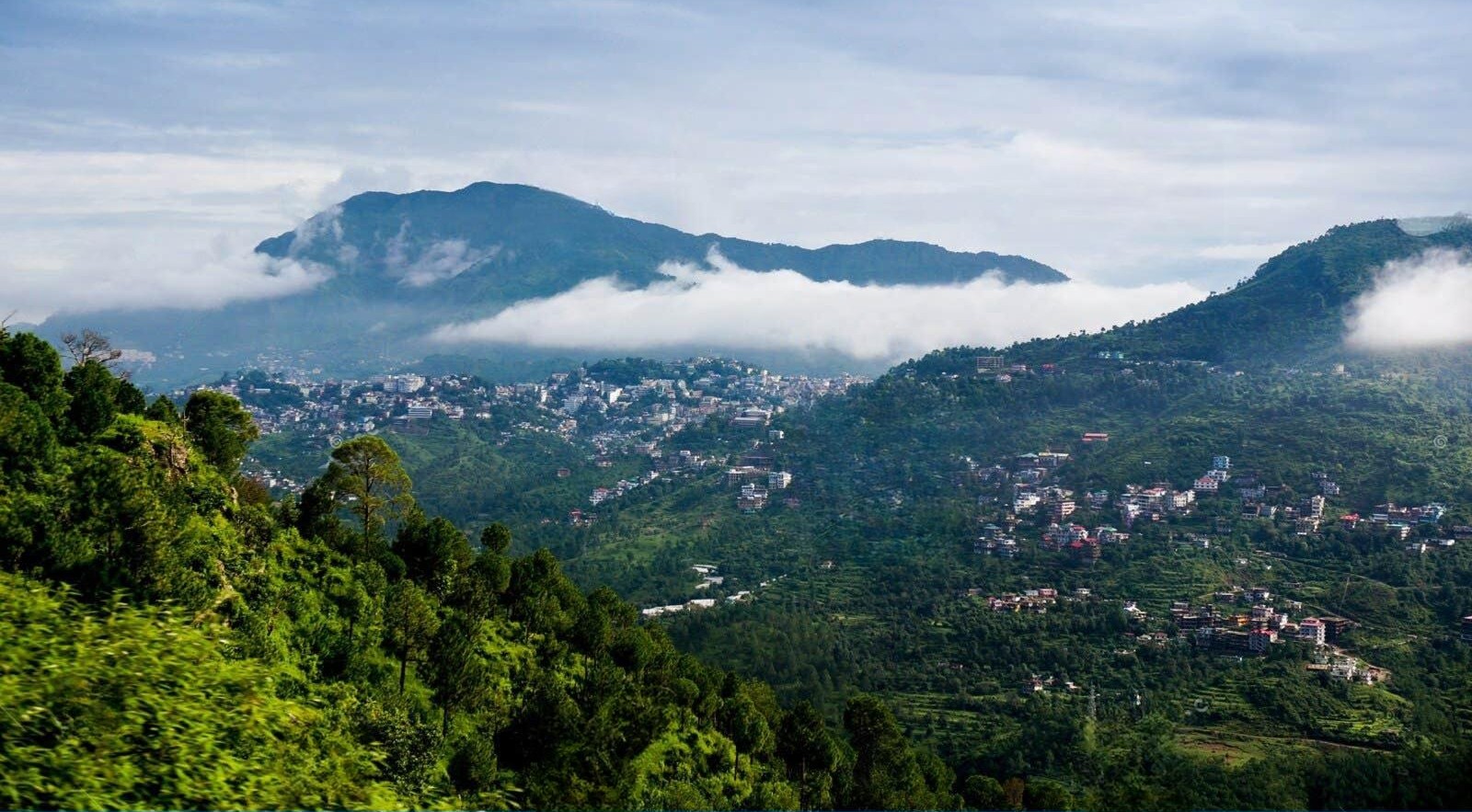
Lonavala is Maharashtra’s premier hilltop escape, celebrated for its mist-covered valleys, sprawling green meadows, and crisp mountain air. Conveniently located along the Mumbai-Pune Expressway within the Pune district, this charming town sits nearly 64 kilometres from Pune and 96 kilometres from Mumbai. It is globally famous for its breathtaking cliff viewpoints, winding mountain passes, historic Buddhist cave systems, and its signature local sweet snack called chikki.
Visiting this destination offers a flawless mix of peaceful relaxation and outdoor exploration, making it a favourite choice for family getaways and trekking expeditions alike. The town treats travellers to an immersive sensory experience filled with cascading seasonal waterfalls, dramatic valley overlooks, and ancient stone ruins. Whether you want to watch heavy fog roll over historic fort walls, enjoy a lakeside picnic, or conquer rugged forest trails, it delivers an incredibly refreshing break from routine city life.
History
The historical legacy of Lonavala is as captivating as its natural landscapes, deeply rooted in the ancient trade routes of Western India. Long before it became a bustling weekend retreat, the region served as a vital mountain passage connecting the busy coastal ports of Konkan with the inner Deccan plateau. The legendary rock-cut Karla and Bhaja Caves, carved out by Buddhist monks around the 2nd century BC, still stand as quiet witnesses to the early spiritual and commercial importance of this high pass.
Control over this strategic territory shifted across the centuries among powerful dynasties, including the Satavahanas, the Yadavas, and the Mughals. However, the region gained its true military prominence under the Maratha Empire. Rugged fortresses like Lohagad and Visapur were heavily fortified to guard the surrounding valleys and served as critical strongholds during the reign of Chhatrapati Shivaji Maharaj. The steep mountain terrain played a decisive role in regional defence, witnessing numerous tactical battles and power shifts.
The modern identity of the town began to take shape in 1811 when Lord Elphinstone, the then-Governor of the Bombay Presidency, officially developed it as a serene sanatorium. Recognizing its cool, therapeutic climate, the British transformed the dense jungle territory into a summer retreat for colonial officers. They laid down the extensive railway lines through the steep Bhor Ghat incline, which permanently bridged the gap between coastal Mumbai and mainland Pune, establishing the groundwork for the modern travel destination we see today.
Climate & Weather
Choosing the ideal season to experience this destination can completely transform your travel itinerary, as the mountain landscape shifts beautifully throughout the year.
Summer
The summer months run from March to May and represent the secondary tourist season. While afternoon temperatures can climb quite high, the mornings and evenings remain pleasantly cool compared to the scorching plains below. This is a popular time for families looking to escape city heat, explore amusement parks, and enjoy peaceful evening strolls around the local lakes.
Monsoon
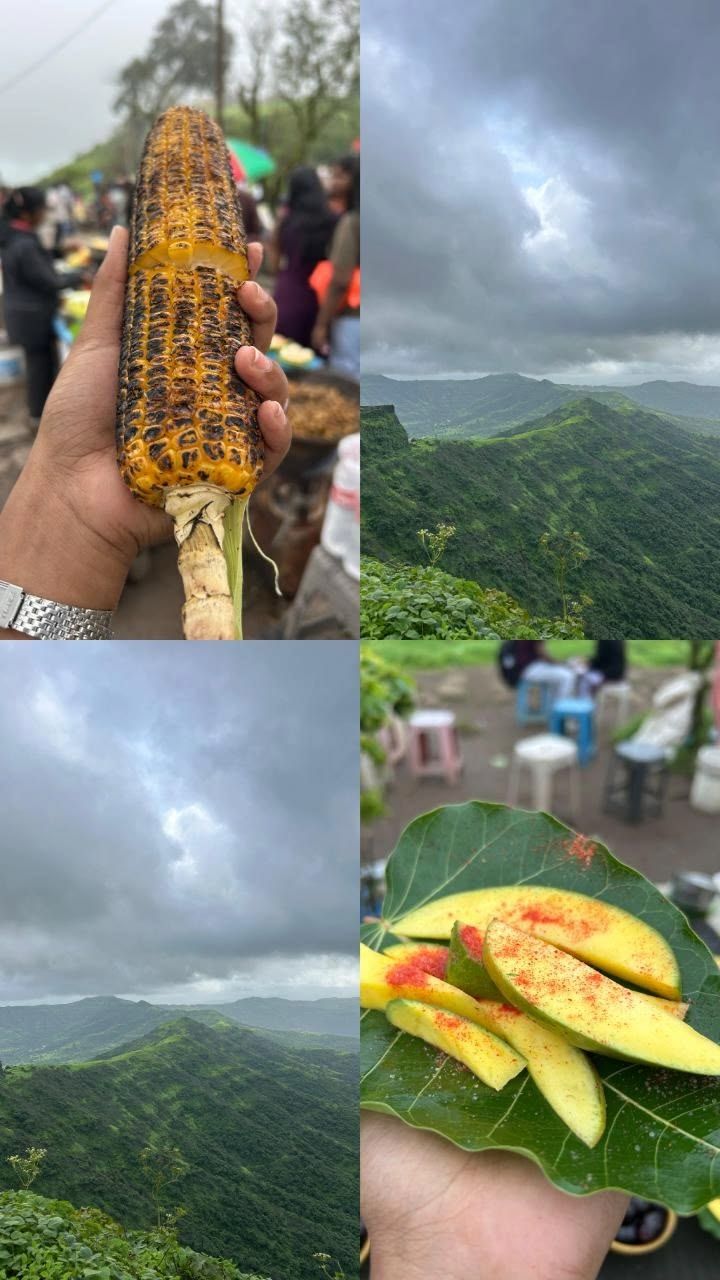
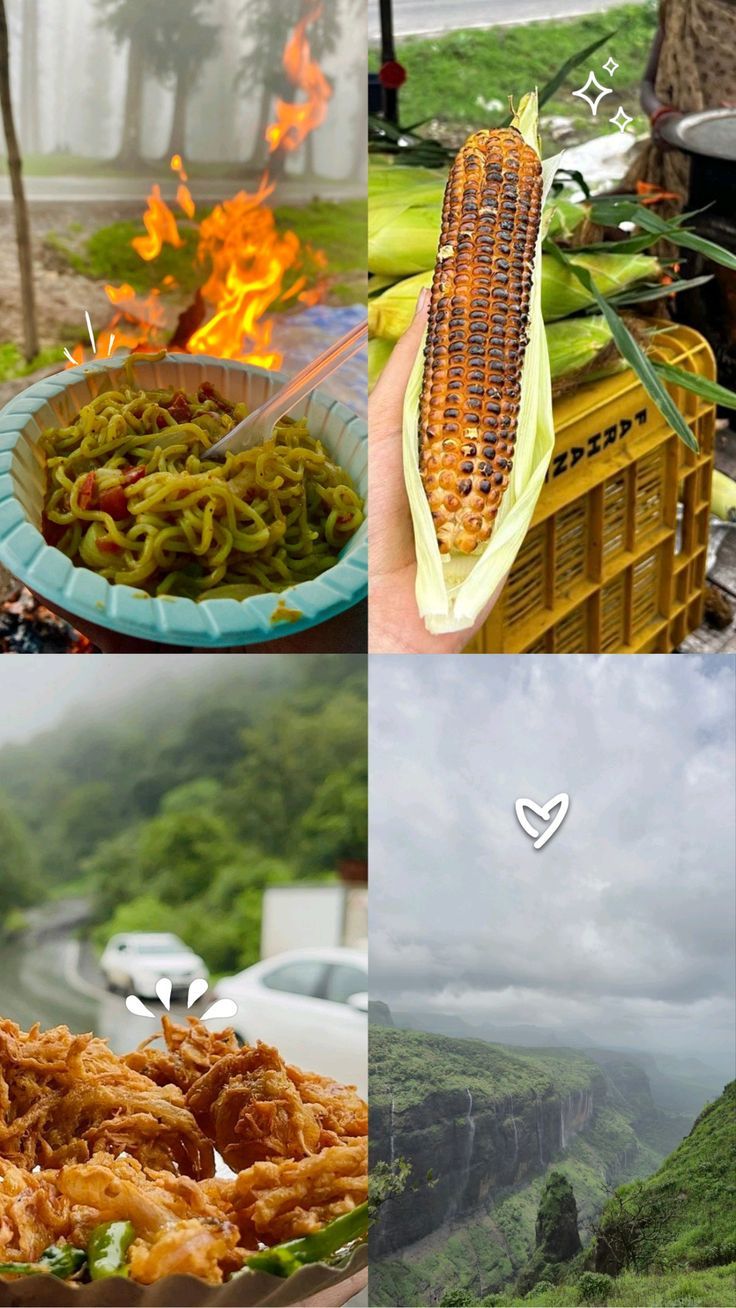
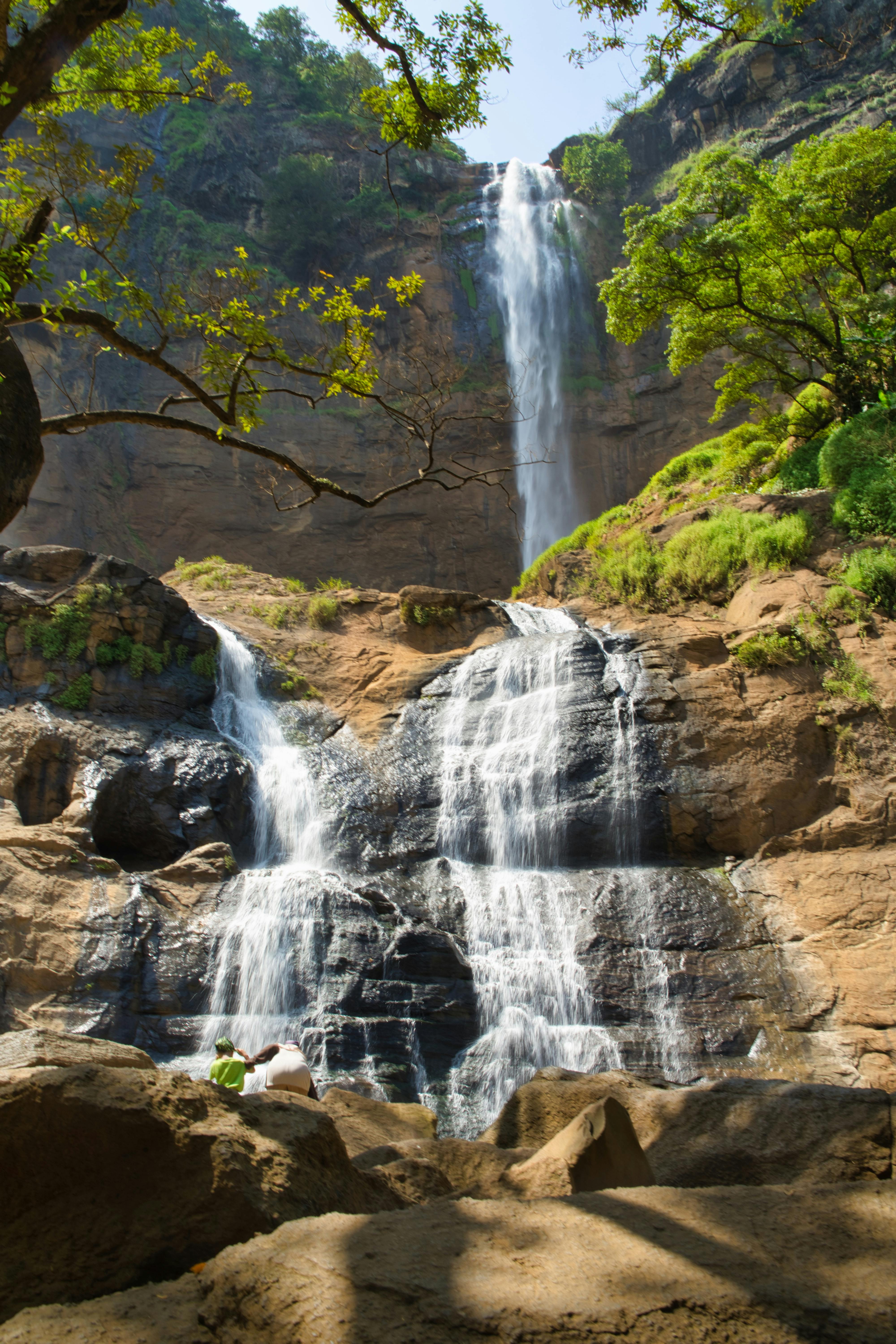
The monsoon season from June to September is widely regarded as the best time to visit for nature lovers. The region receives heavy rainfall, which awakens hundreds of hidden streams and transforms the dry hills into a vibrant, emerald-green paradise. Thick fog blankets the scenic viewpoints, and cascading waterfalls run at full capacity, offering an unforgettable experience for monsoon travel enthusiasts.
Winter
The winter period from October to February brings the official peak tourist season. The weather in Lonavala during these months is beautifully crisp, clear, and chilly, with temperatures dropping pleasantly at night. It is the perfect time for outdoor exploration, sightseeing, and valley trekking without the hassle of heavy rain or intense summer sun.
Transportation
Please select a transportation mode to view details
Facilities
Ensuring a comfortable journey is as simple as the town comes fully equipped with a highly developed infrastructure designed to support lakhs of global travellers every year. The town centre features a wide network of nationalised banks and 24-hour ATM counters, ensuring that visitors never face cash clearance issues while exploring remote trails. Reliable high-speed mobile internet connectivity and cellular networks cover the majority of the tourist spots, allowing digital nomads to work remotely or share their travel updates in real time.
For medical assistance, the town houses several multi-speciality hospitals, emergency clinics, and well-stocked pharmacies that operate around the clock. Navigating the local sights is highly convenient, with options to rent gear, hire auto-rickshaws, or book app-based cabs right from the railway station. Additionally, private parking zones, public restrooms, and continuous security patrolling by the local tourism department make the destination exceptionally safe and welcoming for solo female travellers and families.
Geographical Information
This iconic hill station is beautifully positioned in the western region of Maharashtra, perched safely along the rugged spine of the Sahyadri mountain range. Geographically, it sits on a majestic plateau that serves as a natural border separating the coastal Konkan plains from the expansive Deccan plateau.
The physical terrain is characterized by deep, rock-cut ravines, steep vertical cliffs, and dense semi-evergreen forest patches that host a wide variety of native flora and fauna. This elevated landscape sits at an average altitude of approximately 624 metres above sea level. It shares its immediate borders with the neighbouring hill retreat of Khandala, creating a unified, sprawling valley ecosystem. The natural characteristics of the region include vast volcanic rock formations and natural catchment areas that feed major water bodies like the Pawna and Indrayani river networks, keeping the surrounding soil rich, fertile, and remarkably green.
Culture & Local Lifestyles
The cultural fabric of this mountain town successfully blends traditional Maharashtrian heritage with the relaxed, welcoming energy of a thriving tourist destination.
Traditions
The roots of the local culture are deeply tied to the historical legacy of the Maratha empire and rural agricultural communities. Traditional values emphasize deep respect for nature, community bonding, and warm hospitality toward travelers. The native population maintains a simple lifestyle, preserving ancient storytelling forms and traditional folk music that describe the historic battles fought across the surrounding fortresses.
Festivals
The town comes alive with immense color and joy during major regional festivals. Ganesh Chaturthi is celebrated with grand musical processions, intricate clay idols, and traditional dhol-tasha drum beats that echo through the valleys. The winter season also witnesses vibrant cultural fests and food carnivals that showcase regional arts, crafts, and tribal dance forms to visiting tourists, offering immersive cultural experiences.
Daily Life
The local lifestyle is split between the busy tourist districts and the quiet, slow-paced village life on the outskirts. In the main markets, the day revolves around preparing fresh local snacks, managing boutique homestays, and welcoming weekend crowds. Away from the commercial streets, the villagers engage in organic farming and cattle rearing, maintaining a peaceful connection with the natural rhythms of the mountain seasons.
Food and Local Cuisine
Exploring the food landscape here is a rewarding journey that stretches far beyond standard restaurant menus, offering a rich taste of authentic regional spices.
Famous Dishes
The undisputed king of local food is Lonavala Chikki, a hard, crunchy sweet snack made from jaggery mixed with peanuts, cashews, or sesame seeds. Another must-try speciality is the steaming hot Maharashtrian Misal Pav, a fiery sprout curry topped with crunchy farsan and served with soft buttered bread. For a comforting evening meal, the traditional Pitla Bhakri, a thick chickpea flour curry served with rustic millet flatbread, offers a true taste of traditional cuisine.
Street Food
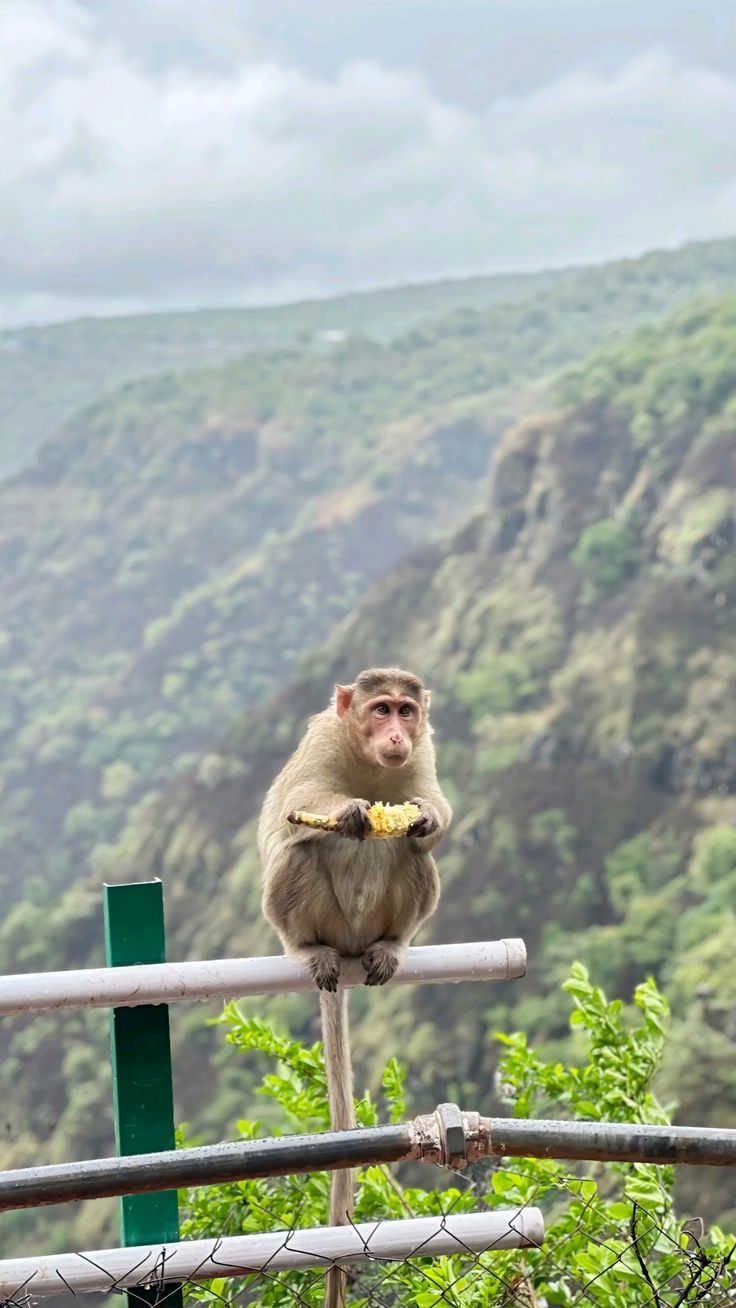
The street food culture thrives along the crowded lanes of the main market and near major scenic viewpoints. Tourists love gathering around small wooden stalls to enjoy hot, crispy onion bhajis and batata vadas served with spicy garlic chutney. During the rainy season, eating freshly roasted corn on the cob rubbed with lemon juice and black salt while standing in the mountain fog is a classic travel tradition.
Restaurants & Cafes
The town features an incredible variety of dining spaces, ranging from historical, family-run thali joints to trendy modern cafes. Traditional dining halls serve unlimited Maharashtrian and Gujarati platters that feature authentic local preparations at highly reasonable prices. For younger crowds, stylish valley-view cafes offer gourmet coffees, continental dishes, and wood-fired pizzas, making it easy to find the best food in place regardless of your personal taste.
Accommodation
Finding the best accommodation to fit your specific travel lifestyle is effortless, as the town offers an extensive selection of properties tailored to every financial plan. Selecting the right area can significantly improve your trip planning by keeping you close to transit hubs or quiet nature spots.
Budget Hotels
For backpackers and large group travelers, booking a budget stay near the central market or railway station is highly practical. These hotels in Lonavala provide essential amenities, including clean bedding, secure Wi-Fi, and hot water facilities without straining your wallet. Staying in this central zone offers excellent location convenience, putting you within walking distance of public bus stands and affordable local dining joints.
Mid-range Hotels
Families and couples seeking comfort at a sensible price point can find exceptional mid-range properties spread across the town. These hotels strike the perfect balance between modern holiday conveniences and affordable travel, often featuring beautiful garden views, in-house restaurants, and swimming pool access. They provide a relaxing base for travelers who want to rest comfortably after a tiring day spent exploring regional viewpoints.
Luxury Resorts
If you are looking for a lavish weekend retreat, the premium luxury resorts nestled deeper in the quiet hill segments offer world-class indulgence. These expansive properties feature private balconies, therapeutic spa centers, fine-dining establishments, and gorgeous infinity decks overlooking the mist-filled canyons. Booking a cottage here promises an unforgettable, peaceful vacation surrounded by pure natural luxury.
Homestays
For travelers seeking a more intimate and authentic cultural experience, booking private homestays and rural villas near the town outskirts is an excellent choice. These properties let you live in spacious environments, enjoy home-cooked Maharashtrian meals, and experience the quiet rhythm of mountain life. They serve as ideal bases for trekking groups who want a peaceful, personalized environment to unwind together.
Budget/Cost Estimation
Planning your trip budget for this beautiful hill station is remarkably simple because the town caters easily to both luxury seekers and those looking for affordable travel. Your actual travel cost will mostly depend on your choice of stay and transport mode. Mapping out your estimated expenses in advance ensures a smooth, stress-free mountain getaway without any financial surprises.
For a standard daily layout, transport costs range from ₹150 for shared local auto-rickshaws up to ₹2,500 for private car rentals. Food expenses average around ₹300 per day if you stick to street food stalls and local dhabas, while dining at premium multi-cuisine restaurants can elevate this to ₹1,500 daily. Accommodations can fit a budget travel plan at ₹800 per night for a hostel bed, scale to ₹3,500 for comfortable family hotels, or cross ₹12,000 for high-end resort suites. Activity expenses are highly nominal, ranging from completely free public trekking trails to ₹1,000 packages for lakeside camping and water park entry tickets.
Frequently Asked Questions
Popular Activities
Video and Photo Gallery
Related Stories
Traveller Reviews
No reviews yet
Be the first to share your experience!