Introduction
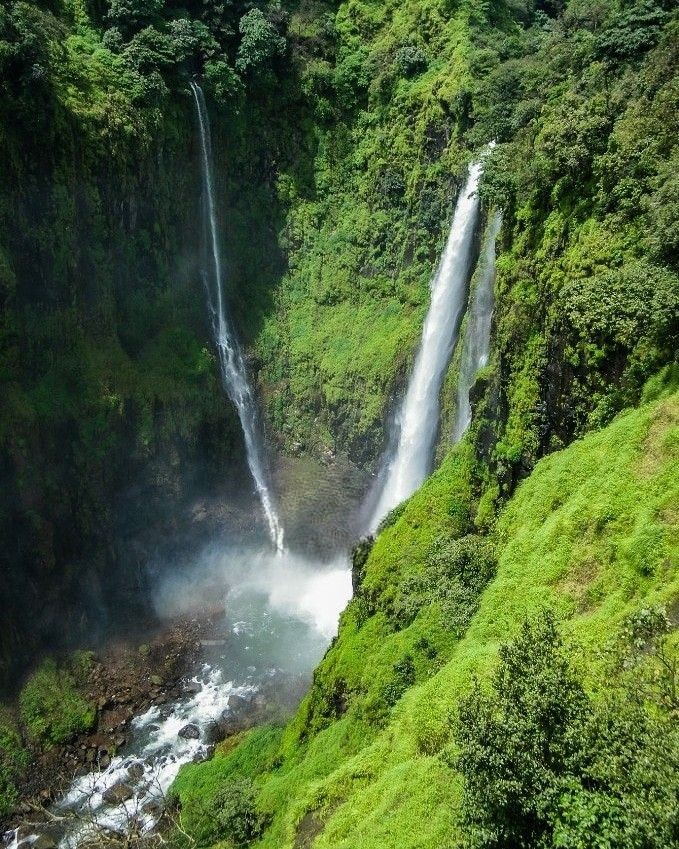
Toseghar Waterfall is around 20 kilometres from Satara — southwest, into the Sahyadri, where the plateau just drops away toward the Koyna valley, as if it changed its mind about being flat. The falls aren't one clean plunge. It's more like several waterfalls arguing down the same cliff face at once, in stages, each one louder than the last. You pass through Thoseghar village to get there. After that, the road gets narrow, then narrower, then genuinely questionable. There's a point where you think — okay, this can't be right. It is right. Keep going.
Monsoon is the only time Toseghar Waterfall makes its full case. July, August, the first half of September — that's when the water is actually doing something worth the drive. The mist doesn't just sit at the viewpoints; it moves. Gets into your clothes. The hillsides look almost heavy with it. Honestly, it's not a comfortable experience in the way a resort is comfortable — the paths are uneven, the railings aren't always trustworthy, and your phone signal disappears sometime around Thoseghar village and doesn't really come back. For people who need Instagram confirmation mid-visit, that's a problem. For everyone else... It's actually part of it.
History
Nobody documented Thoseghar village the way they documented the forts. That's the honest starting point. The Sahyadri western edge — this specific stretch where the plateau breaks toward the Konkan — has been lived in for centuries, but lived in quietly. These passes mattered. Not for beauty. For movement. Traders, soldiers, seasonal migrants crossing between the Deccan plateau and the coast below used terrain like this because there wasn't another way. The waterfall was just geography then. Useful or inconvenient depending on the season.
The Maratha period left its weight across the entire Satara district, and the ridgelines around Thoseghar were part of that strategic landscape, whether the history books mention this particular village or not. Controlling the ghats meant controlling movement. That's not romantic history — it's just how these mountains worked for a long time. What's interesting is that nothing was built here to mark any of it. No fort. No inscription. The land absorbed everything and kept going. Somehow, that feels more honest than a heritage plaque would.
Toseghar Waterfall tourism is a recent thing, really. The latter decades of the twentieth century brought gradual acknowledgement from Maharashtra's official tourism infrastructure. But the village knew about the falls long before any signboard went up. Still does, in a way that's slightly different from how visitors know it. There's a gap there worth noticing.
Climate & Weather
Timing your journey perfectly is the secret to unlocking the true grandeur of one of India's tallest cascades. The changing weather in Thoseghar Waterfall completely transforms the landscape, shifting from a quiet, misty canyon to a roaring, thunderous natural spectacle.
Summer (March to May)
Summer is widely considered a bad travel period for anyone eager to see the falls in their glory. The intense heat completely dries up the streams, leaving the massive stone cliffs entirely bare. It is a very slow tourist season, and the dry, arid conditions offer little reward for travelers chasing spectacular water views.
Monsoon (June to September)
The rainy season is the undisputed ideal season and the absolute best time to visit. Heavy seasonal downpours bring the entire Satara region to life, triggering a series of massive cascades that plunge violently into a deep, emerald-green gorge. Wrapped in heavy fog and rushing water, the cliffs offer an incredibly raw, high-energy wilderness experience.
Winter (October to February)
As the torrential rains clear up, the region transitions into a pristine haven that is perfect for comfortable monsoon/winter travel. While the roaring waterfall slowly shrinks to a gentle, steady stream, hikers are rewarded with beautifully clear skies, cool mountain breezes, and lush, velvety landscapes that make outdoor exploration exceptionally pleasant.
Transportation
Please select a transportation mode to view details
Facilities
Well-Maintained Viewing Platforms: Safe, concrete viewing decks and a sturdy suspension bridge are strategically positioned to give you panoramic, front-row views of the massive multi-tiered cascades without compromising on safety.
Secured Parking Zones: A spacious, organized parking area sits right near the main entrance gateway, providing a hassle-free space to park your private cars or bikes before heading down the trail.
Paved Walking Tracks: Beautifully laid out, non-slip stone pathways and clean staircases lead you comfortably from the ticket counter to the main viewpoints, making the short walk highly accessible for families and elderly travelers.
Local Culinary Stalls: A vibrant cluster of village-run food kiosks near the entrance serves up piping-hot Maharashtrian comfort food, including freshly made Kanda Bhajji, spicy Misal Pav, and refreshing lime juice.
Restrooms and Eco-Toilets: Essential public washrooms and sanitation facilities are available near the main ticketing plaza, allowing travelers to freshen up comfortably before or after their trek.
Dedicated Sitting Areas: Shaded stone benches and gazebos are dotted along the walking trail, offering perfect rest stops to unwind, soak in the cool mountain breeze, and enjoy the dense forest canopy.
Children's Play Park: A small, neat garden area with basic play equipment sits near the entrance compound, making it an incredibly family-friendly spot to keep kids entertained during a day trip.
Geographical Information
The geography here does something you don't fully expect until you're standing in it. Toseghar Waterfall sits in the Satara district of Maharashtra, on the western edge of the Deccan Plateau, where the Sahyadri ranges begin their descent toward the Konkan. The elevation drops sharply and visibly — you feel it in the road, in the temperature, and in the way the vegetation thickens around you as you move closer. The falls themselves run along a cliff face that's part of this larger escarpment, which stretches through this section of the Western Ghats without interruption.
The terrain isn't gentle. Rocky. Uneven at the edges. During monsoon, the ground holds water in ways that make flat surfaces slippery and slopes genuinely demanding. The Western Ghats here sit within a high rainfall zone — the Koyna region just below receives some of the heaviest precipitation in Maharashtra annually, and that water has to go somewhere. What you're watching at Toseghar is essentially that rainfall finding its way off the plateau. The forest cover across these slopes carries teak, wild banana, and dense scrub that stays green well into October. Birds are present but heard more than seen — the noise from the falls competes with everything.
One thing the geography does that surprises people — the viewpoints sit at roughly the same elevation as the top of the falls, not below them. You're looking across, not up.
Culture & Local Lifestyles
Beyond the thunderous roar of the water and the heavy mountain fog lies a region steeped in the rich, deep-rooted heritage of rural Maharashtra. Exploring Thoseghar Waterfall offers more than just a scenic escape; it provides a gateway to experiencing a vibrant mountain community. Immersing yourself in the local culture here reveals a lifestyle that beautifully mirrors the rhythm of the Western Ghats, where deep respect for nature shapes everyday life.
Traditions
The communities surrounding the Satara hills hold a profound reverence for their natural surroundings, a core element of their ancient traditions. Sacred groves (Devrais) are carefully preserved in nearby forests, protecting regional biodiversity through generational faith. Engaging with the villagers offers incredibly rich cultural experiences, as they share folk tales of historic Maratha warriors who once traversed these very ridges, bridging the gap between a glorious past and the living present.
Festivals
Life on this high-altitude plateau is celebrated through high-energy, community-centric festivals that mark the changing seasons. While Ganesh Chaturthi and Shiv Jayanti are celebrated with immense pride and grand local fervor, the rural harvest festivals truly capture the heart of the community. Villagers gather to perform traditional Lezim dances and energetic folk songs, transforming the misty mountain landscape into a lively hub of authentic regional storytelling and celebration.
Daily Life
The everyday local lifestyle is defined by a beautiful, hard-working simplicity deeply tied to monsoon farming, cattle rearing, and eco-tourism. Early in the morning, the valleys hum with activity as locals tend to their terraced paddy fields or set up welcoming food stalls for visiting travelers. This intentional way of living centers around genuine hospitality. Taking a moment to step off the primary viewing decks to chat with a local vendor or share a warm conversation over tea offers an invaluable glimpse into sustainable, mountain-rooted living.
Food and Local Cuisine
Chasing the thunderous cascades of Thoseghar is bound to work up a massive appetite. Fortunately, the culinary landscape surrounding these hills is just as soul-stirring as the views. Immersing yourself in the regional flavors is the absolute best way to fuel your exploration while actively supporting sustainable food tourism. The local food scene here is wonderfully rustic, offering deeply comforting, spice-forward Maharashtrian dishes that perfectly complement the crisp, misty mountain air.
Famous Dishes
The undisputed centerpiece of this region’s traditional cuisine is the fiery Satara Kandi Peda for dessert, but for a main meal, it is all about the Bhakri paired with Pithla or a robust Gavran Chicken Rassa. Pithla is a velvety, spiced gram flour curry served alongside smoking-hot flatbreads hand-pounded from millet. If you eat meat, the Rassa offers a slow-cooked, intensely spiced rustic chicken gravy that delivers an authentic taste of the Sahyadri foothills, making it one of the most famous dishes to try.
Street Food
As you approach the viewing decks and parking zones, you will run into a vibrant line of village-run stalls serving incredible street food. Here, you can grab a plate of crispy, batter-fried Kanda Bhajji (onion fritters) served straight out of bubbling cauldrons, or a comforting bowl of spicy Misal Pav topped with crunchy farsan and diced onions. Washing these down with a steaming brass cup of ginger-infused Adrak Chari (tea) while wrapped in heavy mountain fog is a true rite of passage.
Restaurants & Cafes
While the immediate waterfall area is preserved for nature, the connecting Thoseghar Ghat Road and nearby Satara city are dotted with welcoming family-run khanavals (local eateries) and open-air dhabas. These spots serve up some of the best food in Thoseghar Waterfall's vicinity. They specialize in massive, unlimited Maharashtrian thalis featuring farm-fresh vegetarian meals and authentic local preparations, ensuring every traveler gets a true taste of heartwarming village hospitality.
Accommodation
Finding the perfect basecamp is the key to an unforgettable mountain adventure, especially when you are chasing a rare phenomenon like a reverse cascade. Because the trail can be approached from either the lower Konkan side near Vaishakhare or the upper Deccan plateau near Junnar, choosing your lodging depends entirely on your trekking route. The surrounding valleys and towns offer a diverse mix of stays, ensuring great location convenience for an early morning start.
Budget Hotels
For backpackers and solo trekkers looking to maximize their trail time, the towns along the highway provide excellent options for a budget stay. These properties offer the essentials—clean beds, hot water for post-hike recovery, and secure parking. Strategically located near the main road networks, they keep logistics simple so you can focus entirely on your climb.
Mid-Range Hotels
If you are traveling with family or a group of friends, the mid-range hotels in Naneghat Waterfall's neighboring towns hit the absolute sweet spot. These properties feature comfortable AC rooms, on-site multi-cuisine restaurants, and beautiful views of the Sahyadri foothills. They offer great value, making it easy to relax and unwind after a long day of navigating misty mountain passes.
Luxury Resorts
For those who want to pair their rugged wilderness exploration with high-end pampering, the wider Malshej Ghat region is home to stunning luxury resorts. Tucked away on dramatic cliff edges, these properties feature gorgeous infinity pools overlooking deep valleys, wellness spas, and premium independent villas. It is the perfect way to soak in the mountain fog while enjoying world-class hospitality.
Homestays
To truly immerse yourself in the warmth of the Sahyadris, booking local homestays around the Ghatghar plateau or nearby villages is an unmatched choice. These family-run properties offer the best accommodation experience for culture-focused travelers. You will get to stay in charming rural setups, enjoy authentic wood-fired Maharashtrian meals, and pick up insider trail tips from hosts who know the mountains best.
Traveler Reviews
No reviews yet
Be the first to share your experience!