Introduction
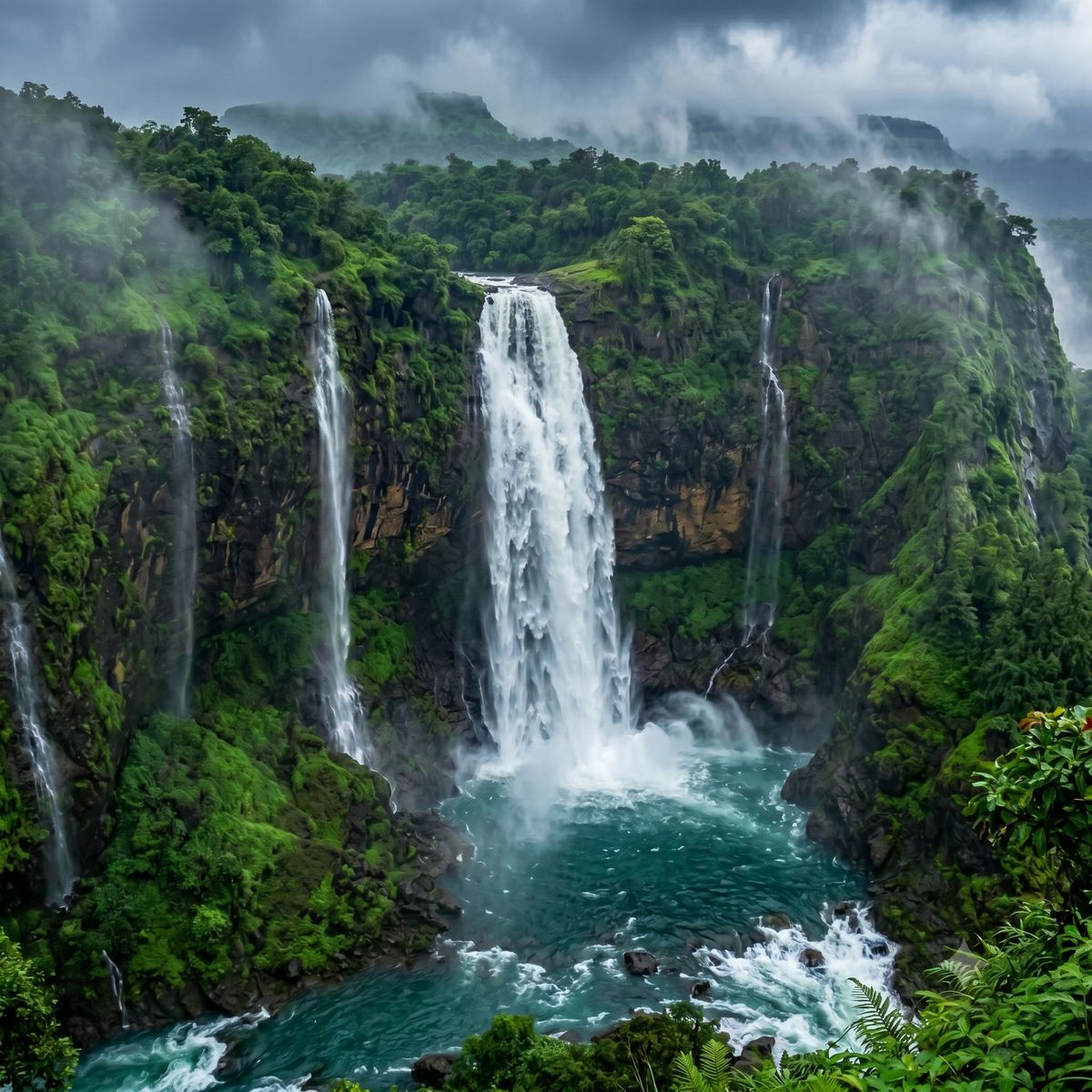
Situated comfortably near Umbrande village in the Trimbakeshwar range of Nashik, the Umbhrande Waterfall—also locally celebrated as the Bhaskar Waterfall—is a stunning seasonal wonder of the Sahyadris. This natural attraction is famous for its relatively secluded setting and its pristine, uncrowded ecosystem that dramatically bursts to life after the arrival of heavy monsoon downpours. It serves as a highly refreshing weekend retreat for adventure enthusiasts and city dwellers who wish to disconnect from modern urban stress and explore the raw, untouched beauty of rural Maharashtra.
The site offers an immensely immersive outdoor experience highlighted by a scenic, rain-drenched jungle trek that weaves through rustic farmlands and small gushing forest streams. Visitors are drawn here to admire the striking sight of white water cascading down weathered basalt cliffs, enjoy cold, rejuvenating mists, and capture breathtaking landscape photographs. It is an exceptional destination if you want to pair light trekking thrills with a peaceful afternoon under a magnificent mountain waterfall away from mainstream tourist crowds.
History
The narrative surrounding the Umbhrande Waterfall is deeply intertwined with the ancient geographic identity of the Sahyadri Mountain Range and the neighboring
Bhaskargad Fort is an iconic military bastion. While specific written historical records detailing the waterfall itself are minimal, the surrounding valleys and high mountain passes have served local tribal communities for centuries. These rugged forest terrains were once part of crucial local trade and communication routes utilized during the era of the Yadava dynasty and later by the Maratha Empire to keep watch over the Konkan-Desh borderlands.
For generations, the tribal elders and villagers of the Umbrande region have guarded the approaches to this cascade, weaving its seasonal resurgence into traditional folklore and celebration cycles. Unlike urban water features that faced industrial degradation, this remote cascade has maintained its pristine natural character due to its geographic isolation and the community's defensive mountain architecture. In recent years, as avid trekkers began seeking offbeat trails beyond the highly crowded
Dugarwadi and Harihar paths, the waterfall evolved gracefully from an anonymous village secret into a respected eco-tourism site that represents the enduring wild spirit of Trimbak.
Climate & Weather
To fully enjoy the rustic charm and peak water flows of this destination, planning your trip according to the ideal season is essential.
Summer
The weather in Nashik during the summer months turns exceptionally dry and hot, which causes the seasonal mountain streams feeding this cascade to completely dry up. The local forest paths become arid, and visiting during this stretch is generally not recommended, as you will find only bare, exposed black rocks instead of a flowing waterfall.
Monsoon
This is the peak tourist season and the absolute best time to visit the destination. Continuous seasonal downpours fill the mountain catchments, transforming the rocky cliff into a roaring, grand white column framed by bright emerald-green landscapes. The monsoon travel period provides the ultimate visual experience, filling the valley with cool, refreshing breezes and heavy mountain mist.
Winter
As the heavy rains retreat, winter travel brings a delightful drop in temperatures and highly pleasant outdoor weather. While the main force of the cascade recedes into a gentle, soothing trickle by the early winter weeks, the clear skies and comfortable afternoon weather make it a fantastic phase for peaceful, dry trekking without the challenges of muddy trails.
Seasonal Comparison
When assessing your travel window, summer features zero water volume and dried-out scenery, meaning it should be completely avoided. The monsoon serves as the ideal season due to its high water volume, beautiful, lush greenery, and maximum aesthetic appeal. Winter offers a moderate to low water flow with thin crowds and cool weather, providing an optimal setting for slow-paced nature exploration and easy hiking.
Transportation
Please select a transportation mode to view details
Facilities
Reflecting its status as a pristine, community-preserved eco-spot, the Umbhrande Waterfall provides minimal commercial infrastructure right at the site. There are no permanent concrete shelters, modern changing facilities, public restrooms, or secure locker systems available near the water pool. Visitors should treat this as a raw nature excursion and carry their own dry clothes, waterproof bags, and essential personal care gear.
Food and beverage options are limited to the base settlement of Umbrande village, where local families occasionally offer home-cooked Maharashtrian meals like Pithla Bhakri or set up temporary tea shacks on monsoon weekends. There are no formal sit-down restaurants or packaged drinking water outlets along the forest trail, so bringing your own snacks and filled water bottles is highly advisable. Parking is completely informal, allowing travelers to park their cars or bikes along designated open mud clearings near the village entrance under the guidance of local residents.
Geographical Information
The Umbhrande Waterfall is geographically nestled within the Gonde Budruk area of the Trimbakeshwar taluka, located roughly 45 kilometers west of Nashik city in Maharashtra. This regional placement puts it deep within the crest line of the Western Ghats, sitting in close geographical proximity to famous landmarks like the Bhaskargad Fort and the sacred Brahmagiri hills.
The local terrain is defined by rugged volcanic typography, featuring steep basalt cliffs and deep valleys carved out over millennia by seasonal mountain torrents. The surrounding landscape is dominated by dense, moist deciduous forests and fertile, terraced rice paddies cultivated by local farming families. Experiencing a typical tropical monsoon climate, this high-altitude region absorbs heavy annual rainfall, which dictates the entire hydrological behavior of the waterfall, turning it from a silent rock shelf in May into a roaring nature spectacle by July.
Culture & Local Lifestyles
Traditions
The local culture of the Umbrande area is deeply rooted in the lifestyle of the indigenous tribal communities who have coexisted with the Sahyadri forests for generations. Their daily traditions show immense reverence for natural elements, with community rituals focusing heavily on mountain deities, forest protection, and the celebration of sacred groves that surround the seasonal water sources.
Festivals
The arrival of the monsoon is celebrated as a period of rebirth, aligning closely with agricultural festivals like Bail Pola and the holy month of Shravan. During these times, the village communities decorate their cattle, offer traditional grain harvests to local shrines, and gather near the base of the mountains to celebrate the successful sowing of their seasonal rice crops.
Daily Life
Daily local lifestyle in this rural pocket follows a peaceful, slow rhythm centered around paddy farming and livestock grazing. Early mornings witness villagers working diligently in the misty fields, while the afternoons feature a warm, tight-knit community vibe where travelers are welcomed with genuine hospitality. The rising interest in trekking has introduced a gentle wave of eco-tourism, allowing local youth to find meaningful employment as nature guides.
Food and Local Cuisine
Exploring this region offers a wonderful chance to dive into the rich flavors of traditional cuisine native to northern Maharashtra.
Famous Dishes
The local food scene is headlined by the iconic Nashik Misal Pav, a spicy moth bean curry topped with crunchy farsan and served with soft bread. Another rustic highlight is Pithla Bhakri, a thick, comforting chickpea flour curry paired with hand-patted millet flatbreads cooked over wood fires by the village residents. During the rainy season, you will also find hot, steaming plates of batata bhaji (potato fritters) that taste incredible in the chilly mountain air.
Street Food
Along the rural approach roads and near the main junction, simple street food stalls thrive during the busy weekend intervals. Hungry trekkers line up for freshly roasted sweet corn cobs rubbed with sour lime juice, black salt, and fiery chili powder. You can also grab crispy kanda bhajji (onion pakoras) paired with sweet, piping-hot ginger tea that provides an instant burst of warmth after a cold waterfall bath.
Restaurants/Cafes
While there are no proper restaurants or cafes right at the base village, the nearby Nashik-Trimbak highway is lined with excellent dining options. Travelers can find authentic Maharashtrian khanavals (traditional eateries) that serve filling vegetarian and non-vegetarian thalis. For a more relaxed experience, there are also trendy highway dhabas and garden family restaurants where you can enjoy the best food in the district before heading back to the city.
Accommodation
Securing the best accommodation is seamless due to the waterfall's manageable distance from major tourist hubs.
Budget Hotels
Travelers looking for a budget stay can find plenty of simple, clean lodges and pocket-friendly guest houses in Trimbakeshwar town. These properties provide all the basic travel necessities, such as attached bathrooms, hot water systems, and comfortable bedding, making them excellent for backpackers.
Mid-range Hotels
For a balanced mix of amenities and affordability, hotels in central Nashik offer spacious family rooms, in-house restaurants, and ample parking space. These well-maintained business hotels make it incredibly easy to coordinate day trips to various hidden nature spots across the valley.
Luxury Resorts
Those seeking a premium holiday can check into sprawling luxury resorts located along the scenic Trimbak roads and overlooking peaceful backwaters. These high-end properties boast beautiful swimming pools, rejuvenating wellness spas, and curated outdoor activities that elevate your entire weekend vacation.
Homestays
To experience a warm, humanized connection to the land, travelers can book rustic homestays closer to the mountain bases. Staying at these local villas allows you to enjoy peaceful green courtyards, interact closely with welcoming hosts, and savor fresh, home-cooked regional meals.
Budget/Cost Estimation
Planning a journey to this mountain attraction is highly affordable for all types of travelers. For transport, daily costs usually range from 400 to 1,800 rupees depending on whether you take local state transport buses or hire a private air-conditioned cab from the city center. Food expenses remain incredibly reasonable, running between 300 to 1,000 rupees daily for a mix of authentic village snacks and proper highway thali meals. Your stay forms the flexible portion of the trip budget, with rural budget stays starting at 900 rupees and premium luxury resorts scaling up to 6,000 rupees per night. Since the natural site does not involve any commercial ticketing, your activities cost will remain completely free of charge. These combined estimated expenses make the destination a highly practical choice for anyone seeking a refreshing, low-cost adventure travel experience.
Entry Fees & Timings
- Attraction Name: Umbhrande Waterfall
- Timings: 07:00 AM to 05:30 PM daily
- Entry Fee: Free entry for all travelers
- Visiting Hours: Daylight hours are strongly advised for trail navigation and overall group safety.
Frequently Asked Questions
Popular Activities
Related Stories
Traveller Reviews
No reviews yet
Be the first to share your experience!