Introduction
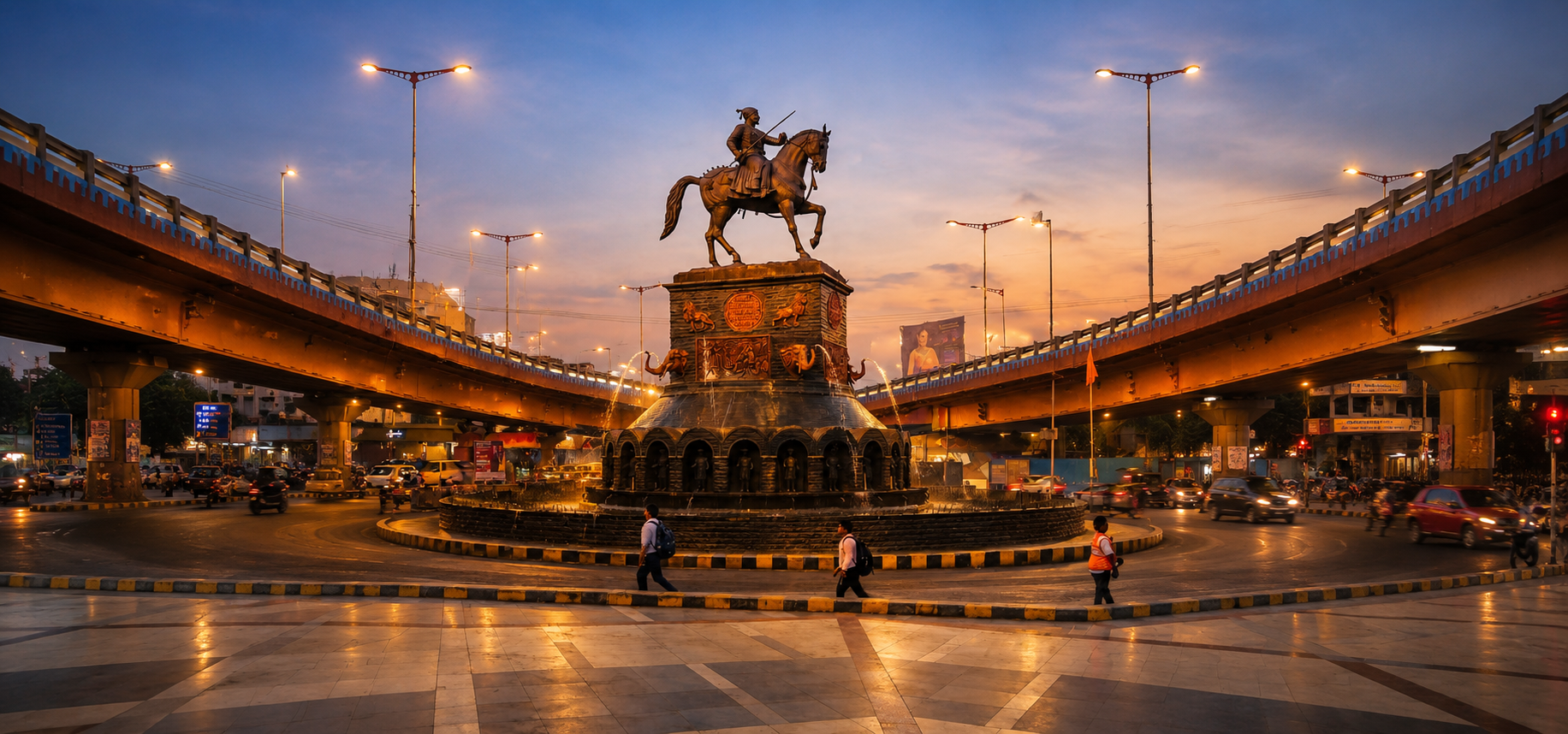
Chhatrapati Sambhajinagar, formerly known as Aurangabad, is a captivating blend of history, culture, and architectural brilliance nestled in the heart of Maharashtra, India. Often celebrated as the "Tourism Capital of Maharashtra," this city serves as the gateway to the world-renowned UNESCO World Heritage sites of Ajanta and Ellora. Its strategic location amidst the rugged landscape of the Deccan Plateau makes it a pivotal point for anyone looking to explore India’s glorious past.
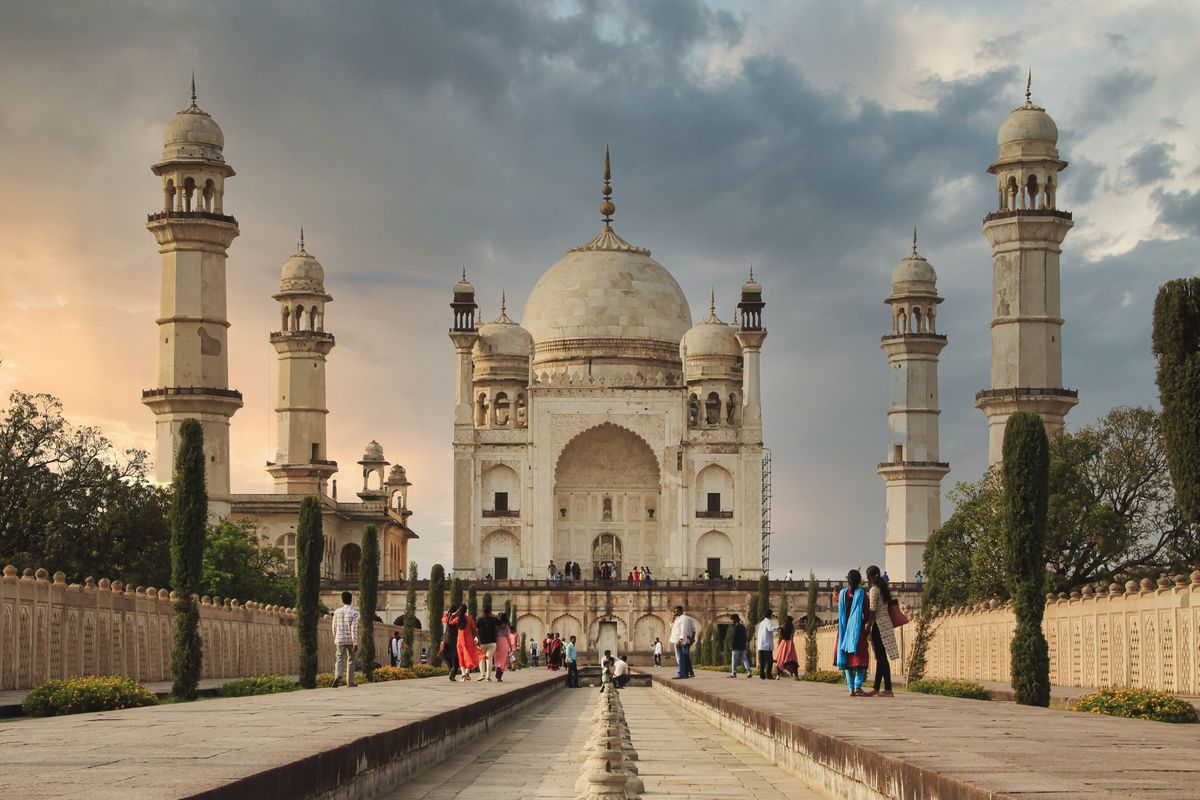
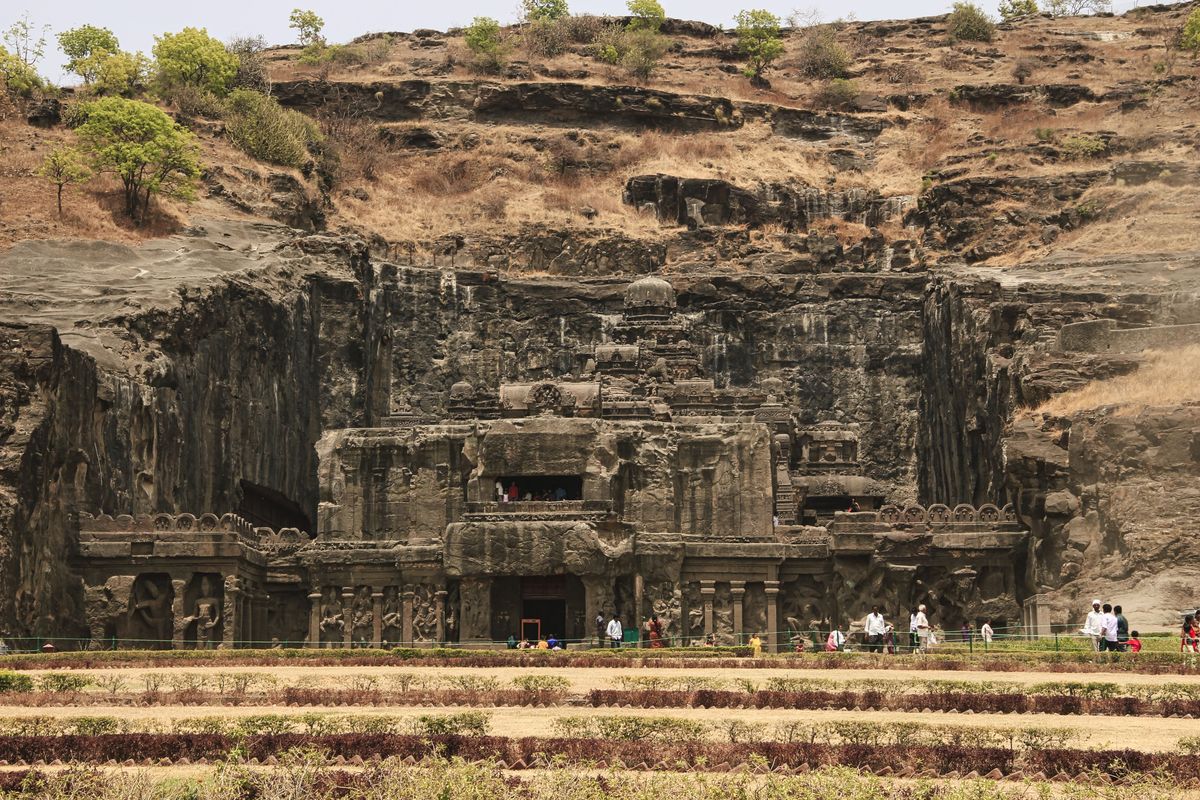
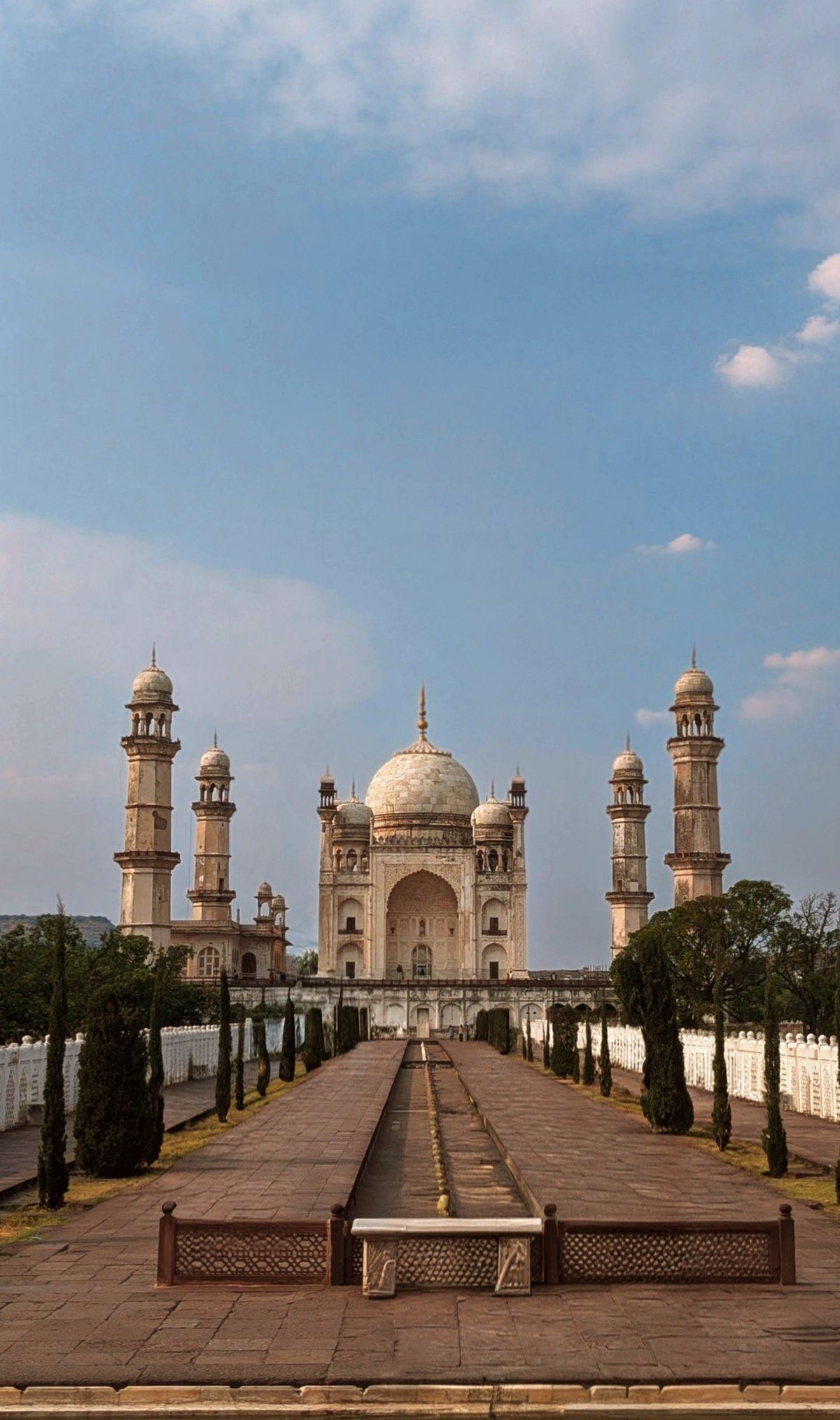
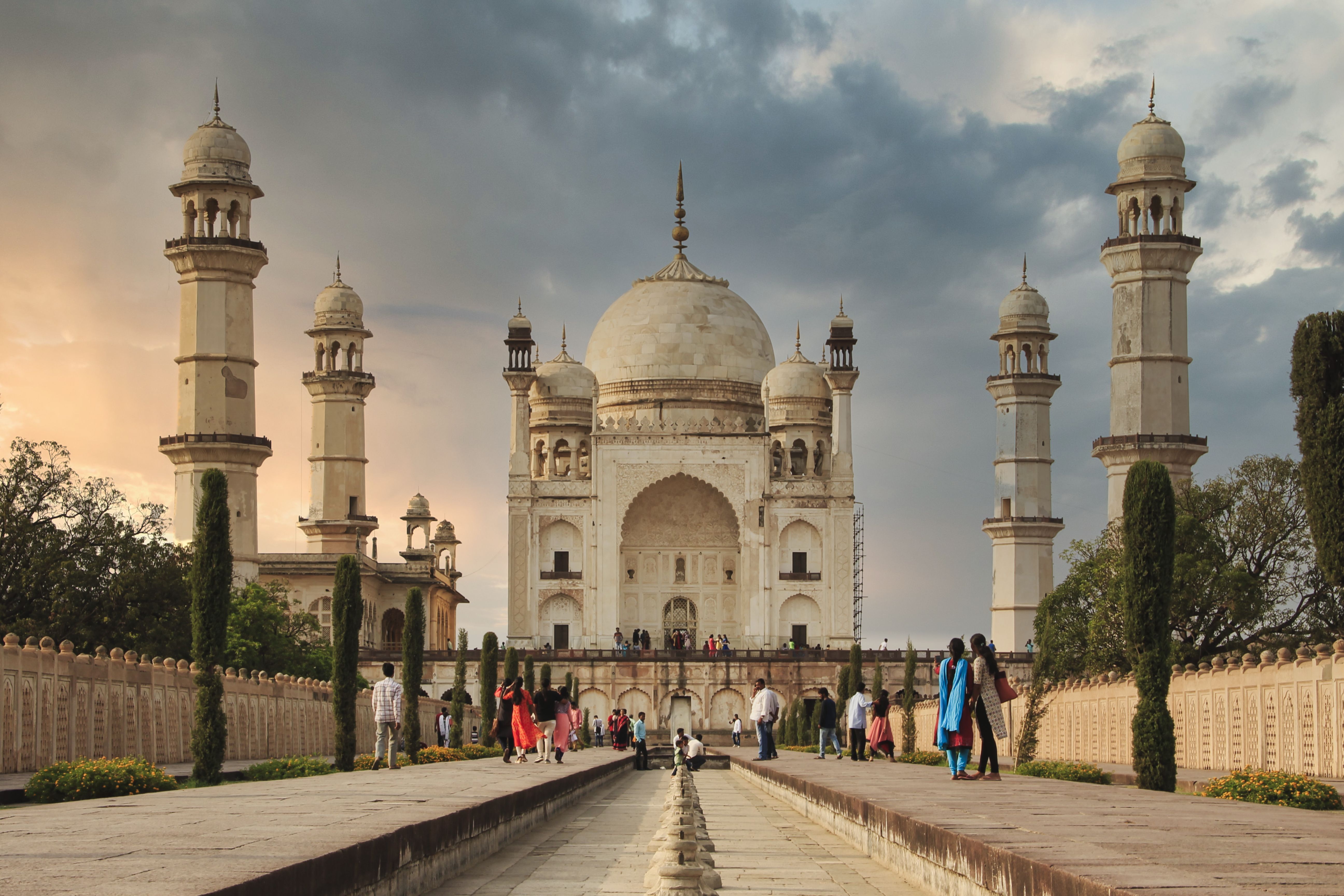
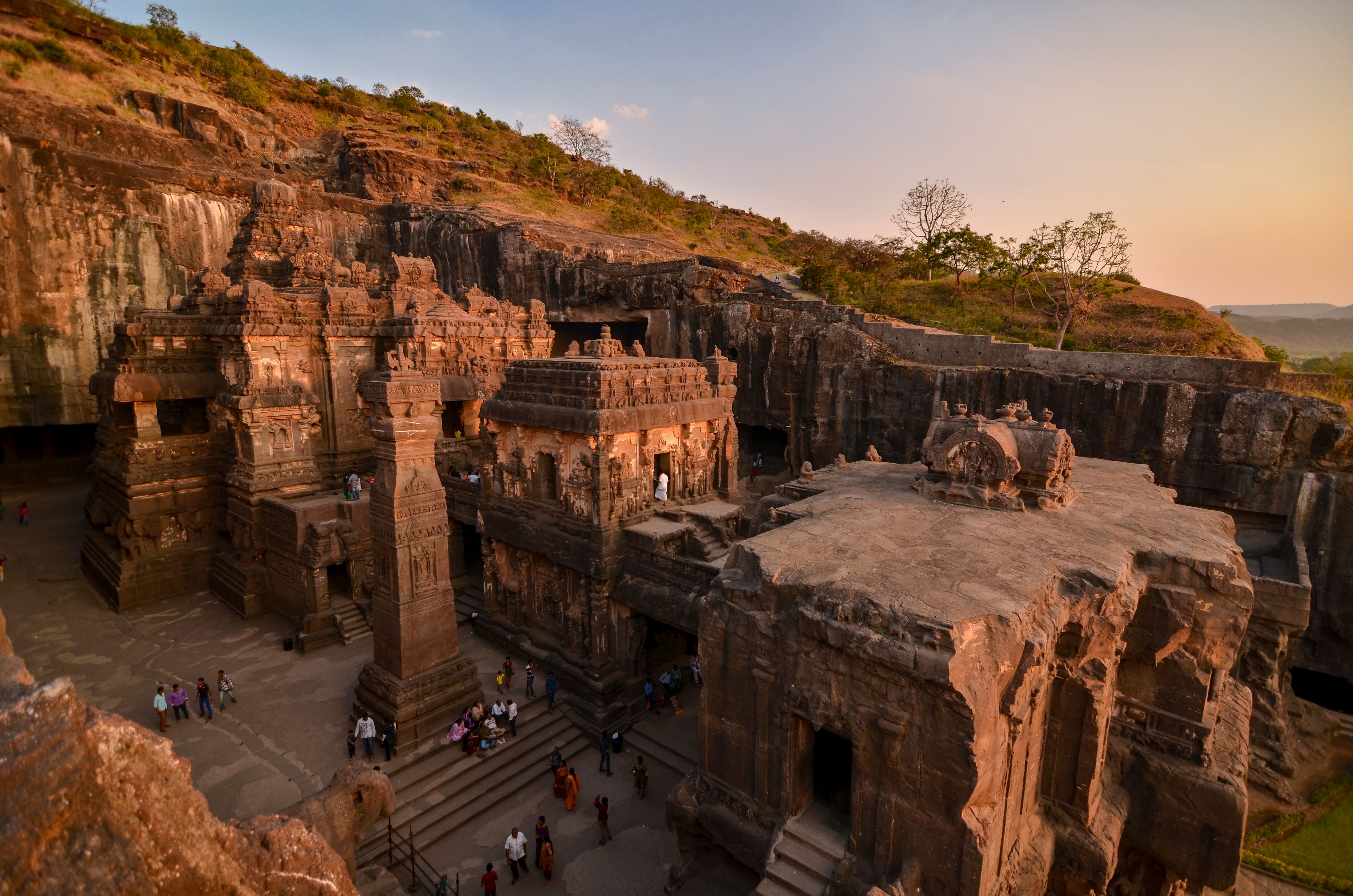
Visiting this city offers an immersive experience that transports you through centuries of artistic evolution. From the intricate stone-carved temples of Ellora to the mesmerizing ancient paintings at Ajanta, the city is a treasure trove for heritage lovers and culture enthusiasts alike. Beyond the iconic caves, you can wander through the stunning Bibi-ka-Maqbara or explore the vibrant local markets. Whether you are a history buff, a spiritual seeker, or a curious traveler, Chhatrapati Sambhajinagar promises a profound journey into the architectural soul of India.
History
The history of Chhatrapati Sambhajinagar is a rich tapestry woven through centuries of dynastic shifts, architectural ambition, and cultural fusion. Originally known as Khadki, the city rose to prominence under the vision of Malik Ambar in the early 17th century. It later gained significant historical weight when the Mughal Emperor Aurangzeb made it his capital, renaming it Aurangabad and leaving behind a unique architectural footprint that still defines the city's skyline today.
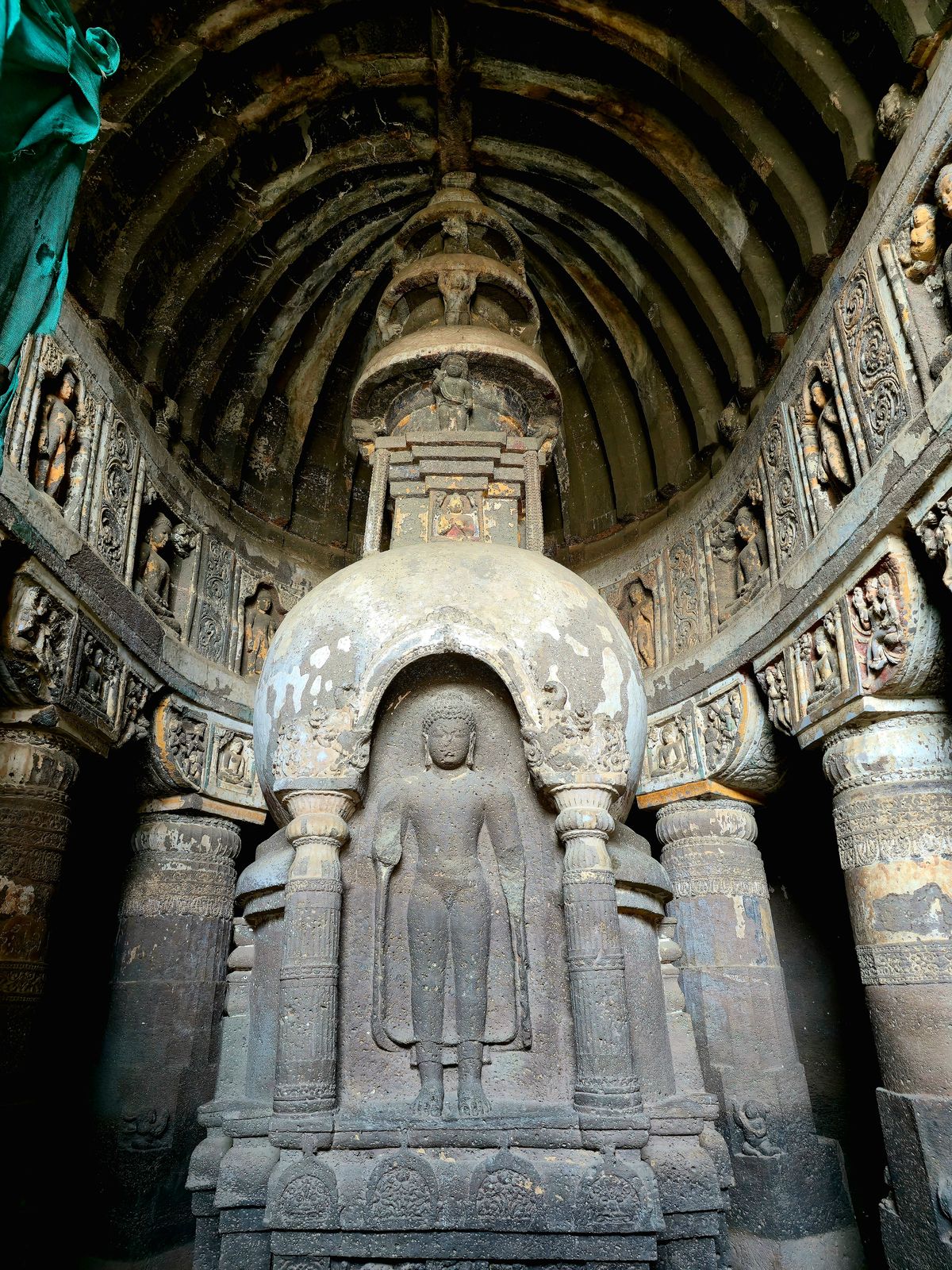
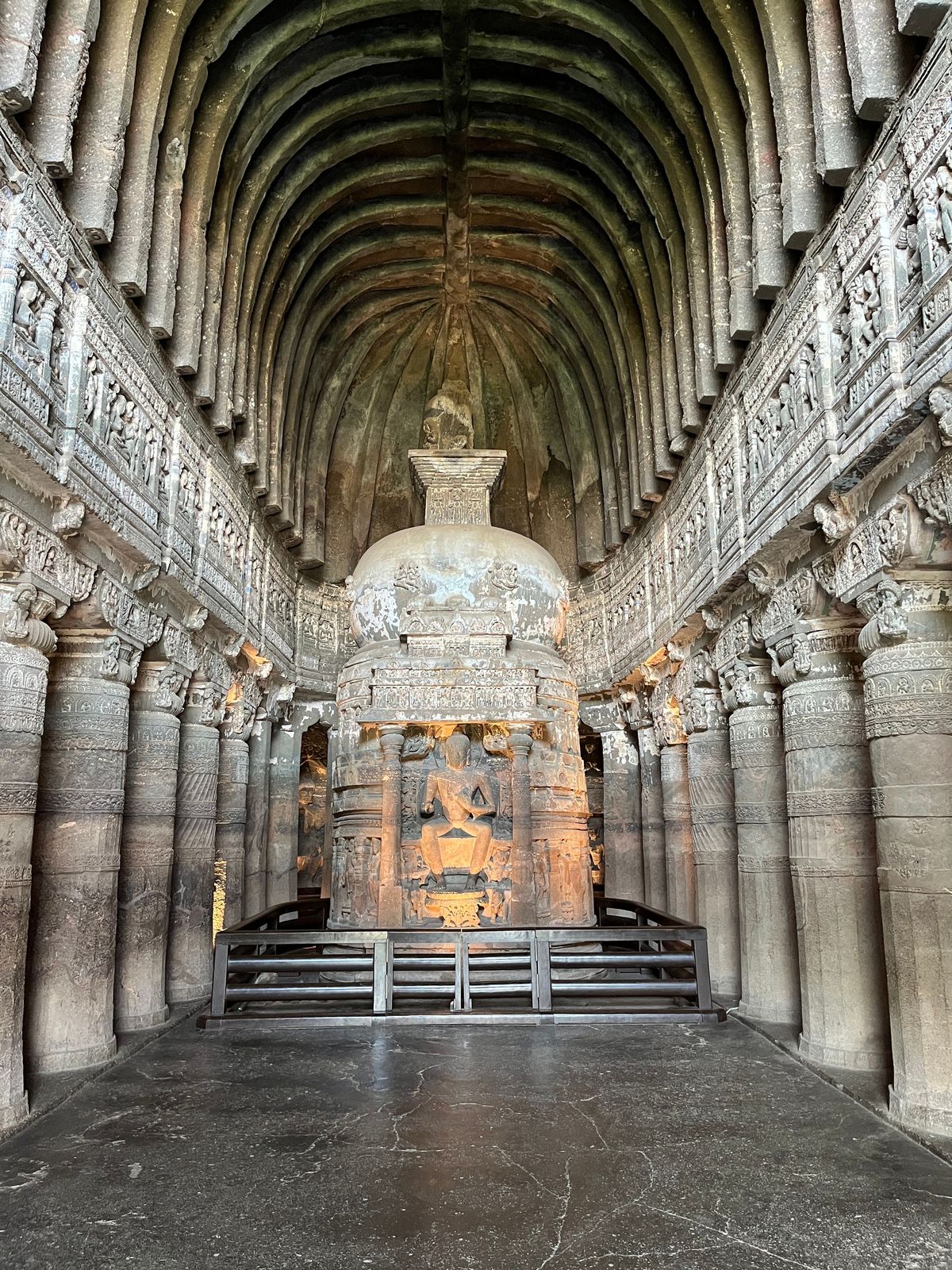
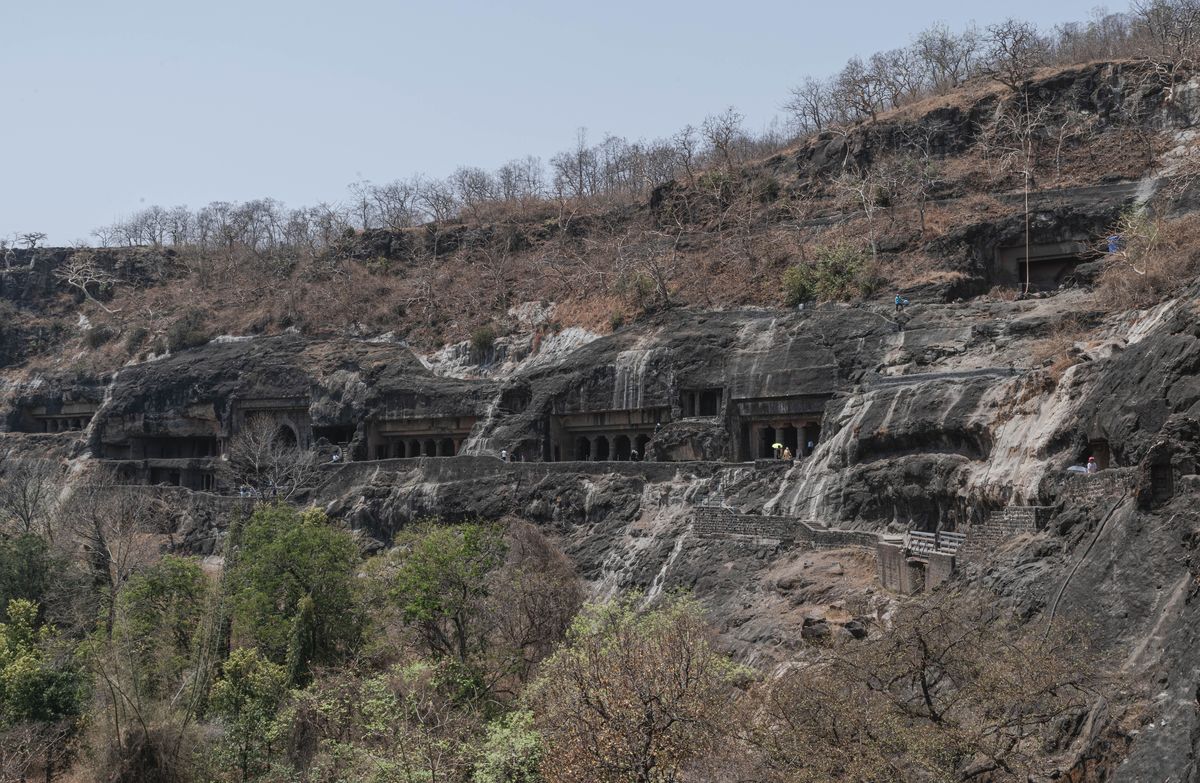
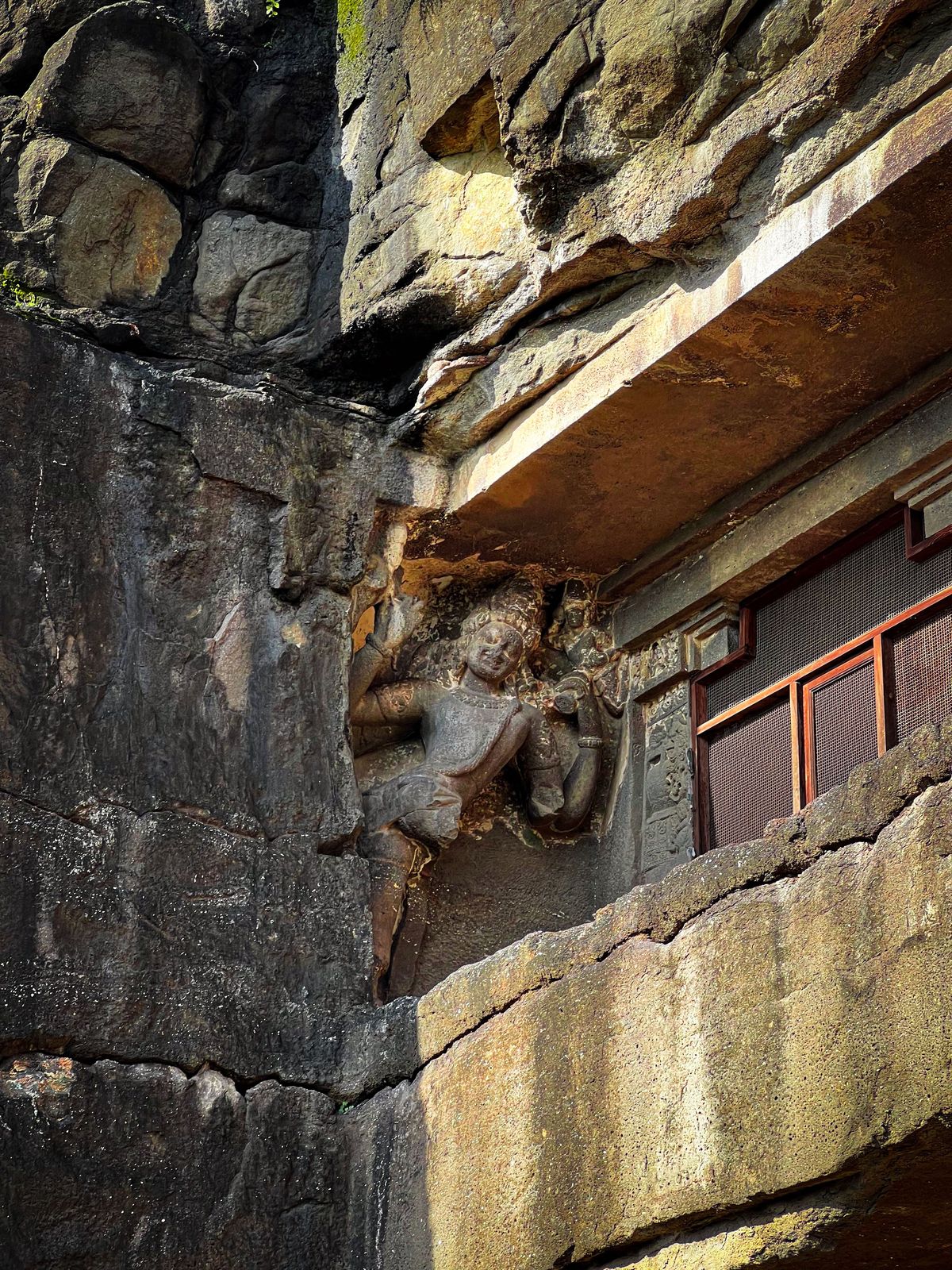
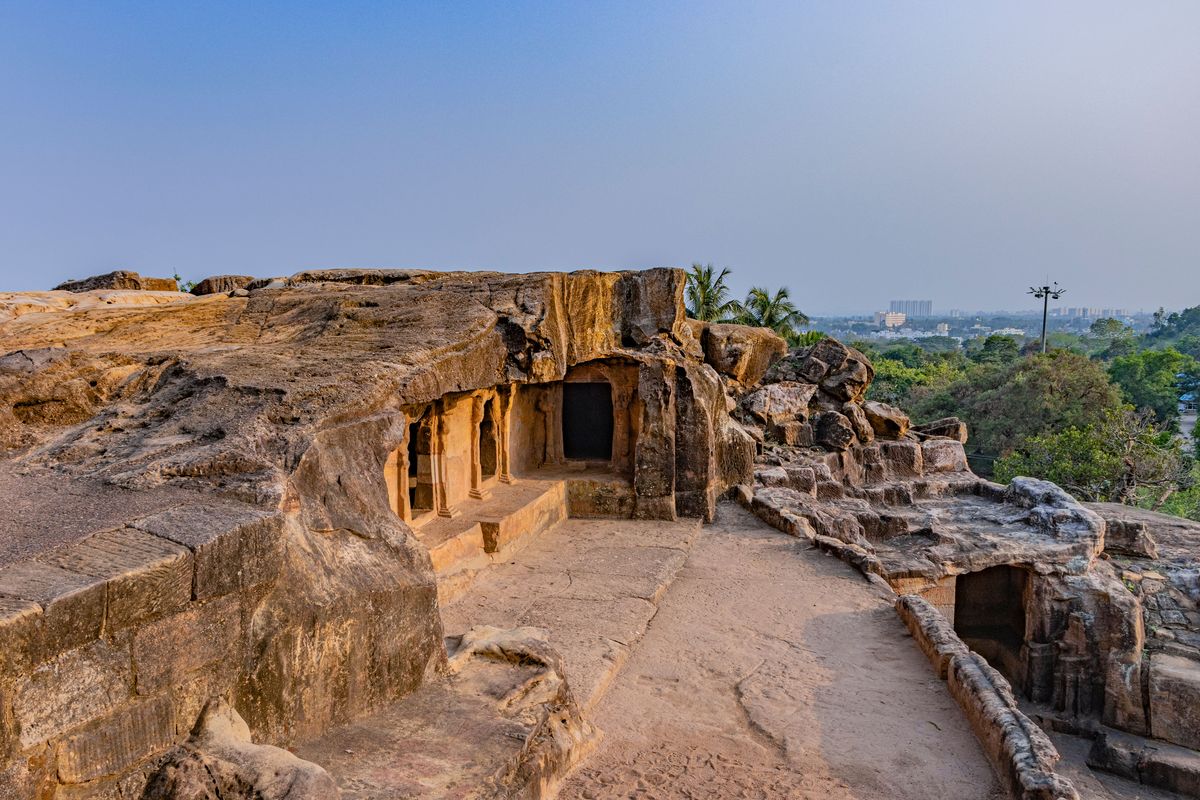
The region’s heritage, however, stretches far deeper than the Mughal era. It serves as the custodian of India’s most profound ancient history, housing the monumental rock-cut caves of Ajanta and Ellora. These masterpieces, carved by monks and artisans between the 2nd century BCE and the 10th century CE, stand as timeless evidence of the sophisticated artistic and spiritual movements of ancient India.
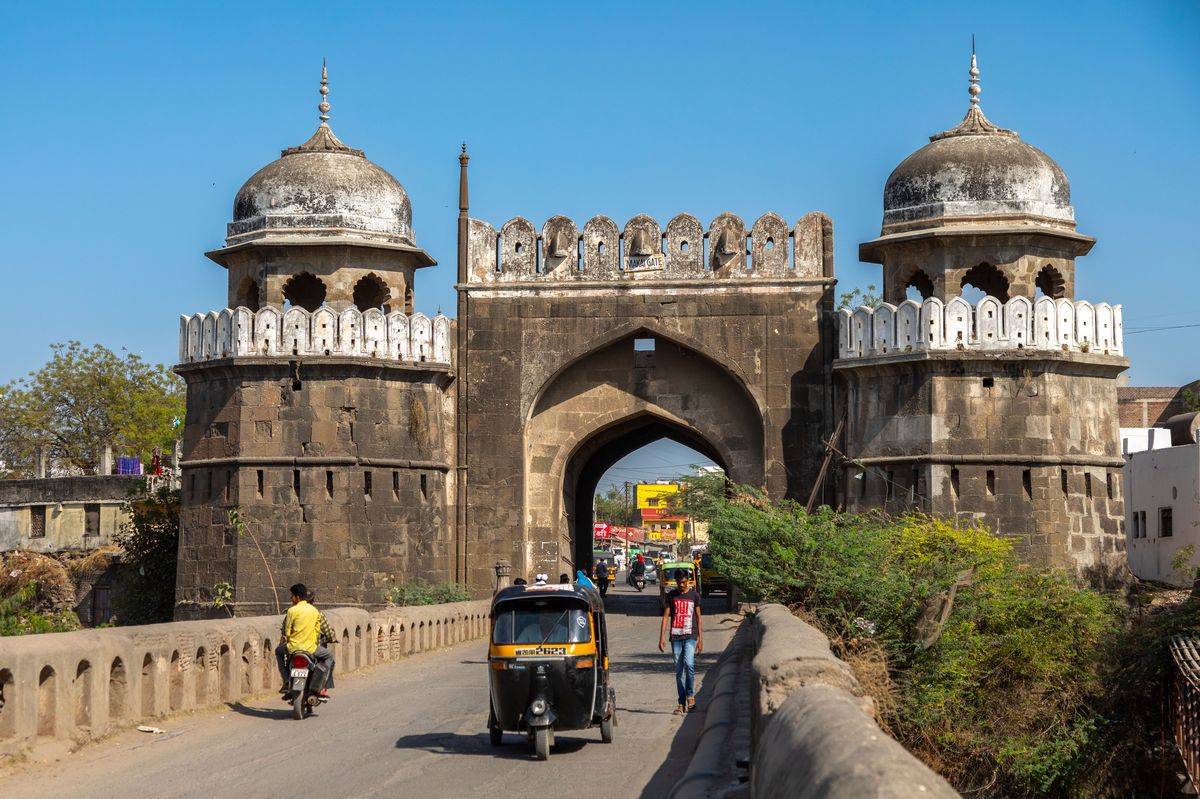
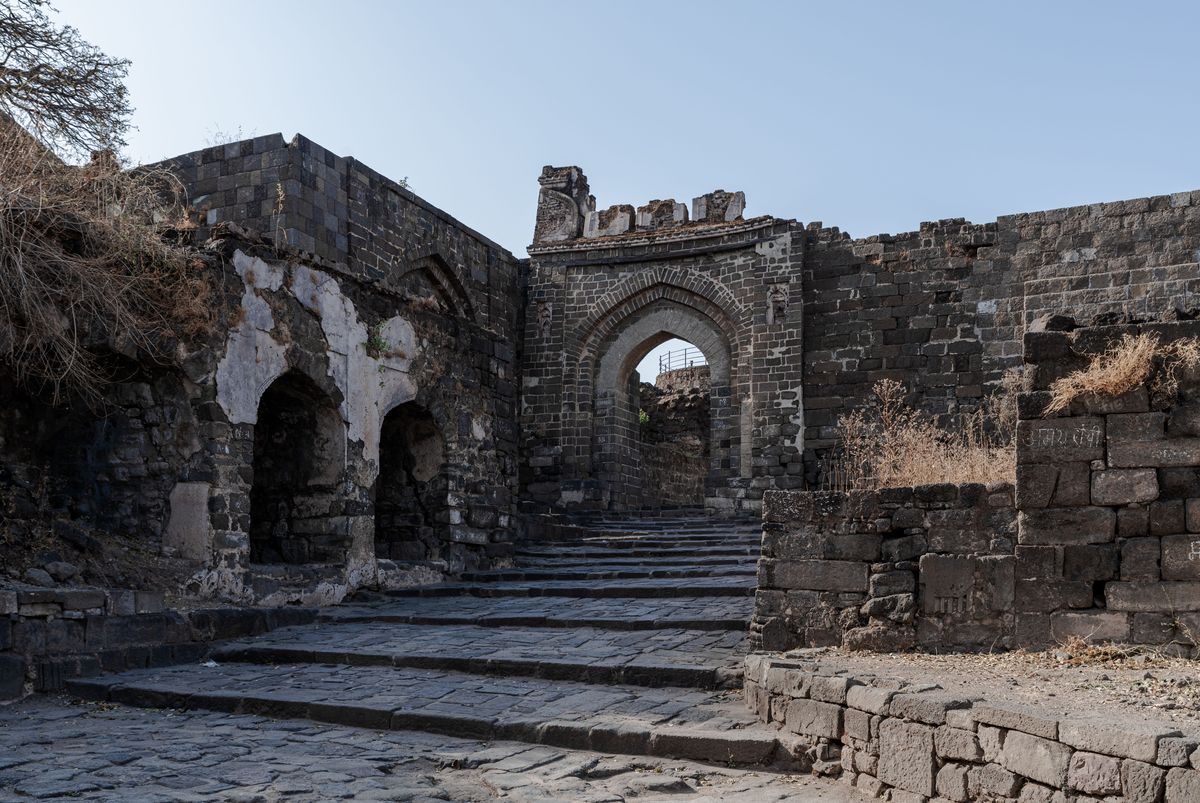
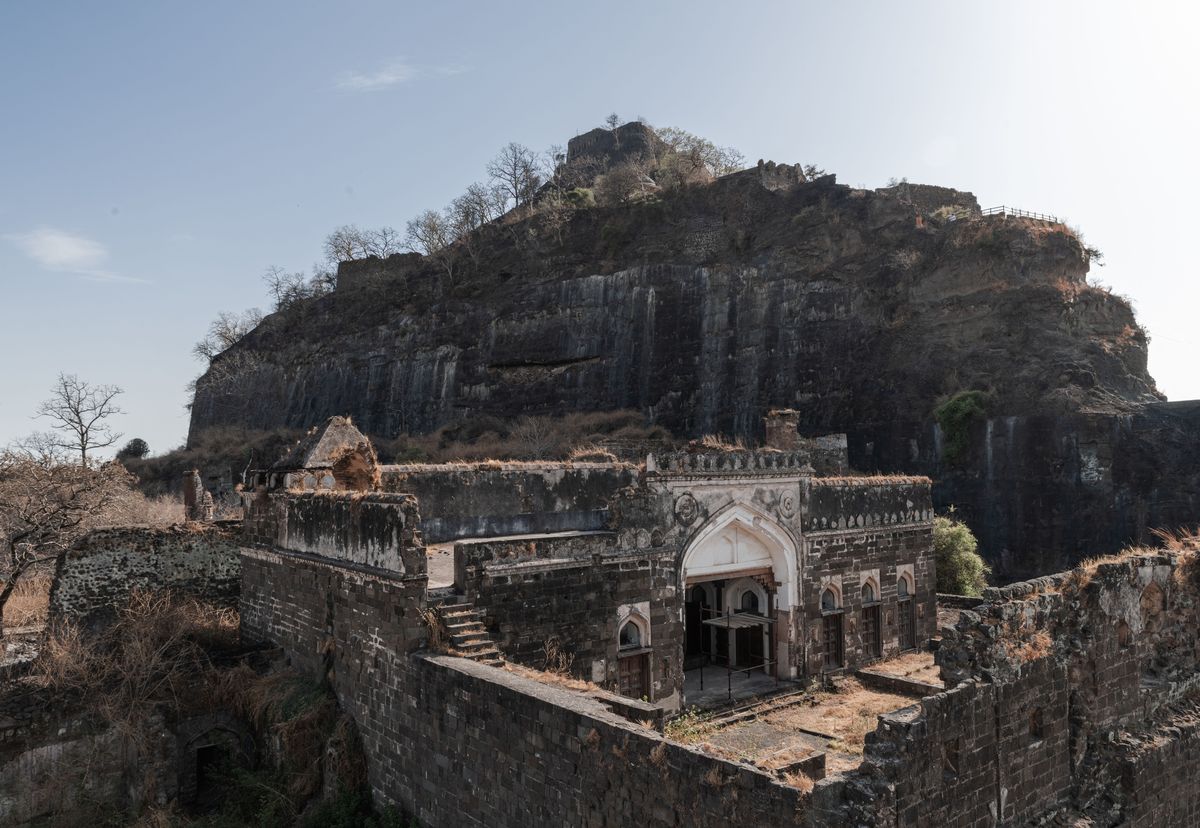
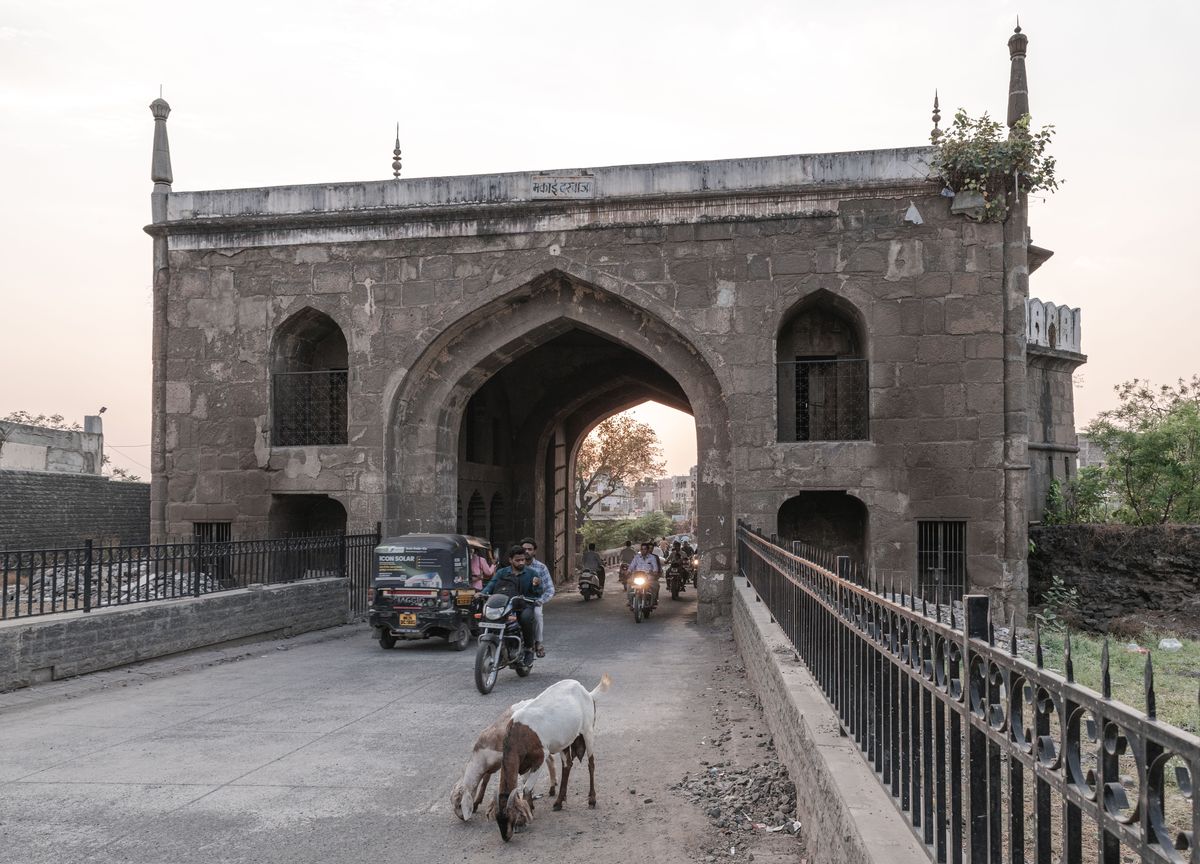
Today, the city represents a bridge between eras. As you explore its historic gates and ruins, you aren't just looking at old structures—you are witnessing a transition from ancient Buddhist, Hindu, and Jain spiritual centers to the grand designs of the medieval Islamic period. This unique layering of history is precisely why the city remains a magnet for travelers who want to experience the deep, complex narrative of Indian civilization in one remarkable place.
Climate & Weather
Planning your trip to Chhatrapati Sambhajinagar requires a touch of seasonal strategy. Because the city is located on the Deccan Plateau, the climate varies significantly throughout the year, impacting everything from temple exploration to photography sessions. Here is your guide to picking the ideal season for your journey.
Summer (March – May)
Summers are hot and dry, with temperatures often climbing above 40°C. While the heat can be intense for midday outdoor activities, this is the best time for budget-conscious travelers to visit. If you choose this time, prioritize early morning or late evening visits to monuments and museums to stay comfortable and avoid the peak afternoon sun.
Monsoon (June – September)
The monsoon brings a refreshing change to the landscape, turning the region vibrant and lush. While the weather in Chhatrapati Sambhajinagar becomes humid, the surroundings around the Ajanta and Ellora caves transform into a stunning green backdrop. This is a dream season for nature lovers and photographers looking for atmospheric, mist-covered shots.
Winter (October – February)
Winter is widely considered the best time to visit. With mild, pleasant days and crisp, cool nights, this is the peak tourist season. The weather is perfect for extensive sightseeing, long walks through heritage sites, and road trips.
Transportation
Please select a transportation mode to view details
Facilities
Chhatrapati Sambhajinagar is a well-established tourism hub, designed to ensure that your exploration of its rich history is both comfortable and convenient. Whether you are a solo traveler or exploring with family, the city provides a range of modern amenities to support your journey.
Essential Traveler Services
- Accommodations: You will find a diverse spectrum of lodging options, ranging from luxury heritage hotels and premium resorts to budget-friendly guesthouses and well-maintained state tourism lodges.
- Connectivity: The city is well-equipped with reliable cellular network coverage and widespread Wi-Fi availability in most hotels and cafés, keeping you connected as you navigate the region.
- Transportation: Beyond taxis and local auto-rickshaws, the city offers efficient app-based ride services. For excursions to the Ajanta and Ellora caves, dedicated tourist taxis and organized tour buses are easily available.
Site-Specific Amenities
At major heritage sites like the Ellora Caves and Bibi-ka-Maqbara, the following facilities are typically maintained:
- Information Centers: Official guides and information desks are available to provide historical context.
- Visitor Comfort: Most key monuments include clean drinking water stations, well-maintained restrooms, and shaded seating areas.
- Digital Accessibility: Many historical sites have introduced online ticketing via the Archaeological Survey of India (ASI) portal, helping you skip physical queues.
- Museums & Retail: Explore the on-site gift shops and museums (like the Chhatrapati Shivaji Maharaj Museum) to discover local handicrafts, including the world-famous Paithani silk sarees and traditional artifacts.
With a perfect balance of ancient wonder and modern support, Chhatrapati Sambhajinagar makes it easy for every traveler to immerse themselves in the experience without the stress of logistics.
Geographical Information
Chhatrapati Sambhajinagar is strategically positioned in the north-central part of Maharashtra, India. It sits comfortably in the heart of the Marathwada region, serving as a critical link between the bustling coastal plains of the Konkan and the expansive interior of the Deccan Plateau. Its location is often defined by its proximity to the Godavari River basin, making it a natural crossroads for trade and cultural exchange throughout history.
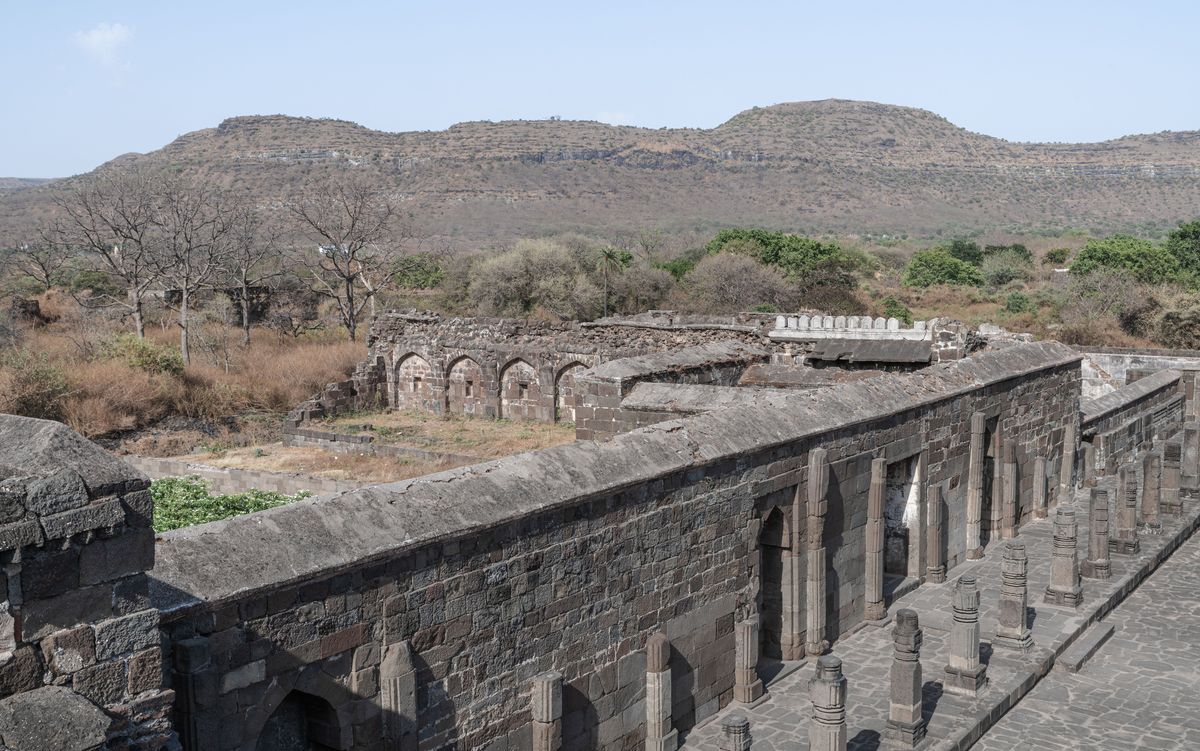
The landscape of the region is defined by its rugged, volcanic terrain, characterized by undulating plateaus and dramatic basalt rock formations. This unique topography provides the perfect foundation for the world-famous rock-cut monuments that the area is known for. The surrounding countryside shifts from dry, semi-arid plains to picturesque hills, offering a diverse visual experience. Climatically, the city sits in a semi-arid zone, which translates to a warm, tropical climate. It experiences distinct seasonal changes, with the monsoon rains breathing life into the scrublands, turning the plateau into a lush, green canvas. This combination of elevated terrain and a predictable climate cycle creates a landscape that is both resilient and remarkably beautiful—a setting that has naturally supported human civilization for thousands of years.
Culture & Local Lifestyles
The heartbeat of Chhatrapati Sambhajinagar is found in its beautiful blend of ancient traditions and modern aspirations. As a city that has transitioned through various dynasties, its local culture is a vibrant tapestry of influences, where medieval architecture stands proudly alongside the rhythm of 21st-century progress.
Traditions
The region takes immense pride in its artistic heritage. You will notice this in the exquisite craftsmanship of local artisans, particularly in the weaving of Paithani silk sarees—a timeless tradition known for its intricate gold-thread work. This dedication to craft extends to the culinary scene as well. The local lifestyle is deeply connected to a rich gastronomic heritage; tasting an authentic Naan Qalia—a fragrant, slow-cooked meat curry served with unique bread—is an essential experience that connects you directly to the culinary roots of the city.
Festivals
The city truly comes alive during its festivals. While major Indian celebrations like Diwali and Ganesh Chaturthi are observed with immense fervor and vibrant public displays, there is a distinct local touch to how the community gathers. During festive periods, you will see streets decorated with traditional rangoli and lights, as residents emphasize family reunions and community feasts. These events offer travelers a genuine look at the warm, welcoming spirit that defines the people of Marathwada.
Daily Life
The local lifestyle is defined by a balance between the fast-paced energy of a growing commercial center and a deep-seated appreciation for a slower, more deliberate way of living. Mornings often start with visits to historic city gates or local markets, where you can witness the hustle of traders selling fresh produce and traditional wares. As the day settles, the local focus shifts toward social hubs—parks, cozy cafes, and the periphery of the city’s many historic monuments—where friends and families gather to unwind. Whether you are observing the daily commute or participating in a bustling market exchange, you will find a sense of resilience and hospitality that makes every visitor feel like a local.
Food and Local Cuisine
Chhatrapati Sambhajinagar offers a sensory journey that is just as memorable as its historical monuments. The traditional cuisine of this region is a bold, flavorful reflection of Marathwada’s heritage, blending rustic ingredients with the sophisticated spices of Mughal influence. Exploring the local food scene is not just about dining; it is about connecting with the region’s soul.
Famous Dishes
The undisputed star of the city’s culinary identity is Naan Qalia. This iconic dish features tender, slow-cooked meat seasoned with an aromatic blend of secret spices, served alongside fluffy, tandoor-baked naan. It is a legendary preparation that has been perfected over generations. Additionally, you will find authentic Thalipeeth and Jowar Bhakri, which highlight the region’s reliance on wholesome, locally sourced grains—perfect for those seeking a hearty, authentic meal.
Street Food
If you want to experience the city like a local, look no further than its vibrant street food culture. The bustling markets are alive with the scent of freshly prepared snacks. Be sure to try Misal Pav—a spicy, tangy sprout curry topped with crunchy farsan—which serves as a popular breakfast staple. For those with a sweet tooth, the local Jalebi and Gulab Jamun are consistently ranked among the best food in the city. You will find these treats served piping hot at small, family-run stalls that have been serving the community for decades.
Restaurants & Cafes
Whether you are looking for a fine-dining experience in a heritage setting or a relaxed cafe for a mid-afternoon coffee, the city has evolved to meet every palate. You can choose from sophisticated restaurants that offer an upscale take on regional delicacies or explore the charming cafes near the city center that offer a mix of contemporary global dishes and local favorites. Regardless of where you choose to eat, the warm hospitality of Chhatrapati Sambhajinagar ensures that every meal feels like a welcome invitation.
Accommodation
Finding the best accommodation in Chhatrapati Sambhajinagar is simple, thanks to the city's diverse range of lodging options. Whether you are traveling for heritage exploration or a quick business trip, the city offers stays tailored to every budget and preference.
Budget Hotels
For travelers who prefer to invest more in experiences than lodging, there are numerous reliable budget stay options. These hotels provide clean, comfortable rooms and essential amenities like Wi-Fi and 24-hour service. Many are conveniently located near the railway station and central bus stand, ensuring easy access to local transport for your daily excursions.
Mid-range Hotels
If you are looking for a balance of comfort and value, the city’s mid-range hotels in Chhatrapati Sambhajinagar are an excellent choice. These properties typically feature modern rooms, on-site restaurants, and additional facilities like fitness centers or meeting rooms. They are ideal for families and small groups who prioritize a hassle-free and consistent experience.
Luxury Resorts
For those seeking an elevated travel experience, the city hosts several premium hotels and luxury resorts. These properties offer world-class hospitality, tranquil surroundings, and beautifully landscaped gardens. Many are designed with heritage themes, providing an immersive aesthetic that complements the city’s historic significance.
Homestays
For a more intimate and authentic connection with the region, consider staying at locally managed guesthouses or private homestays. These options offer a personalized touch, often allowing you to experience local hospitality firsthand. Staying in these settings is a great way to gain unique insights into the culture while enjoying a cozy, home-like atmosphere during your visit.
Regardless of your choice, it is recommended to book in advance, especially during the peak winter tourist season.
Budget/Cost Estimation
Chhatrapati Sambhajinagar is a remarkably affordable travel destination, offering experiences that cater to both budget-conscious explorers and those seeking a premium heritage experience. Planning your trip budget effectively ensures you can balance comfort with the freedom to explore the region’s deep historical landscape.
Estimated Expense Breakdown
Accommodation:
- Budget: ₹800 – ₹1,500/night (Homestays, hostels, or basic guest houses).
- Mid-Range: ₹2,000 – ₹4,000/night (3-star to 4-star hotels with modern amenities).
- Luxury: ₹5,000+/night (Premium resorts and heritage properties).
Transportation:
- Local Travel: ₹300 – ₹600/day for auto-rickshaws or local commuting.
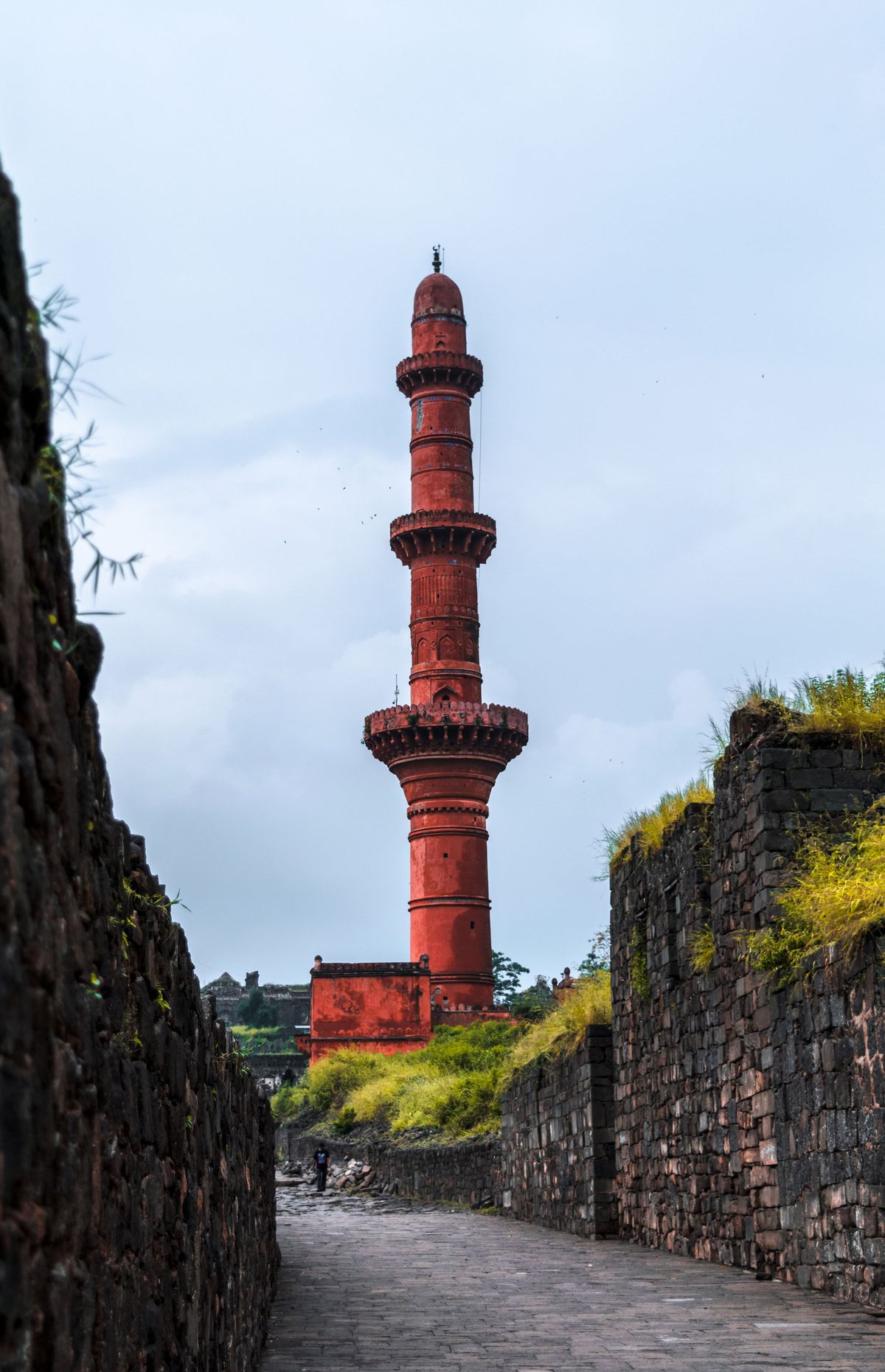
- Sightseeing Tours: ₹2,300 – ₹3,500/day for a dedicated AC sedan/SUV (often inclusive of tolls and parking) to cover monuments like Ellora and Daulatabad.
Food & Dining:
- Budget: ₹400 – ₹600/day (Local street food, thalis, and authentic dhabas).
- Dining Out: ₹1,000 – ₹1,500/day (Mid-range restaurants and cafes).
Activities & Entry Fees:
- Nominal: Many local sites have low entry fees (typically ₹30–₹60 for domestic visitors).
- Guided Tours: Factor in ₹500 – ₹1,000 if you hire a specialized heritage guide for the cave complexes.
Tips for Affordable Travel
- Book in Advance: Secure your accommodation early, especially during the peak winter tourist season (October to February), to avoid price hikes.
- Travel Off-Peak: Visiting during weekdays significantly reduces your travel cost for both lodging and cab rentals.
- Opt for Sightseeing Packages: Booking a pre-arranged daily sightseeing tour is often more cost-effective than hiring separate vehicles for each landmark.
- Prioritize Local Flavors: Eating at traditional local eateries not only lowers your daily expenses but also provides a more authentic experience compared to hotel dining.
- Note on Fees: Entry fees listed above are for domestic visitors. Foreign nationals are typically charged higher rates (e.g., ₹250–₹600 depending on the site). Prices and timings are subject to local government updates. For an effortless experience, you can book official entry tickets via the Archaeological Survey of India (ASI) website.
By tracking these estimated expenses, you can easily design a memorable trip that aligns perfectly with your financial goals.
Popular Activities
Video and Photo Gallery
Related Stories
Traveller Reviews
No reviews yet
Be the first to share your experience!