Introduction
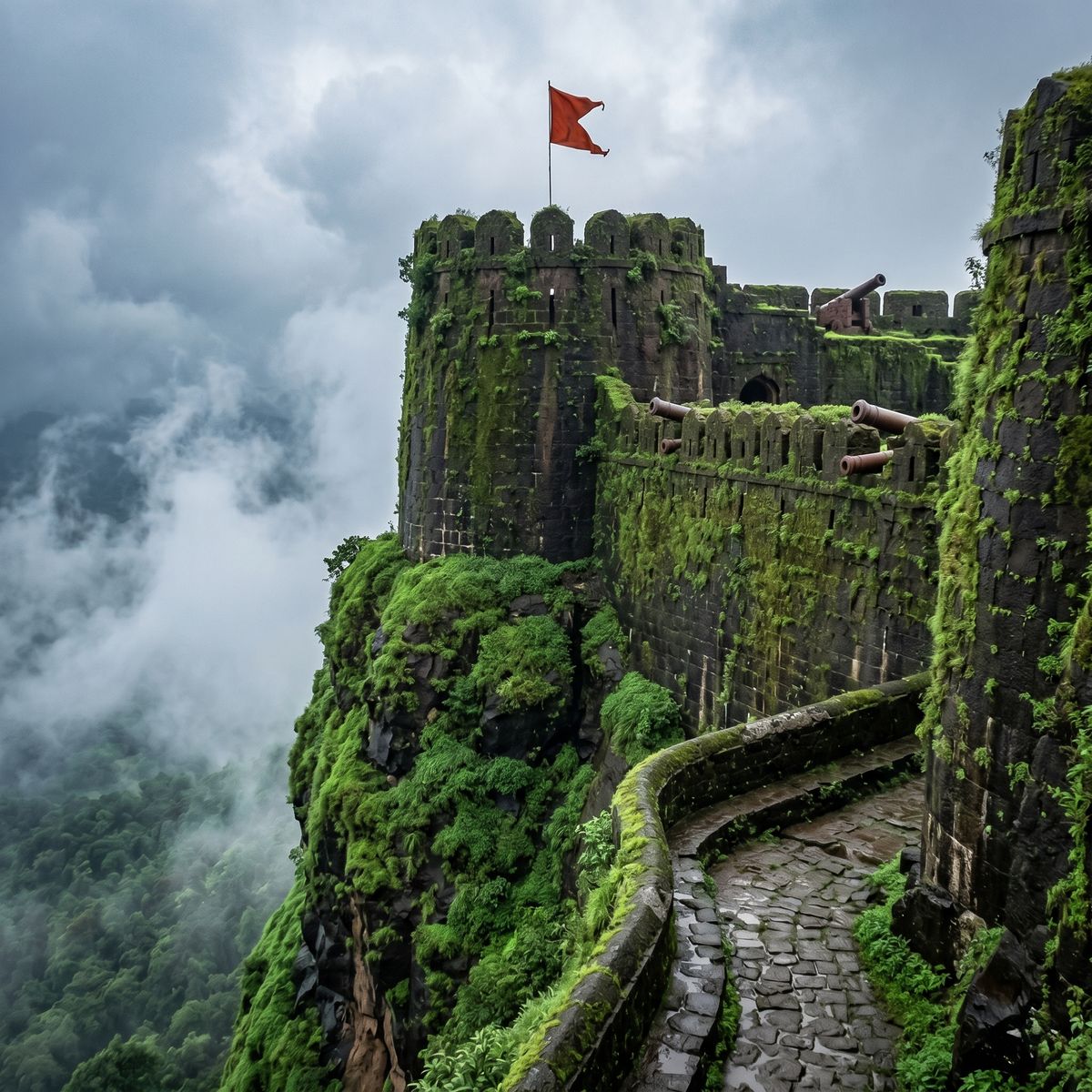
Dhodap Fort is a spectacular mountain fortress that stands as the second-highest fort peak in Maharashtra and the third-highest summit in the entire state. This massive historical landmark is located in the rugged Chandwad-Kalwan mountain range of the Nashik district, serving as an exceptional destination for seasoned backpackers and history enthusiasts. It is widely famous for its unique geological feature—a prominent, needle-like pointed rock cleft at the top—and for its beautifully carved arched stone gateways that showcase unparalleled medieval engineering.
Travelers make the journey to this towering peak to experience a deeply rewarding mix of historical exploration, intense physical endurance, and wild natural scenery. The site offers an immersive and demanding outdoor experience featuring giant rock-cut stairs, extensive cave complexes, rock-cut water cisterns, and hidden defensive bastions. It provides a perfect setting to study pristine architectural ruins, push your physical stamina on challenging vertical rock trails, and capture incredible panoramic photographs above the clouds.
History
The history of Dhodap Fort is deeply anchored in its role as a strategic commercial watchdog and an impregnable military strongpost in North Maharashtra. While the fort's foundational structures date back through early medieval regional dynasties, it grew into immense prominence under the rule of the Peshwas. Because of its massive elevation and highly secure plateau, the fort served as an essential treasury outpost and a secure military base camp for Maratha forces operating across the northern plains. During internal political disputes and regional conflicts, the fort often functioned as a safe sanctuary for royal families and state records.
In 1818, the fort witnessed major military actions when the British East India Company targeted the Chandwad range during the final stages of the Anglo-Maratha wars. British forces launched a heavy artillery bombardment, eventually taking control of the peak and systematically dismantling its active defense gates to prevent future uprisings. Today, the monument is heavily protected as a vital state heritage asset, drawing thousands of modern trekking enthusiasts every year. The local village youth at the base work in coordination with archaeological bodies to preserve the ancient cave inscriptions and structural ruins, ensuring this ultimate symbol of historical engineering continues to share its legacy with new generations.
Climate & Weather
To ensure a safe climb and fully enjoy the sprawling views of the northern valleys, aligning your trip with regional seasonal patterns is highly essential.
Summer
The summer season from March to May brings dry weather and rising temperatures across the Nashik district, causing conditions to turn intensely hot along the exposed rock trails. Climbing the steep steps during these months is physically draining due to the high heat and lack of natural shade. Except for extreme morning hikers, summer is generally a poor travel time for casual sightseeing.
Monsoon
The monsoon months from June to September represent a highly popular tourist season for adventure lovers who enjoy wet, green landscapes. Continuous seasonal rains transform the entire mountain mass into a vibrant paradise caked in dense fog and light mist, causing minor water streams to flow. Travelers must exercise extreme caution during this ideal season, as wet surfaces and high-velocity winds require strong footwear.
Winter
The winter travel season running from October to February is widely regarded as the absolute best time to visit for a fulfilling day trip. The weather in this post-monsoon period features crisp breezes, clear skies, and highly comfortable daytime temperatures that do not strain your physical endurance. It is the perfect window for outdoor exploration, clear historical photography, and safe camping on the mountain plateaus.
Transportation
Please select a transportation mode to view details
Facilities
As a developing heritage eco-site managed efficiently by the local village panchayat and forest committees, the facilities focus on providing necessary utilities while maintaining a clean environment.
- Rock-Cut Steps and Railings: The steepest and most vertical sections of the upper climbing route feature well-engineered rock steps and sturdy iron railings to improve visitor safety.
- Base Village Homestays: Dhodapwadi village at the base offers basic budget stay choices managed by local families, providing a place to rest and pre-order rustic home-cooked meals.
- Local Food Counters: Small makeshift village stalls operating near the parking area and lower plateau sell hot tea, packaged water, maggi, and traditional snacks.
- Designated Parking: Large open-ground parking fields managed directly by the local youth committee are available at the base village for a minor maintenance fee.
- Route Signages: Clear directional boards are placed at key junctions along the trail to guide visitors toward the main gates, ancient water tanks, and cave complexes without travel confusion.
Geographical Information
Dhodap Fort is positioned precisely within the Kalwan Taluka of the Nashik district, sitting comfortably on the high ridges of the Chandwad mountain range. It occupies a visually commanding geographical setting within the Northern Sahyadris, acting as a massive free-standing rock mass that looks over the northern agricultural plains of Maharashtra.
The local terrain is exceptionally dramatic, characterized by vertical volcanic basalt rock walls, sharp ridgelines, and vast tableland plateaus that rise to an official elevation of 4,751 feet above sea level. This high-altitude landscape features sparse deciduous vegetation on the upper slopes and semi-dense scrub forests around the lower valleys. Falling under a tropical monsoon climate region, the fort receives moderate to heavy seasonal rainfall that transforms the dry rock faces into a green sanctuary, feeding minor seasonal streams that run down toward the Girna River basin.
Culture & Local Lifestyles
The cultural identity of the communities living at the base of this massive fortress is a beautiful blend of traditional Maratha heritage and local tribal customs.
Traditions
The local culture is deeply anchored in a profound respect for the historical legacy of the Maratha Empire and regional hill deities. The residents treat the entire mountain as a sacred living monument, preserving oral folklore about the great historical treasure guardians and maintaining strict traditional codes to protect the purity of the mountain caves.
Festivals
Given the fort's immense historical and spiritual value, festivals like Shiv Jayanti and Dussehra are celebrated with immense community pride, drawing flag-bearing youths to the peak. Additionally, prominent regional Maharashtrian festivals like Diwali and Holi are celebrated with great joy, featuring vibrant folk songs, local dance performances, and community feasts that reflect an authentic cultural lifestyle.
Daily Life
Daily life for the residents of Dhodapwadi village revolves primarily around seasonal agriculture, with families cultivating onions, bajra, and local vegetables on the fertile plains surrounding the fort base. The steady rise of weekend heritage tourism has added a valuable secondary avenue to their routine. Local families regularly open home-cooked food stalls, act as trail guides, and share their rich heritage with urban travelers, displaying the unpretentious warmth of rural Maharashtra.
Food and Local Cuisine
An endurance trek up Maharashtra’s second-highest fort peak is highly incomplete without fueling your body on the intense, fire-roasted flavors of the North Nashik countryside. The crisp, clean mountain air pairs beautifully with the hot, spice-forward local food prepared using traditional wood-fired setups.
Famous Dishes
The regional kitchen specializes in authentic traditional cuisine that relies on fresh, whole grains and home-pounded spice blends. The absolute favorite among famous dishes is the iconic Khandeshi Shev Bhauji, a fiercely spiced curry made with a rich coconut-onion base and topped with crunchy chickpea noodles, eaten alongside rustic millet Bhakri. Another staple is the classic Maharashtrian Thali, which combines locally harvested bajra flatbreads, thick lentil dal, and an intensely fiery green chili condiment known as Thecha that instantly revives tired hikers.
Street Food
While the remote trails do not host standard street food stalls, the base village offers simple, freshly made quick snacks that serve as excellent fuel before a big climb. You can treat your senses to piping hot Kanda Bhajji (onion fritters) fried in large iron cauldrons and soft Batata Vadas served with garlic chutney. These fried bites are best enjoyed alongside locally grown sweet corn cobs roasted over open charcoal embers and a hot cup of ginger-infused Cutting Chai.
Restaurants/Cafes
You will not find modern commercial cafes near this protected heritage site, meaning the best food in the area is found directly at the village dhabas and family-run Khanavals at the trailhead. These humble, home-style eateries specialize in serving farm-to-table vegetarian and non-vegetarian meals cooked over wood fires, providing a wonderfully rustic experience that actively boosts regional food tourism.
Accommodation
Finding the best accommodation options near this high-altitude historical marvel requires looking slightly outside the immediate base village toward nearby town junctions and highway corridors. Because the fort stands in a rugged, less commercialized landscape, the regional hospitality market offers a practical mix of rustic village setups and comfortable urban transit bases.
Budget Hotels
Travelers seeking an affordable budget stay can explore a solid selection of clean, no-frills lodges and small transit hotels in the nearby highway towns of Chandwad and Deola. These properties focus heavily on core daily utilities, providing comfortable non-AC or AC rooms, attached bathrooms, and functional hot water systems, which are perfect for backpackers who want to minimize their lodging expenses.
Mid-range Hotels
For family road trippers who prefer a highly comfortable stay without an extravagant price tag, the main Mumbai-Agra highway (NH 60) corridor near Chandwad hosts excellent mid-range hotels in the area. These establishments feature spacious family suites, secure private parking lots, and attached restaurants serving multi-cuisine spreads, giving you great convenience after an active day of hiking.
Luxury Resorts
If you want to pair your physically demanding mountain climb with an indulgent, high-end vacation, you can book premium luxury resorts and boutique vineyard villas located along the scenic outskirts of Nashik city, located roughly an hour's drive away. These upscale properties feature relaxing spa facilities, infinity pools looking over misty valleys, and fine dining spaces, providing an ultra-comfortable retreat after an exhausting climb up the fort steps.
Homestays
To immerse yourself deeply in the regional culture, choosing rustic homestays directly in Dhodapwadi village at the base of the fort is highly recommended. These simple properties are managed by warm local families who offer neat bedding, basic amenities, and an unmissable opportunity to experience genuine rural hospitality while savoring authentic, wood-fired village meals.
Budget/Cost Estimation
Planning your trip budget effectively ensures a smooth and well-regulated expedition up Maharashtra’s second-highest fort peak because the destination is highly flexible and caters to different financial choices. An independent backpacker prioritizing affordable travel can comfortably manage on a total estimated cost of roughly ₹1,100 to ₹1,600 per day by utilizing public state transport buses and cozy village homestays. For food, travelers can expect to spend around ₹250 to ₹500 daily if they choose to relish authentic regional cuisine at rustic village khanavals and dhabas. For those coordinating a more comfortable weekend road trip with friends or family, using a private car for transport and staying at mid-range family hotels near Chandwad will bring the estimated travel cost closer to ₹3,500 to ₹5,500 per day. Essential activities like paying for vehicle parking slots or hiring an experienced village guide are very inexpensive, typically adding only about ₹50 to ₹500 to your total travel cost.
Entry Fees & Timings
- Attraction Name: Dhodap Fort Archaeological Heritage Zone.
- Opening Hours: The main mountain trail and ancient fort gates are open for visitors from 06:00 AM to 05:30 PM daily.
- Visiting Hours Note: Starting a descent past these official timings is highly discouraged due to a total lack of trail lighting and thick low-lying fog.
- Entry Fee: There is no official entry fee or individual ticket price charged by the state archaeological department to access the public fort ruins.
Vehicle Parking Ticket Price: The local village development committee manages an open parking ground near the trailhead that collects a nominal maintenance fee of ₹20 for two-wheelers and ₹50 for four-wheelers.
Frequently Asked Questions
Popular Activities
Related Stories
Traveller Reviews
No reviews yet
Be the first to share your experience!