Introduction
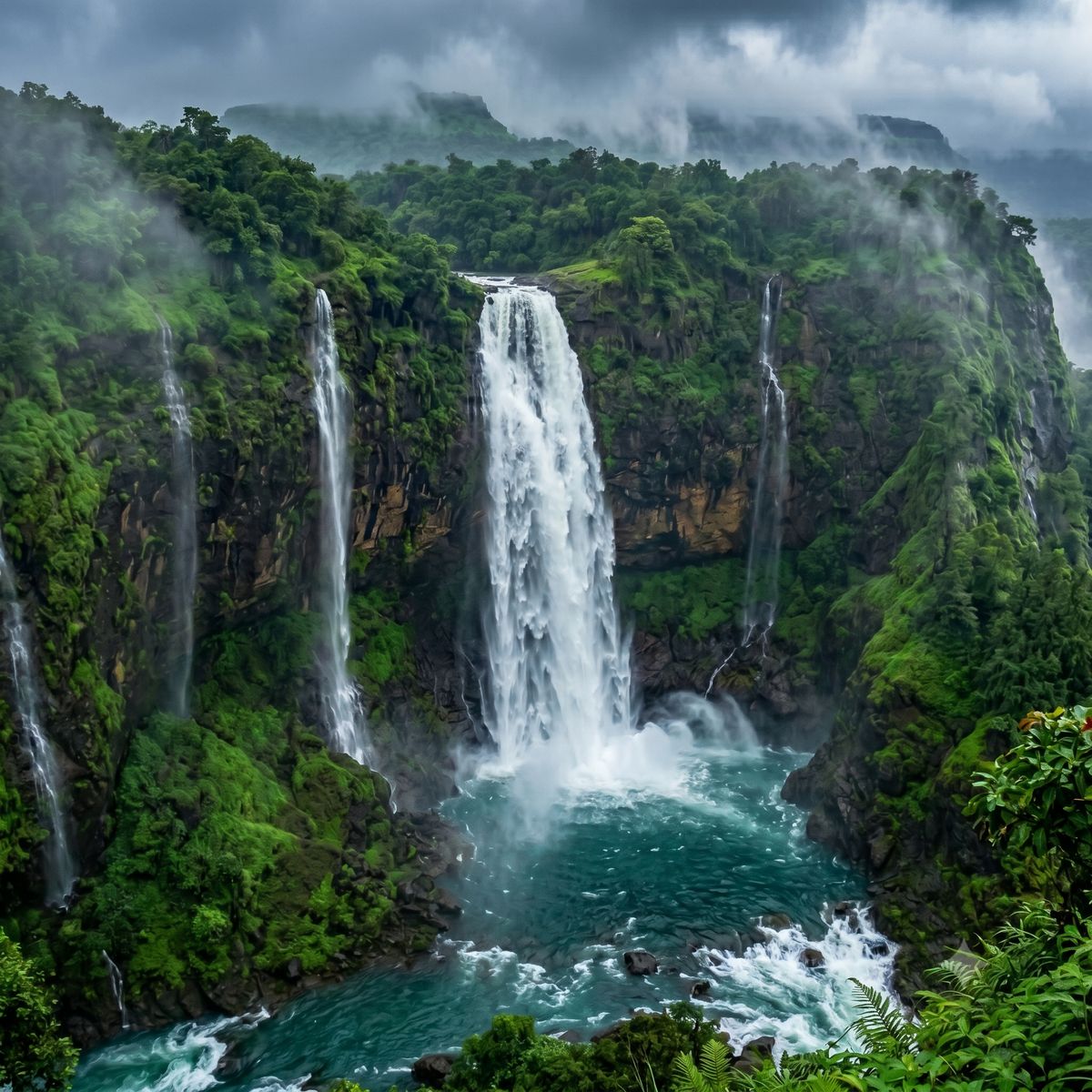
Kalsubai Waterfall is a magnificent seasonal cascade situated in the Sahyadri mountain range near the Nashik-Ahmednagar border, resting at the base of Maharashtra's highest peak. This pristine attraction draws adventure lovers and nature enthusiasts because of its dramatic drops, misty ambiance, and stunning location within a protected green reserve.
Visitors flock to this site to experience the thrill of natural pools, panoramic mountain vistas, and refreshing mist away from urban chaos. It offers an invigorating mix of raw adventure, serene relaxation, and rich biodiversity, making it a perfect weekend escape for trekkers and families alike.
History
The history of the Kalsubai Waterfall region is deeply intertwined with local folklore and tribal mythology rather than documented royal chronicles. According to long-standing regional legends, the mountain peak and its flowing waters are named after a young Koli tribal girl named Kalsu. Folk stories tell that Kalsu took up employment in a nearby village on the strict condition that she would not be forced to do menial chores like sweeping or washing pots. When a family member broke this promise during a domestic dispute, she immediately fled into the wilderness, climbed to the top of the mountain summit, and chose to live out her remaining days in spiritual devotion and healing.
The seasonal streams and cascading waterfalls that flow down the craggy rock faces are locally revered as a living blessing from her pure spirit. Over generations, the indigenous communities built a small temple dedicated to Goddess Kalsubai at the peak, cementing the area as a sacred pilgrimage site. Today, the water cascades continue to hold immense cultural pride for the villagers of Bari, who protect the surrounding forests as a sacred heritage zone while welcoming modern travelers with warm hospitality.
Climate & Weather
To get the most out of your trip, it is essential to align your travel plans with the seasonal rainfall patterns of the Western Ghats.
Summer
The summer season from March to May brings dry weather and rising temperatures across the terrain. During this period, the seasonal waterfall completely dries up, leaving behind empty rocky channels and arid landscapes. While the clear skies are popular for night trekking and stargazing, it is a poor travel time if your primary goal is to view the gushing waters.
Monsoon
The monsoon months from June to September represent the absolute peak tourist season for this destination. Heavy downpours transform the Sahyadri mountains into a vibrant green paradise, feeding the main water channels to create a roaring, voluminous cascade. The entire landscape becomes covered in heavy fog and rushing streams, offering the ideal season for a true monsoon travel experience.
Winter
The winter season between October and February features pleasant weather in the region, with cool breezes and comfortable daytime temperatures. The waterfall reduces to a calm, gentle stream during early winter before slowly tapering off by January. This is an ideal season for casual sightseeing, camping, and enjoying the lush, post-monsoon greenery without dealing with heavy rains.
Transportation
Please select a transportation mode to view details
Facilities
As the waterfall is situated inside the protected boundaries of the Kalsubai Harishchandragad Wildlife Sanctuary, commercial infrastructure directly at the falls remains basic and eco-centric.
- Local Food Stalls: Small makeshift stalls operated by villagers sell hot tea, snacks, maggi, and local Maharashtrian breakfast dishes at the base.
- Homestays: Bari village offers budget-friendly homestays and authentic rural meals hosted by local families.
- Parking Spaces: Designated, chargeable open-ground parking areas are available for two-wheelers and private cars near the main trekking gate.
- Tour Guides: Local youth offer experienced guiding services to help travelers safely navigate the slippery trails during heavy downpours.
- Restrooms: Basic public toilet facilities are available at the base village, though amenities become unavailable once you proceed past the trailhead.
Geographical Information
The waterfall is positioned in the northern part of the Western Ghats, a globally recognized biodiversity hotspot. It is specifically located near Bari Village in the Akole Taluka, sitting right on the border of the Nashik and Ahmednagar districts in Maharashtra.
The terrain consists of rugged Sahyadri basalt rock formations characterized by steep cliffs, sharp ridges, and deep valleys. The landscape is carpeted with moist deciduous forests and dense semi-evergreen vegetation that thrives on rich volcanic soils. This region falls under a tropical monsoon climate zone, receiving heavy seasonal rainfall that exceeds 3,000 mm annually. This immense water volume feeds the seasonal cascades, creating an intricate web of natural streams that drain into the nearby Pravara River and Arthur Lake basin.
Culture & Local Lifestyles
The local culture surrounding the destination is deeply rooted in the simple traditions of indigenous tribal communities like the Mahadeo Kolis.
Traditions
The villagers maintain a close spiritual connection with nature, viewing the mountains, forests, and water streams as sacred elements. Respecting the wilderness is a core part of their heritage, and traditional folklore is regularly passed down to younger generations to preserve their natural history.
Festivals
The Navratri festival stands as the most important annual celebration in this region. During these nine nights, thousands of tribal devotees from neighboring districts participate in a massive cultural pilgrimage to the summit temple. The atmosphere comes alive with traditional folk dances, community feasts, and ritualistic prayers.
Daily Life
Daily life in the base settlements revolves primarily around seasonal paddy farming, cattle rearing, and forest foraging. Over the last decade, ecotourism has become a vital secondary livelihood. The warm-hearted locals frequently open their homes to travelers, offering authentic cultural experiences through rural homestays and traditional wood-fired cuisine.
Food and Local Cuisine
Food & Local Cuisine
Exploring the scenic valleys around the Kalsubai range is incomplete without diving into the flavors of traditional cuisine. The region offers a heartwarming culinary journey shaped by rustic Maharashtrian farm culture and rugged mountain terrain.
Famous Dishes
The local food here is defined by authentic, wood-fired flavors that are both spicy and deeply comforting. The most iconic meal to try is the Pithla Bhakri, a thick, seasoned gram flour curry served with rustic, hand-patted millet flatbreads. Another staple is the Misal Pav, a fiery sprout curry topped with crunchy farsan, chopped onions, and fresh lime, eaten with soft bread rolls. For a wholesome lunch, the traditional Maharashtrian Thali serves up a hearty combination of local rice, dal, seasonal vegetable stir-fry, and Thecha—a pungent green chili and garlic condiment pounded with mortar and pestle.
Street Food
When it comes to street food, the refreshing climate makes hot, freshly fried snacks incredibly popular. You will find small stalls serving golden, crispy Kanda Bhajji (onion fritters) and steaming plates of Batata Vada along the trails. These are best paired with a cup of hot, ginger-infused Cutting Chai or smoked sweet corn roasted directly over charcoal embers.
Restaurants/Cafes
Because the waterfall sits in a protected ecotourism zone, you will not find high-end urban cafes here. Instead, the best food in the area is served by small, family-run eateries known as Khanavals and village dhabas in Bari and Bhandardara. These humble spots specialize in home-cooked meals, utilizing fresh, organic ingredients sourced straight from local farms to give travelers an authentic taste of rural hospitality.
Accommodation
Finding the best accommodation near the waterfall depends heavily on whether you seek raw, back-to-nature experiences or full-service comfort.
Budget Hotels
For travelers seeking an affordable stay, nearby transit towns like Ghoti and Igatpuri host several basic lodges and budget hotels. These properties provide simple, clean rooms, attached bathrooms, and fundamental amenities perfect for backpackers who just need a comfortable bed to crash after a long day of hiking.
Mid-range Hotels
Excellent mid-range options are located around the scenic Lake Arthur basin and Bhandardara dam region. These properties offer comfortable AC and non-AC rooms, on-site multi-cuisine restaurants, and beautiful views of the surrounding hills, making them a great fit for families and mid-budget road trippers.
Luxury Resorts
If you want to pamper yourself, the wider Igatpuri and Bhandardara area features premium luxury resorts and boutique wellness villas. These upscale properties offer expansive swimming pools, rejuvenating spa centers, fine dining options, and private balconies overlooking misty valleys, ensuring an indulgent holiday experience.
Homestays
To truly immerse yourself in the local culture, booking local homestays in Bari village is highly recommended. These simple, eco-friendly stays are managed directly by village families, providing clean bedding, shared or private basic amenities, and an unmissable chance to enjoy authentic hospitality right at the base of the trailhead.
Budget/Cost Estimation
Planning your trip budget effectively ensures a smooth and stress-free escape to the hills because this destination is highly versatile and accommodates both ultra-frugal backpackers and premium travelers. A budget traveler utilizing public trains and cozy village homestays can comfortably manage on an estimated travel cost of ₹1,000 to ₹1,500 per day. For food, you can expect to spend around ₹200 to ₹400 daily if you enjoy traditional cuisine at local village dhabas. If you prefer a more comfortable vacation, choosing mid-range or luxury resorts along with private car transport will push your expenses between ₹3,500 and ₹6,000 per day. Adventure activities and local guide services are very affordable, typically requiring just an additional ₹50 to ₹500 depending on your itinerary.
Entry Fees & Timings
- Attraction Name: Kalsubai Harishchandragad Wildlife Sanctuary Eco-Zone
- Visiting Hours: The official entry gate remains open for travelers from 06:00 AM to 05:00 PM daily.
- Entry Fee: Individual visitors must pay a nominal eco-ticket price of ₹30 to ₹50 per person at the forest department checkpost.
- Vehicle Parking Ticket Price: The designated village parking ground charges a small fee of ₹20 for two-wheelers and ₹50 for four-wheelers.
Frequently Asked Questions
Popular Activities
Related Stories
Traveller Reviews
No reviews yet
Be the first to share your experience!