Introduction
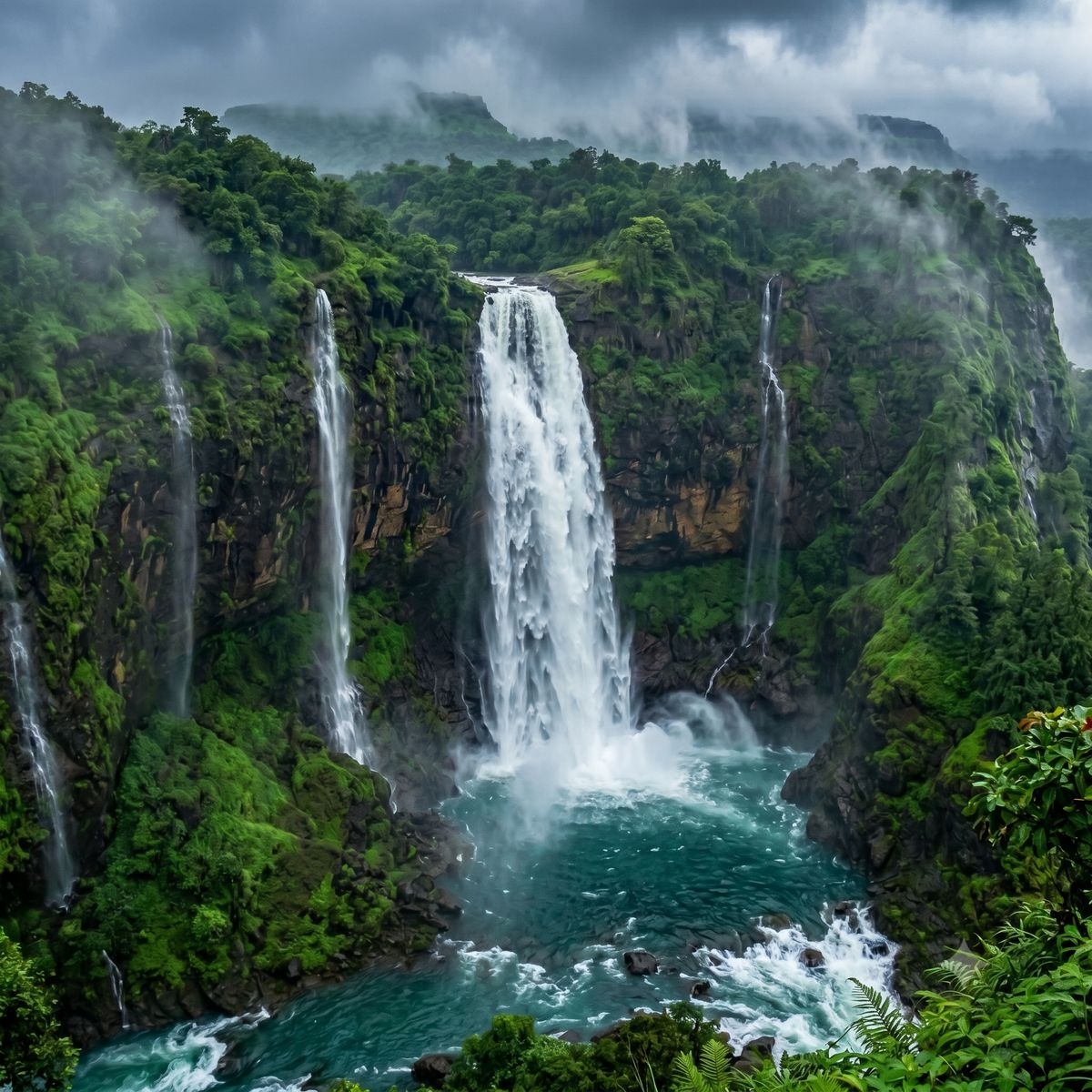
Standing as a brilliant marvel of late-19th-century engineering, Tansa Dam is a massive, historic gravity dam situated in the Shahapur region of the Thane district. It is highly famous across Maharashtra for creating the spectacular Tansa Lake, which serves as one of the primary lifelines supplying clean drinking water to Mumbai. Surrounded by the dense, protected forests of the Tansa Wildlife Sanctuary, this monumental structure has become a beloved monsoon destination for travelers who want to witness the sheer power of roaring lake overflows.
Visiting the dam area offers an exhilarating, refreshing day-trip experience that beautifully blends industrial heritage with scenic wilderness. During the heavy rainy season, the main highlight is watching the water rush dramatically over the dam's massive wall, creating a spectacular, misty atmosphere perfect for photography. It is an ideal spot for road-trippers and nature enthusiasts who want to walk along scenic viewpoints, breathe fresh forest air, and experience the beautiful contrast of historic stone architecture set against a thriving jungle backdrop.
History
The history of Tansa Dam is a fascinating tale of colonial-era engineering designed to solve a major crisis. In the late 19th century, Mumbai was expanding at a rapid pace. The city’s existing reservoirs, Vihar and Tulsi, simply could not keep up with the soaring water demands of a booming population. To prevent a severe water shortage, British engineers set out to find a massive, permanent freshwater source deep in the Western Ghats.
In 1885, British engineer Captain William Tulloch identified the remote Tansa Valley, located roughly 55 miles north of the city, as the perfect site for an massive impounding reservoir.
A Monumental Construction
Work officially began in January 1886. Contractors deployed a temporary 4.5-mile narrow-gauge railway line just to transport heavy construction materials like stone and cement through the dense, rugged jungles.
Overcoming the challenging, malaria-prone forested terrain of Shahapur, thousands of local laborers worked tirelessly for six years. Built using stone masonry, the dam was completed in 1892. At the time of its grand opening by the Marquis of Lansdowne, it stood proud as one of the largest masonry dams in the world.
To keep up with Mumbai's growth, the dam's height was raised in 1925, and automated floodgates were added in 1948. Today, this century-old structure stands strong as a beautiful testament to historic craftsmanship and a vital lifeline for millions.
Climate & Weather
Picking the right months to visit Tansa Dam completely changes your experience. Tucked inside a lush wildlife sanctuary, this historic spot transitions from a quiet, serene reservoir to a roaring, dramatic landscape depending on the season.
Here is what you can expect throughout the year to help you find the ideal season for your road trip.
Monsoon (June to September)
The rainy season is the absolute best time to visit Tansa Dam. As heavy downpours fill the reservoir, the surrounding sanctuary turns into a vibrant, misty green paradise. This is the peak tourist season when travelers arrive to witness the spectacular lake overflow. For anyone planning monsoon travel, July and August offer the ultimate experience, complete with cool breezes and roaring water views.
Winter (October to February)
Once the heavy rains retreat, the weather in Tansa turns incredibly pleasant, crisp, and cool. While the dramatic water overflow stops, the lake remains completely full, calm, and glassy. This window is perfect for lakeside camping, peaceful afternoon picnics, and catching stunning sunsets. It is a fantastic choice for those who prefer quiet nature exploration without the muddy trails.
Summer (March to May)
Summer is generally considered a bad travel period for this destination. The intense heat causes the water levels to drop significantly, exposing dry, cracked banks. The surrounding forest loses its green canopy, leaving the trails hot, dry, and dusty. Unless you specifically want to see the old, submerged ruins that emerge when water levels drop, it is best to skip these months.
Transportation
Please select a transportation mode to view details
Facilities
Because Tansa Dam is located inside the protected ecosystem of the Tansa Wildlife Sanctuary, it functions strictly as a raw, non-commercialized eco-tourism destination. To protect the surrounding forest and the pristine quality of Mumbai’s drinking water, the forest department maintains the area as a minimal-footprint zone. You will not find modern tourist plazas, luxury facilities, or concrete changing rooms near the water.
Forest Entry & Parking
The local forest department manages a secure check-post at the entrance of the sanctuary corridor. Visitors can safely park their private cars and two-wheelers in a designated open-ground parking lot right near the main dam viewpoint. There is a nominal vehicle entry fee collected by the forest guards, which directly supports local wildlife conservation and clean trail maintenance.
Basic Refreshments
There are no major restaurants, commercial cafes, or modern food courts near the reservoir. However, local villagers set up small, welcoming stalls along the approach road and parking zone, especially during high-traffic monsoon weekends. They serve up comforting road-trip classics like hot cutting chai, freshly roasted sweet corn (bhutta), crispy Kanda Bhajis, and steaming Maggi. For a proper sit-down lunch thali, you will need to take a quick 15-minute drive back to the dhabas lining the Mumbai-Nashik Highway (NH 3).
🎒 Sanctuary Rules to Follow: Because the area is a vital water source and wildlife habitat, plastic littering and open alcohol consumption are strictly banned. Make sure to bring a small trash bag to carry your wrappers back to the highway. Additionally, carry physical cash for food stalls, as cellular network connectivity drops significantly once you drive deep into the forest.
Geographical Information
Tansa Dam is situated approximately 90 kilometers northeast of Mumbai, located in the Shahapur taluka of the Thane district in Maharashtra. This massive engineering structure is perfectly placed across the path of the seasonal Tansa River. Nestled on the outer edges of the Mumbai Metropolitan Region, the dam acts as a geographical centerpiece inside the sprawling, protected eco-zone of the Tansa Wildlife Sanctuary, making it a highly accessible getaway from neighboring urban hubs.
The surrounding terrain is defined by the rugged, undulating landscapes of the northern Western Ghats, featuring rolling foothills and thick, tree-covered valleys belonging to the Sahyadri Mountain Range. This natural, bowl-like landscape forms an incredible catchment basin that efficiently gathers rainfall from the surrounding hills. Falling into a classic tropical monsoon climate zone, the region enjoys a dramatic weather shift each year. While the landscape stays warm and relatively dry through the spring, the heavy southwest monsoons bring massive downpours that completely saturate the forest floor and trigger spectacular lake overflows.
This short Tansa River video overview provides a visual perspective on how the river system and its historic masonry infrastructure integrate with the surrounding Virar and Thane landscapes.
Culture & Local Lifestyles
While travelers often view Tansa Dam as a picturesque engineering marvel, the surrounding Shahapur forested region thrives with its own deep-rooted indigenous community identity. The area is interwoven with quaint tribal hamlets where local populations live in perfect harmony with the Tansa Wildlife Sanctuary.
Traditions
The vibrant backbone of the region belongs to the traditions of the Warli and Katkari tribal communities. For generations, these groups have coexisted with the dense Sahyadri forests, treating the flora and fauna as sacred entities. Their unique relationship with nature is famously depicted through internationally recognized Warli painting styles—a rustic, beautiful art form using white pigment and basic geometric structures to tell timeless stories of forest life, community hunting, and natural spirits.
Festivals
The calm, quiet lakeside atmosphere bursts into life during grand regional festivals. The grand celebration of Ganesh Chaturthi and the glowing night markets of Diwali turn nearby village squares into lively centers of folk music, traditional dances, and community gatherings. During the monsoon, the local populations celebrate Gatari Amavasya with special traditional feasts, sharing their joy for the heavy downpours that bring life back to their farmlands and fill the massive reservoir.
Daily Life
Away from the weekend tourist rush, the local lifestyle follows a slow, peaceful agricultural rhythm. Most villagers rely on traditional monsoon paddy cultivation and eco-tourism assistance for their livelihood. Travelers looking for deep, memorable cultural experiences can slow down to engage with trailside farmers or local guides. Striking up a conversation while sampling fresh wild berries or sipping homemade lemongrass tea offers an authentic, human look into a beautifully sustainable forest lifestyle.
Food and Local Cuisine
Visiting Tansa Dam is as much about satisfying your tastebuds as it is about exploring nature. Because the reservoir sits tucked inside a protected forest sanctuary, the surrounding area offers a wonderful mix of rustic tribal flavors and buzzing highway dining culture that makes a trip here a treat for food lovers.
Famous Dishes
The regional food experience revolves heavily around hearty, rural Maharashtrian cuisine. The star of the region is Pithla Bhakri—a thick, intensely flavorful gram flour curry served with piping hot rice or millet flatbreads. For non-vegetarians, the highway dhabas in the surrounding Shahapur taluka serve up incredibly authentic Gavran Chicken Thali and slow-cooked spicy mutton curries. These dishes are cooked with a distinct, heavily roasted local spice blend known as Kanda Lasun Masala, offering a rich and punchy kick.
Street Food
While exploring the dam viewpoint or driving along the approach trails, you will encounter local villagers setting up basic wood-fired stalls. The street food scene here is wonderfully simple and comforting. Trekkers can fuel up on classic road-trip favorites like crispy Kanda Bhajis (onion fritters) served straight out of the boiling oil, classic Vada Pav, and freshly roasted sweet corn (bhutta) rubbed with lemon and black salt. These treats are best enjoyed with hot, steaming cutting chai infused with fresh wild lemongrass.
Restaurants & Cafes
For a proper sit-down family lunch or dinner, you will need to head a few minutes out to the Mumbai-Nashik Highway (NH 3) stretch near Atgaon and Asangaon. This corridor features some of the best food in the area, hosting iconic open-air garden spots and family dhabas like Sai Ved Dhaba, Patiala Dhaba, and popular vegetarian chains like Vithal Kamat. These lively spots specialize in massive North Indian tandoori platters, rich Punjabi gravies, and comforting South Indian fast food, offering the perfect energetic environment to relax after a long day of exploring the reservoir.
Accommodation
Finding the best accommodation near Tansa Dam requires strategic planning along the Mumbai-Nashik Highway (NH 3) or within the central Shahapur hub. Because the reservoir sits inside the protected Tungareshwar and Tansa forest corridors, building modern hotels directly along the waterline is strictly prohibited. However, the surrounding valley features fantastic lodging options with great location convenience, allowing you to easily split your time between rugged jungle trails and a comfortable room.
Homestays
For travelers seeking a quiet, humanized nature escape, rustic homestays and cozy farm villas are scattered across the green fields of Shahapur and Atgaon. These properties offer a deeply relaxing atmosphere, often featuring private lawns, outdoor plunge pools, and authentic, farm-to-table local Maharashtrian meals. It is a fantastic option for family road-trippers and friend groups wanting to unplug together in a peaceful, natural environment.
Budget Hotels
Backpackers and solo travelers looking for a simple budget stay will find highly practical options near the Asangaon and Atgaon railway stations. Booking an affordable lodge in these transit zones gives you access to essential facilities like clean bedding, attached bathrooms, and secure parking. Staying here keeps your travel costs exceptionally low while keeping you incredibly close to the highway transport links.
Mid-Range Hotels
The bustling commercial highway corridors lining NH 3 feature excellent mid-range options and family-oriented lodges. These reliable hotels in Shahapur offer fantastic value for money, providing modern amenities like dependable air conditioning, reliable room service, and excellent on-site multi-cuisine restaurants. They serve as a highly convenient base camp for families who want zero-fuss comfort after a long day of outdoor sightseeing.
Luxury Resorts
If you want to transform your reservoir trip into an premium weekend staycation, the nearby Igatpuri and Shahapur hills host several beautiful luxury resorts and hillside wellness retreats. These higher-end properties feature massive infinity pools overlooking the mountains, top-tier spas, and expansive villa suites. Booking a room here gives you premium comfort, making it the perfect way to pamper yourself after hiking through the wilderness.
Budget/Cost Estimation
Planning a road trip to Tansa Dam is incredibly gentle on your wallet, making it an excellent option for weekend budget travel near Mumbai. Because the reservoir sits inside a protected forest sanctuary rather than a commercialized tourist hub, your overall trip budget stays minimal, depending entirely on how you choose to travel, dine, and stay.
To assist with your financial planning and overall trip preparation, here is a transparent comparison of different estimated expenses you can expect, organized in a clear, point-by-point format:
- Transport Costs
- Budget / Backpacking: ₹100 – ₹250 per person when utilizing the Central Line suburban local trains to Atgaon station paired with shared local auto-rickshaws or jeeps.
- Mid-Range / Family: ₹800 – ₹1,500 to cover fuel and highway toll charges for a private hatchback, sedan, or SUV driving from Mumbai or Thane.
- Premium / Staycation: ₹2,000 – ₹3,500 for a comfortable, air-conditioned outstation app-cab ride or a private car rental.
- Food & Dining
- Budget / Backpacking: ₹150 – ₹300 for satisfying post-hike cravings with monsoon street food like hot Vada Pav, crispy onion Bhajis, and cutting chai at the trail stalls.
- Mid-Range / Family: ₹400 – ₹800 for enjoying authentic Maharashtrian thalis or North Indian meals at popular open-air highway dhabas around Shahapur.
- Premium / Staycation: ₹900 – ₹1,800 per person for ordering multi-cuisine dinners or tandoori platters at premium garden restaurants along the highway.
- Stay & Lodging
- Budget / Backpacking & Mid-Range: ₹0, as the vast majority of visitors prefer a single-day return journey, eliminating accommodation costs entirely.
- Premium / Staycation: ₹3,000 – ₹6,000 per night for booking a comfortable overnight room, farm villa, or a relaxed weekend resort stay along the highway or in the Igatpuri foothills.
- Activities & Entry Fees
- Budget / Backpacking: Entirely free access to the scenic walking trails, dam viewpoints, and lakeside open spaces.
- Mid-Range & Premium: ₹50 – ₹100 for the official forest department vehicle entry and standard parking spaces collected at the sanctuary check-post.
Key Takeaways for Financial Planning
- Highly Affordable Travel: If you stick to the local train network and shared public transit, your round-trip travel cost from Mumbai can easily be managed for less than ₹300 per person.
- No Premium Activity Charges: Unlike commercial theme parks, walking along the dam viewpoints and birdwatching in the sanctuary costs absolutely nothing.
- Carry Physical Cash: Because mobile network signals drop significantly once you drive deep into the forest sanctuary, digital UPI payments are highly unreliable. Always carry cash for food stalls and parking fees.
Popular Activities
Related Stories
Traveller Reviews
No reviews yet
Be the first to share your experience!