Introduction
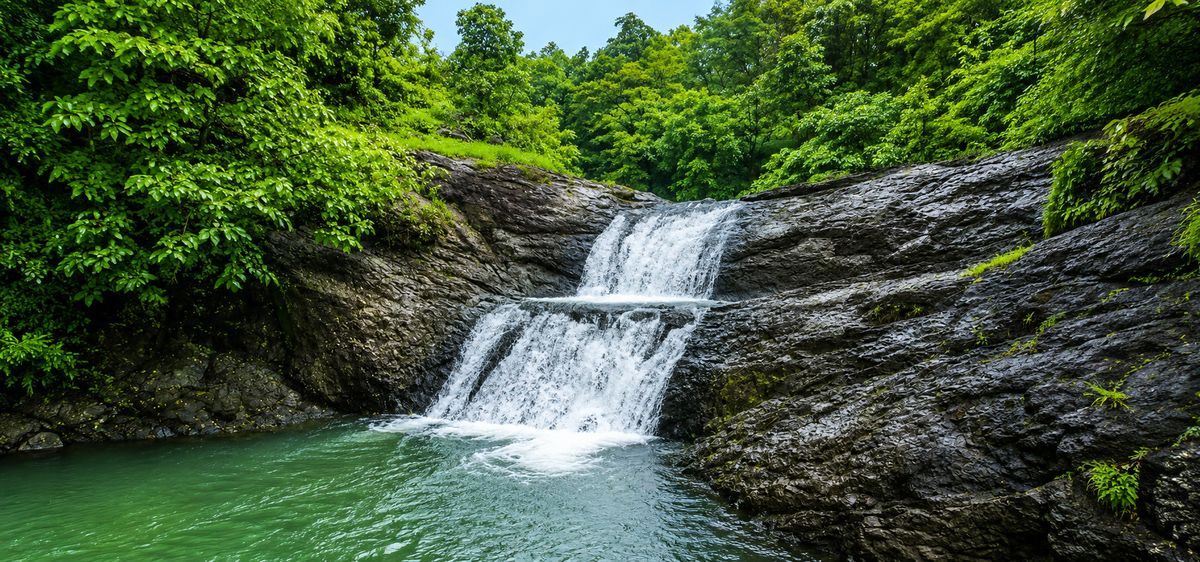
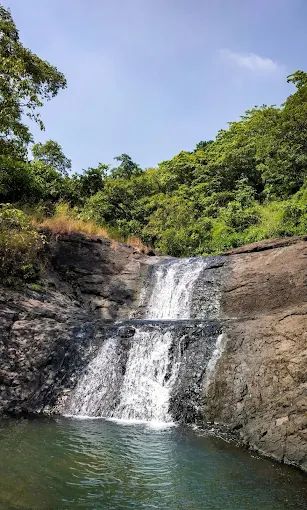
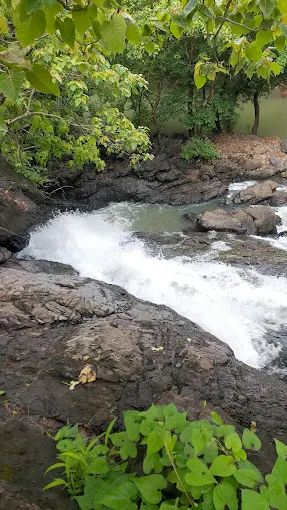
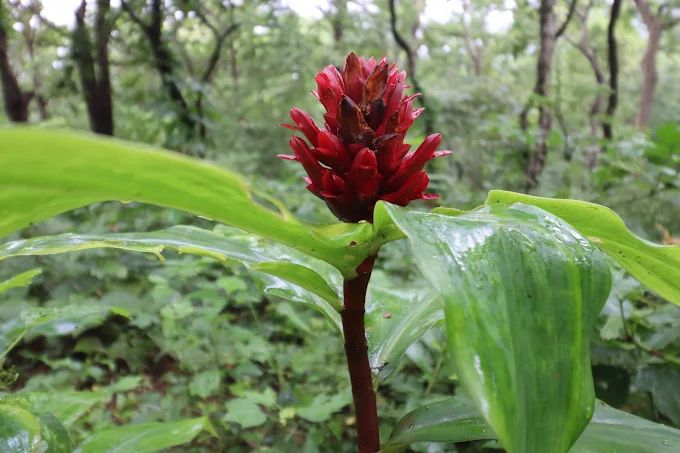
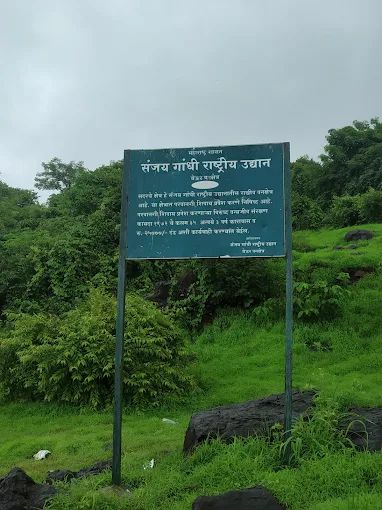
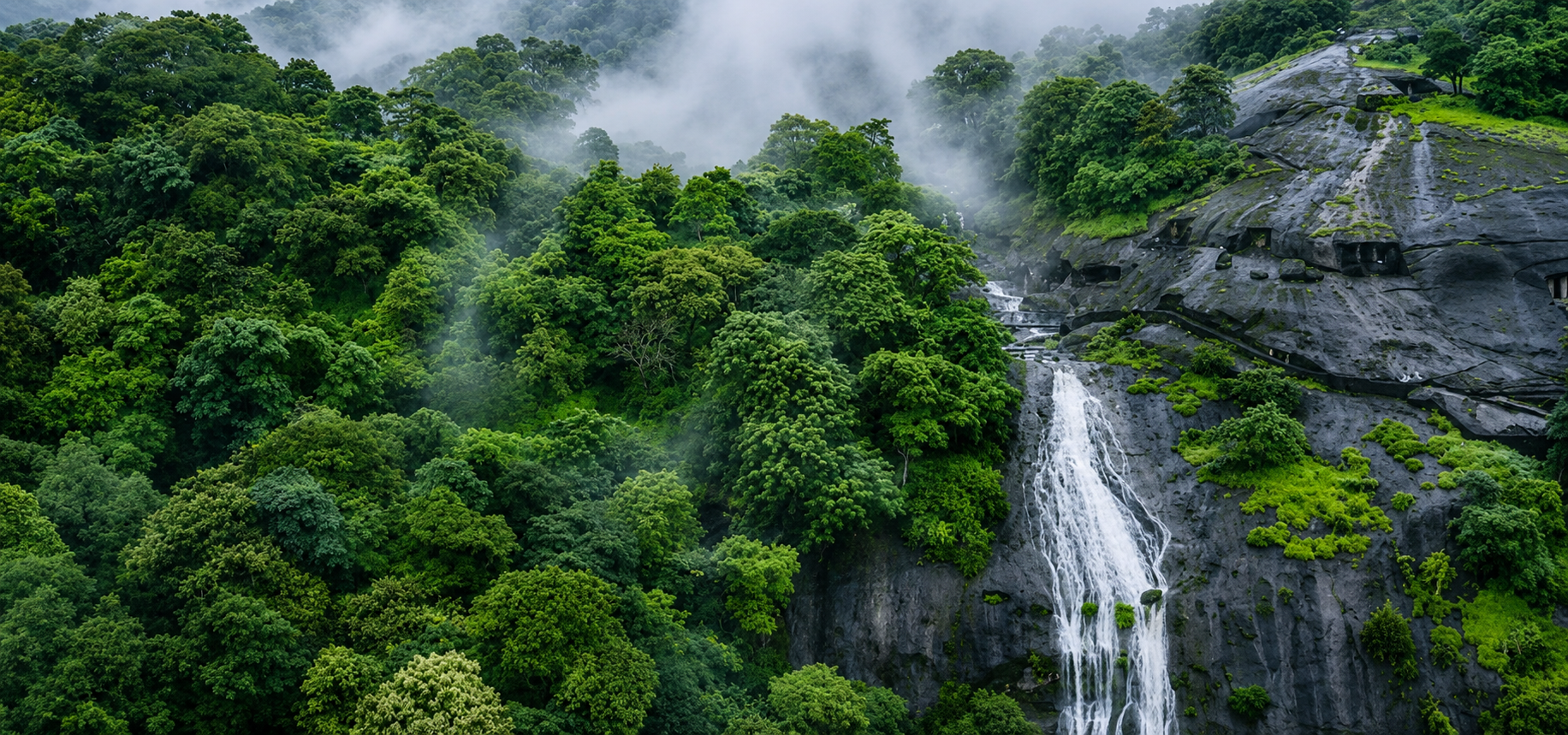
Hidden away inside the northern boundaries of the Sanjay Gandhi National Park, Yeoor Waterfall is a seasonal natural stream located in the serene Yeoor Hills of Thane. It is immensely famous among urban travelers as Mumbai’s favorite backyard forest escape. The spot offers a quick, refreshing nature fix without the need for a long highway drive. Because it is surrounded by a dense, protected wildlife canopy, this hidden gem serves as an active sanctuary for vibrant bird species, butterflies, and rich monsoon foliage right on the edge of the concrete jungle.
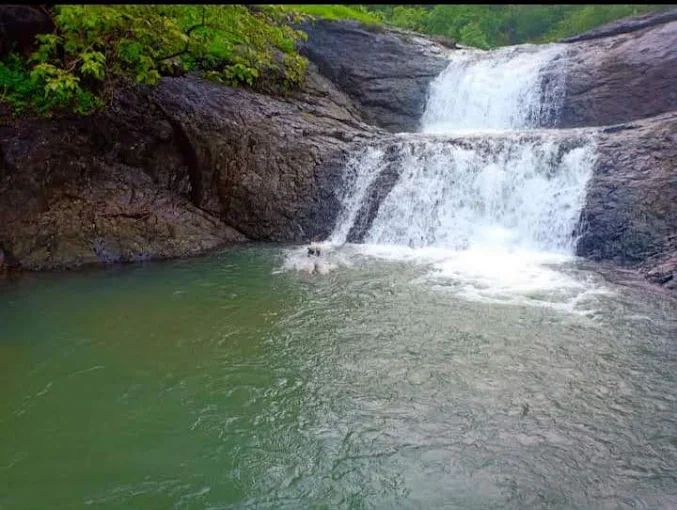
Visiting this spot offers a wonderfully energetic yet peaceful day-trip experience that feels like stepping into a different world. The main highlight is the refreshing trek through rain-soaked woodland pathways to reach the crisp, cascading stream pools. It is an ideal getaway for morning joggers, college groups, and photography enthusiasts who want to breathe pure forest air, listen to the soothing sounds of rushing water, and unplug in a beautiful wilderness setting just minutes from the city.
History
The history of Yeoor Waterfall is deeply intertwined with the ancient, sprawling wilderness of the Sanjay Gandhi National Park. Long before Thane transformed into a bustling, modern tech and residential hub, these hills belonged entirely to nature and the Warli and Katkari tribal communities. For centuries, the seasonal streams and cascading waterfalls of Yeoor served as a vital, life-giving water source for the six indigenous Adivasi villages nestled quietly within these forests.
Unlike massive concrete reservoirs, Yeoor Waterfall carries a history shaped by ecological preservation rather than heavy industrial engineering. During the late 20th century, as urban development began rapidly surrounding the foothills, environmentalists and the forest department recognized the urgent need to protect this pristine ecosystem. The waterfall and its surrounding woodlands were officially integrated into the national park's protected buffer zone.
A Protected Urban Sanctuary
To prevent ecological damage, strict rules were established. The forest department closely monitors the entry gates, banning overnight vehicular access and plastic littering to preserve the natural lifecycle of the seasonal monsoon streams.
Over the last few decades, Yeoor evolved naturally from a hidden, local tribal secret into a highly celebrated eco-tourism destination. Today, it stands as a beautiful testament to successful environmental conservation—a historic slice of untamed, ancient jungle that continues to offer fresh air, pure water, and a green escape for generations of city dwellers.
Climate & Weather
Timing your trip to Yeoor Waterfall makes all the difference, as this seasonal gem relies entirely on natural rainfall. Hidden within a protected forest buffer, the stream completely transforms depending on the time of year, making it essential to choose the ideal season for your nature hike.
Monsoon (June to September)
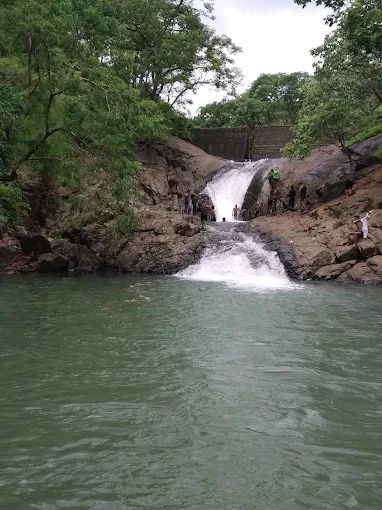
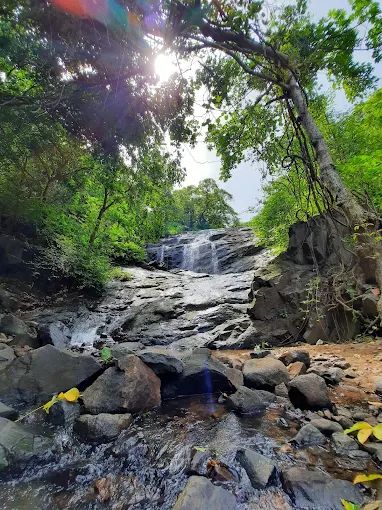
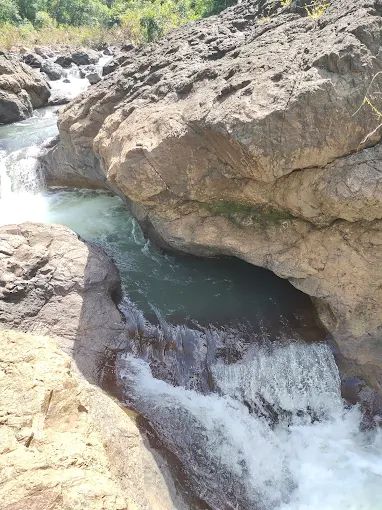
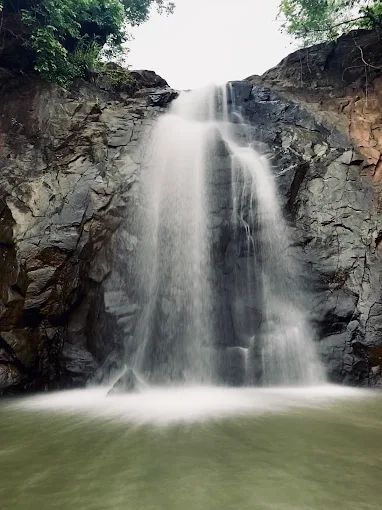
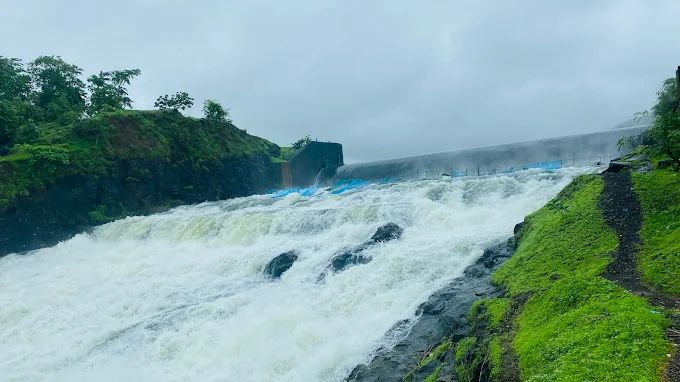
The rainy season is the absolute best time to visit Yeoor Waterfall. The peak tourist season kicks off in July and August when heavy downpours wake up the dormant streams. The entire forest turns a deep, vibrant green, and the air smells incredibly fresh. For anyone planning monsoon travel, this is when you will experience the waterfall at its roaring, misty best.
Winter (October to February)
As the rains recede, the weather in Yeoor Waterfall turns pleasantly cool, crisp, and comfortable. While the main cascading waterfall dries up shortly after September, the forest trails remain lush and beautiful. This is an excellent period for peaceful early morning jungle walks, birdwatching expeditions, and photography without navigating muddy, slippery paths.
Summer (March to May)
Summer is considered a bad travel window if you are hoping to see rushing water. The intense heat completely dries up the forest streams, leaving the waterfall rockface bare and dusty. The trails become uncomfortably hot and humid, making it a poor choice for outdoor trekking.
Transportation
Please select a transportation mode to view details
Facilities
Because Yeoor Waterfall is located inside the highly protected buffer zone of the Sanjay Gandhi National Park, it operates strictly as a raw, eco-conscious wilderness zone. To preserve the wildlife habitat and protect the natural forest streams from urban pollution, the forest department maintains a minimal-footprint policy. You won't find commercial plazas or concrete changing rooms near the stream pools.
Entry Check-post & Secure Parking
The local forest department manages an official entry check-post at the base of the Yeoor Hills corridor. Visitors can safely park their private cars and two-wheelers in designated parking zones near the hilltop village or close to Upvan Lake before beginning their hike. There is a nominal vehicle entry fee collected by the forest guards, which directly funds jungle trail maintenance and wildlife conservation efforts.
Local Eateries & Refreshments
To keep the forest trash-free, major restaurants, cafes, and commercial fast-food joints are strictly banned right next to the water channel. However, the nearby Yeoor village area and the approach roads host a fantastic variety of local spots. You can fuel your trek at small, welcoming village stalls serving road-trip favorites like hot cutting chai, freshly roasted sweet corn (bhutta), and piping hot Kanda Bhajis. For a full sit-down meal, the hilltop features popular rustic dhabas and garden restaurants that specialize in authentic, spicy Maharashtrian cuisine.
🎒 Essential Eco-Rules: To safeguard local wildlife, plastic littering, open cooking, and alcohol consumption are completely banned within the waterfall zone. Make sure to pack your trash out with you. Additionally, cell phone network coverage can be spotty near the stream beds, so carrying physical cash for local tea stalls is highly recommended.
Geographical Information
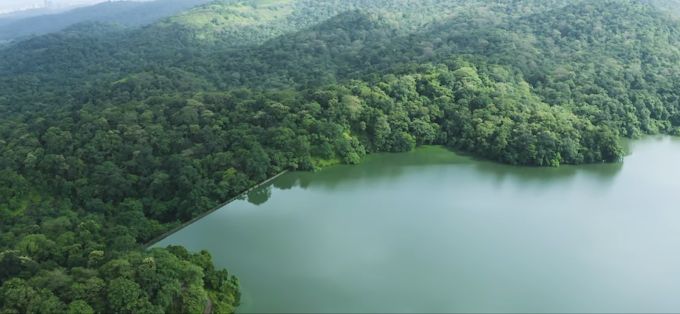
Yeoor Waterfall is located within the lush, protected boundaries of the Yeoor Hills in Thane West, Maharashtra. This seasonal cascade serves as the northeastern gateway to the sprawling Sanjay Gandhi National Park. Tucked right on the edge of the Mumbai Metropolitan Region, the waterfall sits securely inside an eco-sensitive forest zone, bordered closely by iconic local landmarks like the scenic Upvan Lake and the towering Mama Bhanje hills.
The local terrain is characterized by the rugged, undulating topography of the Western Ghats foothills, featuring a network of laterite plateaus, deep valleys, and weathered volcanic basalt rock beds. This unique landscape creates a natural drainage network where several seasonal streams gather to feed the waterfall. Falling into a distinct tropical monsoon climate zone, the region experiences mild, dry winters and high-humidity summers. However, it is the dramatic southwest monsoons that completely redefine the geography here, dumping heavy rainfall that instantly replenishes the forest soil and transforms the dry rock faces into a rushing, white water stream.
Culture & Local Lifestyles
While urban trekkers view Yeoor Waterfall as a quick weekend escape, these rain-soaked hills shelter a rich, centuries-old indigenous identity. The forests around the stream are home to traditional Adivasi hamlets, primarily belonging to the Warli and Katkari tribal communities, who have coexisted with the local ecosystem since long before the city of Thane developed around them.
Traditions
The heart of Yeoor’s local culture lies in its ancient relationship with nature. The Warli residents are world-famous for their geometric, rustic wall art, which captures stories of forest wildlife, community dances, and deep gratitude for natural resources. For generations, these communities have practiced sustainable forest harvesting, preserving native plants like amla and wild berries, and passing down ancient folk healing techniques that treat the surrounding jungle canopy as a sacred provider.
Festivals
The peaceful rhythm of the hills shifts dramatically during regional festivals. The harvest festival of Bhandara and the grand celebrations of Ganesh Chaturthi bring the tribal hamlets to life with traditional folk songs and rhythmic Tarpa dances. During the monsoon, as the waterfall begins to roar, locals celebrate Gatari Amavasya with special village feasts, honoring the heavy rains that bring prosperity to their forest home and rejuvenate the farmlands.
Daily Life
Just a few kilometers away from Thane's bustling traffic, the local lifestyle follows a slow, nature-aligned agricultural routine. Most villagers engage in small-scale, rain-fed rice farming, cattle rearing, and eco-tourism guiding. Travelers seeking authentic cultural experiences can explore the winding trails responsibly, pausing to appreciate traditional wood-fired cooking in the villages or purchasing hand-woven items. It offers a grounded look at how an ancient culture gracefully preserves its soul right next to a modern metropolis.
Food and Local Cuisine
A refreshing hike up to Yeoor Waterfall is incomplete without exploring the vibrant, green-canopied culinary landscape that defines the hills. Because the waterfall sits directly within an ecological buffer zone next to Thane, the culinary scene beautifully bridges two distinct worlds: rustic, comforting forest snacks and bustling, jungle-themed highway dhabas that elevate the entire trekking experience.
Famous Dishes
The traditional cuisine of the hills relies on slow-cooked, rich flavors. The most celebrated local dish to seek out after your trek is Kombdi Vade—an authentic Maharashtrian specialty featuring a fiery, aromatic chicken curry served alongside fluffy, deep-fried multigrain puris. For vegetarian food lovers, nothing beats a hot plate of spicy Misal Pav or a traditional rustic thali featuring Pithla Bhakri (a comforting gram flour curry paired with hand-patted flatbreads), heavily seasoned with roasted garlic and regional masalas.
Street Food
As you navigate the walking trails near the waterfall or cool down by Upvan Lake, the local street food stalls offer instant comfort. The damp monsoon air is perfect for enjoying road-trip classics like crispy Kanda Bhajis (onion fritters) served straight out of the hot frying oil and iconic Mumbai Vada Pav. Pair these with a freshly roasted sweet corn cob (bhutta) rubbed down with lemon and chili, and wash it all down with a hot glass of ginger-infused cutting chai.
Restaurants & Cafes
When it is time for a proper, sit-down family meal, the hilltop road of Yeoor hosts some of the best food in Thane. The area is famous for its massive, open-air garden restaurants and lively spots like Sai Dhaba, City Forestt, and The Bombay Dhaba. These leafy retreats excel at serving smoky tandoori platters, rich North Indian gravies, and fresh seafood. They offer a wonderfully relaxed, nature-filled vibe to unwind with friends after a long day of exploring the waterfall trails.
Accommodation
Finding the best accommodation near Yeoor Waterfall is uniquely convenient. Because these misty cascades sit directly in the hills of Thane West, you don’t have to drive deep into remote corners of Maharashtra for a peaceful overnight stay. The area offers incredible location convenience, letting you trek through the rain-soaked forest trails by day and head back to a comfortable room by evening.
Whether you are planning a rapid weekend staycation or a family gathering, you can align your booking decisions with several straightforward budget tiers:
Homestays
For a cozy, humanized nature escape, booking local homestays or private farm villas hidden directly inside the Yeoor patches is an incredible choice. These properties usually offer private lawns, small plunge pools, and authentic, home-cooked Maharashtrian meals. It is a fantastic option for family road-trippers and friend groups who want to socialise and unwind together in a leafy, secluded setting.
Budget Hotels
Backpackers and solo trekkers looking for a simple, practical budget stay can explore comfortable guesthouses and transit lodges closer to Pokhran Road and the Ghodbunder corridors. Booking a spot here gives you easy access to essential facilities like clean bedding, functional bathrooms, and secure two-wheeler parking, keeping your overall travel costs remarkably low.
Mid-Range Hotels
The bustling corporate and retail hubs lining Thane West feature highly reliable, family-oriented properties. These hotels in Thane offer immense value for money, providing modern amenities like predictable air conditioning, prompt room service, and great multi-cuisine menu options. Choosing a mid-range hub keeps you just a 15-minute drive from the main forest check-post.
Luxury Resorts
If you want to turn your waterfall trek into a premium weekend holiday, the foothills and surrounding lakeside pockets host gorgeous luxury resorts and premium boutique hotels. These higher-end properties feature beautiful rooftop pools, wellness spas, and large suites looking out over the misty national park canopy. It is the perfect way to pamper yourself with top-tier hospitality after a muddy jungle hike.
Budget/Cost Estimation
Planning a weekend getaway to Yeoor Waterfall is incredibly easy on the wallet, making it one of the most popular choices for budget travel right on the edge of Mumbai. Because this seasonal stream sits within a protected forest zone rather than a commercialized amusement park, your travel cost remains highly flexible and affordable.
To assist with your financial planning and overall trip preparation, here is a transparent comparison of your estimated expenses organized in a clear, point-by-point format:
- Transport Costs
- Budget / Backpacker: ₹50 – ₹150 per person when taking a Central Line suburban local train to Thane station paired with a local city TMT bus or shared auto-rickshaw.
- Mid-Range / Family: ₹400 – ₹800 to cover fuel and standard highway tolls for a private hatchback, sedan, or two-wheeler.
- Premium / Staycation: ₹1,200 – ₹2,500 for a comfortable, air-conditioned outstation app-cab ride or private car rental from Mumbai or Navi Mumbai.
- Food & Dining
- Budget / Backpacker: ₹100 – ₹250 for satisfying post-hike cravings with monsoon street food like hot Vada Pav, crispy Kanda Bhajis, and cutting chai at the trailhead stalls.
- Mid-Range / Family: ₹350 – ₹700 for enjoying authentic Maharashtrian thalis, spicy Misal Pav, or North Indian meals at popular open-air highway dhabas around the hills.
- Premium / Staycation: ₹800 – ₹1,800 per person for ordering multi-cuisine dinners or tandoori platters at premium jungle-themed garden restaurants on the hilltop.
- Stay & Lodging
- Budget / Backpacker & Mid-Range: ₹0, as the vast majority of visitors prefer a single-day return journey, eliminating accommodation costs entirely.
- Premium / Staycation: ₹3,500 – ₹7,000 per night for booking a comfortable overnight room, private farm villa, or a relaxed weekend resort stay nestled in the forest.
- Activities & Entry Fees
- Budget / Backpacker: Entirely free access to the scenic walking trails, stream viewpoints, and lakeside open spaces near Upvan Lake.
- Mid-Range & Premium: ₹50 – ₹100 for the official forest department vehicle entry and standard parking spaces collected at the main hill check-post.
Key Takeaways for Financial Planning
- Highly Affordable Travel: If you stick to the local train network and shared public transit, your round-trip trip budget from Mumbai can easily be managed for less than ₹250 per person.
- No Premium Activity Charges: Unlike commercial theme parks, walking along the green forest paths and cooling off by the seasonal stream pools costs absolutely nothing.
- Carry Physical Cash: Because mobile network signals drop significantly once you trek deep into the forest canopy, digital UPI payments can be highly unreliable. Always carry cash for local village stalls and parking fees.
Frequently Asked Questions
Popular Activities
Video and Photo Gallery



Related Stories
Traveller Reviews
No reviews yet
Be the first to share your experience!