Introduction
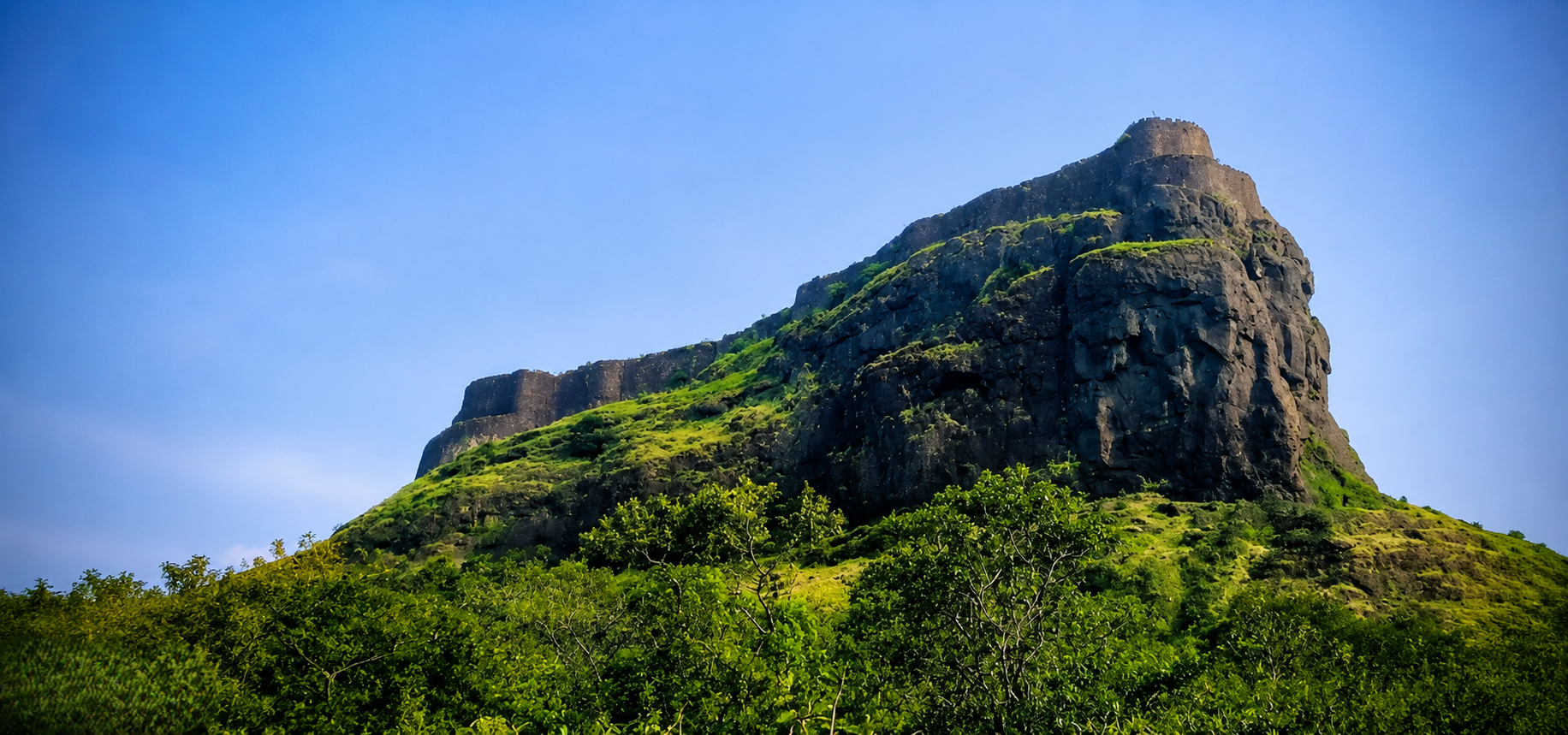
Rajmachi Fort is a historic hill fort nestled in the Sahyadri Mountains (Western Ghats) of Maharashtra, situated between Lonavala and Karjat. Renowned for its scenic beauty, rich history, and thrilling trekking routes, Rajmachi is one of the most popular trekking destinations near Mumbai and Pune.
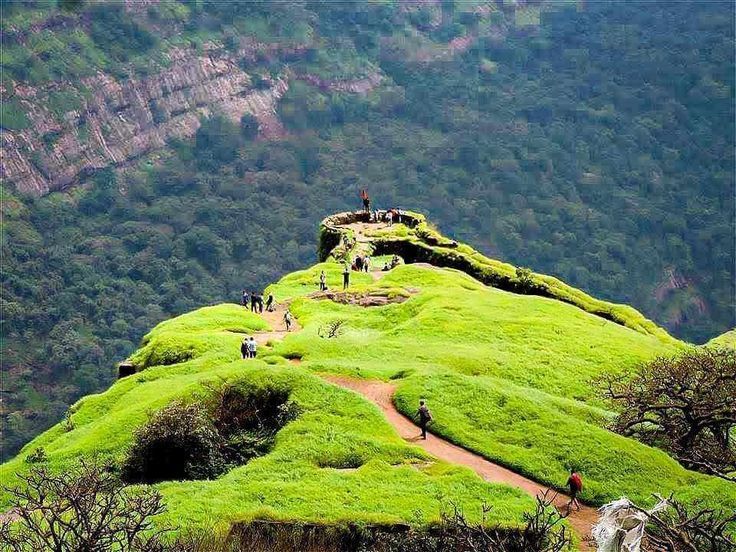
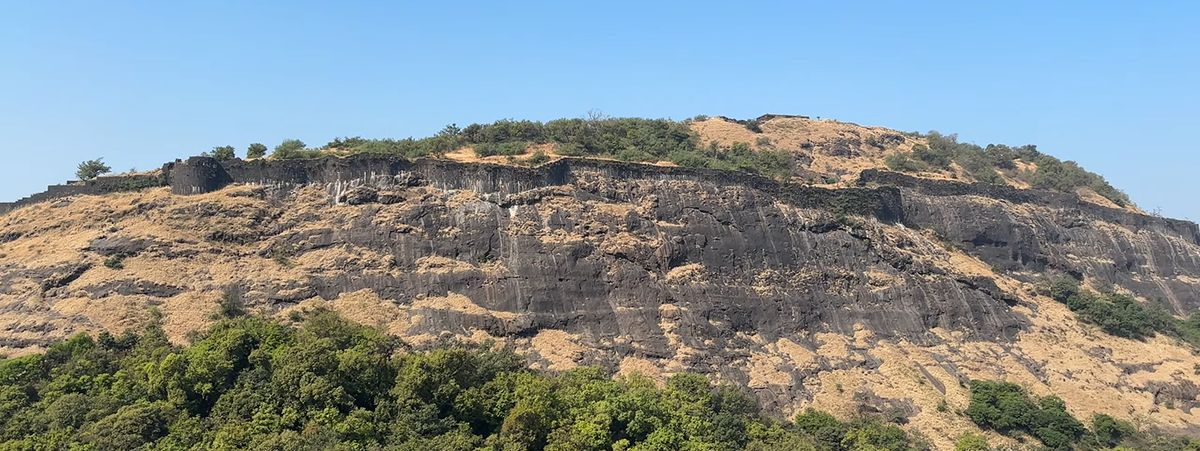
The fort complex consists of two fortified peaks, Shrivardhan Fort and Manaranjan Fort, which once played an important role in controlling trade routes connecting the Deccan Plateau with the Konkan coast. Over the centuries, the fort came under the rule of several dynasties, including the Marathas, and remains an important symbol of Maharashtra's historical heritage.
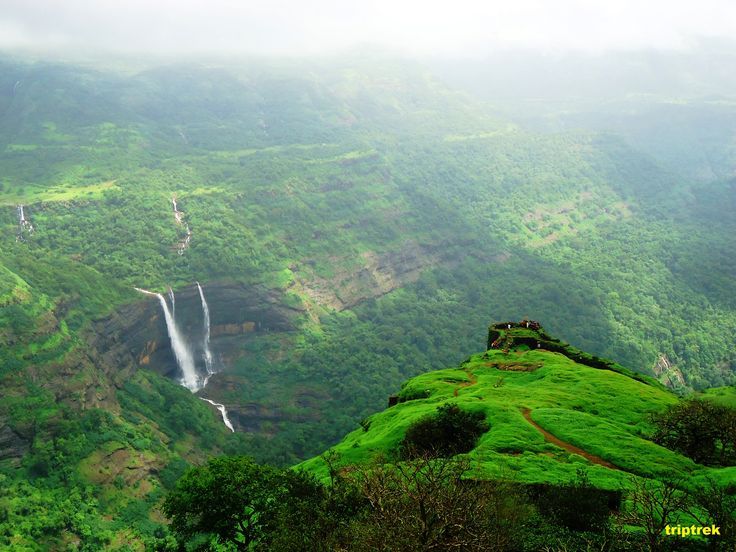
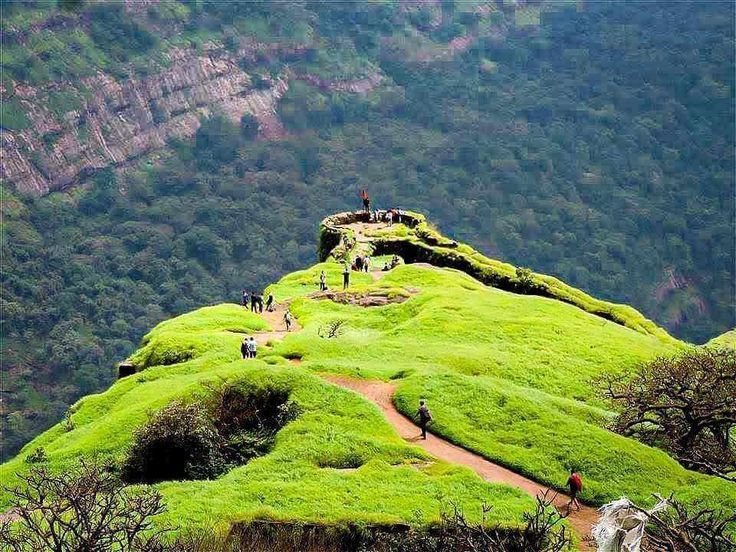
Surrounded by lush forests, waterfalls, and rolling hills, Rajmachi attracts nature lovers, adventure enthusiasts, photographers, and history buffs throughout the year. The nearby village of Udhewadi adds to the charm of the destination by offering visitors a glimpse into traditional rural life in the Western Ghats.
Whether visited during the misty monsoon season, the pleasant winter months, or as part of a weekend trekking adventure, Rajmachi Fort offers a perfect blend of history, nature, and outdoor exploration. Its panoramic views, ancient architecture, and tranquil surroundings make it one of the most rewarding fort experiences in Maharashtra.
History
Rajmachi Fort has a rich history that dates back several centuries. Strategically located in the Sahyadri Mountains, the fort served as an important military outpost controlling the ancient trade routes between the Deccan Plateau and the Konkan coast. Its location made it a key defensive structure for various ruling dynasties that governed western India.
Early History
The origins of Rajmachi Fort are believed to trace back to the period of the Satavahanas and later regional dynasties that ruled the Deccan. Due to its strategic position overlooking the Bor Ghat trade route, the fort gained importance as a watchtower and military stronghold.
Maratha Era
Rajmachi Fort became particularly significant during the rise of the Maratha Empire under Chhatrapati Shivaji Maharaj in the 17th century. Recognizing its strategic value, Shivaji Maharaj brought the fort under Maratha control and strengthened its defenses. The fort helped monitor movements through the Western Ghats and protected important trade and communication routes.
The fort complex consists of two citadels:
- Shrivardhan Fort – the higher and more prominent fortification.
- Manaranjan Fort – a secondary defensive stronghold overlooking the surrounding valleys.
Peshwa and British Period
Following the expansion of Maratha power, Rajmachi remained an important military post during the Peshwa era. However, its strategic importance gradually declined with changes in warfare and transportation.
During the Third Anglo-Maratha War, the British captured Rajmachi Fort along with many other Maratha strongholds in 1818. After British control was established, the fort lost its military significance and eventually fell into disuse.
Historical Significance Today
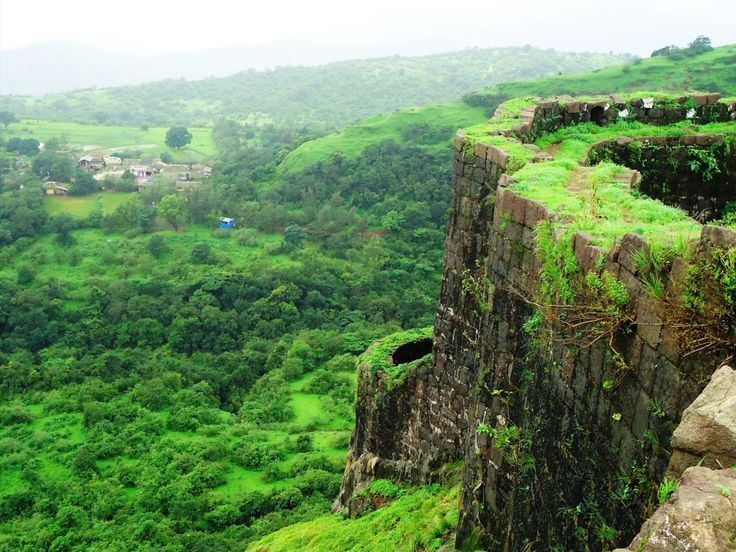
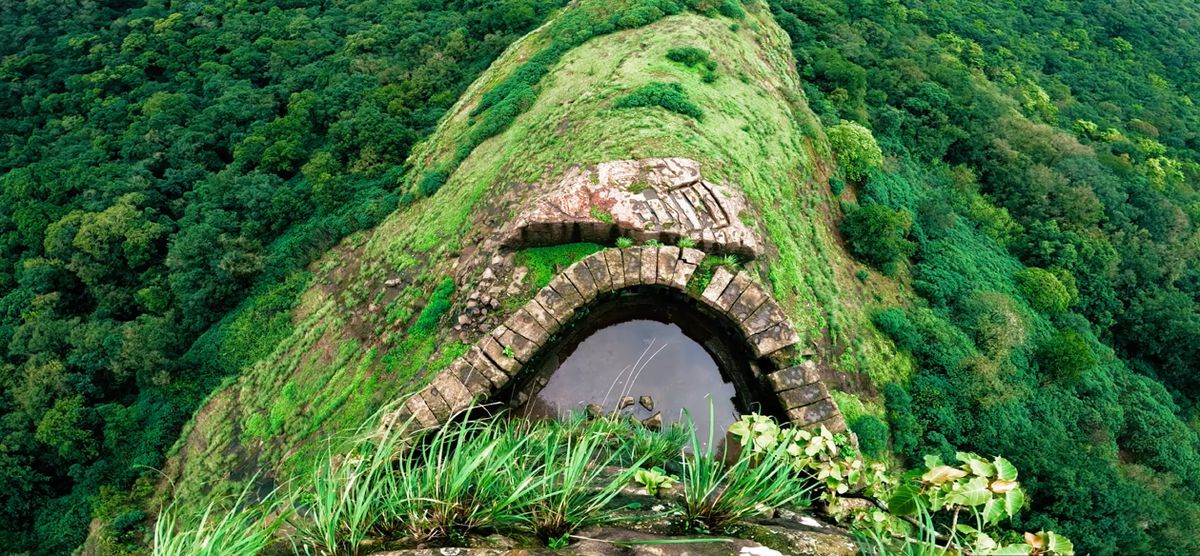
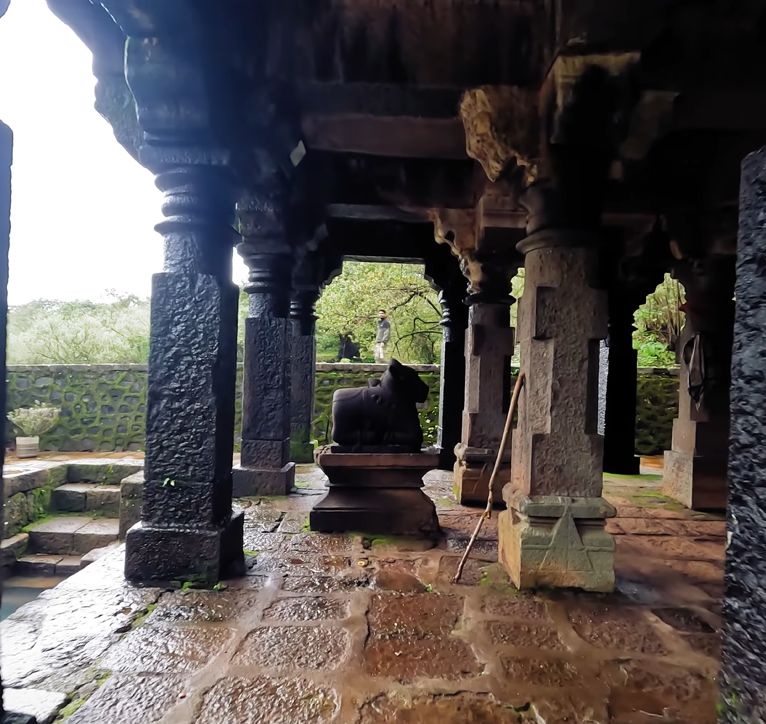
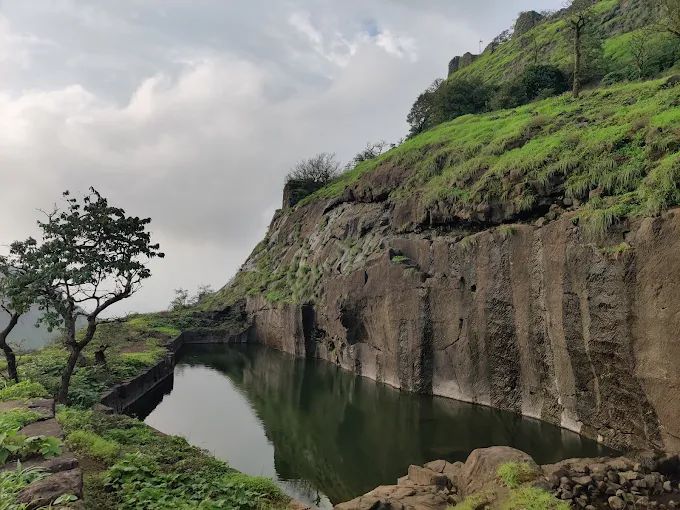
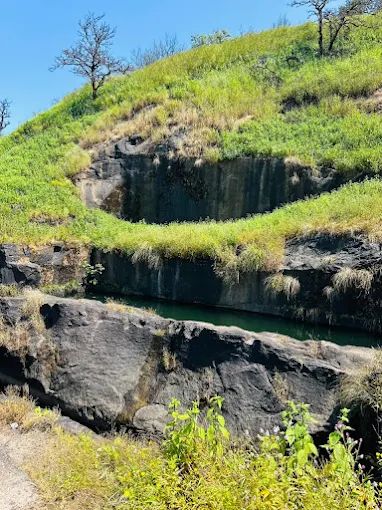
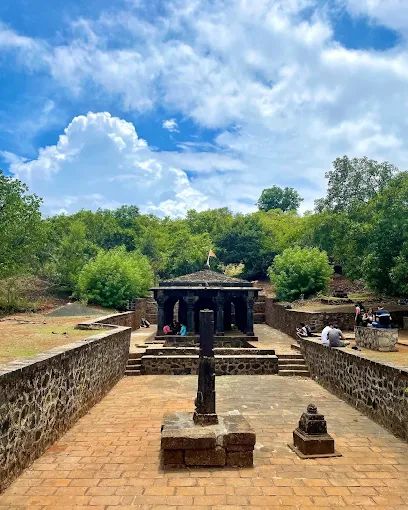
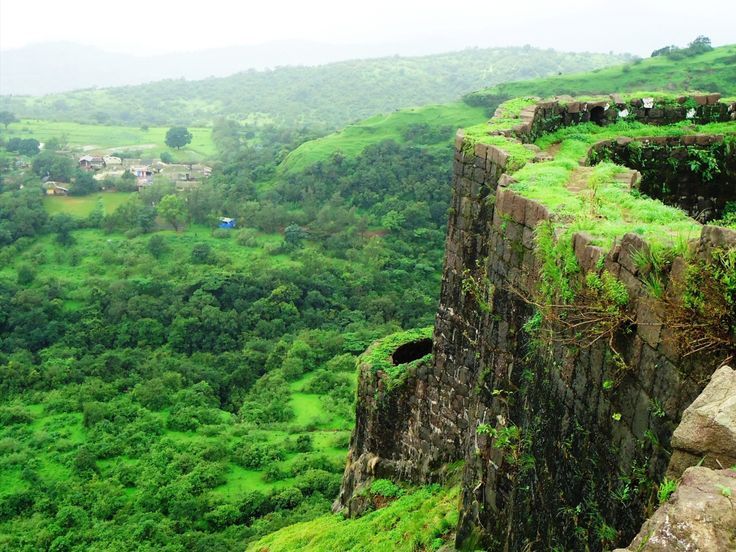
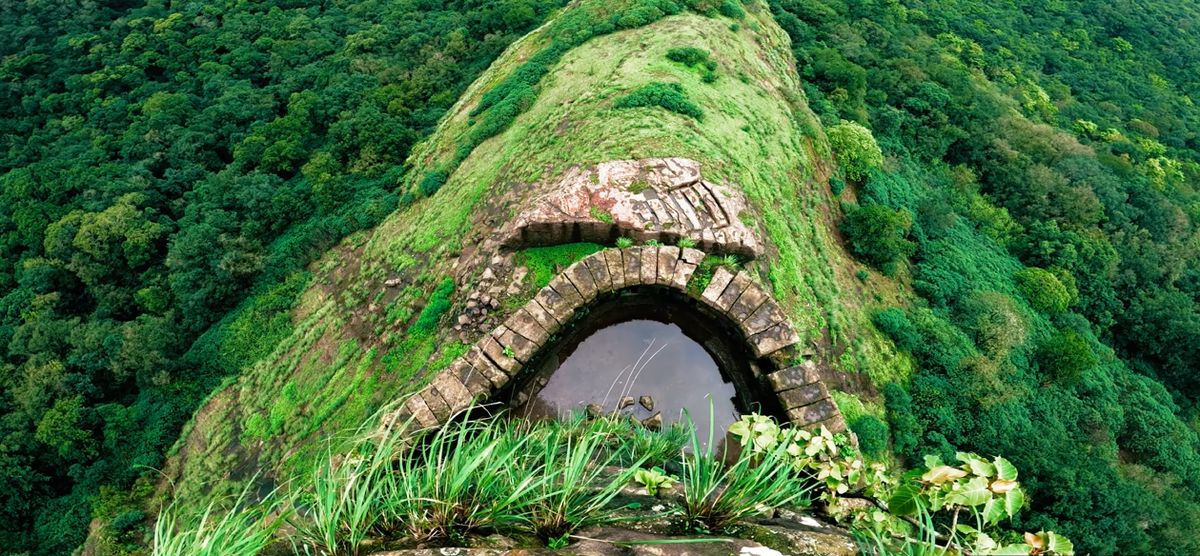
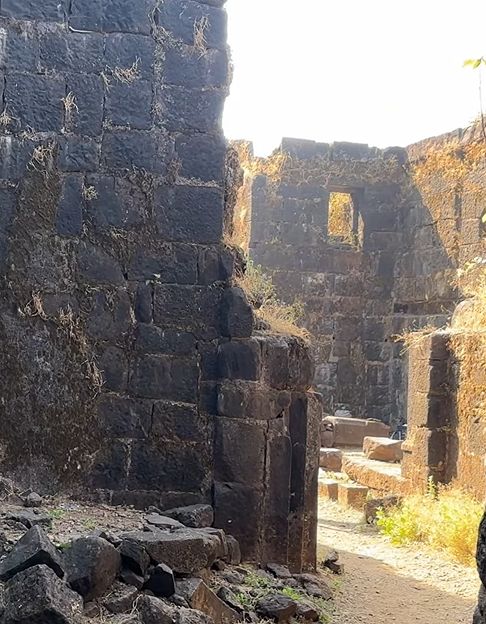
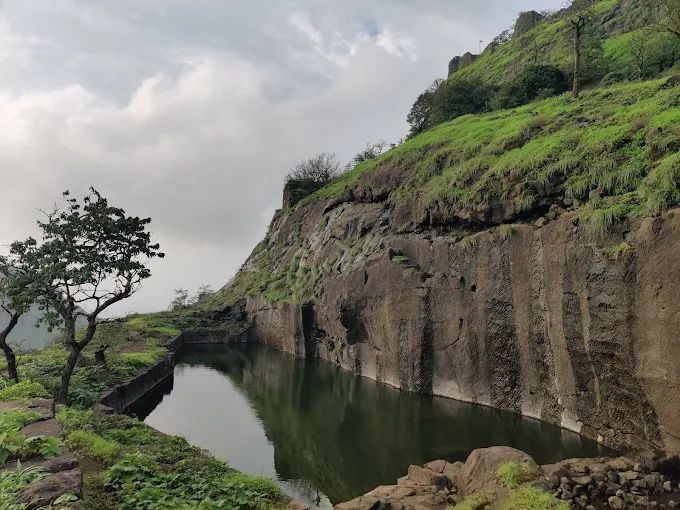
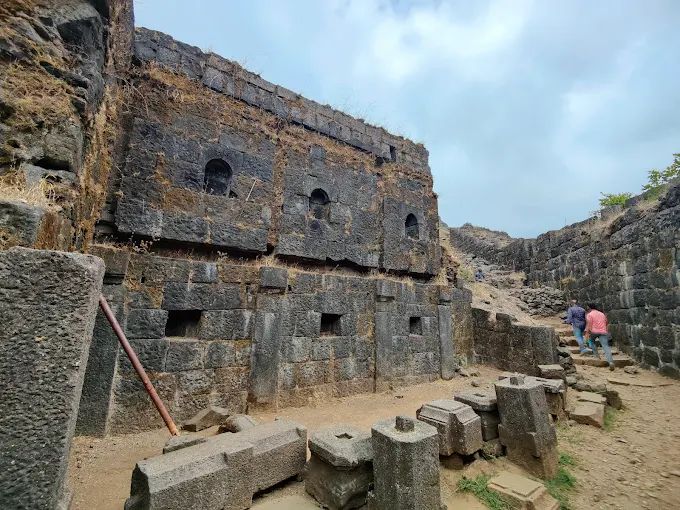
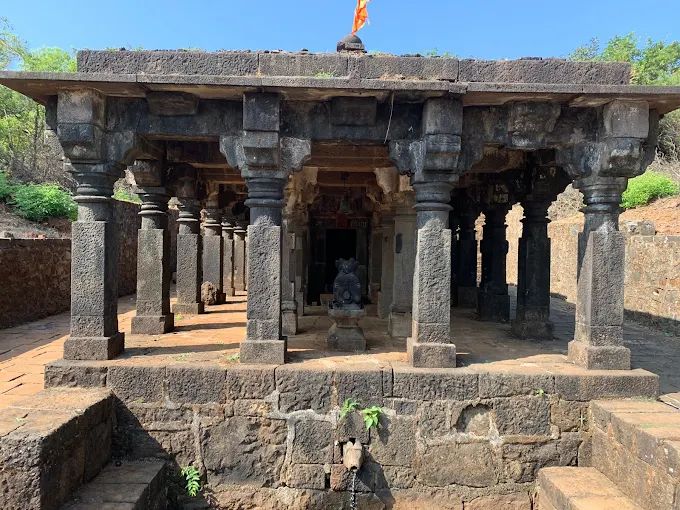
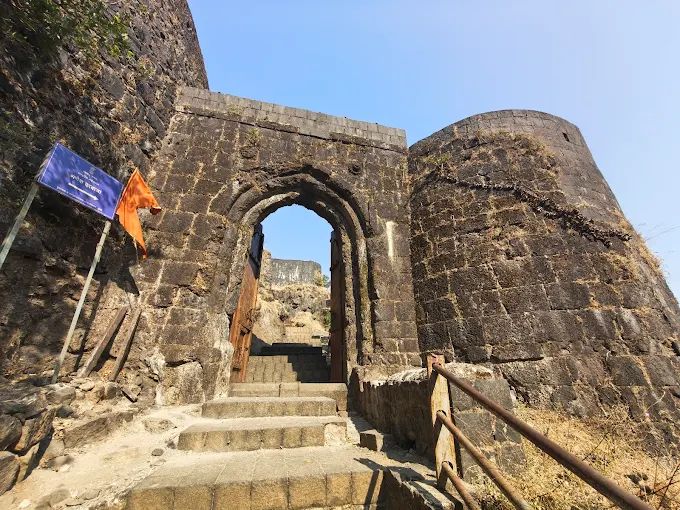
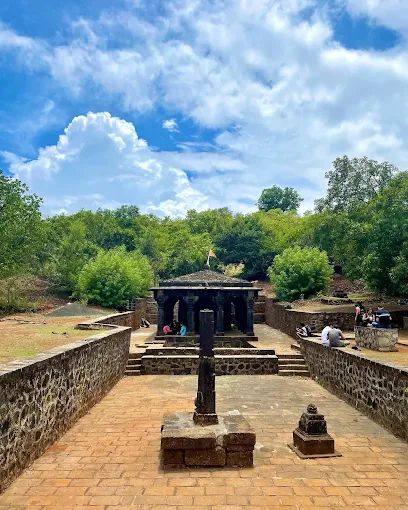
Today, Rajmachi Fort stands as a reminder of Maharashtra's rich military and cultural heritage. Visitors can explore its ancient walls, gateways, water reservoirs, and fortifications while enjoying panoramic views of the Sahyadri ranges. The fort remains a popular destination for trekkers, history enthusiasts, and travelers seeking to experience the legacy of the Maratha era.
Climate & Weather
Rajmachi Fort enjoys a pleasant hill climate throughout the year due to its location in the Sahyadri (Western Ghats). The fort experiences three distinct seasons—monsoon, winter, and summer—each offering a unique experience for visitors and trekkers.
🌧️ Monsoon (June – September)
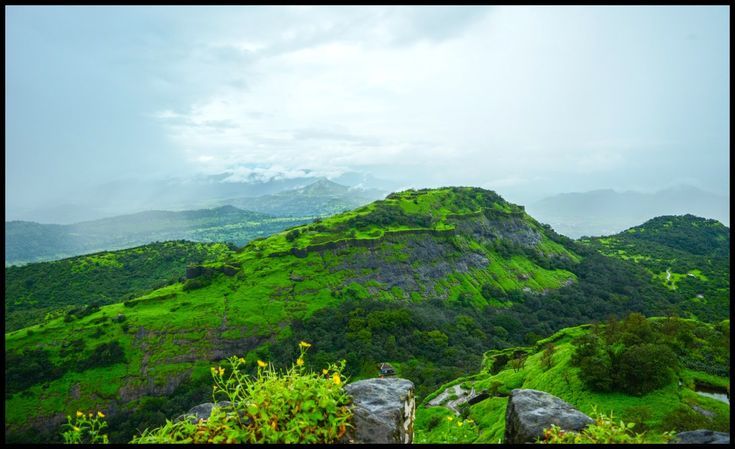
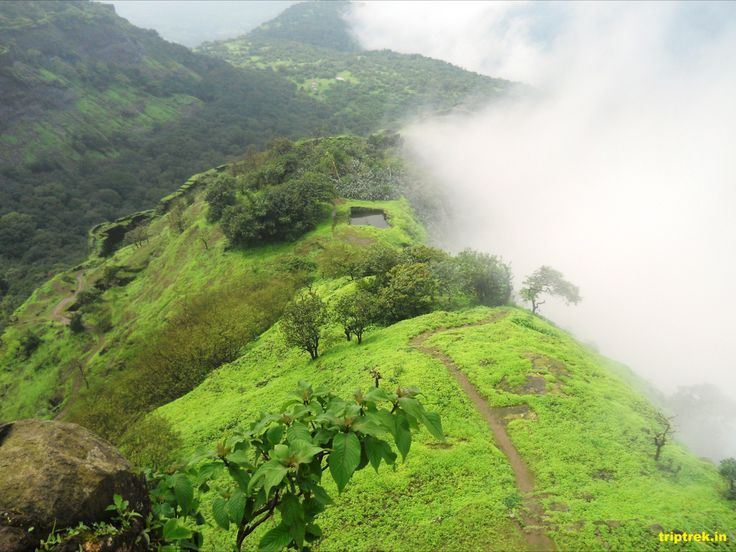
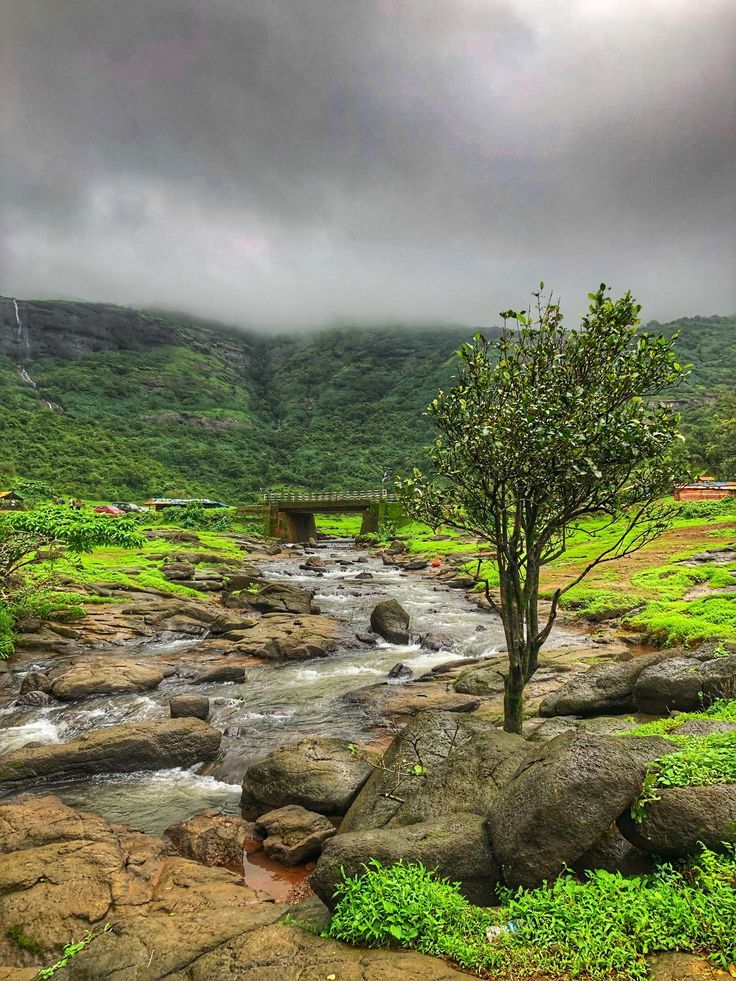
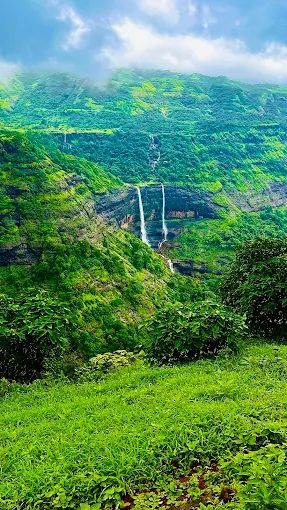
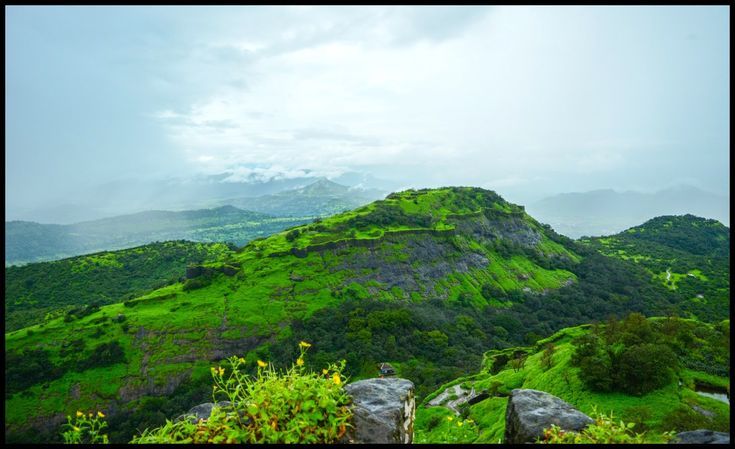
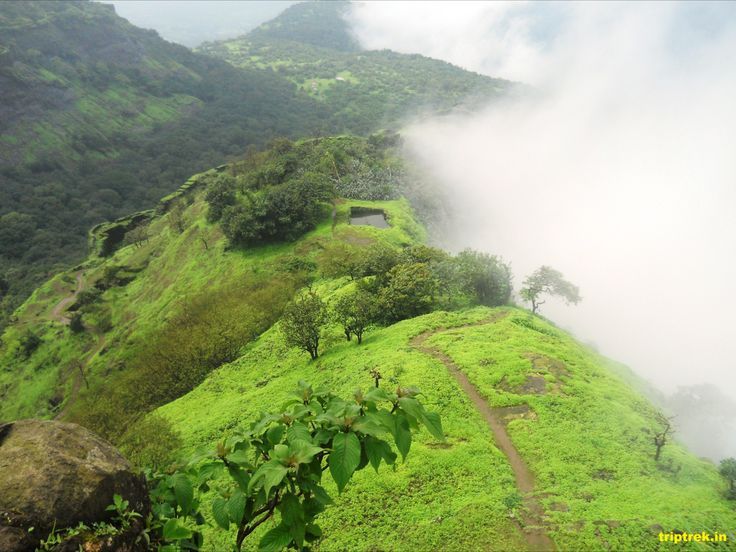
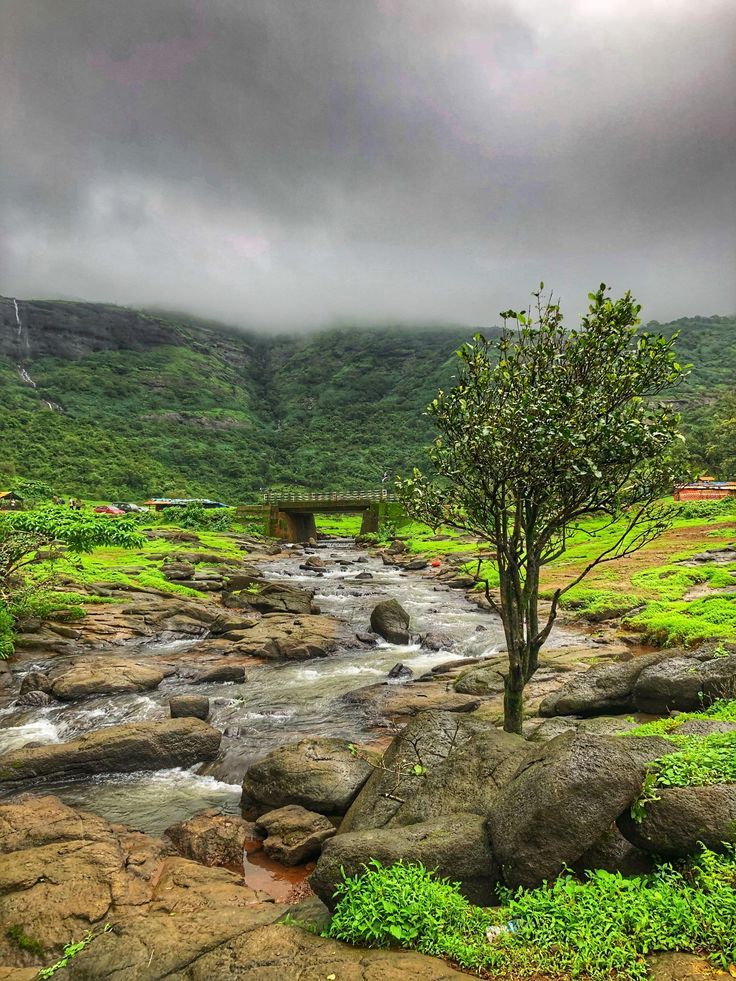
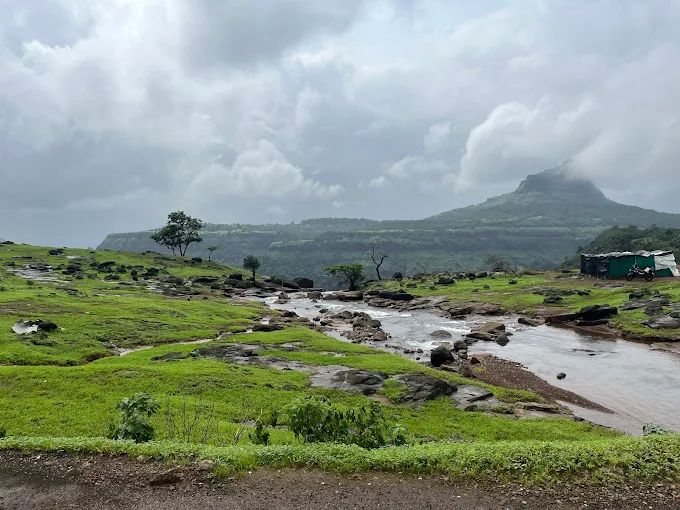
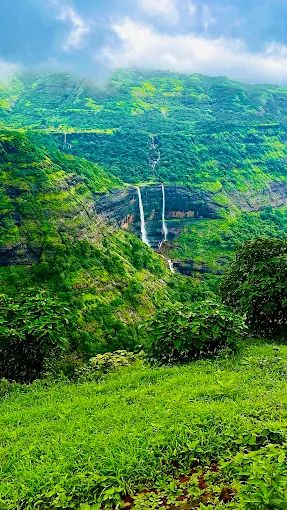
Monsoon is the most popular season to visit Rajmachi. The fort and surrounding valleys transform into a lush green paradise with waterfalls, flowing streams, and mist-covered hills.
Temperature: 18°C – 25°C
Highlights:
- Dense greenery and scenic landscapes
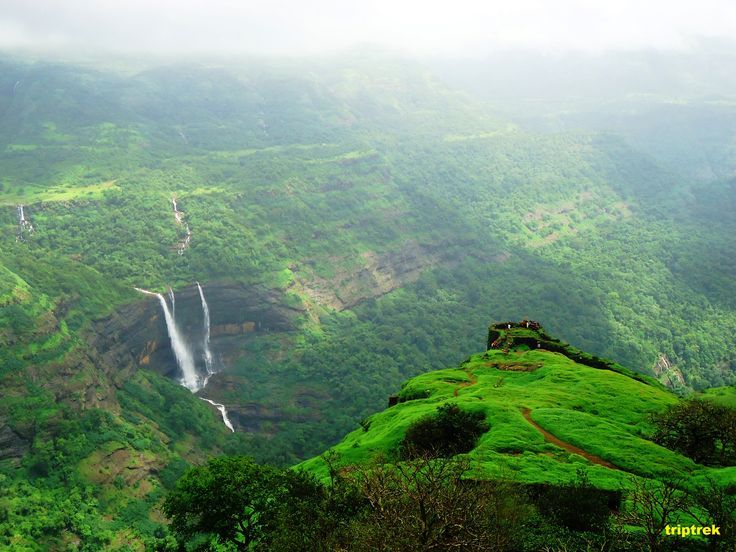
- Numerous seasonal waterfalls
- Cloud-covered trekking trails
- Excellent photography opportunities
Note: Trails can become muddy and slippery, so proper trekking shoes are recommended.
🍃 Winter (October – February)
Winter is considered the best season for trekking and camping. The weather remains cool and comfortable, with clear skies offering panoramic views of the Sahyadri ranges.
Temperature: 10°C – 25°C
Highlights:
- Pleasant trekking conditions
- Clear visibility and mountain views
- Ideal for camping and stargazing
- Comfortable daytime temperatures
☀️ Summer (March – May)
Summers at Rajmachi are warmer but still more pleasant than the nearby plains due to the fort's elevation.
Temperature: 20°C – 35°C
Highlights:
- Less crowded trekking routes
- Clear views of the surrounding valleys
- Suitable for early morning and evening treks
Transportation
Please select a transportation mode to view details
Facilities
While Rajmachi Fort is a remote trekking destination, visitors can access several basic facilities in and around Udhewadi, the village located at the base of the fort. Most amenities are simple and designed to support trekkers and campers. ites.
- Vegetarian food is the most commonly available option. water, especially during summer treks. no toilet facilities on the trekking route or atop the fort structures**. hewadi.
- Villagers often assist trekkers with directions, food arrangements, and accommodation. in the village may be limited compared to urban areas. vehicle can usually park before beginning the trek.
Geographical Information
Rajmachi Fort is a historic hill fort situated in the Sahyadri (Western Ghats) of Maharashtra, between the towns of Lonavala and Karjat. The fort overlooks the ancient trade routes that once connected the Konkan coast with the Deccan Plateau.
Coordinates and Elevation
- Latitude: Approximately 18.83° N
- Longitude: Approximately 73.40° E
- Elevation: About 826 meters (2,710 feet) above sea level
Topography
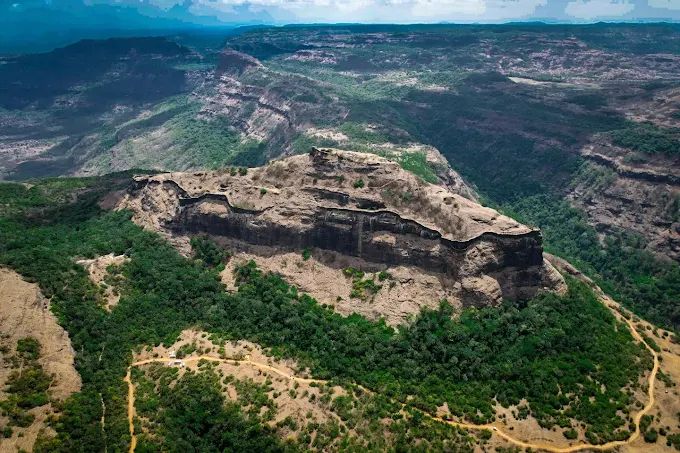
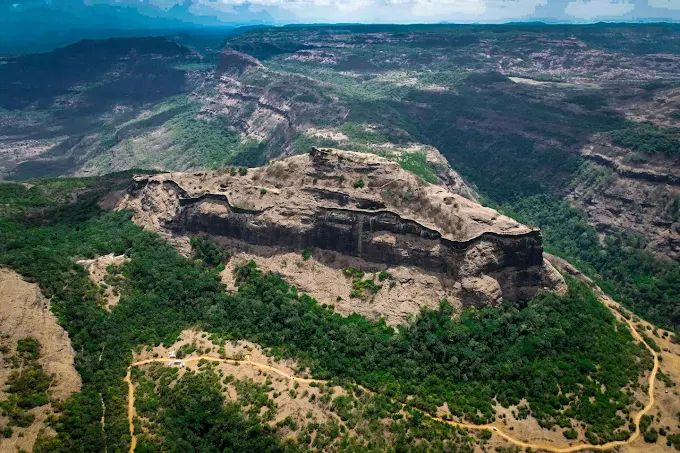
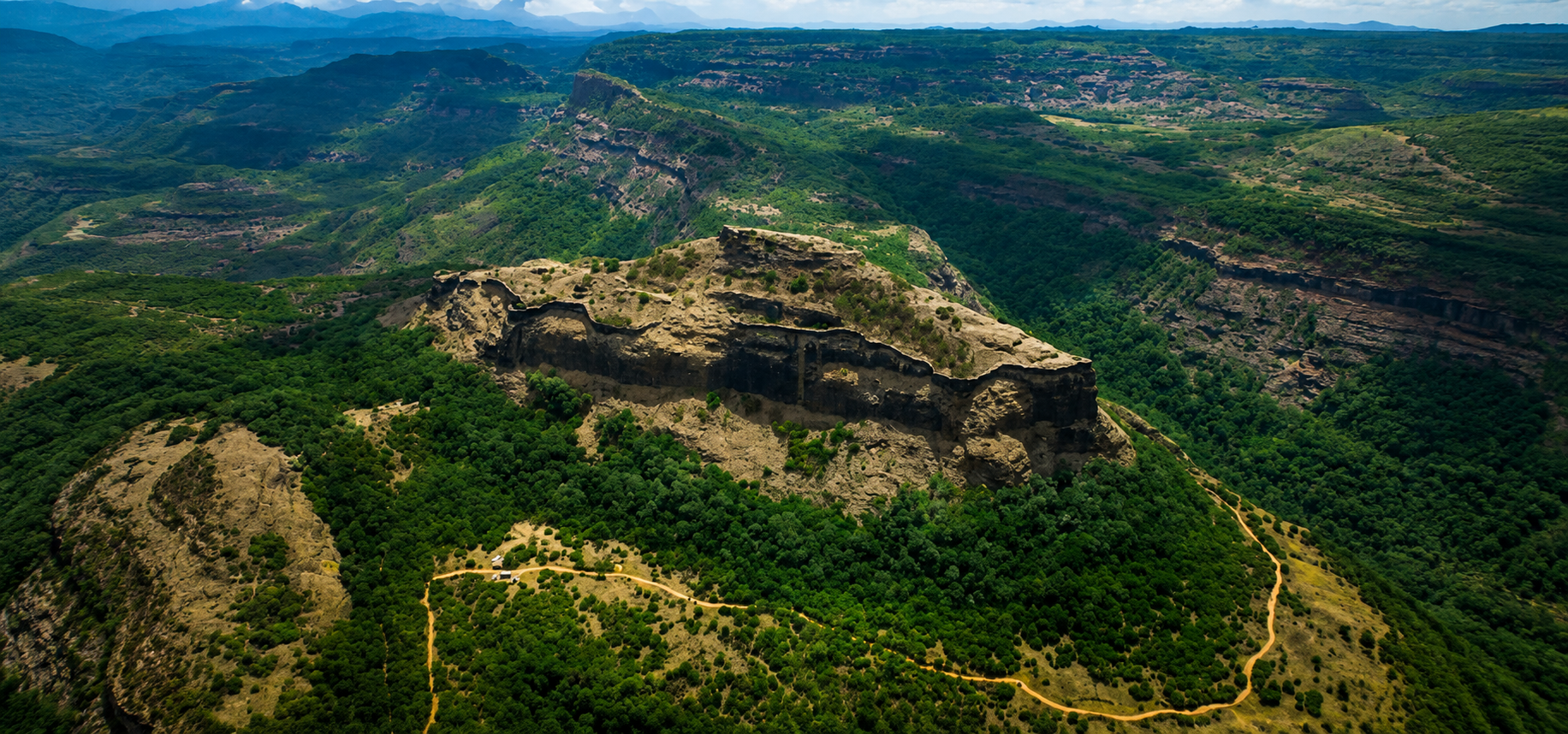
Rajmachi Fort is built on a plateau surrounded by rugged hills, deep valleys, and dense forests. The fort complex consists of two fortified hilltops:
- Shrivardhan Fort – the higher and more prominent citadel.
- Manaranjan Fort – the secondary fortification overlooking the surrounding valleys.
The two forts are connected by a broad plateau that contains the village of Udhewadi.
Surrounding Landscape
Rajmachi offers panoramic views of:
- The Sahyadri mountain ranges
- Dense forests and valleys
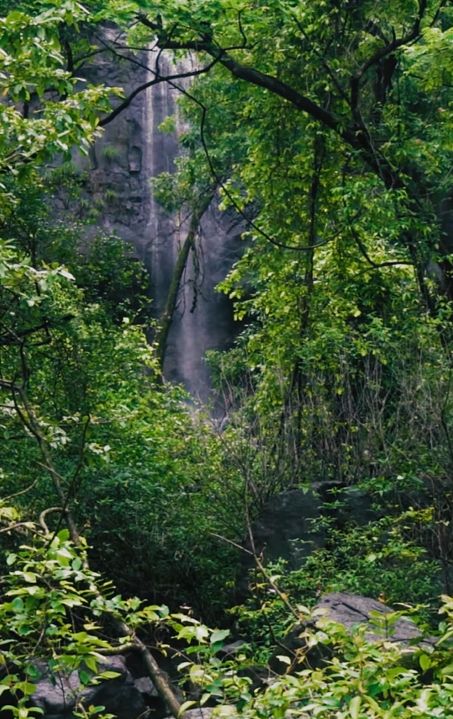
- Seasonal waterfalls during the monsoon
- The Bor Ghat region
- Nearby hill forts and mountain peaks
The area becomes exceptionally green during the monsoon season, attracting trekkers, photographers, and nature enthusiasts.
Geological Features
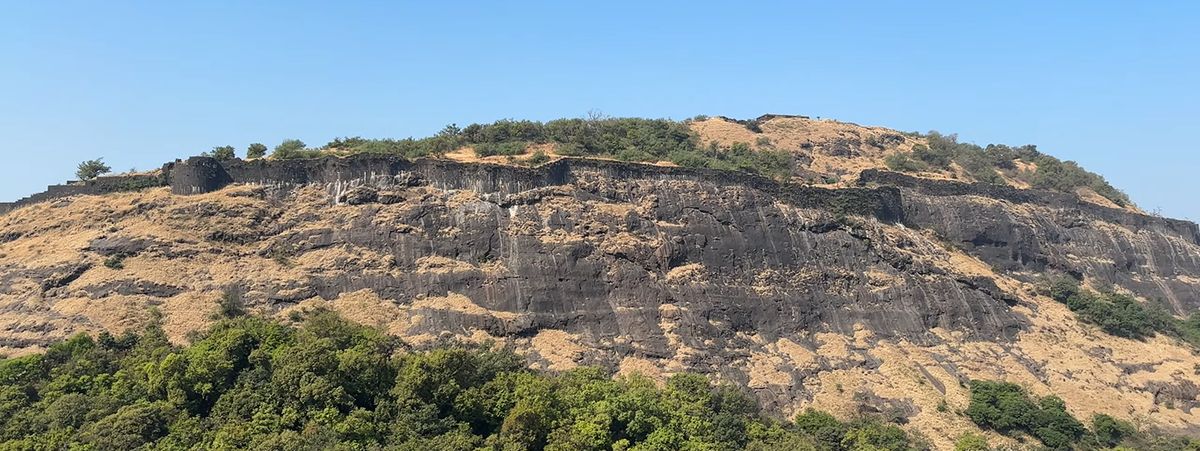
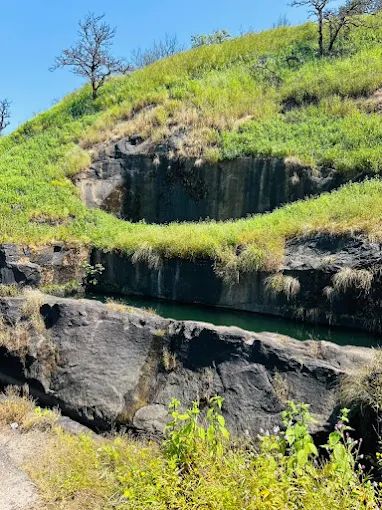
Like many forts in the Western Ghats, Rajmachi is built on basalt rock formations created by the ancient volcanic activity of the Deccan Traps. The terrain consists of steep slopes, rocky cliffs, and natural defensive features that contributed to the fort's strategic importance.
Climate Zone
Rajmachi experiences a tropical hill climate characterized by:
- Heavy monsoon rainfall (June–September)
- Cool and pleasant winters (October–February)
- Warm summers (March–May)
Ecological Significance
The fort lies within the biodiversity-rich Western Ghats, a UNESCO-recognized ecological hotspot. The region supports a variety of flora and fauna, including native trees, wildflowers, birds, butterflies, reptiles, and small mammals. The surrounding forests play an important role in maintaining the ecological balance of the region.
Culture & Local Lifestyles
The region surrounding Rajmachi Fort offers visitors an authentic glimpse into rural life in the Sahyadri Mountains. The local culture is deeply rooted in Maharashtrian traditions, with communities maintaining a close connection to nature, agriculture, and their historical heritage.
Local Communities
The primary settlement near the fort is Udhewadi, a small village inhabited mainly by Marathi-speaking families. The villagers have traditionally relied on farming, cattle rearing, and forest resources for their livelihood. In recent years, trekking and tourism have become important sources of income, leading many residents to operate homestays, food stalls, and guiding services.
Traditional Lifestyle
Life in Udhewadi follows a simple and sustainable pattern. Agriculture remains a major occupation, with rice, vegetables, and seasonal crops grown during the monsoon. Many homes are built using traditional materials and are designed to withstand the region's heavy rainfall. Community life is close-knit, with villagers often participating in collective farming and local celebrations.
Festivals and Traditions
The local population celebrates major Maharashtrian festivals with great enthusiasm, including:
- Ganesh Chaturthi
- Diwali
- Gudi Padwa
- Makar Sankranti
Religious ceremonies, folk music, devotional songs, and village fairs are important aspects of community life.
Historical and Cultural Heritage
Rajmachi Fort has strong historical ties to the Maratha period and the legacy of Chhatrapati Shivaji Maharaj. Local residents take pride in preserving stories, traditions, and folklore associated with the fort and the surrounding region.
Tourism and Modern Influence
Tourism has brought new opportunities to the village, particularly during the monsoon and winter trekking seasons. Despite increasing visitor numbers, Udhewadi has retained much of its traditional charm. Travelers often experience warm hospitality, home-cooked meals, and a peaceful environment far removed from urban life.
Local Values
The culture around Rajmachi Fort is characterized by:
- Strong community bonds
- Respect for nature and local traditions
- Hospitality toward visitors
- Preservation of rural customs and heritage
- A deep connection to the Sahyadri landscape
A visit to Rajmachi Fort is not only a trekking adventure but also an opportunity to experience the rich cultural traditions and simple lifestyle of the Western Ghats region.
Food and Local Cuisine
he food experience at Rajmachi Fort reflects the simplicity and authenticity of rural Maharashtra. Most meals are prepared by local families in Udhewadi, offering trekkers fresh, home-cooked food made from locally sourced ingredients. The cuisine is hearty, flavorful, and perfectly suited for travelers exploring the Sahyadri mountains.
Popular Local Dishes
Pithla Bhakri
The most popular meal in the region, consisting of a gram-flour curry served with traditional millet flatbread. It is nutritious, filling, and widely available in village homestays.
Varan Bhat
A comforting combination of lentil dal and steamed rice, often served with pickle, papad, and seasonal vegetables.
Poha
A light and popular breakfast made from flattened rice, onions, and spices. It is commonly served before trekking excursions.
Thecha
A spicy chutney made from green chilies, garlic, and peanuts, usually enjoyed with bhakri and traditional village meals.
Vada Pav
A favorite snack among trekkers, available at various stops around Lonavala and nearby villages.
Local Beverages
- Traditional masala chai
- Fresh buttermilk (taak)
- Lemon water during warmer months
Dining Experience
Most food options are available through village homestays and local kitchens in Udhewadi. Meals are generally simple, freshly prepared, and served with traditional Maharashtrian hospitality. During trekking season, some villagers also provide meal packages for campers and groups.
Seasonal Specialties
Depending on the season, visitors may enjoy:
- Fresh vegetables grown in village farms
- Local rice varieties harvested during the monsoon
- Homemade pickles and chutneys
- Seasonal fruits from nearby regions
Culinary Highlights
- Authentic rural Maharashtrian cuisine
- Home-cooked meals prepared by local families
- Fresh ingredients sourced from surrounding farms
- Affordable and trekker-friendly food options
For many visitors, enjoying a hot plate of pithla bhakri and a cup of tea while overlooking the Sahyadri hills is one of the most memorable parts of the Rajmachi experience.
Accommodation
Rajmachi Fort offers a range of simple yet comfortable accommodation options for trekkers, campers, and nature enthusiasts. While there are no luxury hotels on the fort itself, visitors can stay in the nearby village of Udhewadi or choose camping experiences surrounded by the scenic beauty of the Sahyadri Mountains.
Homestays
estays are the most popular accommodation option at Rajmachi. Local families in Udhewadi provide basic rooms, traditional meals, and a chance to experience rural Maharashtrian hospitality. These stays are ideal for travelers seeking an authentic village experience and easy access to the fort.
Camping
Camping is one of the highlights of a Rajmachi visit. Several local operators and villagers offer tent accommodation with meals, bonfires, and basic facilities. Most campsites are located near Udhewadi and provide scenic views of the surrounding hills and valleys.
Dormitory & Group Stays
For larger groups, dormitory-style accommodation is available through local camps and trekking operators. These facilities are simple but suitable for school groups, corporate outings, and trekking clubs.
Budget/Cost Estimation
Rajmachi Fort is a budget-friendly destination that can be explored as a day trek or a weekend camping trip. Since the entry fee is generally free, most expenses are related to transportation, food, accommodation, and optional camping arrangements.
Estimated Costs
ExpenseApproximate Cost (₹ per person)Train/Bus from Pune or Mumbai100–500Local Transport (Lonavala/Karjat to Base Point)50–300Food & Refreshments200–600Homestay Stay500–1,000Camping Package (with meals)1,000–1,600Local Guide (Optional)300–1,000Private Jeep/Taxi (shared)200–500
Budget by Travel Style
Budget Day Trip
Ideal for solo travelers and students.
- Public transport
- Self-guided trek
- Meals at local stalls
Estimated Total: ₹300–1,000 per person.
Weekend Trek with Homestay
A comfortable option for most visitors.
- Transportation
- One-night homestay in Udhewadi
- Local meals
Estimated Total: ₹1,000–2,500 per person.
Camping Experience
Popular among trekking groups and nature enthusiasts.
- Tent accommodation
- Dinner and breakfast
- Basic campsite facilities
Estimated Total: ₹1,500–3,500 per person.
Money-Saving Tips
- Travel by local train to Lonavala Railway Station or Karjat Railway Station.
- Share jeep and taxi expenses with fellow trekkers.
- Carry reusable water bottles and snacks.
- Visit in a group to reduce transportation and accommodation costs.
Recommended Budget
For most travelers, a budget of ₹1,000–2,500 per person is sufficient for a comfortable Rajmachi trip. If you plan to camp overnight or opt for organized trekking packages, budgeting ₹2,000–4,000 per person will provide a more relaxed and enjoyable experience
Frequently Asked Questions
Popular Activities
Video and Photo Gallery
Related Stories
Traveller Reviews
No reviews yet
Be the first to share your experience!