Introduction
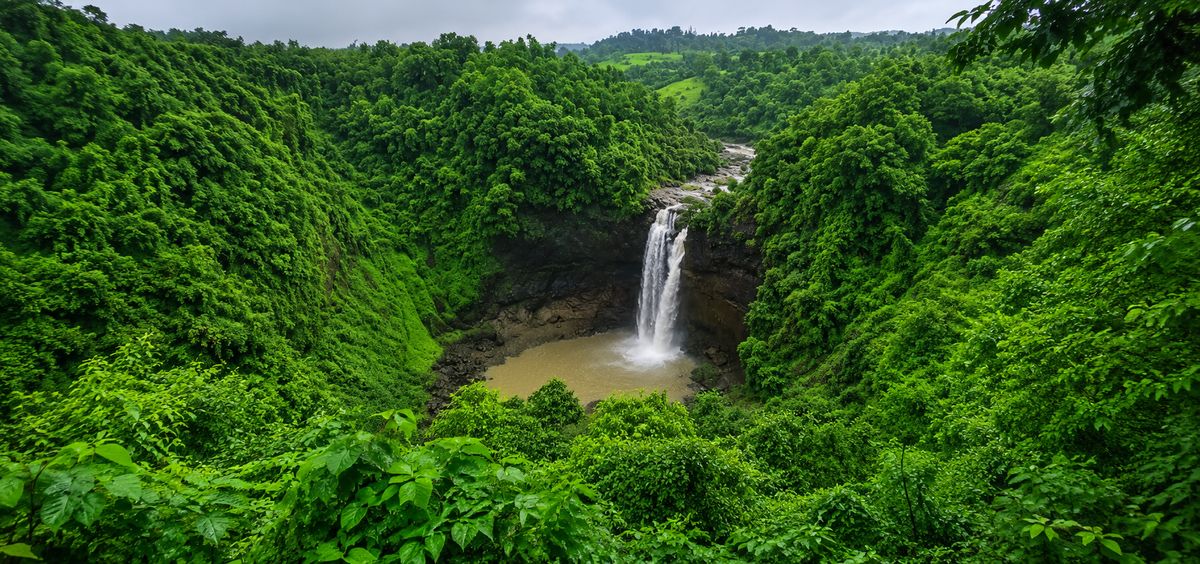
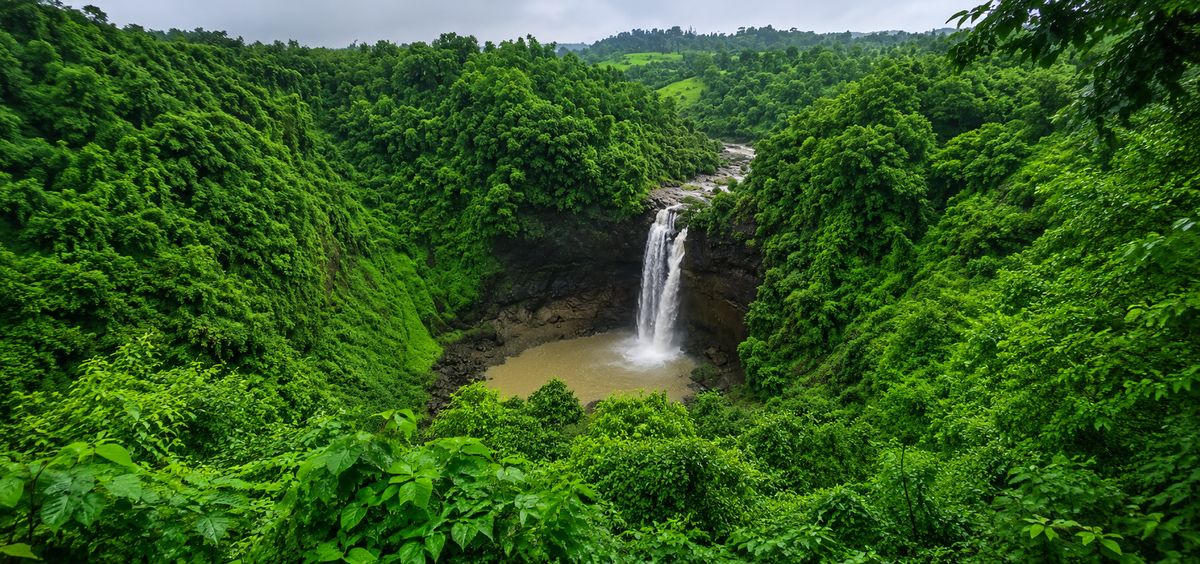
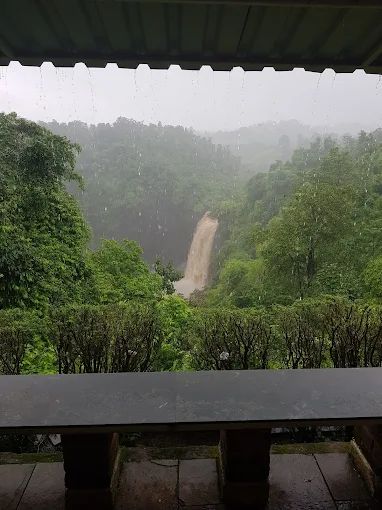
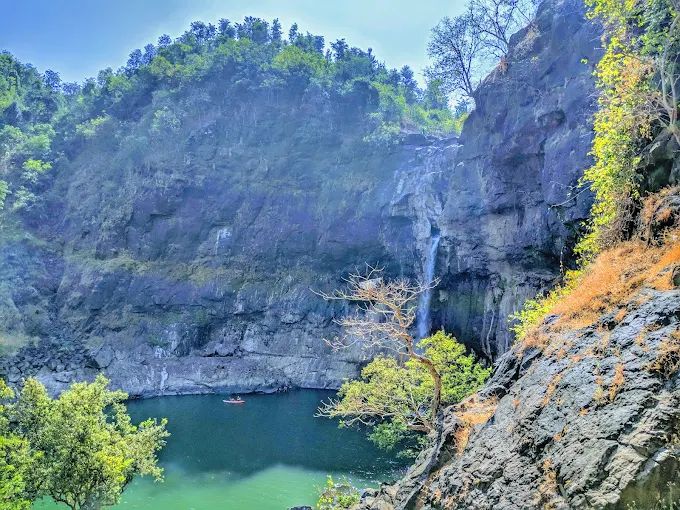
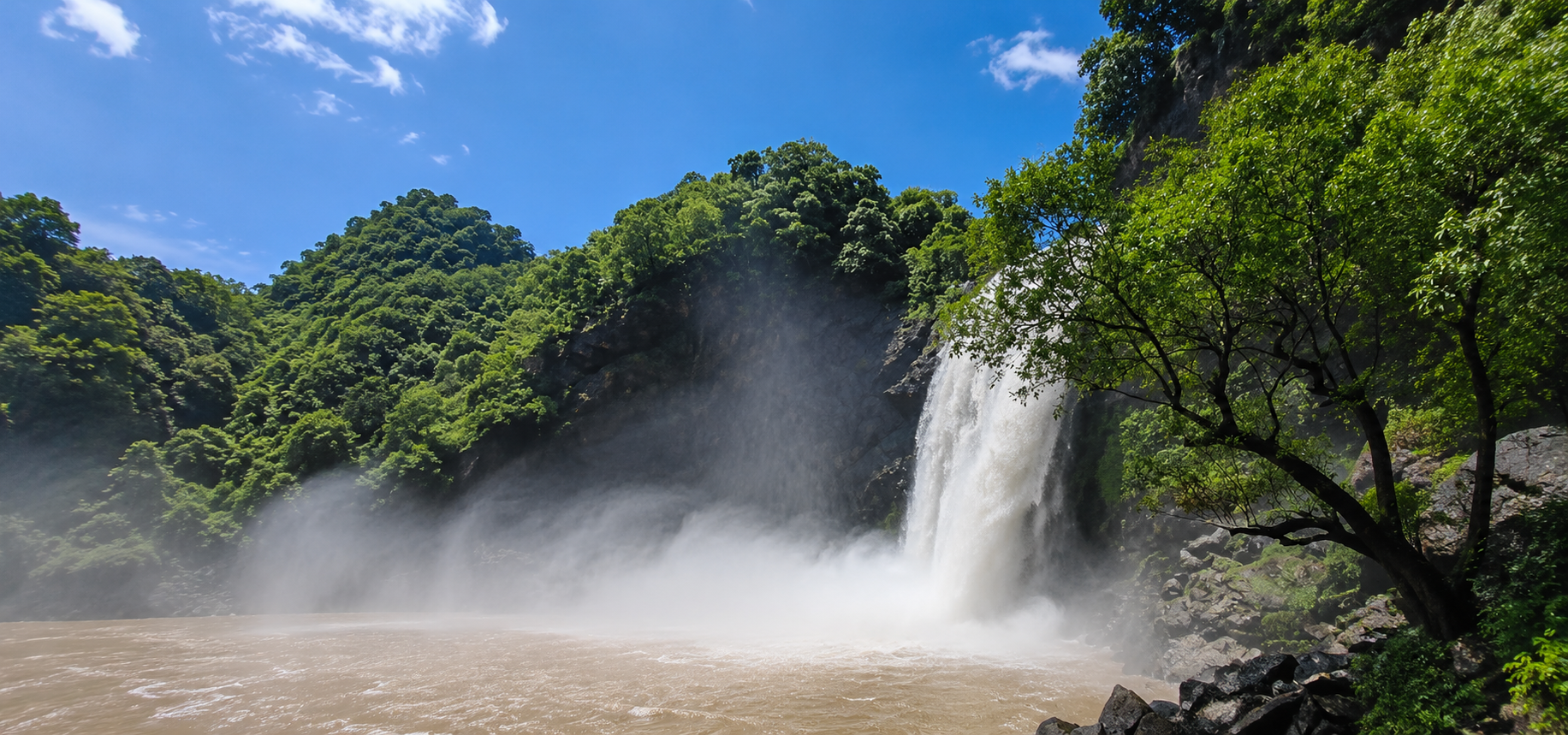
Hidden away in the lush Western Ghats, Dabhosa Waterfall is one of Maharashtra’s best-kept secrets. Located near Jawhar in the Palghar district, this stunning natural wonder is famous for being one of the highest perennial waterfalls in the region. Water cascades down a sheer 300-foot cliff into a deep, crater-like reservoir, creating a breathtaking view that remains active even during the dry season.
Visiting Dabhosa is all about reconnecting with raw, untouched nature. It offers a perfect blend of peaceful relaxation and heart-pounding adventure, making it a favorite for both solace-seekers and thrill-killers. You can camp under the stars, trek through misty forest trails, or try valley crossing right over the roaring falls. If you want to escape the city chaos and dive into a refreshing, green paradise, this spectacular spot belongs at the top of your travel list.
History
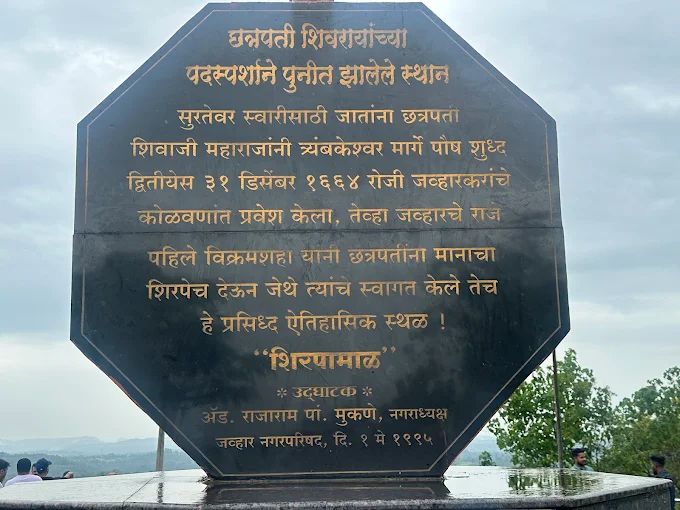
Dabhosa Waterfall is more than just a scenic getaway; it is a landscape steeped in the royal legacy of the Western Ghats. For centuries, this powerful 300-foot cascade served as a majestic, natural backdrop to the historic Jawhar State, one of the oldest tribal princely kingdoms in Maharashtra founded by the Mukne dynasty back in the 14th century.
The royal rulers of Jawhar deeply revered this natural wonder, viewing it as a symbol of the region’s untamed beauty and ecological wealth. Local folklore suggests that the surrounding deep valleys and dense forests provided strategic vantage points and hidden pathways for regional warriors, including the legendary Maratha forces. Over time, the roar of the Lendi River slicing through the unique, crater-shaped basalt rocks has evolved from a guarded royal sanctuary into a celebrated heritage destination. Today, Dabhosa beautifully bridges its historic tribal roots with modern eco-tourism, drawing visitors who want to walk the same misty paths once cherished by kings.
Climate & Weather
Monsoon (July to September)
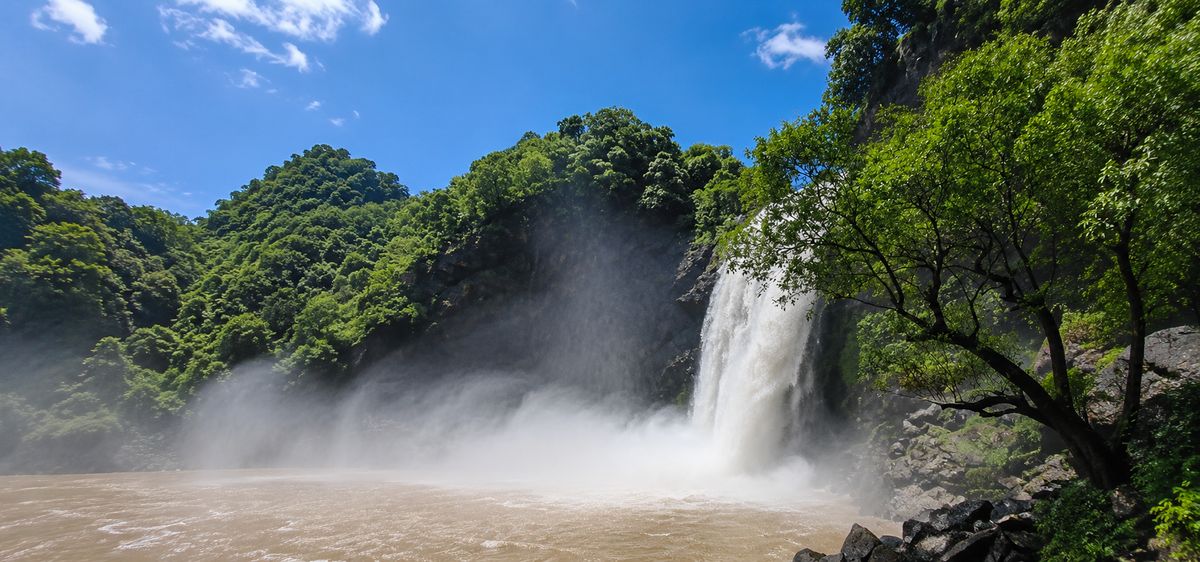
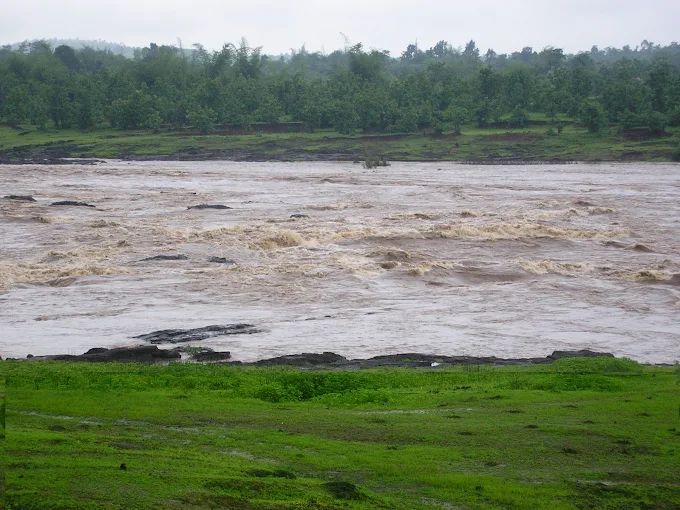
This is the peak tourist season and the absolute best time to visit if you want to see Dabhosa in its ultimate glory. The heavy rains transform the cascade into a roaring, swollen wall of white water, and the entire Sahyadri range comes alive in vibrant shades of green. It is the ideal season for photography and experiencing raw nature, though trail hiking to the very bottom is usually restricted for safety during extreme downpours.
Winter (October to February)
If you prefer pleasant outdoor activities, the winter months offer perfect weather in Dabhosa. The water flow remains steady and beautiful, but the intense monsoon mist clears up, opening up safer trails for trekking, valley crossing, and zip-lining. Cool breezes and clear skies make this the premium period for winter travel and camping under the stars.
Summer (March to June)
As the tropical heat picks up, the water volume naturally thins out. While Dabhosa is a rare perennial fall that never completely dries up, summer is generally considered the low season for sightseeing. However, it still serves as a quiet, crowd-free weekend refuge for city dwellers looking to escape into the cooler forest shade.
Transportation
Please select a transportation mode to view details
Facilities
While Dabhosa Waterfall is celebrated for its raw, untouched wilderness, the area is well-equipped with essential amenities to ensure visitors enjoy a comfortable and seamless experience. Whether you are stopping by for a quick look or planning an overnight stay, the local setup caters smoothly to all types of travelers.
Food and Dining
You don’t have to worry about packing heavy meals. The area features a dedicated dining hall and a full-service kitchen run by the popular local adventure resort right next to the cliff. Visitors can indulge in hearty, buffet-style meals featuring authentic Maharashtrian flavors and comforting local Adivasi cuisine. For quick bites, small local vendors near the entrance serve hot tea, maggi, and local snacks.
Stay and Accommodation
If you want to fall asleep to the therapeutic roar of the 300-foot cascade, excellent accommodation options sit right at the edge of the valley. From premium waterfall-view rooms and cozy eco-cottages to large, budget-friendly bunkhouse dormitories for trekking groups, there is something for every budget.
Adventure and Recreation Infrastructure
Dabhosa functions as a fully set-up adventure hub. The local resorts provide certified safety gear and professional instructors for a massive lineup of outdoor sports:
- Water Sports: Kayaking, canoeing, and safely monitored natural pool fishing.
- Adrenaline Sports: Zip-lining, high-angle valley crossing, and cliff rappelling.
- Leisure: Indoor game rooms featuring table tennis, beautiful open garden areas, and dedicated bonfire pits for starlit evening gatherings.
Basic Amenities
The destination includes free, spacious on-site parking spaces that can easily accommodate personal cars and tourist buses. Clean washrooms, changing rooms for those getting drenched in the spray, and secure luggage storage facilities are readily available near the main viewing deck.
Geographical Information
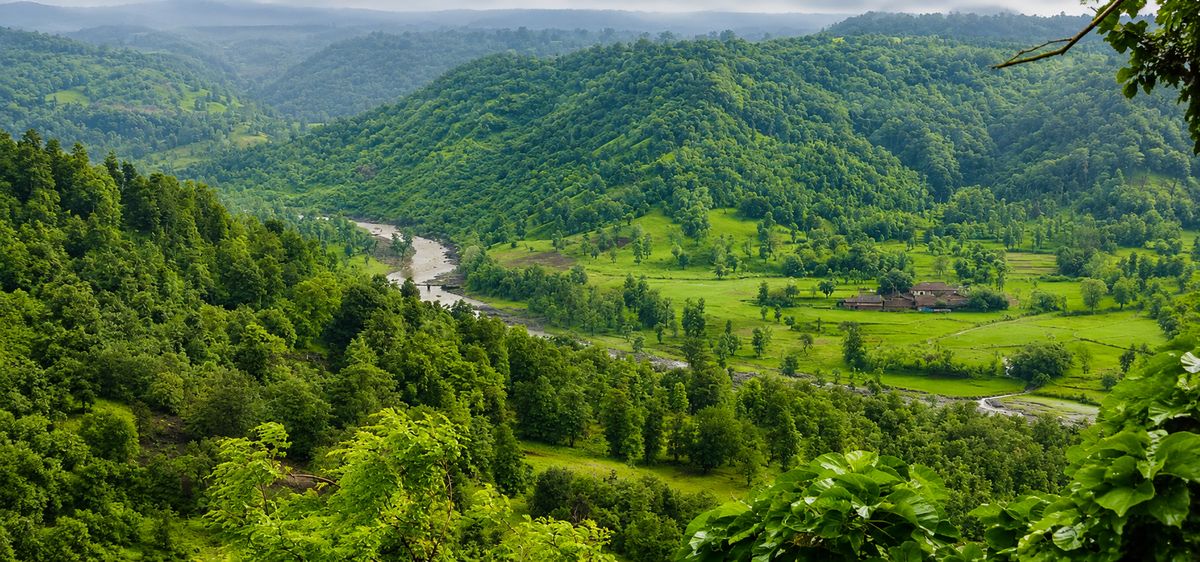
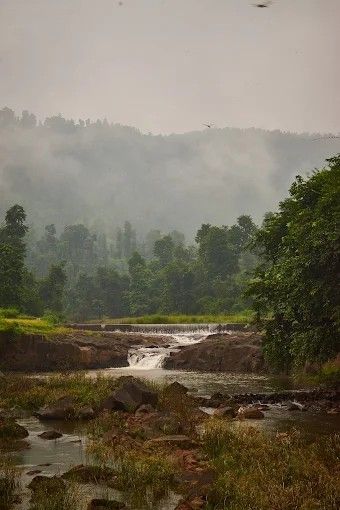
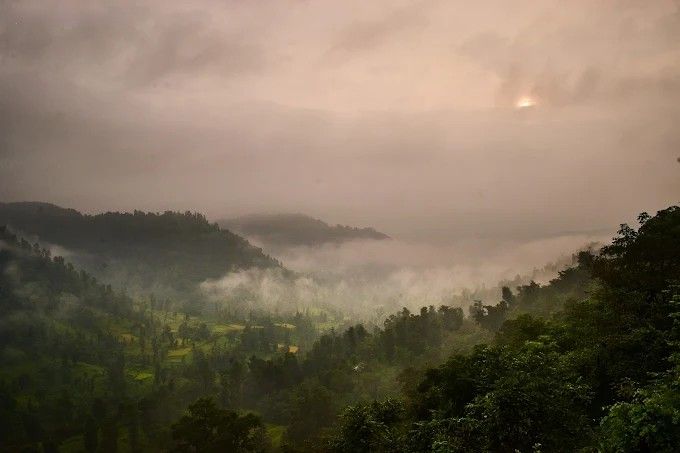
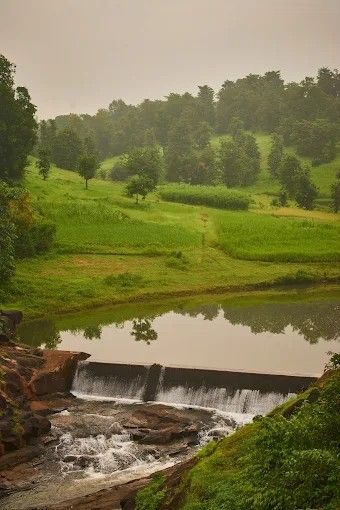
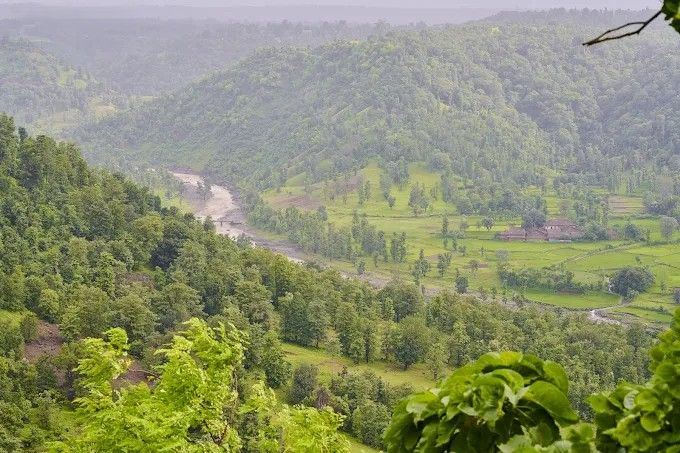
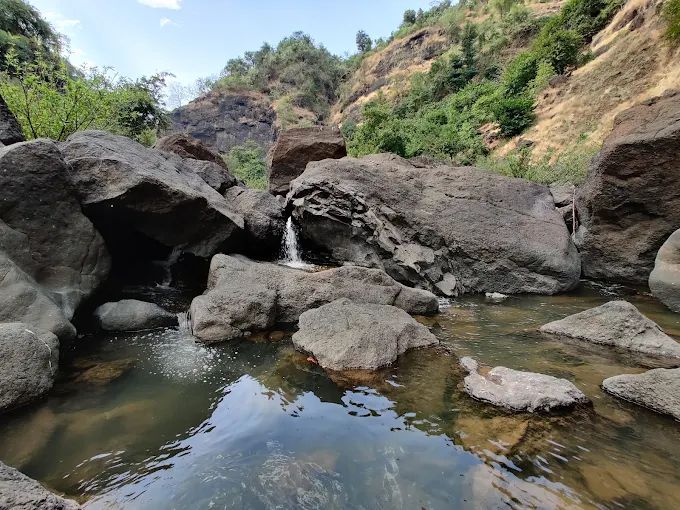
Dabhosa Waterfall is beautifully tucked away in the northern reaches of the Western Ghats, a UNESCO World Heritage site renowned for its rich biodiversity. Specifically situated in the Palghar district of Maharashtra, this natural jewel sits quietly near the hill station of Jawhar. It is fed directly by the Lendi River, a vibrant perennial stream that cuts through the rugged mountain landscape, ensuring that the waterfall retains a spectacular flow of water throughout the entire year.
The surrounding terrain is defined by dramatic, raw landscape features carved over millions of years. The water plunges an incredible 300 feet over a sheer, vertical basalt rock cliff, crashing directly into a uniquely symmetrical, crater-shaped canyon below. This crater forms a massive, deep natural pool enveloped by steep rock walls and dense, untamed forests. Because of its tropical monsoon climate setting, the entire region transforms dynamically across seasons—shifting from a dry, golden-brown forest canopy in the summer into a mist-shrouded, emerald-green paradise during the heavy rains. Its close proximity to landmarks like the historical Jai Vilas Palace and the beautiful Khadkhad Dam makes Dabhosa a central highlight of the local geography.
Culture & Local Lifestyles
Visiting Dabhosa Waterfall is not just an escape into nature; it is a gateway to experiencing a rich and deeply grounded local culture. The region surrounding the waterfall and nearby Jawhar is primarily inhabited by indigenous communities, particularly the Warli, Kokna, and Koli tribes. Their heritage is beautifully tied to the land, offering travelers a chance to witness an authentic, sustainable way of living.
Traditions
The soul of the local community is famously expressed through world-renowned Warli art. This ancient geometric painting style uses basic shapes like circles, triangles, and squares to depict everyday communal harmony, hunting, and dancing. Instead of grand monuments, these traditions live on the mud walls of village homes, painted using a simple paste of rice flour and water. Exploring the villages near Dabhosa gives you a firsthand look at these living canvases, showcasing a deep respect for wildlife, forests, and water bodies like the Lendi River.
Festivals
Life here moves to the rhythm of seasonal festivals that are incredibly vibrant and welcoming to outsiders. Bohada, a spectacular three-day tribal mask festival held in nearby Jawhar, is a major highlight where dancers wear massive, colorful wooden masks depicting deities and folklore heroes. Other major celebrations include Diwali and Holi, which are marked by the hypnotic beats of the Tarpa—a long, wind instrument made from a dried gourd. Villagers form massive, swirling human chains, dancing late into the night around the musicians in a beautiful display of unity.
Daily Life
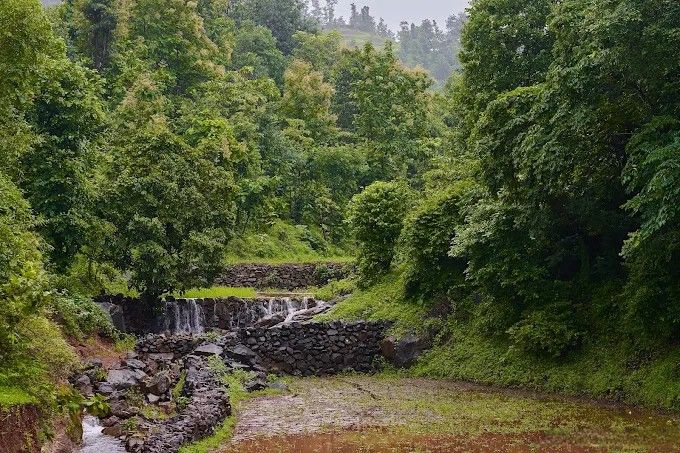
The local lifestyle is pleasantly slow, simple, and deeply connected to nature’s cycles. Agriculture is the mainstay of the community, with terraced rice paddies, finger millet (nachni), and seasonal vegetables defining the countryside. The warm hospitality of the villagers is central to these cultural experiences. From serving travelers home-cooked, earth-baked meals to sharing generational stories about the forest, the people of Dabhosa leave a lasting impression that is just as powerful as the 300-foot waterfall itself.
Food and Local Cuisine
No trip to Dabhosa Waterfall is truly complete without diving into the smoky, earthy flavors of the region’s traditional cuisine. Deeply rooted in tribal heritage and coastal Maharashtrian influences, the food here relies heavily on fresh, locally sourced ingredients like hand-pounded rice, finger millet, and wild forest herbs.
Famous Dishes
The undisputed king of local food here is Nachni Bhakri (a rustic, iron-rich flatbread made from finger millet) paired with Pithla—a thick, comforting chickpea flour curry seasoned with garlic and green chilies. For meat lovers, the region is famous for Gavran Chicken, a fiery, slow-cooked country chicken curry prepared over a traditional wood-fired mud stove. The wood smoke infuses the rich coconut gravy with a distinct, rustic aroma that you simply cannot replic ate in city kitchens.
Street Food
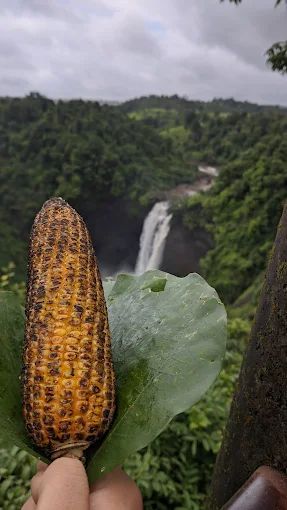
As you approach the viewing points or explore the nearby lanes of Jawhar, you will encounter simple, mouth-watering street food. Hot Batata Vadas (spiced potato fritters) and crunchy Kanda Bhajis (onion pakoras) are fried fresh all day long—tasting absolute best when paired with a cup of steaming, ginger-infused cutting chai amidst the mountain fog. Keep an eye out for sweet, roasted corn on the cob (Bhutta) slathered in lime juice and chili powder, a quintessential monsoon treat.
Restaurants & Cafes
Because Dabhosa is a protected eco-zone, you won't find flashy fine-dining restaurants or global fast-food chains right by the falls. Instead, the best food in Dabhosa is found at local Khanavals (homestyle eateries) and the dining hall of the adjacent adventure resort. These spots serve unlimited tribal-style thalis that offer an authentic taste of the region. For a wider selection of multi-cuisine restaurants, a quick 20-minute drive into Jawhar town opens up several family-friendly restaurants serving clean, authentic North Indian and Maharashtrian comfort meals.
Accommodation
Finding the best accommodation near Dabhosa Waterfall is all about deciding how close you want to be to the thundering 300-foot cascade. Staying right next to the falls allows you to fall asleep to the therapeutic sound of rushing water, while heading into nearby Jawhar town opens up a wider variety of stays.
Budget Stays
For backpackers and large trekking groups, budget-friendly options are easily accessible. You can opt for clean, no-frills guesthouses and dormitories in Jawhar town or right near Dabhosa village. These properties provide a safe place to rest, basic amenities, and standard local meals without putting a dent in your wallet.
Mid-Range Stays
If you want comfort without a hefty price tag, mid-range hotels in Dabhosa and Jawhar offer the perfect middle ground. These properties generally feature spacious family rooms, air conditioning, on-site multi-cuisine dining, and reliable room service. They serve as great weekend headquarters for families wanting a clean and comfortable base after a long day of exploring.
Luxury Resorts
For travelers looking to elevate their holiday, the premier luxury resorts sit directly on the cliffs overlooking the valley. These properties function as specialized adventure eco-resorts. Staying here grants you immediate location convenience, premium waterfall-view cottages, swimming pools, beautifully manicured gardens, and exclusive access to managed adventure activities like zip-lining and valley crossing.
Homestays
To truly experience the legendary hospitality of the Western Ghats, booking local homestays is an excellent choice. Nestled inside lush mango orchards or cozy village settings, these stays give you an intimate window into regional life. You will be hosted by local families who serve authentic, home-cooked tribal meals, share fascinating folklore, and help you experience the culture from a local perspective.
Budget/Cost Estimation
Planning a weekend getaway doesn’t have to break the bank. Dabhosa Waterfall is widely known as a champion for affordable travel, making it easy to map out your trip budget ahead of time.
To help with your financial planning and trip preparation, here is a realistic breakdown of the estimated expenses you can expect for a standard 2-day, 1-night weekend trip per person, broken down by category:
- Transport Costs:
- Budget Tier: ₹300 – ₹600 if using public state transport (MSRTC buses) and shared local auto-rickshaws.
- Premium Tier: ₹2,500 – ₹4,000 if you choose a private rental cab or drive your own vehicle covering fuel from Mumbai or Pune.
- Food & Dining Expenses:
- Budget Tier: ₹400 – ₹700 for enjoying quick street food snacks and authentic, homestyle Khanaval thalis.
- Premium Tier: ₹1,200 – ₹2,000 for full-course buffet meals at the adjacent adventure resorts or multi-cuisine restaurants in Jawhar.
- Accommodation / Stay Rates:
- Budget Tier: ₹800 – ₹1,500 per night for cozy village homestays or basic, no-frills budget guesthouses.
- Premium Tier: ₹3,500 – ₹6,000 per night for valley-facing luxury resorts, eco-cottages, or private villas.
- Activities & Sightseeing Fees:
- Budget Tier: Free – ₹200 for independent trekking, viewpoint photography, and exploring nature trails.
- Premium Tier: ₹800 – ₹1,500 for professional, instructor-led adventure sports like zip-lining, valley crossing, and cliff rappelling.
Quick Travel Cost Tips
- Backpacker Friendly: By utilizing public transit and staying in local homestays, your total travel cost can easily stay under ₹2,000 for the entire weekend.
- Cash is Essential: Network signals can be unstable inside the deep valley. Always carry enough liquid cash for local transport, street food stalls, and entry tickets.
Frequently Asked Questions
Popular Activities
Video and Photo Gallery
Related Stories
Traveller Reviews
No reviews yet
Be the first to share your experience!