Introduction
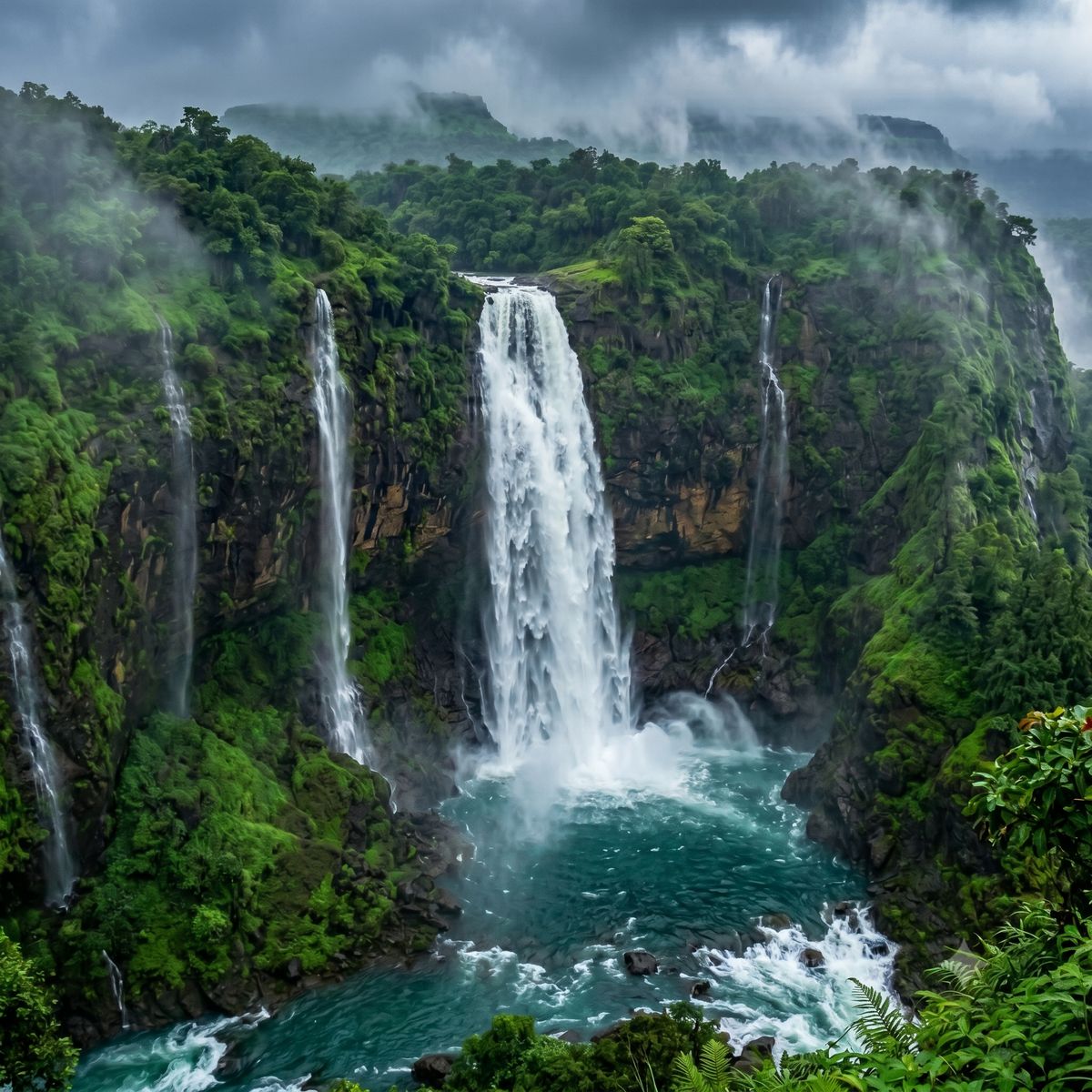
Shitkada Waterfall is a spectacular offbeat seasonal cascade situated deep within the Trimbakeshwar-Brahmagiri mountain range near the iconic Harihar Fort. This remote natural attraction is famous for its colossal vertical drop of approximately 350 to 400 feet and for being Maharashtra’s premier hotspot for extreme waterfall rappelling. Located about 43 to 50 kilometers from Nashik city near Umbharande village, it offers a raw sanctuary far away from crowded urban destinations.
Visitors make the journey here to experience a high-intensity outdoor adventure centered on technical mountaineering and dense wilderness exploration. The site features a moderately challenging jungle trek, clear turquoise natural plunge pools, and thunderous water sprays that offer a liberating escape for thrill-seekers. It provides the perfect setting to test your physical limits under professional guidance, navigate parallel flowing streams, and capture dramatic, unedited mountain landscapes.
History
The legacy of Shitkada Waterfall is anchored in its extreme topography, serving historically as an unmapped natural boundary within the rugged Sahyadri ranges. Unlike forts or ancient temples in the Trimbak region, this giant 350-foot sheer drop did not host royal military garrisons or documented structural battles. Instead, for generations, it remained a fiercely guarded local secret known only to the indigenous tribal shepherds and farmers of Umbharande and Gonde village. The thunderous seasonal torrents carving through the dark basalt canyon served as a vital water source for regional forest wildlife and supported post-monsoon tribal farming down the valley.
Its modern history shifted dramatically with the emergence of technical rock climbing and adventure tourism communities in Maharashtra. Professional mountaineering teams exploring the uncharted valleys behind Harihar Fort rediscovered the sheer vertical scale of the cliffside and recognized its potential for safe, high-angle abseiling. Over the last decade, this remote stream evolved into the ultimate testing ground for monsoon waterfall rappelling operations. Today, the local village communities work hand-in-hand with professional adventure groups to run managed weekend excursions. This community eco-tourism structure generates critical secondary employment for youth through guiding and logistics while keeping the fragile surrounding jungle clean and pristine.
Climate & Weather
Planning your trip around the specific seasonal weather of the Western Ghats is essential to experience the full scale of this massive cascade safely.
Summer
The summer season from March to May brings dry weather and intense heat to the Trimbakeshwar range. During this time, the waterfall dries up completely, leaving behind an exposed, arid 350-foot basalt cliff face and dry dirt paths. Because the signature rushing waters and lush jungle canopy are completely absent, summer is a highly unproductive time for tourists.
Monsoon
The monsoon months from June to September represent the peak tourist season and the ultimate window to visit this raw destination. Continuous heavy downpours revive the hidden mountain channels, turning the cliff into a roaring, high-volume white torrent caked in thick fog. The cool and wet weather makes this the ideal season for professional waterfall rappelling and jungle trekking.
Winter
The winter travel season runs from October to February, offering pleasant weather with cool mountain breezes and comfortable daytime temperatures. By early winter, the thunderous cascade reduces to a calm, gentle trickle before tapering off entirely by late December. This post-monsoon period provides excellent trail conditions for casual hikers and landscape photographers who want to explore the dry valley floor.
Transportation
Please select a transportation mode to view details
Facilities
Because Shitkada Waterfall is located inside a highly preserved and remote forest zone, commercial visitor infrastructure at the immediate site remains strictly basic and eco-centric.
- Adventure Base Camps: Temporary setups managed by professional mountaineering groups operate during monsoon weekends, providing safety harnesses, high-grade ropes, and changing tents for rappelling participants.
- Local Food Stalls: Small makeshift village counters near the Umbharande parking area sell hot ginger tea, maggi, roasted sweet corn, and simple traditional breakfast choices.
- Open Parking: Designated open-ground vehicle parking managed by the local village youths is available at the trailhead for a minor maintenance fee.
- Local Trail Guides: Experienced village youths offer on-ground guiding services, which are highly recommended to navigate the slippery jungle tracks and minor stream crossings safely.
Geographical Information
Shitkada Waterfall is located precisely near Umbharande Village within the Trimbakeshwar Taluka of the Nashik district, right on the border region extending toward Palghar. It occupies a prominent position within the Northern Sahyadri mountain range, a region characterized by its high-altitude plateaus and dense wilderness patches.
The local terrain is defined by rugged, vertical basalt rock faces that form a massive natural amphitheater basin. The surrounding landscape features semi-dense deciduous forests and seasonal stream channels that thrive on rich volcanic soils. This geographic pocket falls under a heavy tropical monsoon climate region, receiving substantial rainfall exceeding 2,500 mm annually. This immense water volume collects across the high Brahmagiri tablelands before plunging down a sheer 350-foot drop, eventually feeding the local river tributaries that run parallel to the trekking routes.
Culture & Local Lifestyles
The local culture surrounding this hidden valley is deeply rooted in the quiet, harmonious traditions of the indigenous tribal communities.
Traditions
The villagers maintain an ancestral, protective relationship with the surrounding Sahyadri mountains, viewing the high cliffs and flowing waters as sacred life-giving elements. They preserve ancient folklore tied to the wilderness, and traditional nature-worshipping customs dictate that the community actively protects the local flora and fauna from exploitation.
Festivals
Given its close proximity to the sacred Trimbakeshwar Jyotirlinga Temple, the daily rhythm of the villagers is significantly influenced by major spiritual calendars. Festivals like Maha Shivratri and the holy monsoon month of Shravan see the local tribal communities participating in traditional group dances, rural music gatherings, and community feasts that showcase their deep-rooted regional identity.
Daily Life
Daily life in these rural settlements revolves strictly around seasonal paddy cultivation, cattle rearing along the hill slopes, and forest foraging. The recent rise in popularity of waterfall rappelling has successfully integrated into their lifestyle, with local families providing warm hospitality, working as rescue trackers, and managing food counters to share their simple lifestyle with urban adventurers.
Food and Local Cuisine
A technical mountaineering excursion to the giant abseiling cliffs of the Trimbak range is highly incomplete without refueling on the intense, slow-cooked flavors of rural Maharashtra. The cold, wet forest microclimate pairs beautifully with the spicy and highly comforting local food prepared by indigenous villagers over open wood fires.
Famous Dishes
The regional kitchen specializes in authentic traditional cuisine packed with intense, earthy spices. The ultimate favorite among famous dishes is the legendary Misal Pav, a fiery curry of sprouted pulses covered in crunchy savory toppings and raw onions, paired with soft bread rolls. Another rustic classic is Pithla Bhakri, a comforting, smooth gram flour paste infused with garlic and green chilies, served alongside thick, charcoal-toasted sorghum or pearl millet flatbreads. For a hearty afternoon lunch, travelers can request a local Maharashtrian Thali that pairs locally harvested rice and lentil curries with a fierce, stone-pounded green chili condiment called Thecha.
Street Food
The unpaved roads leading toward the Umbharande trail are dotted with pop-up street food counters that provide an instant boost of energy to extreme adventurers. You can treat your senses to golden, crispy Kanda Bhajji (onion fritters) and potato-stuffed Batata Vadas served scorching hot alongside salted fried green chilies. These quick bites are best enjoyed with sweet corn roasted on coal embers and a steaming glass of ginger-infused Cutting Chai.
Restaurants/Cafes
While you will not find commercial urban cafes inside this remote forest division, the best food in the area is readily accessible at the highway dhabas and family-run Khanavals lined along the nearby Nashik-Trimbakeshwar corridor. These humble eateries utilize organic ingredients straight from the valley farms, beautifully supporting authentic food tourism while introducing urban foodies to the true spice heritage of the Sahyadri mountains.
Accommodation
Securing the best accommodation near the waterfall is highly convenient because the primary trailhead is located just a brief drive from the bustling spiritual city of Trimbakeshwar and the premium vineyard hubs of Nashik. The surrounding valleys offer a versatile matrix of lodging setups that cater excellently to varied traveler styles and budgets.
Budget Hotels
Adventure groups and solo backpackers seeking a simple, cost-effective base can explore an array of clean budget stay lodges situated directly inside Trimbakeshwar town. These properties focus on essential utility, providing secure non-AC rooms, constant hot water systems, and neat attached bathrooms, making them perfect for tourists who want to minimize their lodging expenses.
Mid-range Hotels
For travelers who prefer comfortable modern amenities without an extravagant price tag, the connecting state highways host excellent mid-range hotels in the area. These establishments offer spacious air-conditioned rooms, secure enclosed private parking lots, and reliable in-house multi-cuisine dining facilities, striking a fine balance between comfort and overall value for family weekend trips.
Luxury Resorts
If you are planning to pair your raw outdoor trekking expedition with a highly relaxing and indulgent holiday, the outskirts of Nashik host spectacular luxury resorts and boutique wellness villas. These premium properties feature scenic lakeside infinity pools, rejuvenating spa centers, and fine-dining spaces that look over misty green mountain crests, offering the ultimate luxury base camp.
Homestays
To immerse yourself deeply in the regional lifestyle, booking rustic homestays in Umbharande village or neighbouring hamlets is an incredible choice. These basic eco-lodges are managed directly by warm tribal families, offering clean bedding, shared or private facilities, and an unforgettable chance to experience genuine rural hospitality and wood-fired meals right at the base of the canyon.
Budget/Cost Estimation
Planning your trip budget effectively ensures a seamless, well-managed escape into this rugged canyon. The flexible transport and stay options available along the Trimbak-Nashik route ensure that a thrilling monsoon escape remains highly affordable for everyone.
An independent backpacker choosing public state transport buses and staying at basic village homestays can look forward to a highly pocket-friendly experience, with an estimated travel cost of roughly ₹1,000 to ₹1,500 per day. For travelers planning a comfortable mid-budget weekend road trip with friends or family, using a private car, staying at a mid-range hotel, and dining at highway dhabas will bring the estimated expenses closer to ₹3,500 to ₹5,500 per day. Adventure activities like technical waterfall rappelling are handled via external mountaineering groups, typically requiring a dedicated tour fee ranging from ₹800 to ₹1,500 per person. Overall, the destination is an exceptional choice for budget travel because local food, parking, and village guiding services are highly economical.
Entry Fees & Timings
- Attraction Name: Shitkada Waterfall (Umbharande Offbeat Adventure Zone)
- Opening Hours: The main canyon and jungle trails are accessible from 06:00 AM to 05:00 PM daily, and staying past these visiting hours is strictly discouraged due to heavy wilderness fog and lack of trail lighting.
- Entry Fee: There is no official individual entry fee or ticket price charged by the state forest division to view the main waterfall at this time.
- Vehicle Parking Ticket Price: The local village youth welfare committee manages an open parking ground near the trailhead that collects a nominal maintenance fee of ₹20 for two-wheelers and ₹50 for four-wheelers.
Frequently Asked Questions
Popular Activities
Related Stories
Traveller Reviews
No reviews yet
Be the first to share your experience!