Introduction
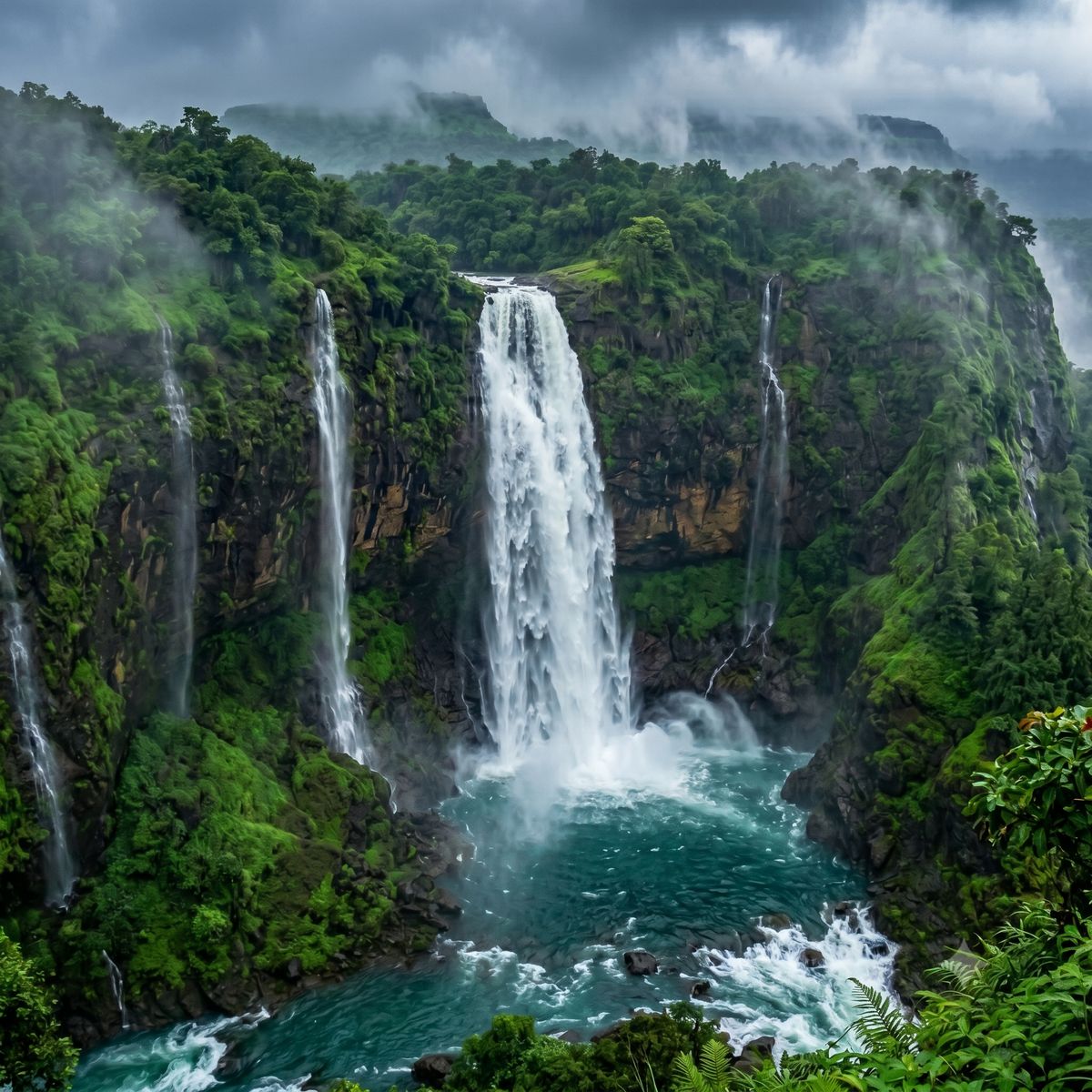
Harihar Waterfall is an awe-inspiring seasonal cascade that flows along the dramatic mountain ridges of the historic Harihar Fort area near Trimbakeshwar. This striking eco-tourism destination is located in the western region of the Nashik district, serving as a highly sought-after monsoon escape for adventurers across Maharashtra. It is immensely famous for its location near the world-renowned vertical rock-cut stairs of the fort, where heavy seasonal rains create spectacular parallel water channels that drop fiercely down raw volcanic cliffs into the lush green valleys below.
Travelers make the journey here to experience an incredibly thrilling blend of raw adventure, extreme vertical landscapes, and pure wilderness exploration. The spot offers an unforgettable and intense outdoor experience featuring misty hiking trails, refreshing mountain streams, and roaring natural water sprays that rejuvenate the senses. It stands as an absolute bucket-list destination for fitness enthusiasts, heritage explorers, and nature photographers who want to challenge their limits, witness the unbridled force of a mountain torrent, and enjoy a liberating break from chaotic city life.
History
The background of the Harihar Waterfall region is deeply rooted in the medieval defensive architecture of the Yadava dynasty, dating back to the 9th to 14th centuries. While the waterfall itself is a recurring seasonal marvel, its history is inextricably linked to the towering triangular fort rock mass above it, which was strategically built to look over the ancient trade routes passing through the Gonda Ghat pass. The mountain streams and vertical drops served as natural barriers against enemy troops, while the systematic collection of rainwater from the summit plateau directly fed the hand-carved rock cisterns that kept the military garrison alive during long-drawn sieges.
Over the centuries, this precious water source and its defensive high ground witnessed fierce political transitions, shifting ownership from the Yadavas to the Ahmadnagar Sultanate, the Mughal Empire, and later the Maratha Kingdom under Chhatrapati Shivaji Maharaj before falling to British forces in 1818. Today, the area has transitioned from a medieval military fortress into one of India’s most trending eco-adventure hubs. The village youth and local gram panchayat of Harshewadi and Nirgudpada manage the trails to handle the massive seasonal influx of weekend hikers. Their organized efforts provide a crucial modern livelihood through eco-fees, route management, and local stalls, ensuring the safety of modern travelers while fiercely protecting the delicate ecology of the Sahyadri mountains.
Climate & Weather
To see the craggy volcanic cliffs transform into a roaring wall of water, visitors must carefully plan their trip according to the monsoon patterns of the Western Ghats.
Summer
The summer season from March to May brings scorching, dry weather across the Trimbak region, causing temperatures to rise significantly. During these dry months, the waterfall dries up completely, leaving behind an exposed, arid rock face and dusty trails. Because the signature rushing water and emerald scenery are totally absent, summer is a highly unproductive period for nature tourists.
Monsoon
The monsoon months from June to September represent the peak tourist season and the best time to visit this magnificent landscape. Continuous heavy rains revive the mountain springs, causing high-volume water cascades to thunder down the cliffs amid thick fog. The weather in this ideal season remains cool and wet, offering the ultimate adventure for travelers who enjoy monsoon travel.
Winter
The winter travel season runs from October to February, bringing crisp mountain breezes and highly comfortable daytime temperatures. By early winter, the roaring water tapers off into a gentle, clear hillside stream before drying out entirely by late January. This post-monsoon period offers safe and stable trail conditions for heritage enthusiasts and landscape photographers who want to avoid heavy downpours.
Transportation
Please select a transportation mode to view details
Facilities
Because the waterfall is managed as a raw ecotourism and high-adventure trekking site by the indigenous village youth, the available facilities focus entirely on basic necessities and safety.
- Local Food Counters: Small rustic stalls set up at the base village and along the lower meadows sell piping hot tea, maggi, boiled eggs, and simple local breakfast options.
- Managed Parking: Large open-ground parking spaces managed directly by the village youth committee are available at the Nirgudpada and Harshewadi trail entry points for a small fee.
- Trail Security: During peak weekends in the heavy rainy season, local youth groups and forest volunteers stand near slippery rock patches and stream crossings to guide tourist foot traffic safely.
- Basic Restrooms: Simple public washroom facilities are available near the base village camps, though travelers should not expect urban luxury standards once they cross the trailhead.
Geographical Information
Harihar Waterfall is located precisely near Nirgudpada village in the Trimbakeshwar Taluka, sitting comfortably within the high-altitude western boundaries of the Nashik district. It occupies a striking geographic position in the Northern Sahyadri mountain range, a region globally celebrated for its unique biodiversity and sheer geographical features.
The local terrain is defined by massive, near-vertical volcanic basalt rock layers and steep ridges that rise sharply above the Konkan plains below. The surrounding landscape features a mix of dense semi-evergreen hill forests, deep gorges, and open rock plateaus that trap incoming rain clouds. Positioned within a heavy tropical monsoon climate region, the area receives massive amounts of rainfall every year. This intense seasonal water volume rapidly accumulates on the upper fort plateau, creating spectacular, roaring vertical cascades that eventually drain into the upper tributaries of the Vaitarna River basin.
Culture & Local Lifestyles
The cultural canvas of the settlements surrounding the Harihar range is closely bound to the ancient, nature-worshipping lifestyle of the indigenous tribal communities.
Traditions
The local culture is deeply anchored in a profound spiritual respect for the forest, mountain peaks, and natural water channels, which are treated as living deities. The villagers meticulously preserve their ancestral traditions, passing down unique tribal folklore, wood-carving arts, and community-led conservation rituals from one generation to the next.
Festivals
Given its close proximity to the sacred Trimbakeshwar temple complex, major religious events like Maha Shivratri and the holy month of Shravan shape the regional lifestyle significantly. During these periods, the local villagers actively participate in devotional walks, traditional folk song performances, and community feasts that showcase authentic cultural experiences.
Daily Life
The daily life of the local residents revolves primarily around seasonal agriculture, with a heavy reliance on monsoon paddy cultivation, cattle herding, and forest foraging. The rapid boom of weekend ecotourism over the last decade has successfully integrated into their routine, allowing village families to earn a vital secondary income by managing food counters, providing path navigation, and welcoming urban travelers with unpretentious rural warmth.
Food and Local Cuisine
A high-adventure trip to the Harihar cascades is incomplete without diving into the intense and comforting culinary heritage of rural Maharashtra. The cool, fog-laden mountain weather provides the perfect backdrop to relish hot, spice-forward local food cooked over rustic wood fires.
Famous Dishes
The regional kitchen specializes in rugged, slow-cooked flavors that showcase authentic traditional cuisine. The absolute favorites among famous dishes include the iconic Misal Pav, a fiery curry of sprouted moth beans garnished with crunchy farsan, raw onions, and lime, paired with soft bread rolls. Another classic is Pithla Bhakri, a dense, garlic-tempered gram flour porridge served with rustic sorghum flatbreads. For a wholesome lunch, the local eateries serve a hearty Maharashtrian Thali that combines aromatic local rice, spiced lentil curry, seasonal mountain vegetables, and Thecha—a sharply pungent crushed green chili and garlic condiment.
Street Food
The trail winding toward the base village is dotted with vibrant street food counters that offer instant energy to hikers. You can treat your senses to golden, crispy Kanda Bhajji (onion fritters) and potato-stuffed Batata Vadas served piping hot straight out of iron frying pans. These savory bites are best enjoyed alongside sweet corn cobs roasted over hot charcoal embers and a steaming glass of ginger-infused Cutting Chai.
Restaurants/Cafes
While high-end modern cafes are unavailable inside the immediate base settlements of Nirgudpada or Harshewadi, the best food in the area is readily accessible along the connecting highway toward Trimbakeshwar. A fine selection of rustic highway dhabas and family-run dining spots excel at serving farm-fresh, organic meals, providing an unforgettable experience that wonderfully boots local food tourism.
Accommodation
Securing the best accommodation near the waterfall is exceptionally convenient because the base trail sits just 20 minutes away from the holy town of Trimbakeshwar and a short drive from Nashik city. The surrounding region offers a highly versatile selection of lodging categories, ensuring that every traveler finds a perfect place to rest.
Budget Hotels
Travelers keeping an eye on their expenses can find a reliable selection of clean, no-frills budget stay options directly inside Trimbakeshwar town. These properties provide simple, neat rooms with essential comforts like functional attached bathrooms and constant hot water, making them incredibly popular for backpackers, solo trekkers, and large groups who want to minimize their spending.
Mid-range Hotels
For family road trippers seeking a comfortable transit base without a premium price tag, the main access roads connecting Trimbak to Nashik host a variety of mid-range hotels in the area. These establishments offer spacious air-conditioned rooms, secure private parking lots, and in-house multi-cuisine restaurants, striking an ideal balance between daily utility and great affordability.
Luxury Resorts
If you want to transform your weekend getaway into an indulgent nature holiday, the high ridges overlooking the Nashik vineyards and Trimbak valleys host world-class luxury resorts and premium wellness villas. These high-end properties feature private sit-out balconies with panoramic mountain views, infinity swimming pools, and holistic spa centers, making them the ultimate choice for a deeply relaxing vacation.
Homestays
To truly connect with the regional culture, opting for eco-friendly homestays in Nirgudpada village is highly recommended. These simple properties are run directly by warm local families, giving visitors access to neat bedding, authentic home-cooked rural delicacies, and a wonderful personal glimpse into the peaceful, nature-centric lifestyle of the Sahyadri communities.
Budget/Cost Estimation
Planning a smart trip budget for this extreme nature trail is straightforward because the location is geared heavily toward highly affordable travel. For an independent backpacker traveling via local buses from Nashik and using shared transport to the base, the estimated expenses can be kept remarkably low, ranging between ₹900 and ₹1,400 per day. If you are coordinating a mid-range weekend getaway with family or friends using a private car, the total travel cost will generally average between ₹3,000 and ₹5,000 per day, which comfortably covers a mid-range hotel room, highway dhaba meals, and vehicle fuel. The basic adventure activities like hiring a local guide or paying for vehicle parking slots are very inexpensive, adding only about ₹50 to ₹300 to your total fund layout. Overall, the excellent variety of food and stay options near the valley ensures a highly economical and memorable monsoon retreat.
Entry Fees & Timings
- Attraction Name: Harihar Waterfall (Harihar Fort Eco-Tourism Zone)
- Opening Hours: The main waterfall trail and base paths are officially accessible from 06:00 AM to 05:00 PM daily, and entering the high ridges past these visiting hours is strictly discouraged due to blinding fog and lack of trail lighting.
- Entry Fee: Individual visitors pay a nominal eco-ticket price of ₹30 to ₹50 per person collected at the local gram panchayat checkpost at the base village.
- Vehicle Parking Ticket Price: The local village development committee manages a designated open parking ground near the base that collects a nominal maintenance fee of ₹20 for two-wheelers and ₹50 for four-wheelers.
Frequently Asked Questions
Popular Activities
Traveller Reviews
No reviews yet
Be the first to share your experience!