
Introduction
Harishchandragad is more than just a fort—it is a timeless witness to history. Preserving countless stories from the 6th to the 11th century, along with significant chapters from the Mughal and Maratha eras, this magnificent hill fort stands as a living monument to India's rich heritage. Every stone, pathway, and ancient structure echoes tales of valor, resilience, and cultural legacy.
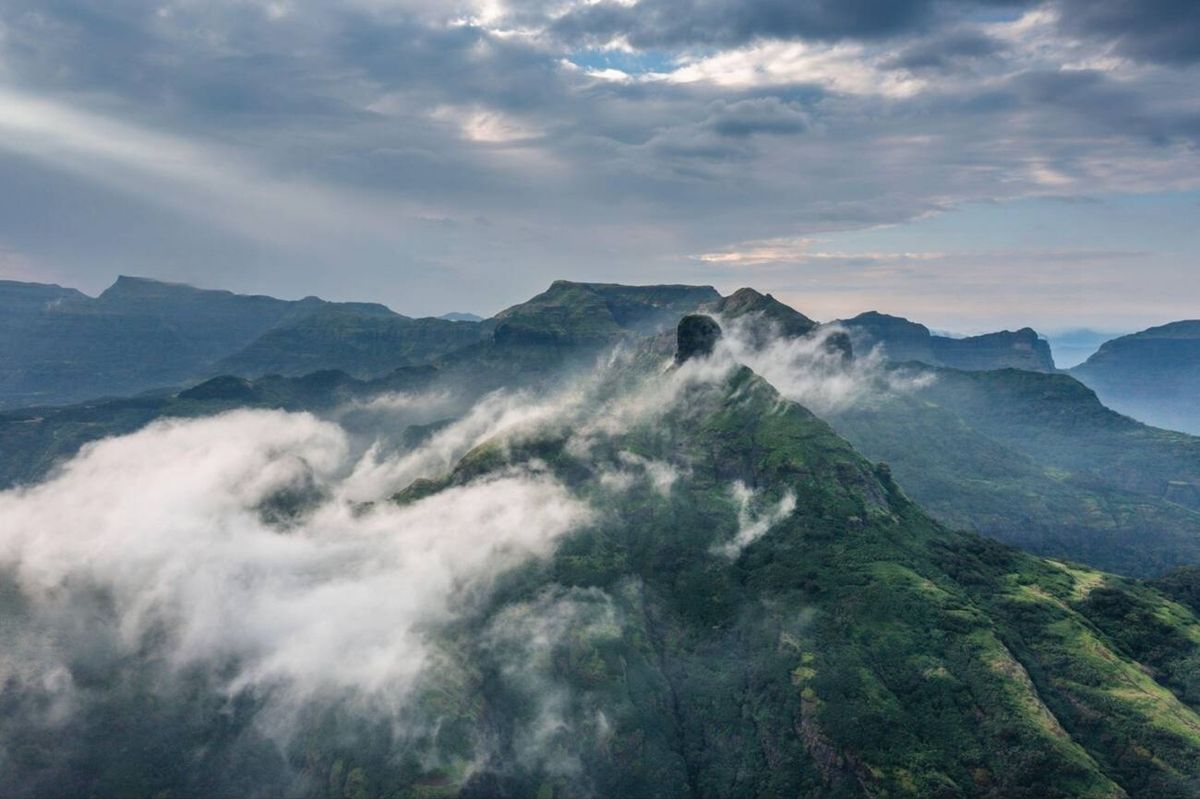
Surrounded by breathtaking landscapes, rugged cliffs, and mist-covered valleys, Harishchandragad offers not only a journey through nature but also a journey through time. If you wish to experience history beyond the pages of books, walk through centuries-old ruins, and feel the presence of a vibrant past, Harishchandragad should be at the top of your travel list. It is a destination where history comes alive and every step reveals a new chapter of the past.
History
Harishchandragad is one of the oldest hill forts in Maharashtra, situated in the Sahyadri mountain range at an altitude of approximately 1,422 meters. The region has been inhabited since prehistoric times, as archaeological discoveries of microlithic tools indicate human presence here thousands of years ago.
The fort is believed to have been established around the 6th century CE during the rule of the Kalachuri dynasty. Over time, various dynasties, including the Rashtrakutas and Yadavas, influenced the region. Due to its elevated position and natural defenses, Harishchandragad became an important strategic stronghold controlling routes through the Western Ghats.
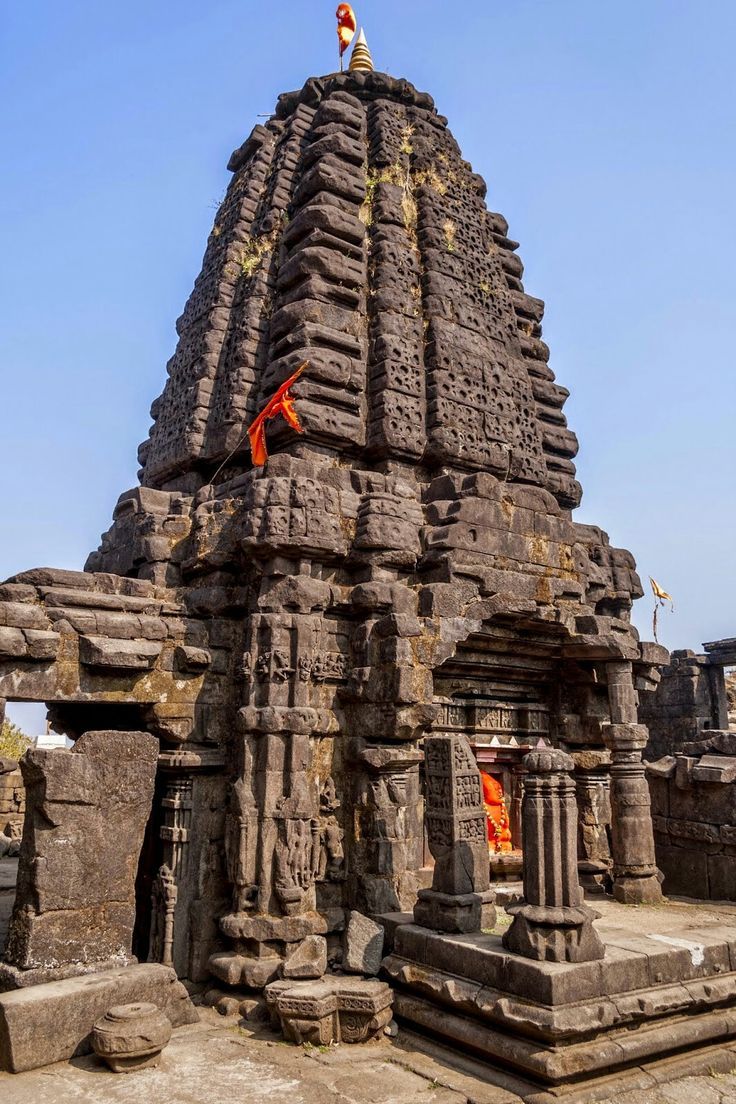
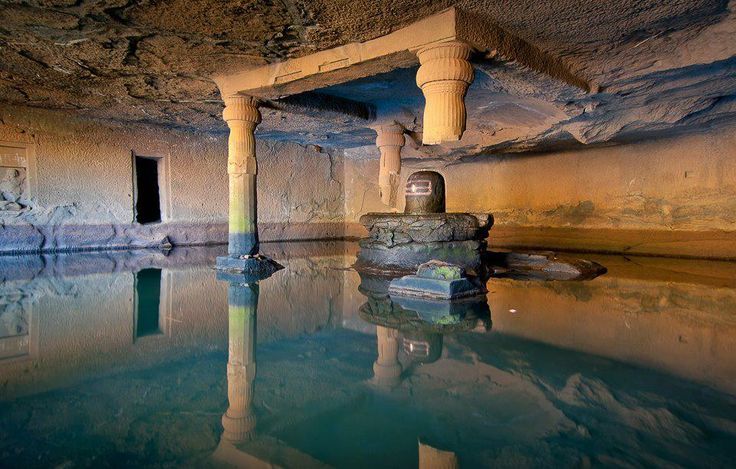
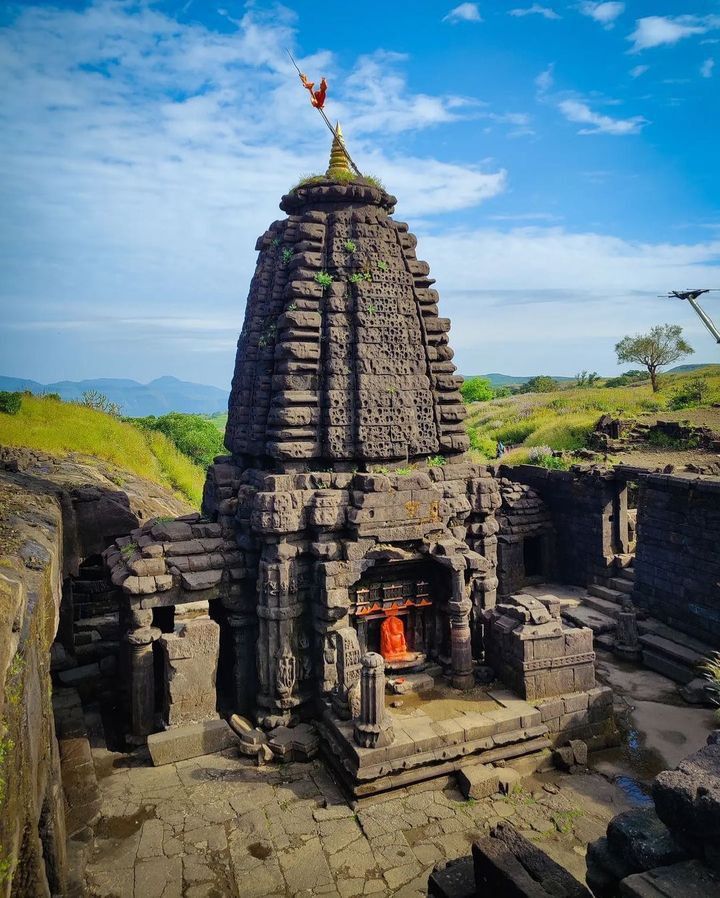
Apart from its military significance, Harishchandragad developed into an important religious center. References to the fort and surrounding region are found in ancient Hindu scriptures such as the Matsya Purana, Agni Purana, and Skanda Purana. The ancient Harishchandreshwar Temple, dedicated to Lord Shiva, is considered a remarkable example of medieval stone architecture. Nearby, the Kedareshwar Cave houses a large Shiva lingam surrounded by cold water, making it a significant pilgrimage site.
During the 13th–14th centuries, the renowned saint Changdev is believed to have lived and meditated at Harishchandragad. Several inscriptions found on the fort are associated with his period, highlighting the fort's spiritual importance.
In the medieval era, Harishchandragad gained military importance because it overlooked major routes connecting the Deccan plateau with the Konkan region, particularly through Malshej Ghat. The fort later came under Mughal control during their expansion into the Deccan.
In 1747, the Marathas recaptured Harishchandragad, bringing it back under Maratha rule. The fort remained an important regional outpost until the decline of Maratha power and the subsequent British dominance in western India.
Today, Harishchandragad is famous for its historical monuments, religious heritage, and natural attractions such as the spectacular Konkan Kada and Taramati Peak, making it one of Maharashtra's most popular trekking destinations.
Climate & Weather
Harishchandragad has a tropical highland climate due to its elevation of about 1,422 meters in the Western Ghats. The weather varies significantly across seasons.
☀️ Summer (March–May)
- Temperature: 20°C to 35°C
- Days are warm, but the fort's elevation keeps it cooler than the surrounding plains.
- Water sources may become limited toward late summer.
- Clear skies offer excellent views from Konkan Kada and Taramati Peak.
🌧️ Monsoon (June–September)
- Temperature: 18°C to 25°C
- Receives heavy rainfall due to its location in the Western Ghats.
- The fort is often covered in clouds and mist.
- Waterfalls become active, and the landscape turns lush green.
- Trekking can be challenging because of slippery trails, strong winds, and poor visibility.
🌤️ Post-Monsoon (October–November)
- Temperature: 15°C to 28°C
- Pleasant weather with green surroundings and clearer views.
- Considered one of the best times for trekking and photography.
❄️ Winter (December–February)
- Temperature: 10°C to 25°C
- Cool mornings and nights; temperatures can occasionally drop below 10°C on the summit.
- Dry weather and clear skies make this the most popular trekking season.
- Excellent visibility from Konkan Kada and Taramati Peak.
Transportation
Please select a transportation mode to view details
Facilities
Accommodation
- Camping is allowed on the fort.
- Local villagers provide tent rentals and camping arrangements.
- Caves near the temple area can be used for overnight stays.
- Homestays are available in base villages such as Pachnai and Khireshwar.
Food
- Simple Maharashtrian meals (bhakri, pithla, dal-rice, pohe, tea, snacks) are available through local villagers and small stalls.
- Food arrangements are available both at the base villages and, on weekends, at the fort top.
Drinking Water
- Drinking water is available from tanks near the Harishchandreshwar Temple.
- Bottled water may be available from local stalls, but carrying your own water is recommended.
Parking
- Vehicle parking is available in the base villages, usually near houses or local establishments.
Guides
- Local guides can be hired from the base villages, especially useful during monsoon or for less familiar routes.
Mobile Network
- Network coverage is weak in the villages and during the trek.
- Better signal is usually available at the fort top and Taramati Peak.
Toilets
- No toilet facilities are available on the fort or along most trekking routes.
- Toilets may be available at some homestays and in base villages.
Emergency Facilities
- Basic medical facilities, ATMs, and fuel stations are available in nearby towns, not on the fort itself.
Geographical Information
- Location: Harishchandragad is a historic hill fort located in the Western Ghats (Sahyadri mountain range) of Maharashtra.
- Coordinates: Approximately 19.39° N latitude and 73.77° E longitude.
- Elevation: About 1,424 meters (4,672 feet) above sea level, making it one of the higher forts in Maharashtra.
- Mountain Range: Part of the Sahyadri Range (Western Ghats).
- Districts: Situated near the border of Maharashtra's Pune, Ahmednagar, and Thane regions.
- Nearest Base Villages:Pachnai (easiest trekking route)
- Khireshwar
- Belpada (Nalichi Vaat route)
Major Geographical Features
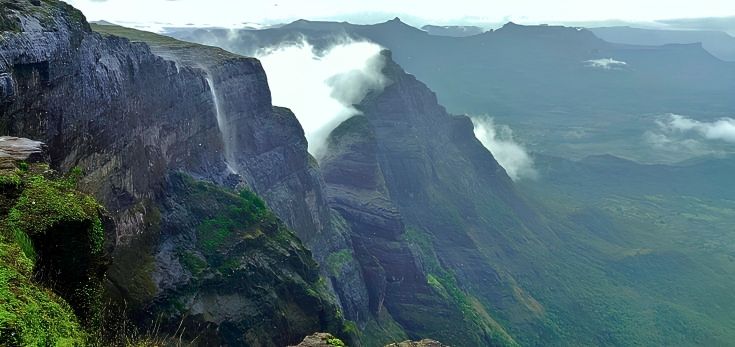
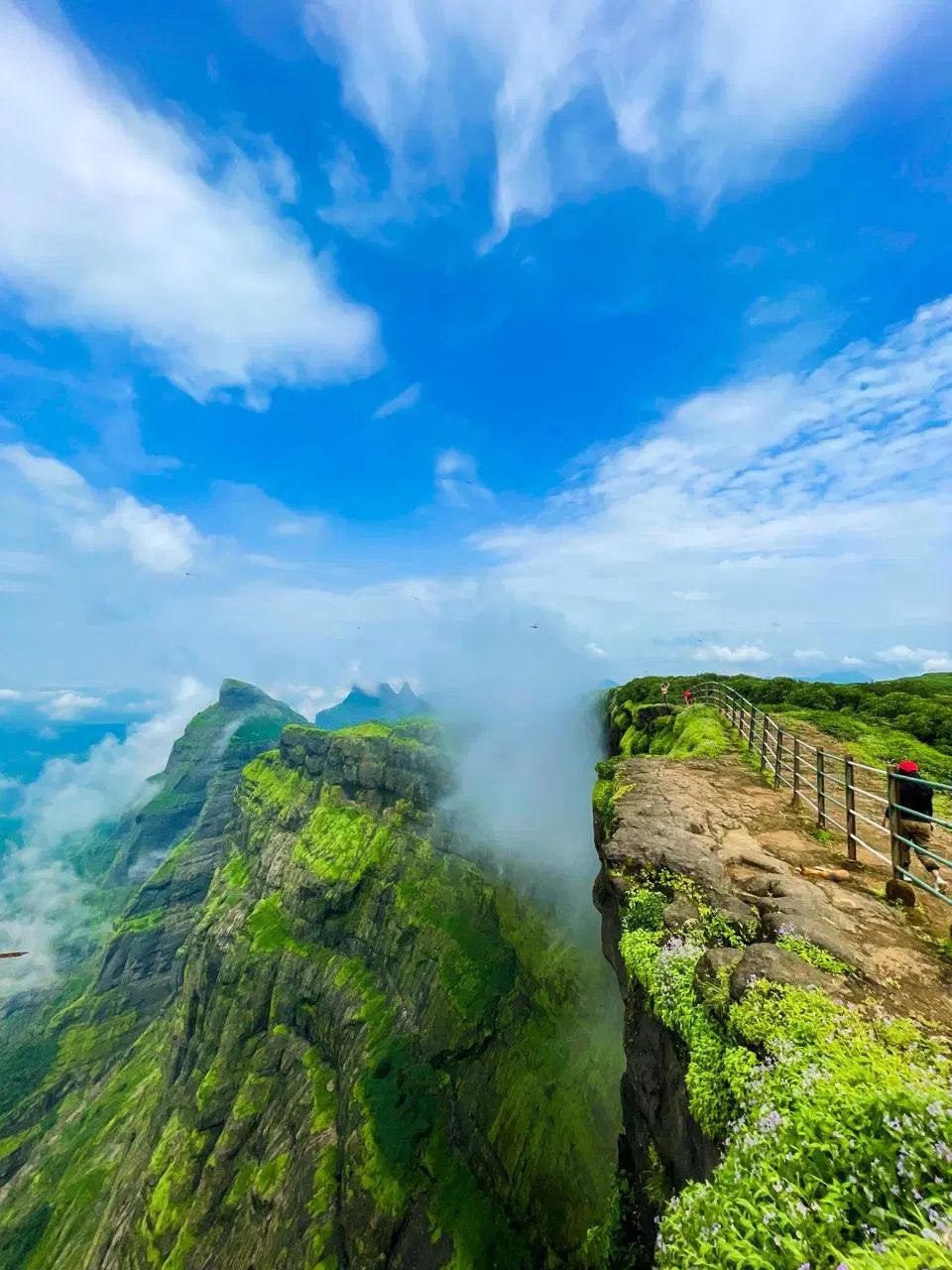
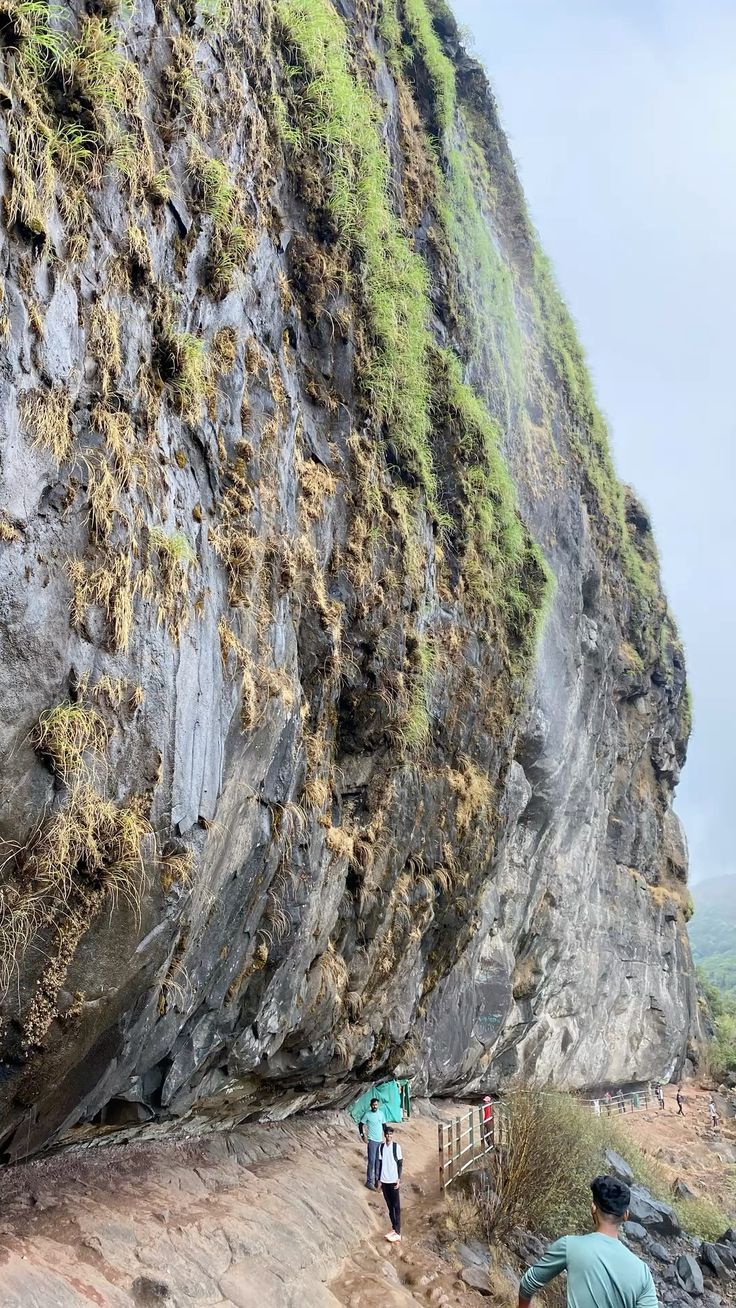
- Kokan Kada: A massive concave cliff famous for its dramatic drop and cloud formations.
- Taramati Peak: Taramati Peak is the highest point on the fort.
- Plateau Region: The fort sits on a large plateau surrounded by steep escarpments.
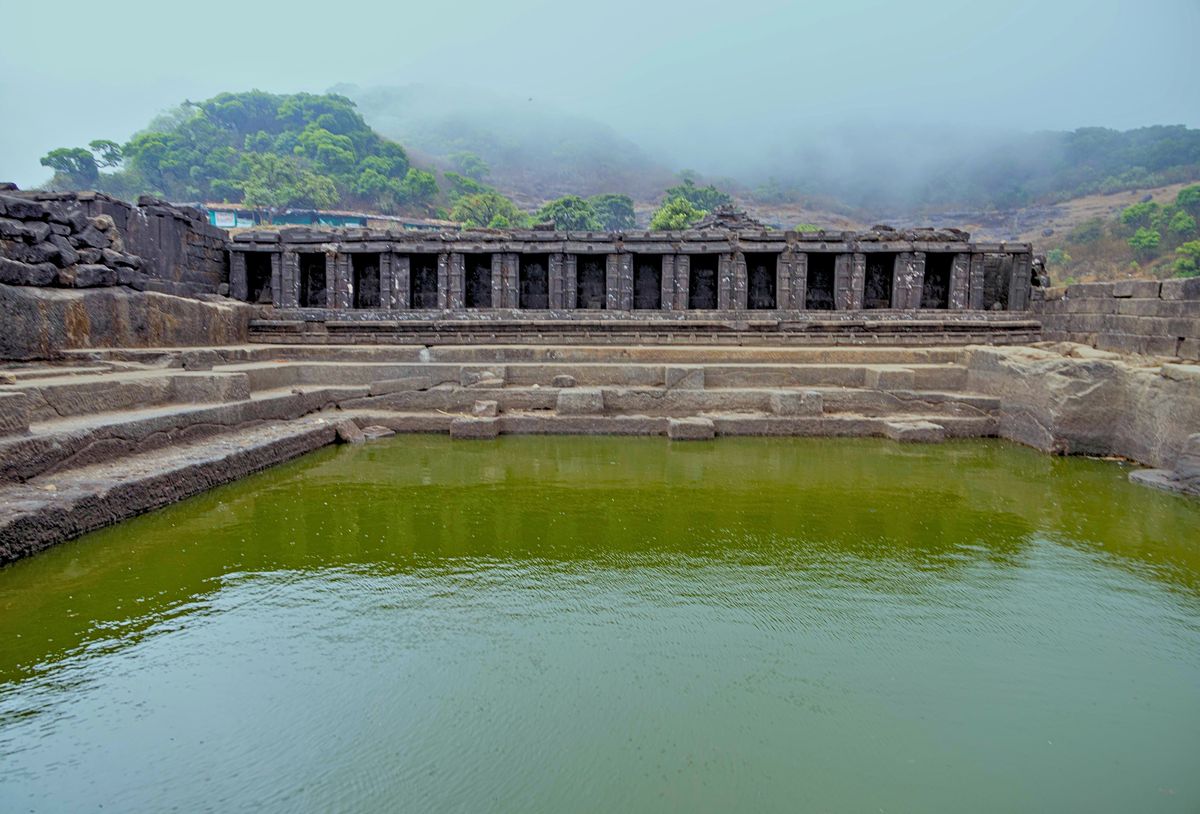
- Water Tanks: Several ancient rock-cut cisterns store water throughout the year.
- Forests: The area contains dense forests and forms part of the ecosystem of the Western Ghats, a biodiversity hotspot.
Climate
- Summer (March–May): 20°C–35°C
- Monsoon (June–September): Heavy rainfall, mist, lush greenery
- Winter (October–February): 10°C–25°C, clear views and ideal trekking conditions
Nearby Attractions
- Kokan Kada
- Harishchandreshwar Temple
- Kedareshwar Cave
- Taramati Peak
Harishchandragad is renowned for its rugged mountain terrain, sheer cliffs, ancient rock-cut structures, and panoramic views of the Sahyadri ranges.
Culture & Local Lifestyles
Local Communities
The villages around Harishchandragad, such as Pachnai and Khireshwar, are primarily inhabited by Marathi-speaking rural communities. Many families depend on agriculture, livestock rearing, and tourism-related activities such as guiding trekkers, providing homestays, and selling food.
Traditional Lifestyle
- Agriculture is the main occupation, with crops such as rice, millets (jowar and bajra), vegetables, and pulses grown according to seasonal rainfall.
- Cattle, goats, and poultry are commonly raised.
- Daily life is closely connected to the monsoon cycle and farming seasons.
- Houses are traditionally built using stone, mud, and tiled roofs, although modern construction is becoming more common.
Festivals and Traditions
The region celebrates major Maharashtrian festivals with enthusiasm:
- Ganesh Chaturthi
- Diwali
- Makar Sankranti
- Local temple fairs (jatras) dedicated to village deities
Traditional folk music, devotional songs (bhajans), and cultural gatherings are common during festivals.
Connection with Harishchandragad
The fort is not only a trekking destination but also a place of historical and religious significance. The ancient Harishchandreshwar Temple attracts pilgrims and visitors throughout the year. Local residents help preserve the site's heritage and often share stories, legends, and historical traditions associated with the fort.
Tourism and Modern Changes
- Trekking tourism has become an important source of income.
- Many villagers work as guides, campsite operators, transport providers, and homestay hosts.
- Increased tourism has brought economic opportunities while also creating awareness about environmental conservation and responsible trekking.
Local Values
The culture of the Harishchandragad region is characterized by:
- Hospitality toward visitors
- Strong community ties
- Respect for nature and local temples
- Preservation of traditional Maharashtrian customs alongside gradual modernization
Visitors often experience a blend of Sahyadri mountain culture, rural Maharashtrian traditions, and the warm hospitality of the local villages.
Food and Local Cuisine
1. Pithla Bhakri
- The most common meal served to trekkers.
- Pithla is a savory gram-flour curry, typically paired with bhakri (flatbread made from jowar or bajra).
- Nutritious, filling, and well-suited for the cool mountain climate.
2. Thecha
- A spicy chutney made from green chilies, garlic, and peanuts.
- Usually served alongside bhakri and pithla.
3. Poha
- Flattened rice cooked with onions, turmeric, and spices.
- A popular breakfast option before starting a trek.
4. Varan Bhat
- Simple lentil dal served with steamed rice.
- Often accompanied by pickle and papad.
5. Misal Pav
- A spicy curry of sprouted beans topped with farsan and served with bread rolls.
- Available in some nearby villages and towns.
Local Beverages
- Fresh buttermilk (taak)
- Hot tea (chai)
- Lemon water during summer months
Trekker-Friendly Meals
Many homestays and local food providers offer:
- Poha or upma for breakfast
- Pithla-bhakri for lunch
- Dal-rice, vegetables, and chapatis for dinner
- Tea and snacks during trekking breaks
Seasonal Foods
Because farming is the main occupation, meals often include:
- Fresh vegetables grown locally
- Seasonal fruits such as guava and mango (depending on the season)
- Millets like jowar and bajra, which are staple crops in the region
Dining Experience
Food around Harishchandragad is generally:
- Home-cooked and freshly prepared
- Mild to moderately spicy, though thecha can be very spicy
- Based on locally available ingredients
- Affordable and served with traditional Maharashtrian hospitality
For trekkers, a hot plate of pithla-bhakri and a cup of chai after reaching the fort is one of the most authentic local experiences in the Sahyadri mountains.
Accommodation
Visitors to Harishchandragad can choose from several accommodation options, ranging from village homestays to camping and cave stays.
1. Homestays in Base Villages
The most comfortable option is staying in the base villages of Pachnai and Khireshwar. Local families offer simple rooms or dormitory-style accommodation with bedding and home-cooked Maharashtrian meals. Basic facilities such as toilets, parking, and charging points are generally available.
2. Camping on the Fort
Camping is one of the most popular ways to experience Harishchandragad. Trekkers can pitch tents near:
- Kokan Kada
- Harishchandreshwar Temple
- Taramati Peak area
Tents can be brought personally or rented through local operators and villagers. The fort offers spectacular sunset, sunrise, and stargazing opportunities.
3. Cave Accommodation
Several ancient caves near the Harishchandreshwar Temple and at the base of Taramati Peak serve as natural shelters. The Ganesh Caves are commonly used by trekkers for overnight stays and can accommodate groups. These caves provide protection from wind and rain but may become crowded on weekends.
Important Notes
- There are no permanent hotels or resorts on the fort itself.
- Carry warm clothing, especially from November to February, as nights can be cold.
- Advance booking is recommended during weekends, holidays, and monsoon season.
Best Option for Most Visitors
- Families and beginners: Homestays in Pachnai.
- Adventure seekers: Camping near Kokan Kada.
- Budget trekkers: Cave stay near the temple complex.
This variety of accommodation allows visitors to enjoy Harishchandragad according to their comfort level while experiencing the unique atmosphere of the Sahyadri mountains.
Budget/Cost Estimation
The total cost depends on whether you do a DIY trek from Pune/Mumbai or join an organized trekking group.
ExpenseApproximate Cost (₹ per person)Pune/Mumbai to Base Village (bus/shared jeep)300–600Local transport to Pachnai/Khireshwar100–300Food & refreshments200–500Homestay (per night)500–1,000Tent camping300–600Guide (optional, shared)200–600Trekking gear rental (if needed)300–1,000
These ranges are consistent across recent trek guides and operator information.
Estimated Total Budget
Budget Trek (Day Trip)
- Public transport
- No overnight stay
- Basic food
Approximate Cost: ₹500–1,500 per person.
DIY Overnight Trek
- Public/shared transport
- Homestay or tent camping
- Meals included or purchased locally
Approximate Cost: ₹1,000–2,000 per person.
Organized Trek Package
Most Pune/Mumbai trekking groups offer:
- Transport
- Trek leader
- Meals
- Camping or stay
- Basic first aid
Approximate Cost: ₹1,500–3,000 per person, depending on inclusions and pickup city.
Sample Budget for a Student/Backpacker (from Pune)
ItemCost (₹)Pune → Pachnai transport400Food (2 meals + snacks)300Camping/Homestay500Miscellaneous300Total~1,500
Money-Saving Tips
- Travel in a group and split jeep costs.
- Stay in village homestays instead of organized camps.
- Carry your own water bottle and snacks.
- Use the Pachnai route if you're a beginner—it is the easiest and usually requires no guide.
Recommended budget for most visitors from Pune: ₹1,500–2,500 per person for a comfortable overnight Harishchandragad trip
Frequently Asked Questions
Popular Activities
Video and Photo Gallery
Related Stories
Traveller Reviews
No reviews yet
Be the first to share your experience!