Introduction
Long before Hajra Falls became a favorite spot for travelers, it was a quiet treasure hidden deep within the forests of Gondia. The history of this breathtaking waterfall dates back to the pre-colonial era, wrapping it in a sense of ancient wonder. For hundreds of years, the waterfall served as a vital water source for the tribal communities living nearby.
The name "Hajra" comes from the local village that grew near the waterfall centuries ago. Local stories tell us that indigenous groups always treated this place with great respect. To thank nature for the clean water, villagers started a special monsoon tradition called "Jal Pujan"—a simple ceremony where they offer prayers to the rushing falls.
For a very long time, only the local people knew about this beautiful spot. It was their secret place for peace and quiet. However, by the early 2000s, things began to change. The government noticed the beauty of the waterfall and built safe walking paths and viewing areas. This helped travelers from all over India discover the magic of the site. Today, Hajra Falls perfectly blends its ancient, natural past with a welcoming vibe for modern nature lovers.
History
While Kune Waterfall is celebrated today as a top monsoon getaway, its roots are deeply intertwined with the rich history of the Pune district. Long before it became a favorite spot for road-trippers and nature lovers, the surrounding Sahyadri range served as a strategic vantage point for the Maratha Empire. The region's rugged terrain and dense forests provided natural fortification and played a silent role in the historical movements between Mumbai and Pune.
Over the decades, as the twin hill stations of Lonavala and Khandala developed during the British era, Kune evolved from a hidden tribal secret into a prized scenic landmark. Local folklore often celebrates the waters as a symbol of the region's enduring natural vitality.
Today, the history of Kune Waterfall is less about ancient monuments and more about its timeless appeal. It stands as a living testament to Maharashtra's pristine wilderness, drawing generations of travelers who come to witness the exact same majestic views that have captivated locals for centuries. It’s a place where history isn't written in books, but felt in the timeless roar of the falling water.
Climate & Weather
Monsoon (June to September)
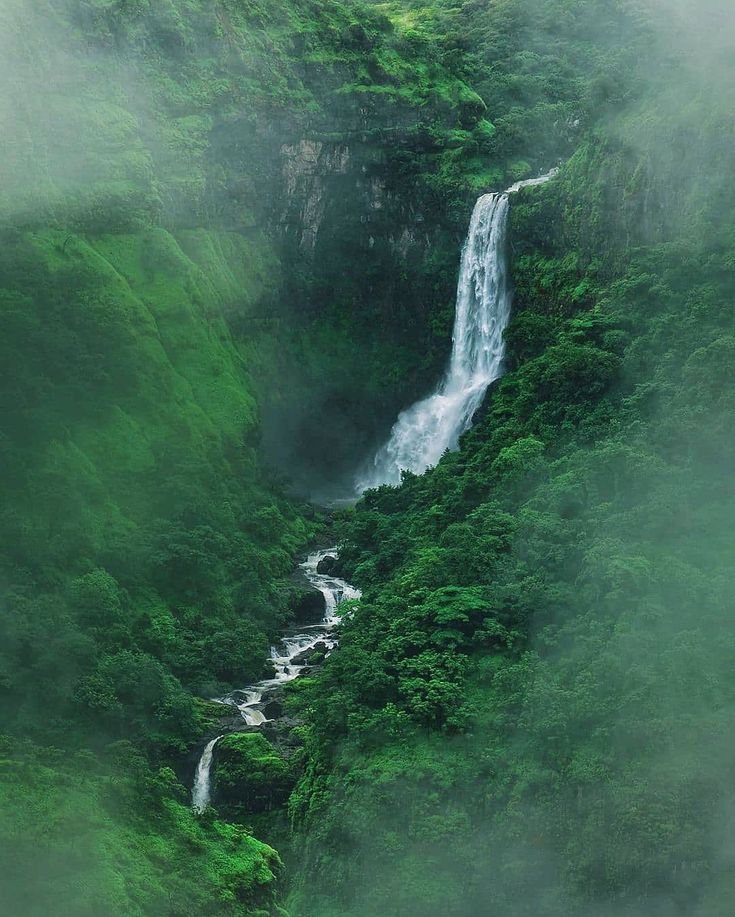
This is the absolute best time to visit Kune Waterfall. The arrival of the rains marks the peak tourist season, turning the Sahyadri hills into a vibrant, neon-green paradise. The waterfall operates at maximum volume, plunging dramatically through the heavy mist. It is the ultimate time for photography, road trips, and feeling the cool mountain spray on your face.
Winter (October to February)
If you want to avoid the intense rainy days and heavy weekend crowds, winter is a fantastic alternative. The post-monsoon weather is crisp and pleasant, making it perfect for trekking and roadside picnics. While the water flow gradually tapers off by January, the panoramic valley views remain stunning and clear.
Summer (March to May)
Summer is the off-season for Kune Waterfall. During these months, the weather in Lonavala becomes warm and humid, and the waterfall completely dries up. While it is a quiet time for budget travelers who want discounted resort stays, it is not a recommended travel period if you are coming specifically to see the cascades.
Transportation
Please select a transportation mode to view details
Facilities
As a raw, nature-first destination, Kune Waterfall offers a pleasantly rustic experience rather than heavy commercial infrastructure. Because the falls are located close to the main highway and nearby Kune village, you get the best of both worlds: untouched natural beauty alongside access to basic essentials.
Food & Dining
While you won't find fine-dining restaurants directly at the waterfall edge, the area features several local food stalls (tapris) that crop up during the peak monsoon season. They serve exactly what you crave in chilly, misty weather—steaming cups of masala chai, hot corn on the cob (bhutta), fresh pakodas, and local Maharashtrian snacks like Vada Pav. For a full sit-down meal, the main markets of Lonavala and Khandala are just a 5-to-10-minute drive away.
Parking
There is no large, structured parking plaza, but there are designated open spaces near the Kune Church landmark and along the approach road where visitors can park their cars and two-wheelers. During peak weekends in the monsoon, a nominal parking fee may be collected by locals managing the traffic. It is best to arrive early in the day to secure a spot close to the viewpoint.
Restrooms & Conveniences
Public restrooms are limited right at the immediate viewing spots. However, basic facilities can be accessed at the nearby petrol pumps on the old highway, or at the cafes and family resorts located within a 1-kilometer radius of the Kune village trail.
Geographical Information
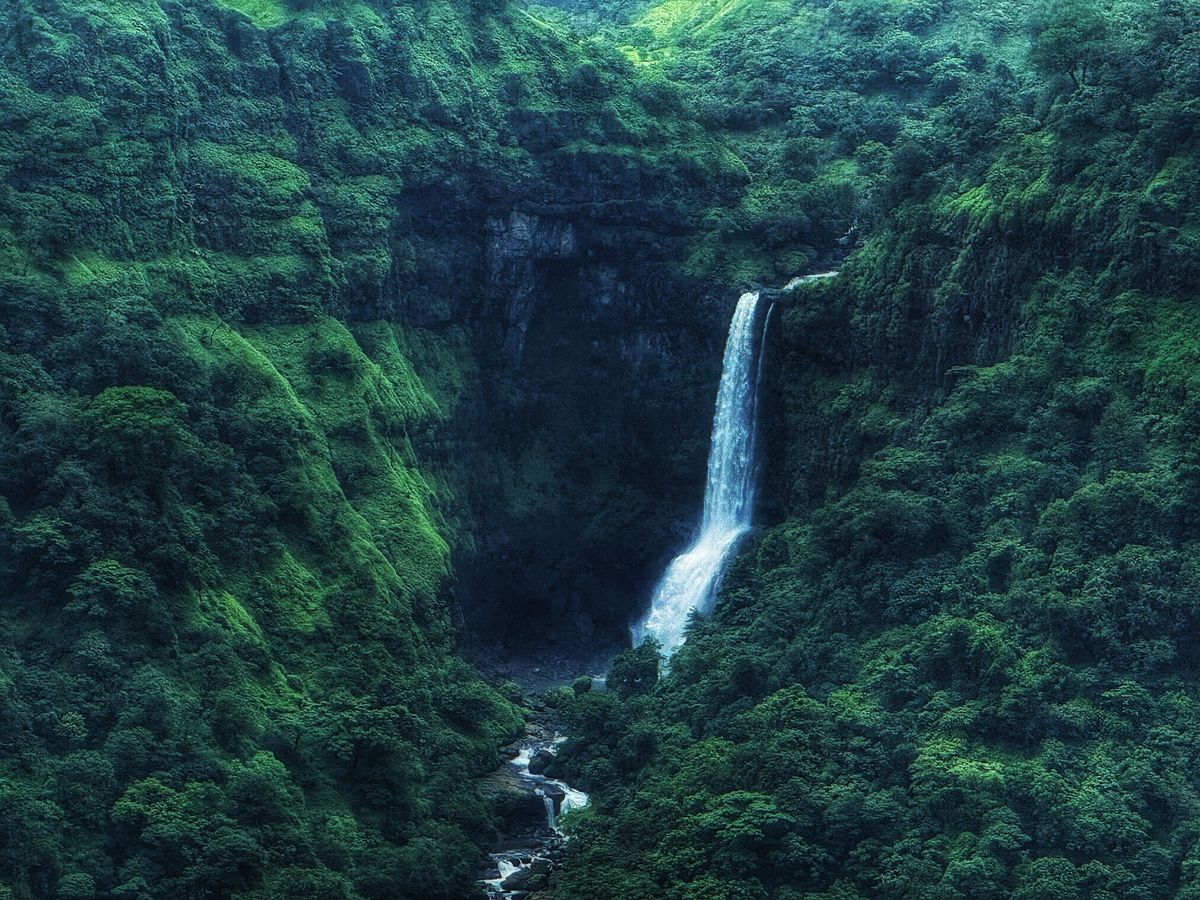
Kune Waterfall is beautifully cradled in the rugged Sahyadri Mountain Range, a spectacular portion of India’s Western Ghats. This stunning destination is situated in the Pune district of Maharashtra, perfectly bridging the gap between the popular twin hill stations of Lonavala and Khandala. Its strategic regional placement makes it a prominent natural landmark visible right from the old Mumbai-Pune Highway, standing as a grand gateway to the Deccan Plateau.
The landscape here is dramatically sculpted by nature, featuring sharp basalt cliffs, deep valleys, and dense tropical canopies that come alive with a thousand shades of green. As a classic three-tiered waterfall, its total drop spans an impressive 200 meters, making it a towering physical marvel in the region.
Geographically, Kune falls within a tropical monsoon climate zone. This means the terrain undergoes a breathtaking transformation throughout the year: it remains tranquil, dry, and stark during the summer, only to evolve into a roaring, mist-covered paradise when the seasonal rains saturate the mountainous landscape.
Culture & Local Lifestyles
Tucked away in the rugged embrace of the Western Ghats near Lonavala, Kune Waterfall is more than just a spectacular three-tiered cascade. It is a gateway to experiencing a rich tapestry of local culture and community spirit that defines the Sahyadri region. For travelers looking to step off the beaten tourist path, the area surrounding the falls offers a deeply humanized look into a lifestyle shaped by the mountains and the monsoons.
Traditions
The traditions here are intimately tied to nature. The communities surrounding Kune village hold a deep reverence for the land, water, and forests that sustain them. An authentic ritual you might witness is the blessing of the fields and water sources before the heavy monsoon rains begin. Hospitality is a foundational pillar of their cultural identity; visitors are routinely welcomed with genuine warmth, often invited to share a cup of freshly brewed hot tea or a simple home-cooked meal, making for deeply immersive cultural experiences.
Festivals
Life around the waterfall reaches a vibrant crescendo during local festivals. While Ganesh Chaturthi is celebrated with immense joy and rhythmic dhol-tasha drum beats, it is the monsoon harvest celebrations that truly highlight the region's rhythm. Festivals like Bail Pola—where farmers decorate and honor their bulls to thank them for their hard work—offer a colorful, heartwarming glimpse into rural Maharashtrian heritage.
The local lifestyle moves at a mindful, deliberate pace. In the mornings, you will see residents tending to terraced rice paddies or gathering wild berries and herbs from the hillsides. As tourism has grown, many locals have balanced their agricultural roots with eco-tourism, guiding trekkers or running small, family-owned food stalls. For a taste of daily life, nothing beats stopping by these stalls near the trailheads to enjoy hot misal pav or roasted corn on the cob while chatting with the vendors. It is an unhurried, communal way of living that invites travelers to slow down and appreciate the simple moments.
Food and Local Cuisine
Famous Dishes
When it comes to famous dishes, the region is synonymous with Lonavala Chikki—a crunchy, traditional sweet made from jaggery and nuts that visitors buy by the boxful. For something savory, the quintessential Maharashtrian Misal Pav reigns supreme. This dish features a spicy sprout curry topped with crunchy farsan (savory snack mix), chopped onions, and a squeeze of lemon, served alongside soft, buttered bread rolls. It is a hearty, flavor-packed meal that captures the true essence of traditional cuisine.
Street Food
The vibrant street food culture near Kune Falls comes alive during the monsoon season. As you walk the misty trails, you will find vendors roasting fresh corn on the cob over open charcoal grills, rubbing them with lemon juice, black salt, and chili powder. Another absolute must-try is the piping hot Kanda Bhajji (onion fritters). Crispy on the outside and soft inside, these fritters are the ultimate companion to a foggy mountain afternoon, especially when paired with a steaming cup of masala chai.
Restaurants/Cafes
For a sit-down meal after a long day of exploring, the nearby highway and Lonavala town offer some of the best food in Lonavala. Local dhabas and family-run restaurants serve excellent Maharashtrian thalis, featuring slow-cooked chicken rassa (spicy gravy) and bhakri (millet flatbread). If you prefer a more contemporary vibe, the area also features trendy garden cafes where you can enjoy artisanal coffee alongside global comfort food, providing a perfect blend of rustic charm and modern hospitality.
Accommodation
Budget Hotels
For backpackers and road-trippers looking for a smart, no-frills budget stay, the areas surrounding the Lonavala railway station and the old highway offer excellent options. These properties provide clean rooms, essential amenities like Wi-Fi and hot water, and easy access to local transport. Staying here allows you to keep your trip economical while remaining just a short drive away from the cascades.
Mid-range Hotels
If you are traveling with family or a group of friends, mid-range hotels in the region offer the perfect balance of comfort and value. Many of these properties feature beautiful swimming pools, multi-cuisine restaurants, and dedicated play areas for children. Choosing a mid-range hotel along the Khandala hillside ensures you get beautiful green views without stretching your vacation budget.
Luxury Resorts
For those looking to indulge, the hills around Kune Waterfall are home to world-class luxury resorts. These properties function as private sanctuaries, offering expansive infinity pools that overlook the Western Ghats, rejuvenating spas, and fine dining restaurants. Booking a luxury stay here means immersing yourself in premium comfort, where the monsoon mist floats right up to your private balcony.
Homestays
If you crave an authentic, humanized travel experience, the cozy homestays and private villas scattered around Kune village are a fantastic choice. Ranging from rustic pet-friendly cottages to modern bungalows with private lawns, homestays allow you to experience local hospitality firsthand. They are ideal for remote workers looking for a quiet retreat or families wanting a private, home-away-from-home vibe.
Budget/Cost Estimation
Planning a trip to Kune Waterfall is very affordable and easy on your pocket. Because the waterfall itself is a natural attraction with zero entry fees, your main expenses will only be for travel, food, and your stay.
Weekend Wander+ 1
Here is a simple, realistic cost breakdown per person to help you plan your trip budget:
1. Transport Cost
- Pocket-Friendly (Local Trains/Buses): ₹150 – ₹300 per day. Taking a local train from Mumbai or Pune to Lonavala is the cheapest option.
- Mid-Range (Own Car/Bike Fuel): ₹1,000 – ₹2,000 per day. Perfect for a fun road trip with friends or family.
- Premium (Private Rental Cab): ₹3,500 – ₹5,000 per day. Ideal for those who want a comfortable, stress-free drive.
2. Food Cost
- Street Food & Local Stalls: ₹150 – ₹300 per day. You can enjoy hot vada pav, corn on the cob, and cutting chai near the waterfall.
- Casual Cafes & Dhabas: ₹500 – ₹1,000 per day. Perfect for a hearty Punjabi or Maharashtrian lunch in Lonavala town.
- Fine Dining: ₹2,000+ per day. Enjoying a premium meal at a luxury resort overlooking the hills.
3. Accommodation Cost (Optional)
- Hostels & Budget Hotels: ₹800 – ₹1,500 per night. Clean, simple rooms for backpackers.
- Mid-Range Resorts & Villas: ₹2,500 – ₹5,000 per night. Great comfort and amenities for families.
- Luxury Resorts: ₹8,500 – ₹15,000+ per night. Premium stays with infinity pools and beautiful valley views.
4. Activities & Extras
- Basic Sightseeing: Free (No entry tickets required for the main waterfall viewpoints).
Weekend Wander
- Parking Fees: ₹20 – ₹50 for private vehicle parking managed by locals.
Frequently Asked Questions
Popular Activities
Video and Photo Gallery
Related Stories
Traveller Reviews
No reviews yet
Be the first to share your experience!