Introduction
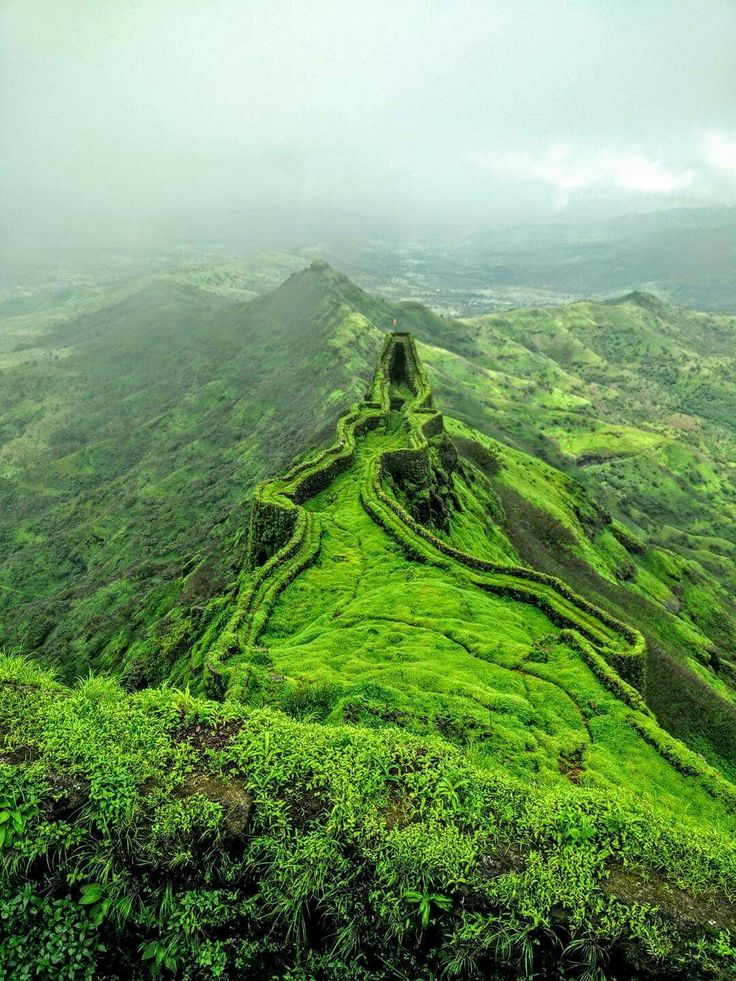
Torna Fort, also known as Prachandagad ("The Massive Fort"), is one of the most significant and historically important forts in Maharashtra. Located near Velhe village in Pune district, the fort stands at an elevation of approximately 1,403 meters (4,603 feet) above sea level, making it the highest hill fort in the Pune region.
Torna Fort holds a special place in Maratha history as it was the first fort captured by Chhatrapati Shivaji Maharaj in 1646, laying the foundation for the Maratha Empire. Its strategic location, strong fortifications, and commanding views of the Sahyadri ranges made it an important military stronghold.
Today, Torna Fort is a popular destination for trekkers, history enthusiasts, and nature lovers. Known for its rugged trails, ancient structures, scenic viewpoints, and attractions such as Budhla Machi and Zunjar Machi, the fort offers a perfect blend of history, adventure, and natural beauty. Its proximity to Pune makes it one of the most sought-after trekking destinations in Maharashtra.
History
Torna Fort, also known as Prachandagad, has a rich and glorious history that dates back several centuries. The fort is believed to have been built around the 13th century by the Shaiva Panth followers during the reign of the Yadava dynasty. Due to its strategic location in the Sahyadri Mountains, it served as an important military outpost and watchtower.
Torna Fort gained immense historical significance in 1646, when the young Chhatrapati Shivaji Maharaj captured it at the age of 16. This was the first fort acquired by Shivaji Maharaj and marked the beginning of the Maratha Empire and his vision of establishing Hindavi Swarajya. Upon capturing the fort, he discovered a hidden treasure, which was later used to strengthen and expand nearby forts, including Rajgad Fort.
Recognizing its massive size and strong defenses, Shivaji Maharaj renamed the fort Prachandagad, meaning "The Massive Fort." The fort played a vital role in the Maratha defense system and remained under Maratha control for many years.
During the late 17th and early 18th centuries, Torna witnessed several military activities and conflicts involving the Marathas and the Mughals. Eventually, following the decline of the Maratha Empire, the fort came under British control in 1818 after the Third Anglo-Maratha War.
Today, Torna Fort stands as a symbol of Maratha pride and valor. Its ancient gateways, fortifications, temples, and bastions continue to attract history enthusiasts and trekkers who wish to explore the birthplace of Shivaji Maharaj's remarkable journey toward establishing a powerful empire.
Climate & Weather
Torna Fort experiences a pleasant mountain climate due to its high elevation in the Sahyadri range. The fort has three main seasons: monsoon, winter, and summer, each offering a unique trekking experience.
🌧️ Monsoon (June – September)
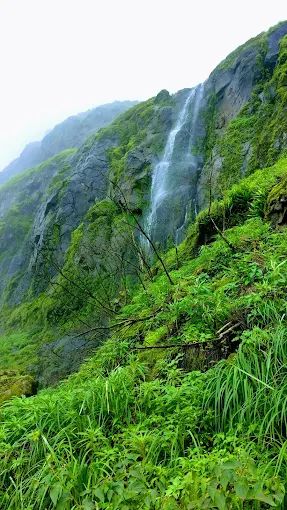
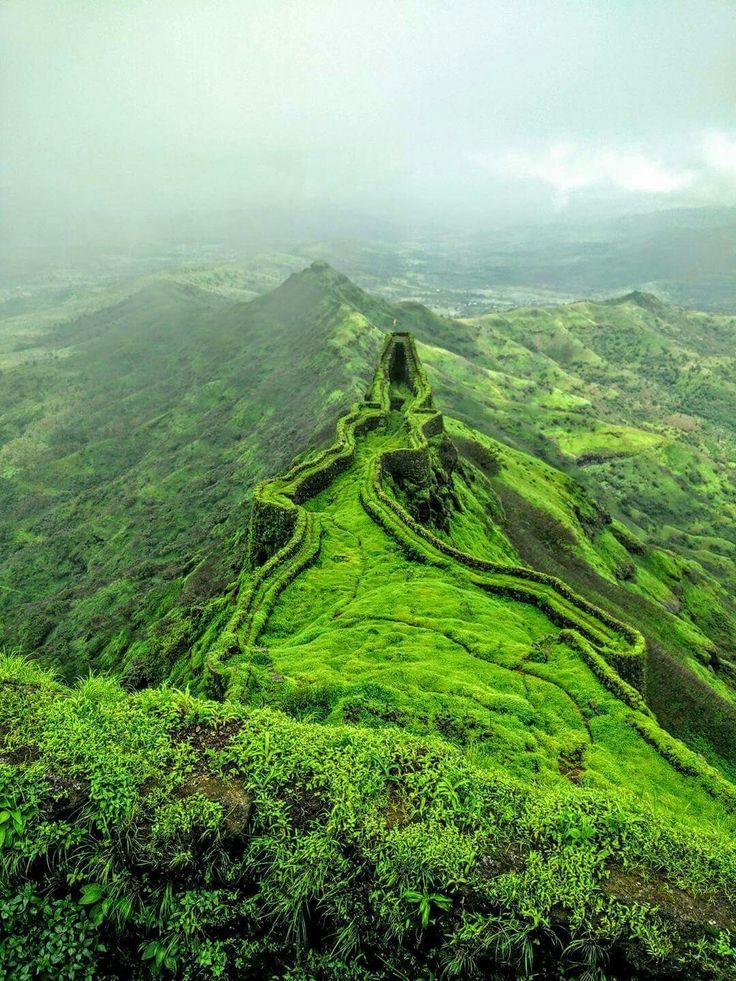
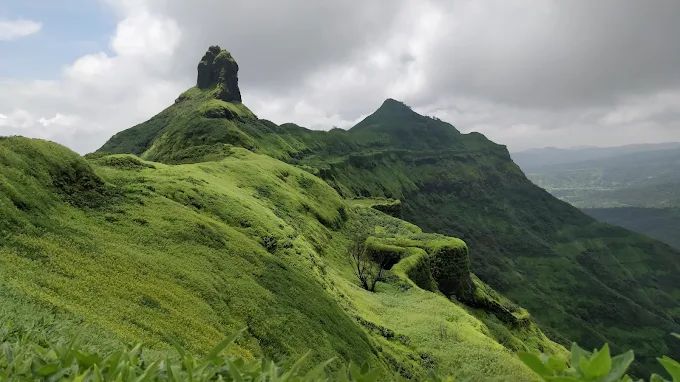
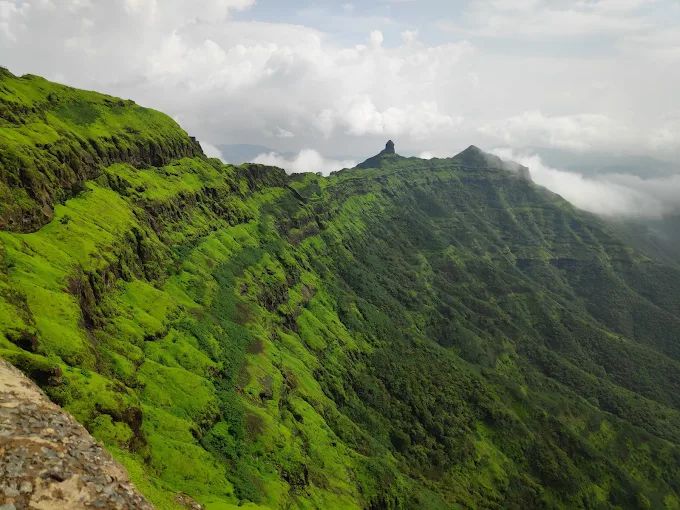
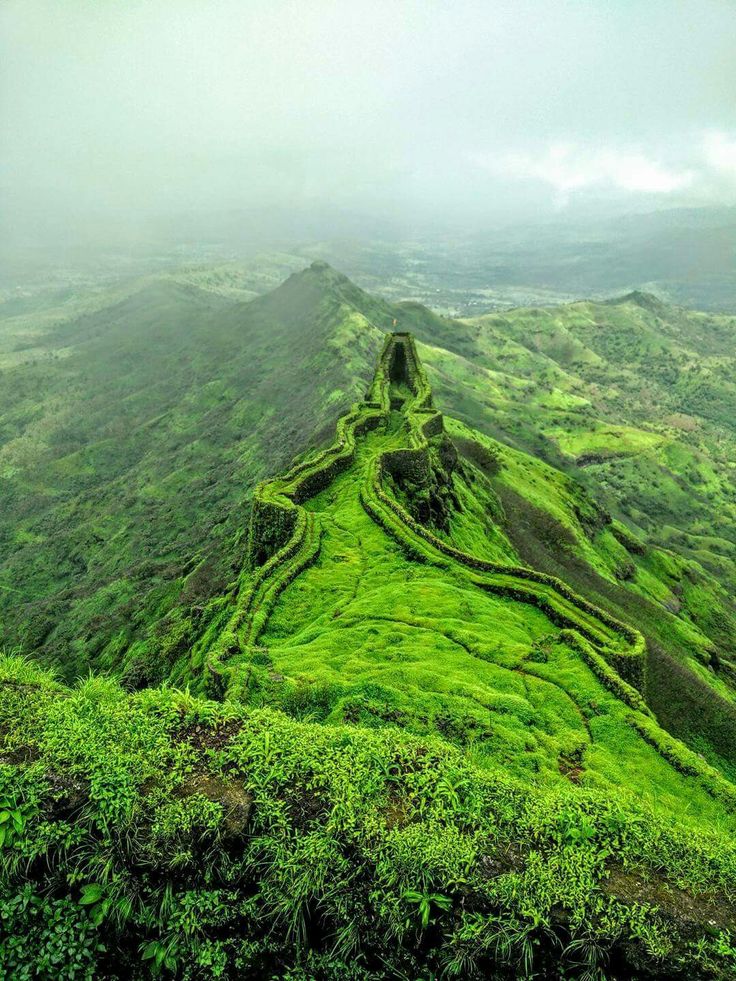
Monsoon transforms Torna Fort into a lush green paradise. The hills are covered with dense vegetation, clouds, and waterfalls, making it one of the most scenic trekking destinations in Maharashtra.
Temperature: 15°C – 25°C
Highlights:
- Spectacular greenery and misty views
- Waterfalls and flowing streams
- Excellent photography opportunities
Note: Trails can be slippery and windy during heavy rainfall.
🍃 Winter (October – February)
Winter is considered the best season for trekking and fort exploration. The weather remains cool and pleasant, with clear skies and excellent visibility.
Temperature: 10°C – 25°C
Highlights:
- Comfortable trekking conditions
- Clear panoramic views of the Sahyadri ranges
- Ideal for camping and photography
☀️ Summer (March – May)
Summers are moderately warm, though the fort's elevation keeps temperatures lower than nearby cities.
Temperature: 20°C – 35°C
Highlights:
- Clear trekking routes
- Less crowded trails
- Suitable for early morning treks
Torna Fort experiences a pleasant mountain climate due to its high elevation in the Sahyadri range. The fort has three main seasons: monsoon, winter, and summer, each offering a unique trekking experience.
🌧️ Monsoon (June – September)
Monsoon transforms Torna Fort into a lush green paradise. The hills are covered with dense vegetation, clouds, and waterfalls, making it one of the most scenic trekking destinations in Maharashtra.
Temperature: 15°C – 25°C
Highlights:
- Spectacular greenery and misty views
- Waterfalls and flowing streams
- Excellent photography opportunities
Note: Trails can be slippery and windy during heavy rainfall.
🍃 Winter (October – February)
Winter is considered the best season for trekking and fort exploration. The weather remains cool and pleasant, with clear skies and excellent visibility.
Temperature: 10°C – 25°C
Highlights:
- Comfortable trekking conditions
- Clear panoramic views of the Sahyadri ranges
- Ideal for camping and photography
☀️ Summer (March – May)
Summers are moderately warm, though the fort's elevation keeps temperatures lower than nearby cities.
Temperature: 20°C – 35°C
Highlights:
- Clear trekking routes
- Less crowded trails
- Suitable for early morning treks
Transportation
Please select a transportation mode to view details
Facilities
Planning a trek to the highest hill fort in Pune? Before you lace up your boots to conquer Torna Fort (Prachandagad), knowing the ground reality of the available facilities will keep your adventure smooth and safe.
Because Torna is a rugged heritage site, the facilities are split between the rustic summit and the resourceful base village, Velhe.
Food & Local Cuisine
- At the Base (Velhe): You will find plenty of local eateries serving authentic Maharashtrian breakfast (Misal Pav, Poha) and heavy lunches featuring local Pithla Bhakri or hot veg/non-veg thalis.
- On the Fort: There are no proper restaurants or shops at the top. Occasionally, local villagers sell lime juice (Nimbu Paani) and butter milk along the trail during weekends, but carrying light snacks (energy bars, glucose) is highly recommended.
Stay & Camping
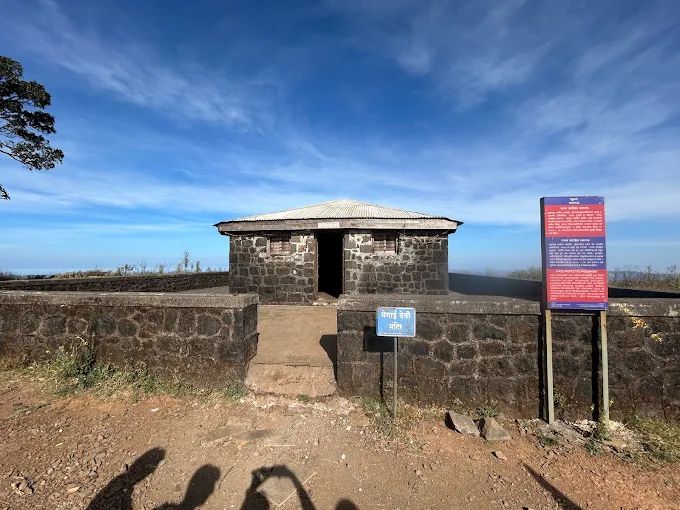
- Mengai Goddess Temple: The historic temple at the summit is solid, safe, and frequently used by trekkers for overnight shelter.
- Camping: The fort offers open spaces like Budhla Machi and Zunjar Machi, which are perfect for pitch-your-own-tent camping under the stars.
- Resorts: If you prefer comfort, family-friendly agro-tourism resorts and budget hostels are located right at the base village.
Drinking Water & Washrooms
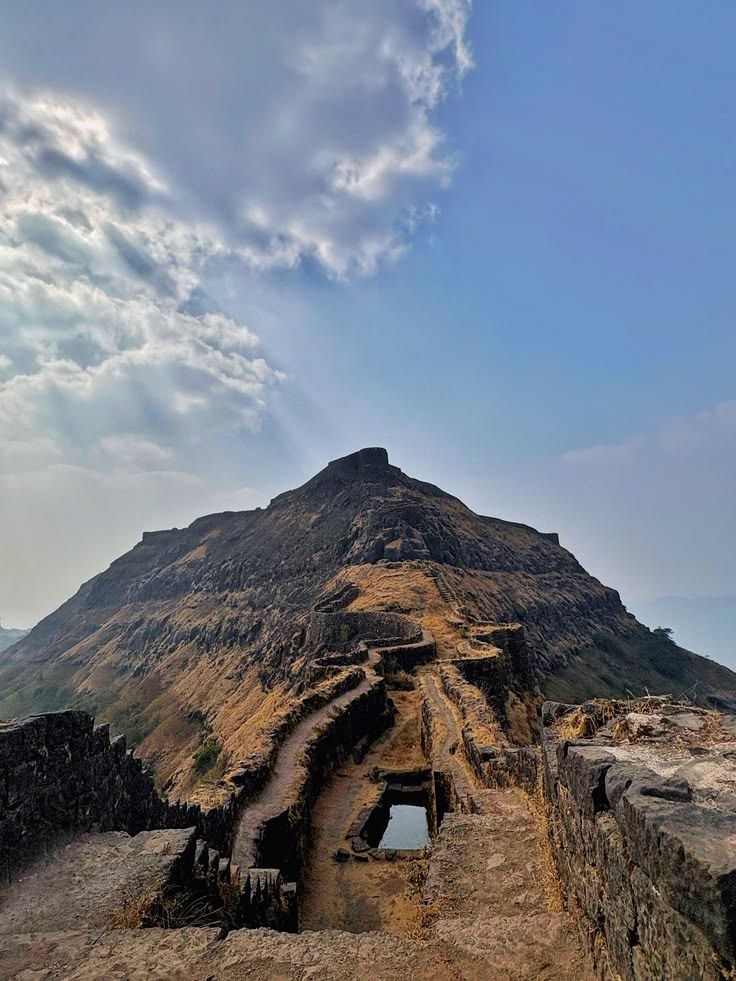
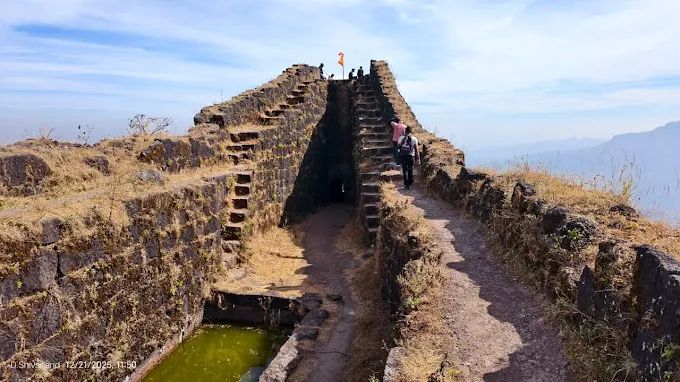
- Water Cisterns: There are ancient water tanks (Khokad Taake) on the fort. While the water is functional, it is best to carry 2–3 liters of your own bottled water.
- Washrooms: Public toilets are only available at the base village. There are zero washroom facilities once you start climbing the trail.
Pro-Tip: Park your vehicles safely at the designated spaces in Velhe village before beginning your 3-hour journey to the top.
Geographical Information
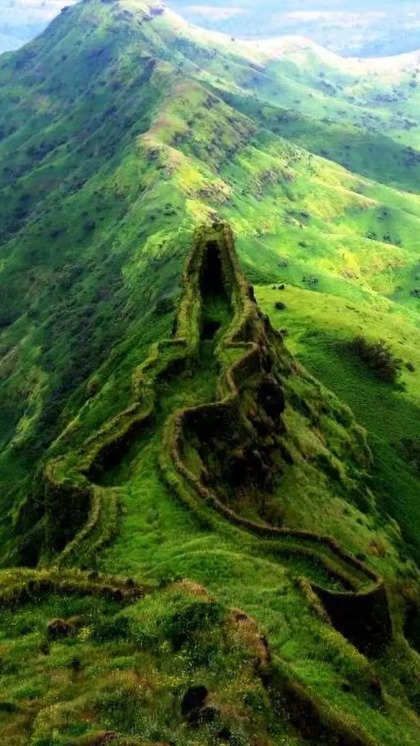
Perched majestically at 1,403 meters (4,603 feet) above sea level, Torna Fort is the highest hill fort in the Pune district. Located in the southwestern part of the Sahyadri mountain range (Western Ghats), this historic stronghold sits near the base village of Velhe, about 60 kilometers from Pune city. Because it is so high up, it towers over the surrounding valleys, offering a strategic view that has guarded the region for centuries.
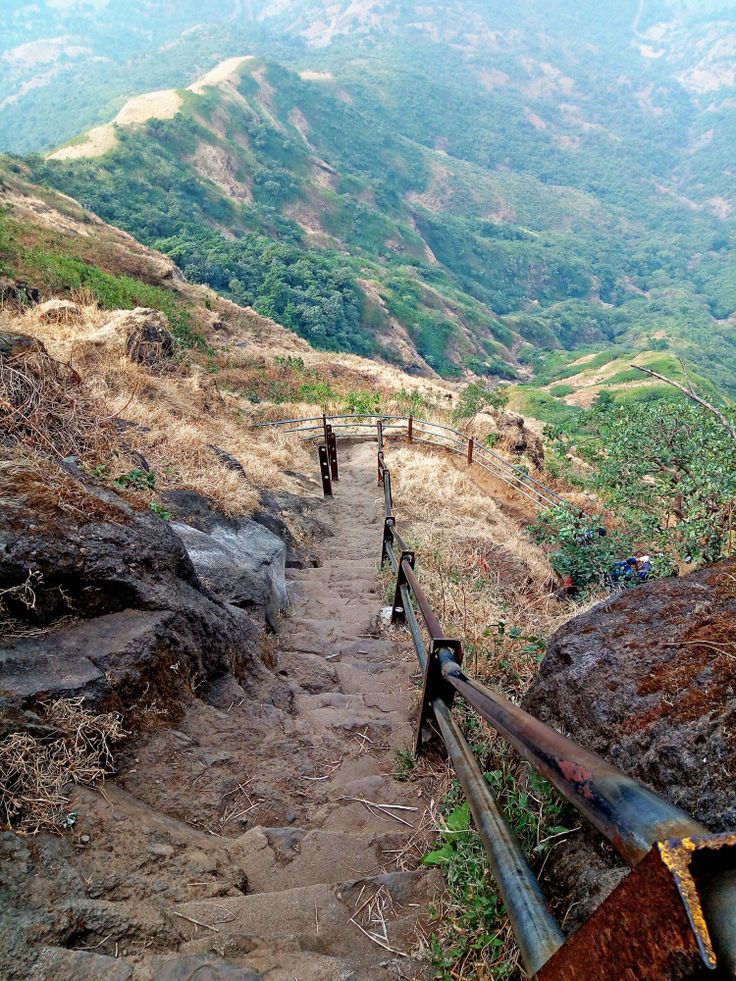
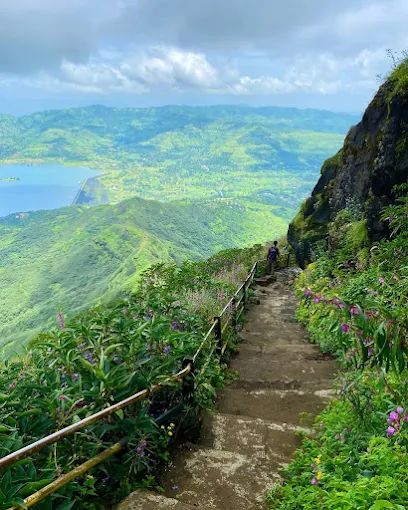
The terrain is a dramatic mix of rugged cliffs, massive rock steps, and large, flat plateaus known locally as Machis. The landscape changes beautifully with the seasons. It looks like a sun-kissed, golden-brown fortress in the dry months, but turns into a vibrant, mist-covered green paradise during the monsoons.
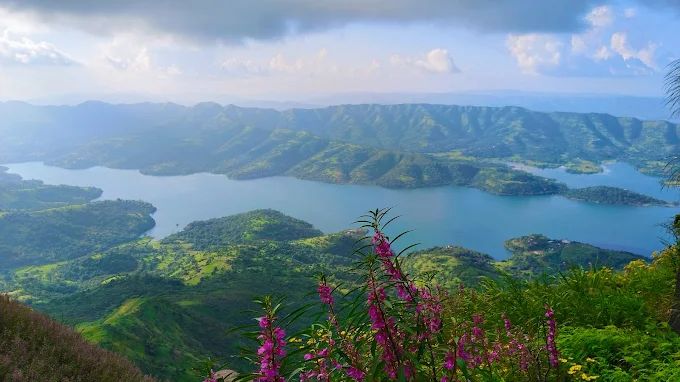
Torna has a pleasant hill climate with refreshing breezes and cool mountain temperatures year-round. However, it gets heavy rainfall from June to September, which creates beautiful waterfalls in the neighboring valleys. From the top, you get breathtaking, panoramic views of the nearby Panshet and Gunjawani dams, as well as the famous peaks of Rajgad and Sinhagad forts.
Culture & Local Lifestyles
To truly experience Torna Fort, you have to look beyond its massive stone walls and connect with the people who call this region home. The local culture here is deeply rooted in the proud legacy of the Maratha Empire, and the hospitality of the base village, Velhe, makes every traveler feel like an honored guest.
Traditions
Life around Torna is built on a foundation of deep respect for history and nature. The local culture revolves around Fort Worship (Killa Pujan), where villagers protect and honor these historic structures as sacred spaces. A central figure in local traditions is Goddess Mengai. Her ancient temple sits right at the summit, serving as a spiritual anchor for the community. Trekkers are always encouraged to visit respectfully, offering a glimpse into the spiritual bond between the people and the mountain.
Festivals
If you want to experience the local lifestyle at its most vibrant, timing your visit during major festivals is a must. Shiv Jayanti (the birth anniversary of Chhatrapati Shivaji Maharaj) turns the entire region into a sea of saffron flags, traditional dhol-tasha drums, and energetic processions. Navratri is another spectacular time, as locals hike up the fort to light up the Mengai temple with lamps and hold night-long celebrations. Participating in or witnessing these events offers unmatched, authentic cultural experiences.
Daily Life
The daily local lifestyle is simple, sustainable, and closely tied to the seasons. Most villagers engage in terrace farming, growing paddy (rice) and nachni (finger millet) along the mountain slopes. Because tourism has grown, many families open their homes to travelers, sharing home-cooked Maharashtrian meals like Pithla Bhakri cooked on traditional wood-fired stoves. Engaging with the locals over a hot cup of tea at the base village is the best way to understand their resilient spirit and warm community life.
Food and Local Cuisine
No trek to Torna Fort is complete without diving into the flavors of the region. The journey offers an incredible opportunity to savor authentic local food, where spicy rustic dishes fuel your climb and reward your efforts at the summit.
Famous Dishes
The absolute star of the traditional cuisine here is Pithla Bhakri. It is a comforting, thick gram-flour curry served alongside hot, wood-fired flatbreads made from jowar or bajra. Pair it with Thecha—a fiery green chili and garlic chutney—for the ultimate flavor punch. For meat lovers, the rustic, slow-cooked chicken or mutton thalis served with spiced gravy (Rassa) offer a hearty, unforgettable meal after a long day on the trail.
Street Food
Before you start your morning ascent, the local street food keeps your energy high. You will find small stalls serving steaming plates of Kanda Poha (flattened rice cooked with onions and turmeric) and spicy Misal Pav (a flavorful sprout curry topped with crunchy farsan). Along the trekking route, enterprising locals often set up makeshift stalls selling refreshing glassfuls of freshly squeezed Taas (buttermilk) and sweet lime juice, providing the perfect hydration break.
Restaurants & Cafes
You will find the best food in Velhe, the base village of Torna. The area is lined with simple, family-run eateries known as Khanavals and cozy agro-tourism resorts. These places focus heavily on warm hospitality, serving unlimited home-cooked thalis made from fresh, locally sourced ingredients. Sitting on a wooden bench, chatting with the hosts, and enjoying a hot meal is the perfect way to support local food tourism while refueling your body.
Accommodation
Finding the best accommodation near Torna Fort depends entirely on the kind of adventure you are looking for. Because Torna is an eco-sensitive heritage site, most stay options are located at the base village of Velhe, offering location convenience for an early morning climb.
Budget Stay & Hostels
For backpackers, solo travelers, and trekking groups looking to save cash, backpacker hostels and basic lodges near Velhe are ideal. These options provide clean bunk beds or private rooms, high-speed Wi-Fi, and common lounges where you can connect with fellow trekkers. They offer a highly social, pocket-friendly environment just a short distance from the starting trail.
Mid-Range Hotels & Agro-Resorts
If you are traveling with family or prefer a balance of comfort and affordability, mid-range hotels and local agro-tourism resorts are your best bet. These properties offer comfortable private rooms, green open spaces, and gorgeous views of the surrounding Sahyadri hills. Most of these stays bundle your room package with authentic, farm-to-table Maharashtrian meals cooked over traditional wood fires.
Luxury Resorts & Private Villas
For travelers wanting a premium getaway after a grueling trek, the surrounding valley features stunning luxury resorts and boutique mountain villas. These high-end properties offer private infinity pools overlooking the valleys, premium amenities, indoor games, and personalized hospitality. It is the perfect setup to unwind in style surrounded by mist-covered peaks.
Homestays
To immerse yourself in the local way of life, choosing local homestays in Velhe village is an incredible option. Run by local families, these cozy accommodations let you stay in traditional rural settings. It is a fantastic way to experience heartfelt hospitality, learn about the region's rich history directly from the locals, and support the community's sustainable tourism.
Budget/Cost Estimation
Planning your financial budget for the Torna Fort trek is incredibly straightforward. It is one of the most affordable travel getaways near Pune. Whether you are aiming for a pocket-friendly solo backpacking trip or choosing an all-inclusive guided adventure, your estimated expenses will remain highly manageable.
To help with your trip preparation, here is a transparent breakdown of your estimated travel cost based on different budget levels:
Budget Travel (Solo/DIY)
- Transport: Low cost, using state transport buses or shared fuel for motorcycles (₹150 – ₹300 per person).
- Food: Basic local snacks like Poha, Misal Pav, and carrying your own water bottles (₹150 – ₹250 per day).
- Stay: Free camping at the Mengai temple or using your own pitch-your-own tents (₹0).
- Activities: Self-guided exploring with zero entry fees (₹0).
Mid-Range (Organized Trek)
- Transport: Shared private buses or mini-vans included in the trek operator bundle from Pune (₹1,000 – ₹1,300) or Mumbai (₹1,700 – ₹2,000).
- Food: Full standard breakfast, evening tea, and traditional Maharashtrian veg thalis provided by the organizers (included in the package).
- Stay: Basic village homestays or pre-arranged group camps at the base village (included if opting for weekend camping packages).
- Activities: Group guide fees, historical storytelling, safety expertise, and first-aid support (included).
Premium / Staycation
- Transport: Private cab rentals or personal SUV fuel costs (₹2,500 – ₹4,000).
- Food: Multi-cuisine resort dining and premium packed meals for the trail (₹800 – ₹1,500 per day).
- Stay: Boutique valley villas, private cottages, or luxury agro-resorts near Velhe (₹3,000 – ₹6,000 per night).
- Activities: Personalized historical guides (₹500 – ₹1,000) and custom resort activities.
Key Takeaways for Financial Planning
- Highly Affordable Travel: If you manage the trip on your own, your absolute baseline expenses are incredibly low because there are no official fort entry fees.
- Predictable Expenses: Joining a weekend group trek bundles all your basic needs into a single, predictable trip budget.
- Carry Cash: Always keep a small amount of emergency cash handy for local parking fees (₹10 – ₹50) or refreshing lime juice stalls along the mountain trail, as digital payments can fail due to poor network coverage on the hills.
Frequently Asked Questions
Popular Activities
Video and Photo Gallery
Related Stories
Traveller Reviews
No reviews yet
Be the first to share your experience!