Introduction
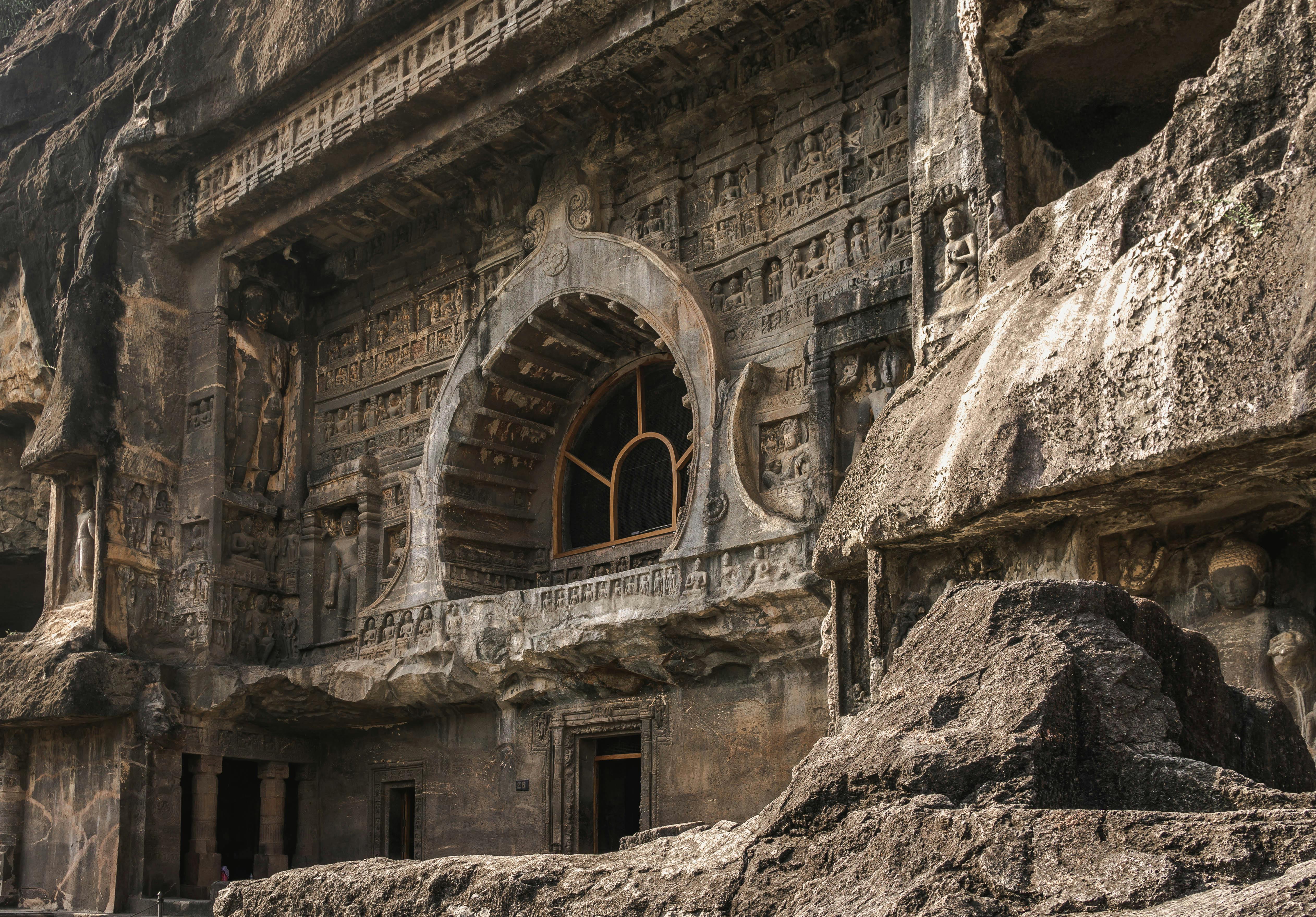
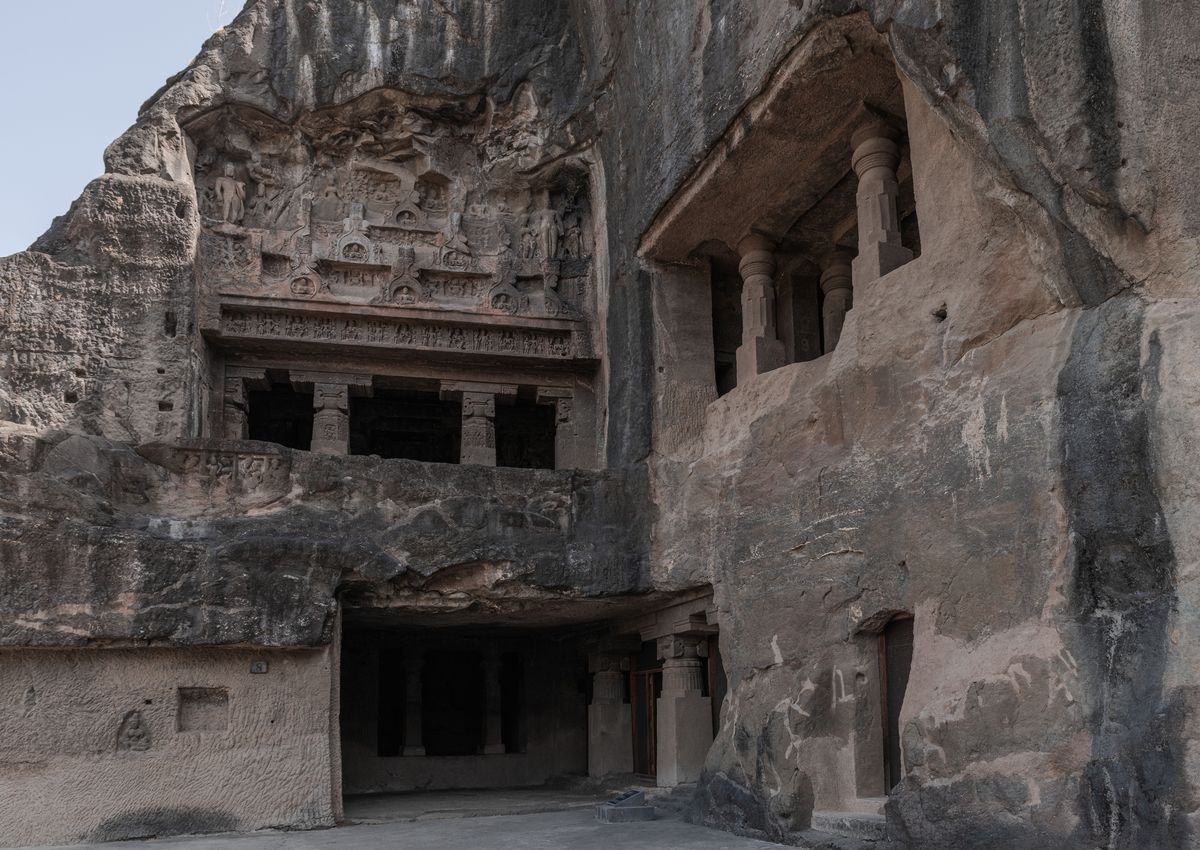
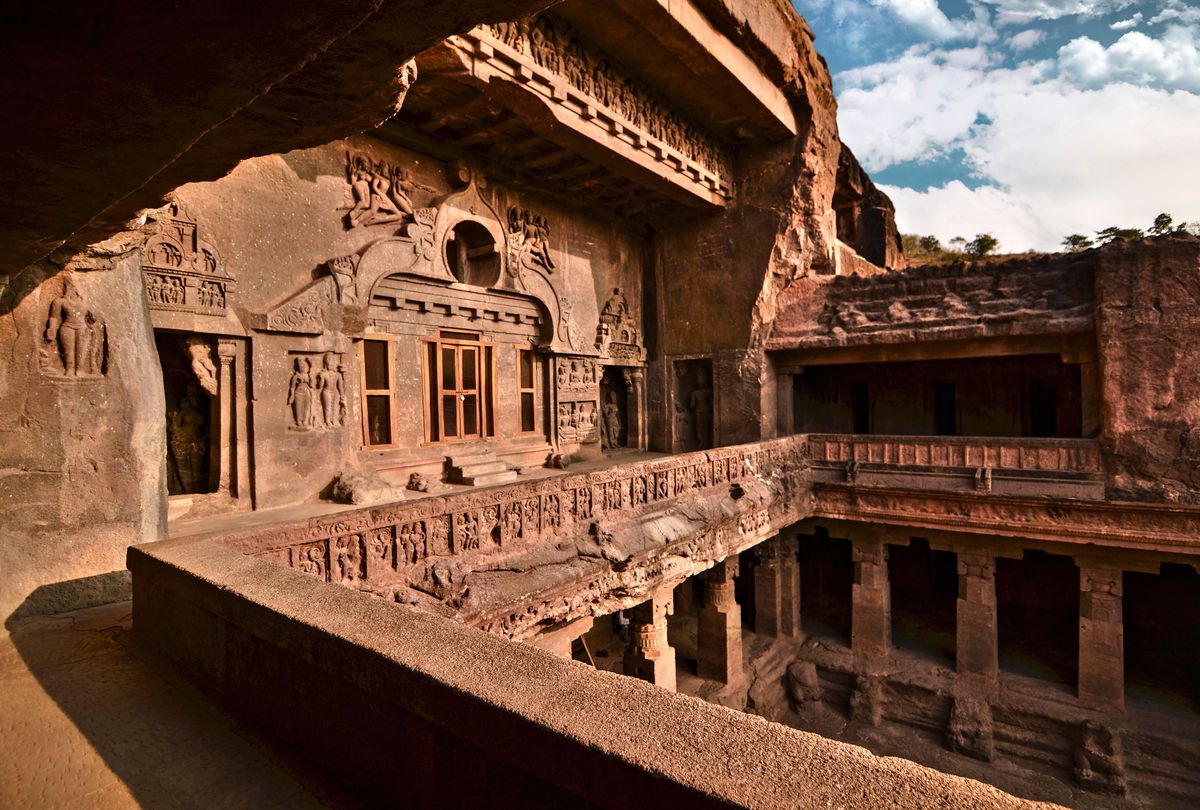
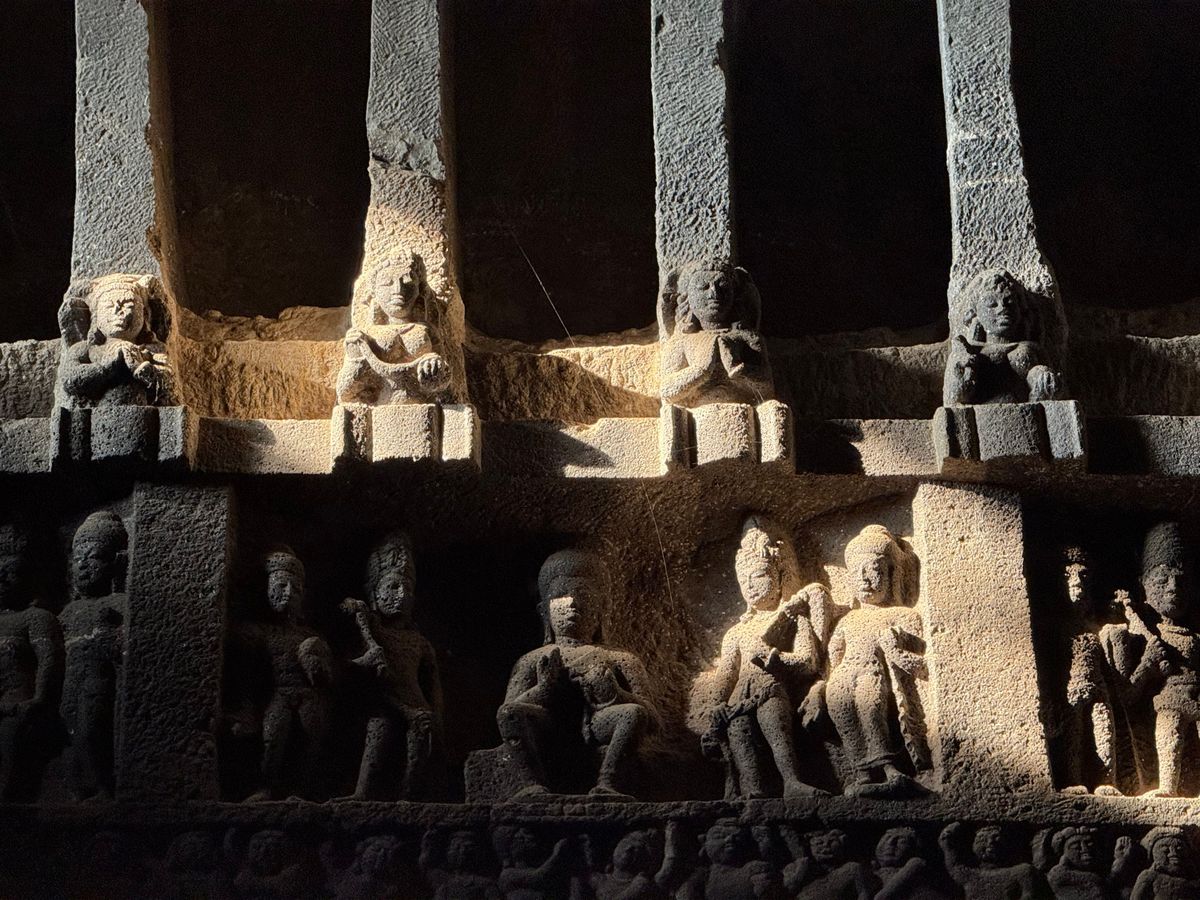
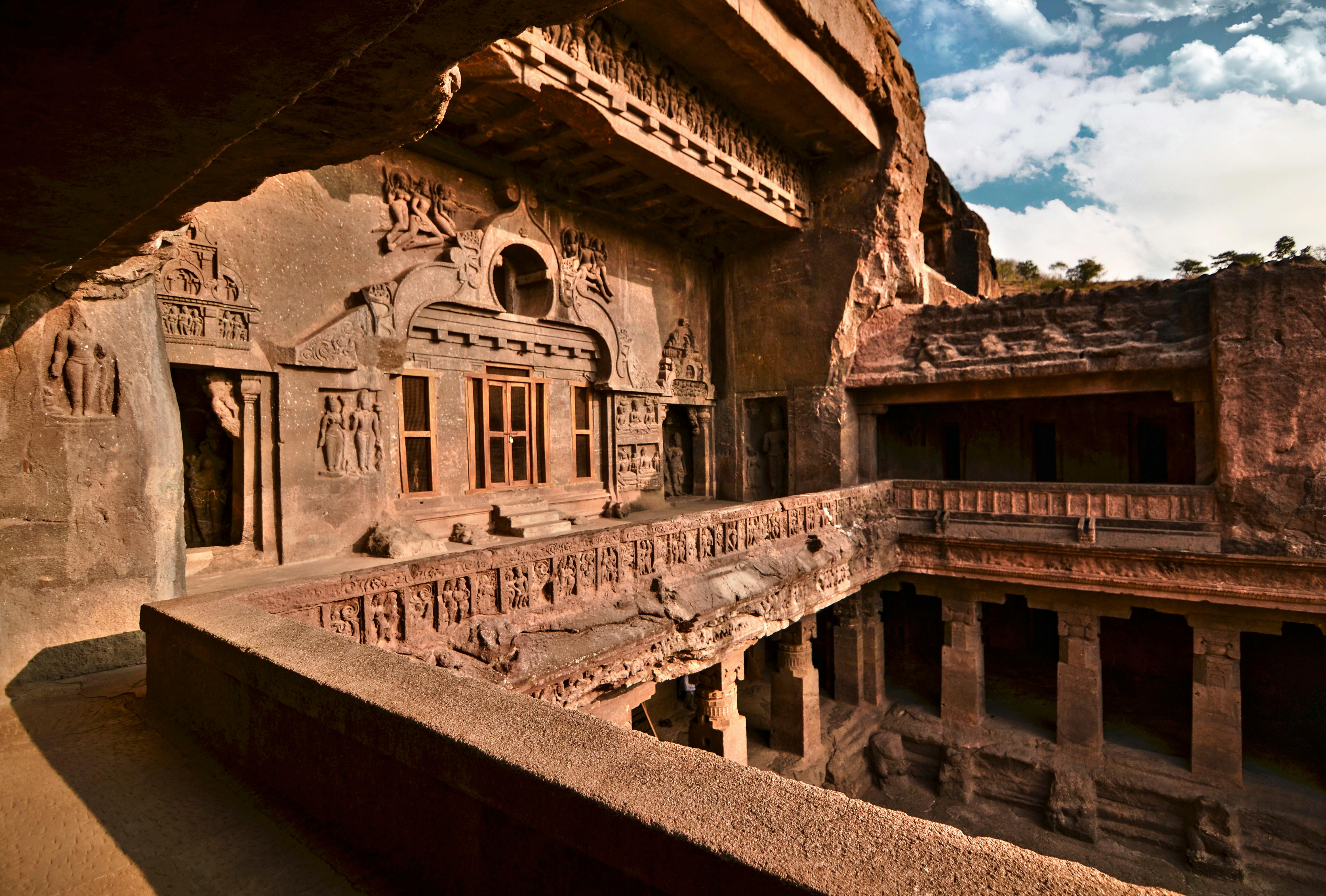
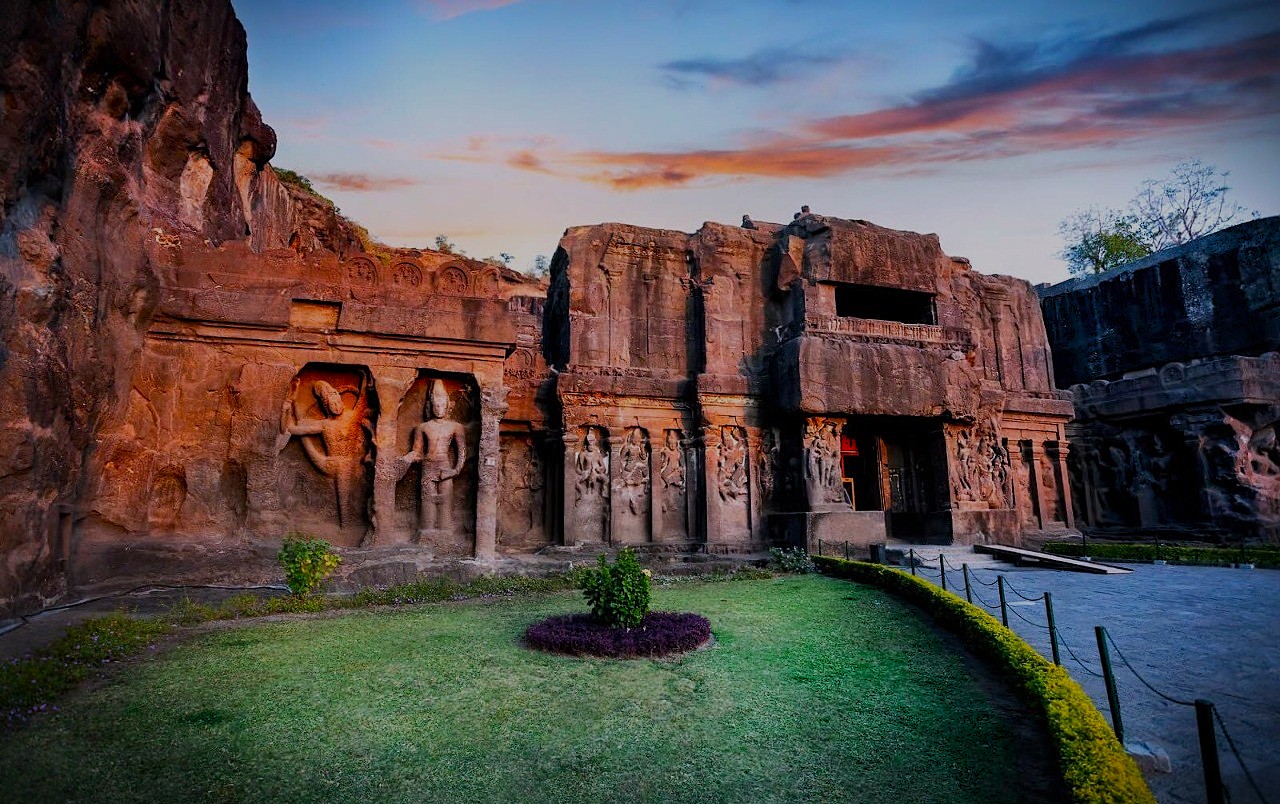
The Ajanta and Ellora Caves are magnificent underground wonders located in Maharashtra, India, near the city of Chhatrapati Sambhajinagar. These two UNESCO World Heritage sites are world-famous for their ancient temples and monasteries, which were carved directly into solid mountain rock by hand. Ajanta is known for its beautiful Buddhist paintings inside a hidden green valley. Nearby, Ellora holds a massive collection of Hindu, Buddhist, and Jain monuments cut into a single hillside.
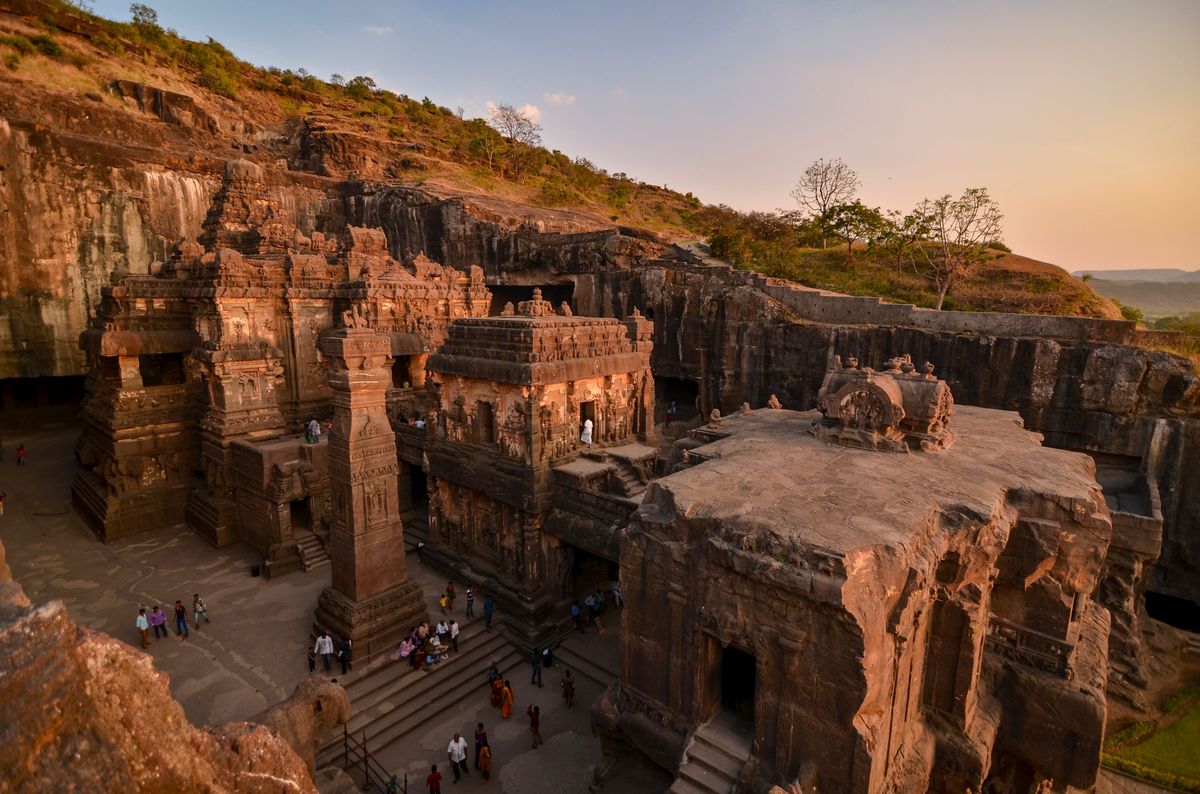
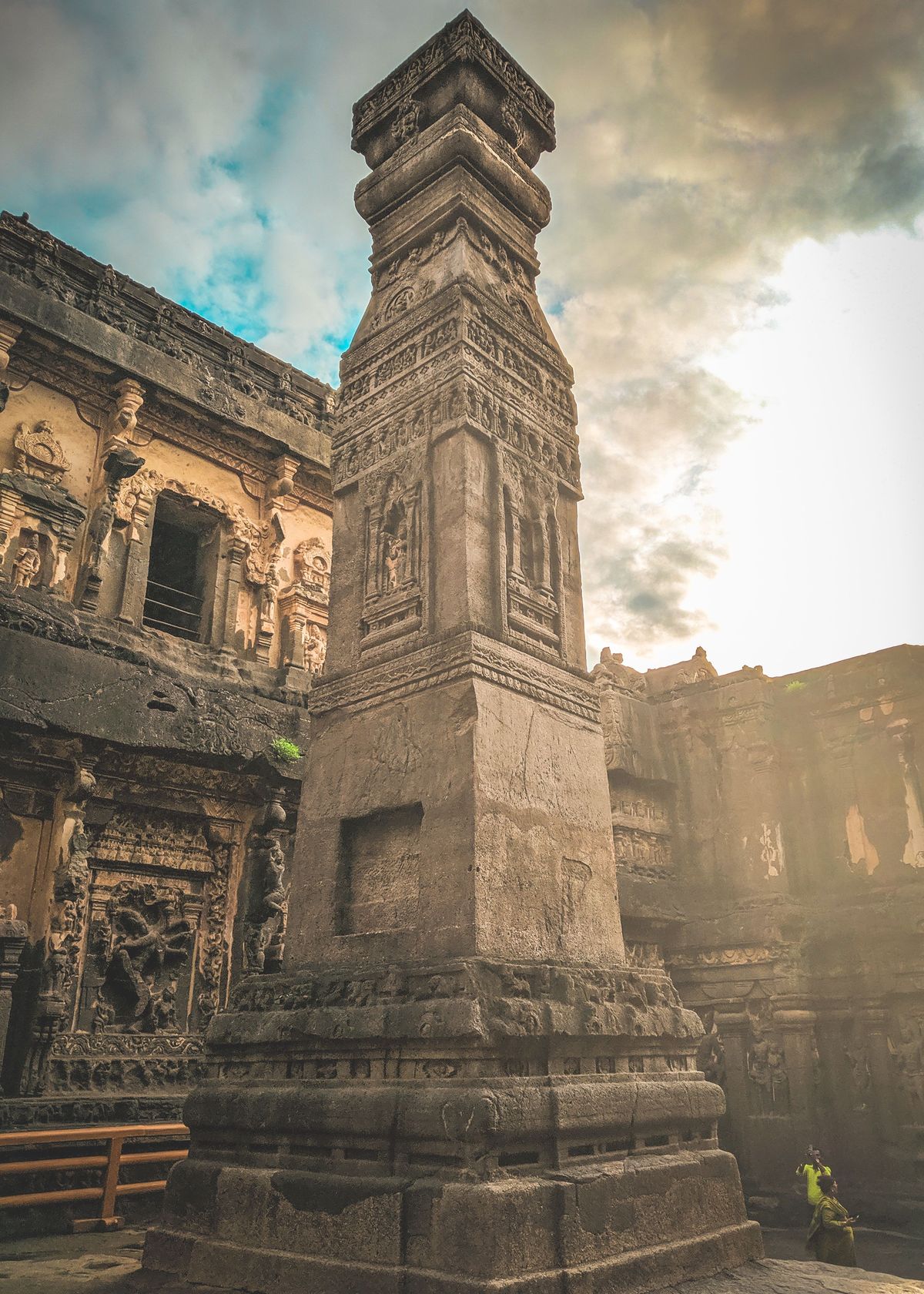
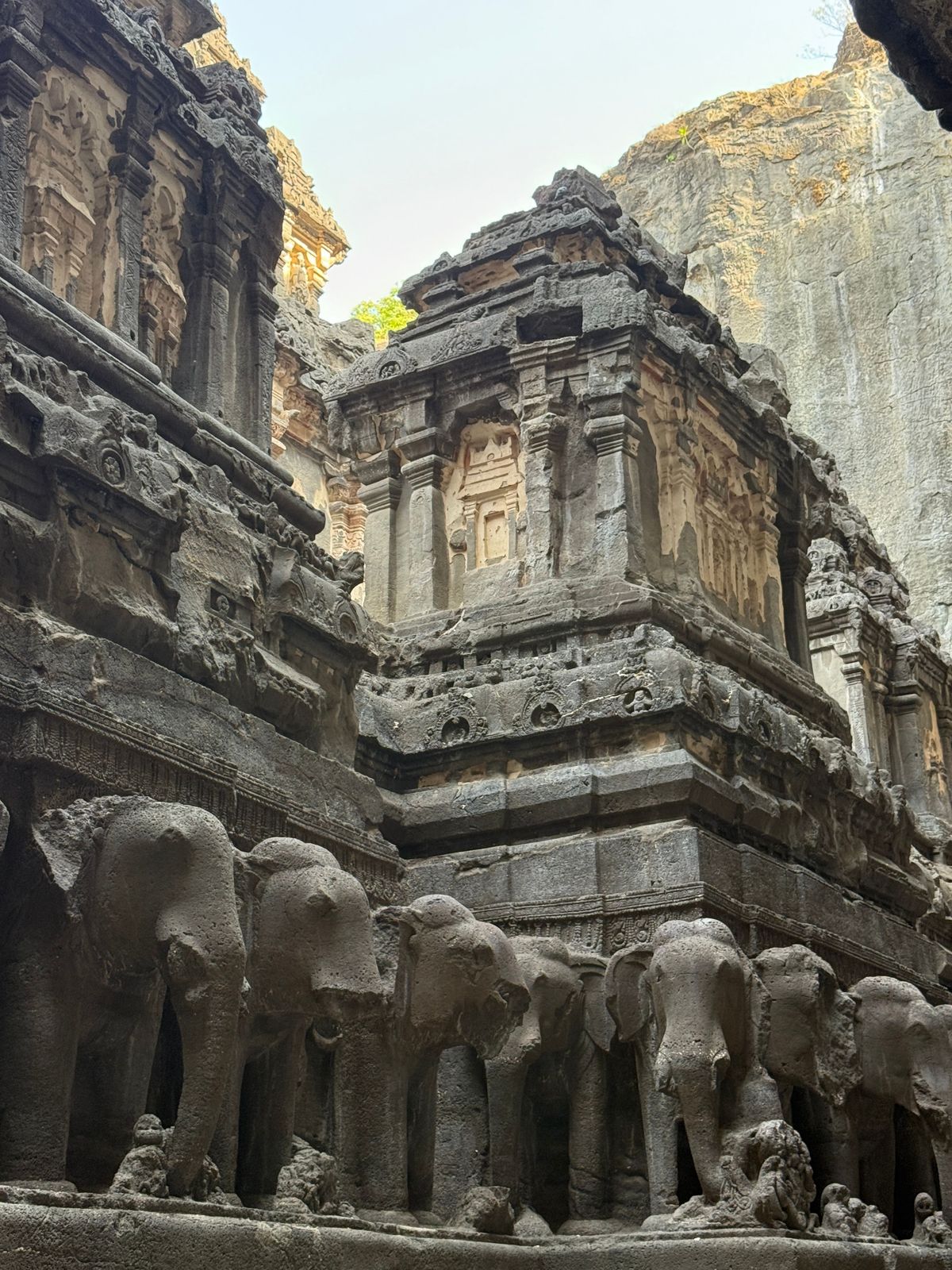
Visiting this place feels like stepping into a time machine. The absolute highlight is Ellora’s Kailasa Temple, the largest structure in the world carved from a single giant rock. It is a fantastic destination for anyone who loves photography, history, or unique adventures. If you want to see how ancient artists created pure magic using nothing but a hammer and chisel, this trip is a must-see.
History
The history of the Ajanta and Ellora Caves is a fascinating journey through time, showcasing India’s ancient creativity and religious harmony. These underground marvels were not built all at once; instead, they were patiently carved out by generations of artists over hundreds of years.
The Two Timelines
The Ajanta Caves came first. Built in two separate stages between the 2nd century BCE and the 5th century CE, they served as a peaceful sanctuary for Buddhist monks. Royal kings and wealthy merchants funded these deep-mountain retreats to create quiet spaces for prayer and study.
The Ellora Caves were carved slightly later, between the 6th and 10th centuries CE. Unlike Ajanta, Ellora stands out as a vibrant symbol of harmony. Here, three different religions—Buddhism, Hinduism, and Jainism—coexist side-by-side. Powerful dynasties like the Rashtrakutas supported the construction, including the creation of the mind-boggling Kailasa Temple in the 8th century.
A Forgotten Empire: While Ellora stayed famous due to nearby trade routes, the Ajanta Caves were completely swallowed by a thick jungle around the 8th century. They remained a total secret until a British officer accidentally rediscovered them during a hunting trip in 1819.
Today, both sites stand beautifully preserved as a joint reminder of a time when different faiths lived, created, and thrived together in perfect peace.
Climate & Weather
To get the most out of your trip, timing your visit is key. Because exploring these rock-cut wonders involves a lot of outdoor walking and climbing stone steps, your experience depends heavily on the seasonal weather in Maharashtra.
Winter (October to March)
This is universally considered the best time to visit the cave complexes. As the official peak tourist season, the winter months bring beautifully cool and dry days. Walking between the open-air structures is highly comfortable, and the bright, clear skies offer the ideal season for photography lovers wanting to capture the sharp details of the stone carvings.
Monsoon (June to September)
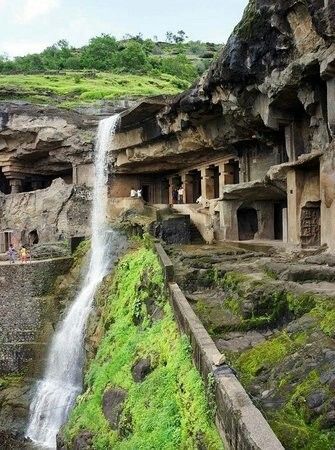
If you love dramatic landscapes, monsoon travel offers a truly magical experience. The rainy season transforms the dry, rocky hills surrounding the caves into a lush, vibrant green paradise. You will even see natural waterfalls tumbling down right next to the cave entrances. Just keep in mind that stone pathways can get quite slippery, so wear sturdy shoes.
Summer (April to May)
Summer is the least favorable period for an archaeological trip. Temperatures can easily skyrocket, making outdoor sightseeing exhausting. If you must travel during these months, make sure to head out at early dawn to beat the intense afternoon heat.
Transportation
Please select a transportation mode to view details
Facilities
Exploring the ancient rock-cut monuments is a breeze, thanks to a great network of modern amenities designed to keep travelers comfortable. Both tourist complexes are fully equipped to ensure a smooth, hassle-free day of sightseeing.
Food & Dining
You won't have to pack a heavy lunch. The tourism department operates well-maintained restaurants right near the entrance gates of both sites, serving clean water, hot coffee, and a mix of Indian cuisine. For quick energy boosts, small snack kiosks selling fresh fruits, juices, and packed snacks are scattered along the main walking paths.
Comfort & Rest Zones
The complexes feature clean public restrooms, drinking water stations, and shaded seating areas where you can escape the afternoon sun. Because the cave complexes are vast, eco-friendly green amenities are also available:
- Eco-Friendly Shuttle Buses: At Ajanta, polluting private cars are stopped 4 kilometers away. Quiet, air-conditioned electric buses transport you from the main parking lot straight to the cave entrance.
- Golf Carts: At Ellora, electric golf carts are available for hire to help you move between distant cave groups without wearing out your shoes.
Guides & Shopping
To truly understand the incredible history hidden in the stone carvings, you can hire authorized, multilingual tour guides at the ticket counters. After your tour, check out the vibrant local shopping plazas nearby. They are packed with regional handicraft stalls where you can pick up beautiful crystal stones, silver jewelry, and hand-woven fabrics as souvenirs.
Traveler Tip: Wear comfortable walking shoes and bring a light flashlight. Some of the deeper caves have dark interiors, and a small light will help you admire the hidden ceiling artwork clearly!
Geographical Information
The Ajanta and Ellora Caves are located in the Sahyadri hills of the northern Maharashtra region in Western India. They sit nestled within the stunning Deccan Plateau, positioned just a short drive outside the vibrant historical city of Chhatrapati Sambhajinagar. While both sites share the same regional home, they are geographically separated by about 100 kilometers of rolling countryside, making each complex feel like its own distinct hidden world.
The surrounding landscape is defined by dramatic, rugged volcanic rock formations that were shaped millions of years ago by ancient lava flows. Ajanta is uniquely set inside a steep, horseshoe-shaped river canyon surrounded by dense, wild forests, while Ellora spreads across a massive, flat basalt hillside that slopes gently into the plains. The region experiences a semi-arid climate, meaning the landscape switches beautifully from dry, golden canyon terrain in the summer to a lush, misty green paradise during the rainy season. This natural shield of deep valleys and solid rock is the exact reason these breathtaking monuments stayed perfectly protected from the elements for centuries.
Culture & Local Lifestyles
Stepping into the region surrounding the Ajanta and Ellora caves feels like walking through a living canvas. Beyond the jaw-dropping rock-cut architecture lies a vibrant community where ancient history seamlessly blends with modern local lifestyle. To truly appreciate the caves, you have to understand the people who have kept the spirit of this land alive for centuries.
Traditions
The local traditions here are deeply rooted in hospitality and craftsmanship. For generations, artisans have preserved distinct art forms, most notably the creation of Himroo and Paithani textiles. Watching a local weaver operate a traditional loom to create intricate silk sarees—often featuring motifs inspired by the very carvings found inside the Ajanta caves—is one of the most enriching cultural experiences you can have. The community takes immense pride in safeguarding these techniques, passing them down as living links to their storied past.
Festivals
Life here moves to the beat of vibrant celebrations, where history and community spirit take center stage. The crowning jewel is the Ajanta Ellora International Festival, a spectacular event that brings the ancient caves to life with classical dances, instrumental music, and regional art talent. Beyond this grand celebration, the local calendar lights up with festivals like Pola—a unique tradition where farmers decorate and honor their bulls to celebrate the harvest—and Diwali. These moments offer travelers a front-row seat to the region's authentic joy and collective harmony.
Daily Life
The local culture shines brightest in the quiet rhythms of everyday life. Mornings usually begin with the comforting aroma of fresh misal pav or poha filtering through bustling village markets. The people here lead a grounded, community-focused lifestyle centered around agriculture, artistic trades, and tourism. Visitors are always welcomed with genuine warmth and a cup of hot chai. Engaging with locals at a roadside stall or exploring a weekly village market gives you an authentic glimpse into a lifestyle that values pacing down, sharing stories, and honoring the land.
Food and Local Cuisine
Famous Dishes
When it comes to iconic, time-tested recipes, Naan Qaliya reigns supreme. This legendary dish features a rich, slow-cooked meat curry (qaliya) seasoned with local spices, served alongside a uniquely fluffy, tandoor-baked flatbread (naan). If you prefer a rustic vegetable meal, look for Pithla Bhakri. It is a comforting, thick gram flour curry paired with a hearty, unleavened millet flatbread and a side of fiery green chili chutney called thecha.
Street Food
The local street food scene is lively, creative, and perfect for quick bites between sight-seeing stops. A uniquely local favorite is Samosa Rice—a brilliant mashup of a crushed, crispy potato samosa layered over a hot mound of spiced rice and drenched in a savory gravy. For something sweet to balance the heat, don't miss Khawa Jalebi. Made with rich milk solids, these jalebis are darker, thicker, and far more luxurious than the standard version.
Restaurants/Cafes
To get the best food in Chhatrapati Sambhajinagar (the main transit hub for the caves), you have plenty of great dining options. For a massive, unforgettable feast, head to Bhoj Thali Restaurant. They serve an authentic, all-you-can-eat vegetarian thali overflowing with regional specialties, ghee-soaked rotis, and local desserts. If you are craving heavy aromatic curries or a royal biryani, local favorites like Yalla Yalla offer an upscale, welcoming environment to unwind and celebrate your travel adventures.
Accommodation
Finding the perfect place to rest after a day of exploring the magnificent Ajanta and Ellora caves can make your trip truly unforgettable. Because the two cave complexes are located about 100 kilometers apart, most travelers choose Chhatrapati Sambhajinagar (formerly Aurangabad) as their central base. This vibrant hub offers excellent hotels in Chhatrapati Sambhajinagar that match every traveler’s style, pocketbook, and itinerary.
Budget Hotels
If you want to save your funds for experiences and souvenirs, finding an affordable budget stay is remarkably easy. The area around the main railway station and central bus stand is packed with clean, no-frills hotels. These properties offer essential amenities like air conditioning, reliable Wi-Fi, and quick access to local transport. Staying here ensures you can catch an early morning bus to the caves without any hassle.
Mid-range Hotels
For travelers seeking a sweet spot between affordability and extra comfort, mid-range hotels offer fantastic value. Located primarily along Jalna Road, these properties feature spacious rooms, on-site restaurants serving regional cuisine, and helpful travel desks to organize your cave excursions. They provide a relaxed, welcoming environment to recharge after walking through the rock-cut temples all day.
Luxury Resorts
If you want to pamper yourself, the region boasts stunning luxury resorts that treat you like royalty. These high-end properties blend modern architecture with traditional design elements inspired by the caves. With lush gardens, sparkling swimming pools, rejuvenating spas, and fine dining restaurants, they offer the best accommodation experience for anyone looking to unwind in style.
Homestays
For a more humanized and intimate travel experience, local homestays are growing in popularity. Choosing a homestay allows you to live with local families, often just a short distance from the Ellora complex or within the city center. It is an incredible way to enjoy home-cooked Maharashtrian meals, gather insider travel tips, and experience the genuine hospitality of the region firsthand.
Budget/Cost Estimation
Planning a trip to the magnificent Ajanta and Ellora caves is highly accessible and straightforward. Mapping out your estimated expenses ahead of time is the best way to ensure smooth financial planning. Whether you prefer a rugged backpacking experience or a smooth, mid-range holiday, this beautiful destination offers excellent options for affordable travel.
Key Cost Estimates & Tips
- Transport Efficiency: Opting for local state transport buses running from Chhatrapati Sambhajinagar directly to both cave complexes keeps your travel cost very low. Hiring a private taxi costs more but lets you set your own schedule.
- Smart Dining Choices: Enjoying regional Maharashtrian dishes like a traditional vegetarian thali or savory street food snacks keeps food bills light while giving you an authentic taste of the area.
- Flexible Stay Options: Finding a cozy budget travel stay or an authentic local homestay near the transit hubs gives you clean, safe lodging without the high price tag of luxury resorts.
- Activity Entry Fees: Ticket prices managed by the Archaeological Survey of India (ASI) are very inexpensive for domestic travelers and SAARC residents, though international visitors should budget for a higher entry fee tier.
Frequently Asked Questions
Popular Activities
Video and Photo Gallery