Introduction
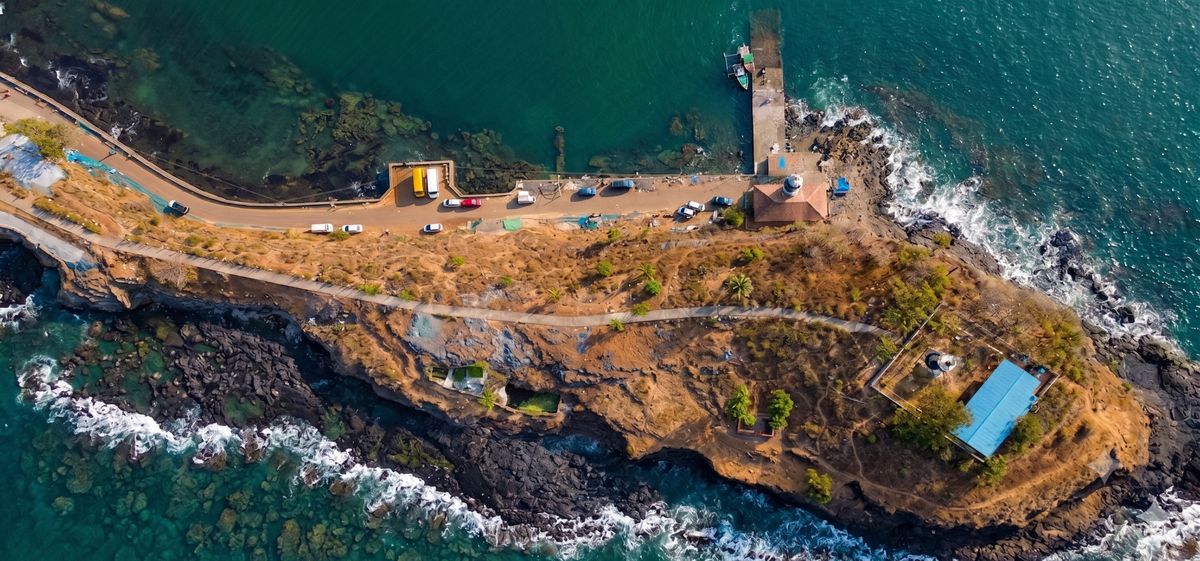
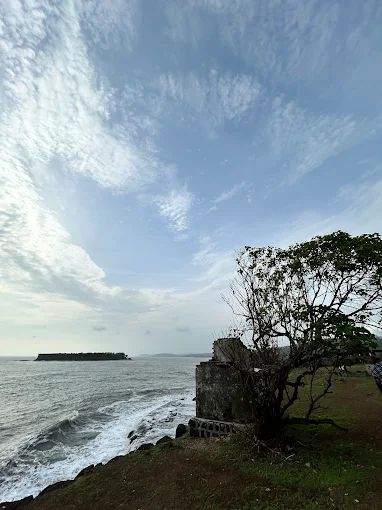
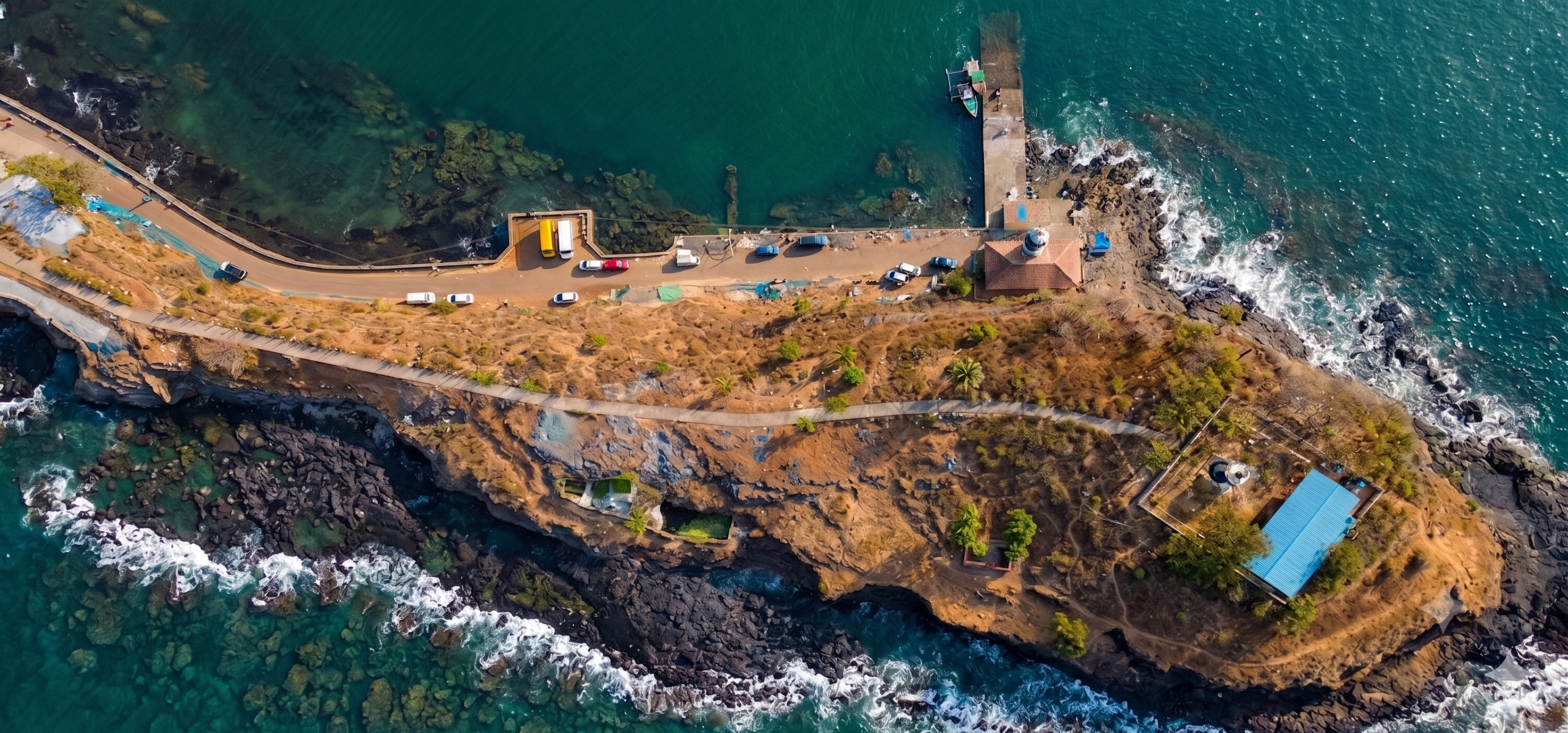
Kanakdurg Fort is an intriguing coastal watch-fort located right on the edge of Harnai port in the Ratnagiri district of Maharashtra. Projecting directly into the Arabian Sea, this historic structure is famously known as a strategic sub-fort built to support the massive, nearby island citadel of Suvarnadurg. Originally serving as a crucial naval lookout and base for the Maratha fleet, it stands today as a silent, weathered witness to the region's intense maritime history and old naval rivalries.
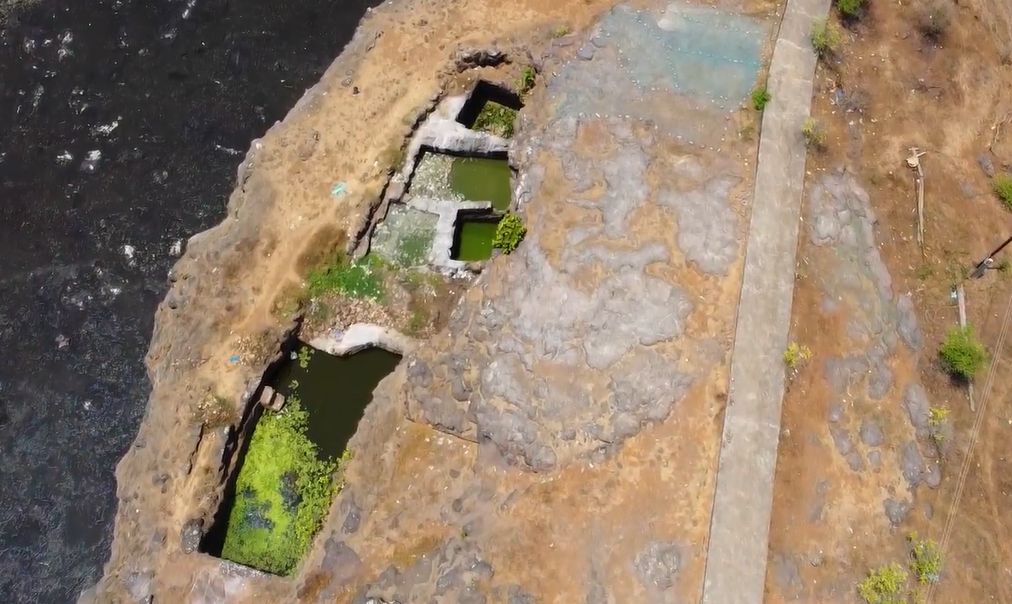
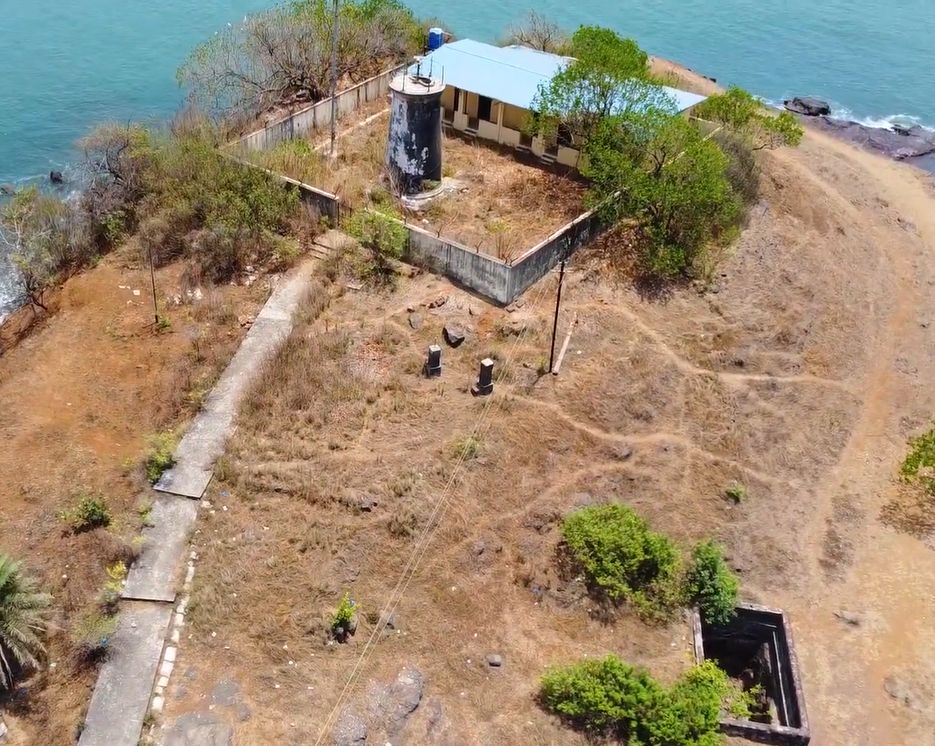
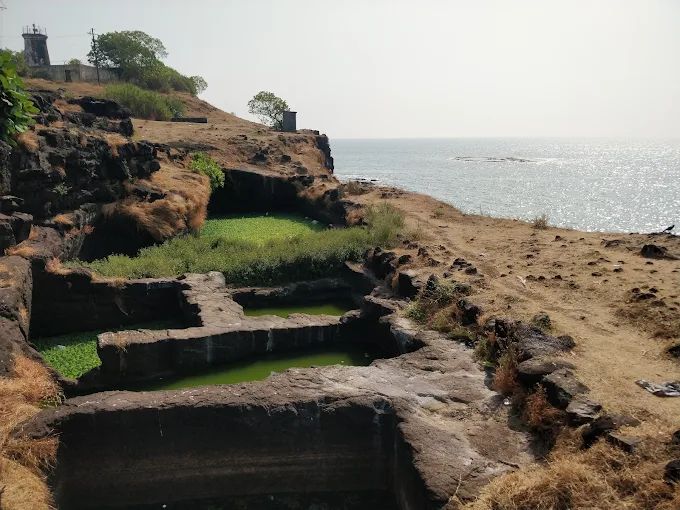
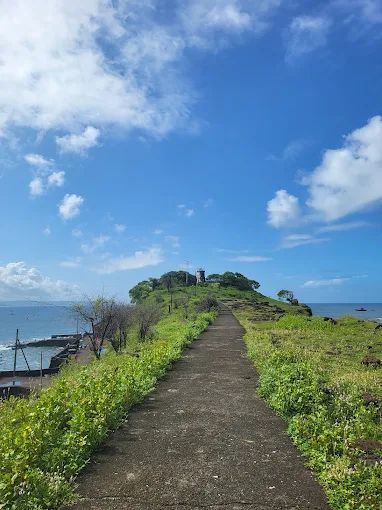
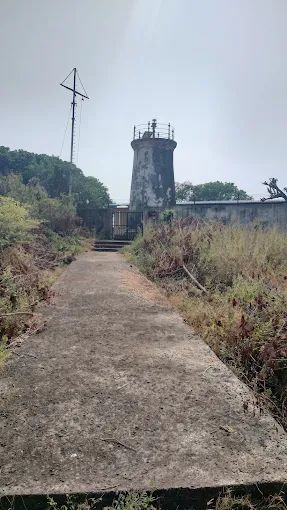
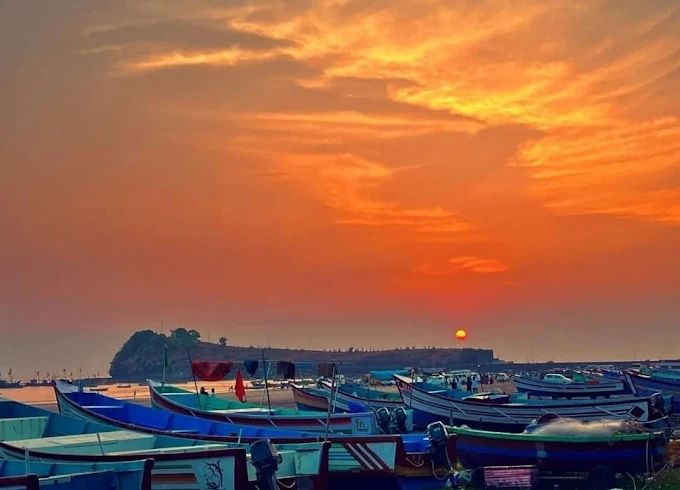
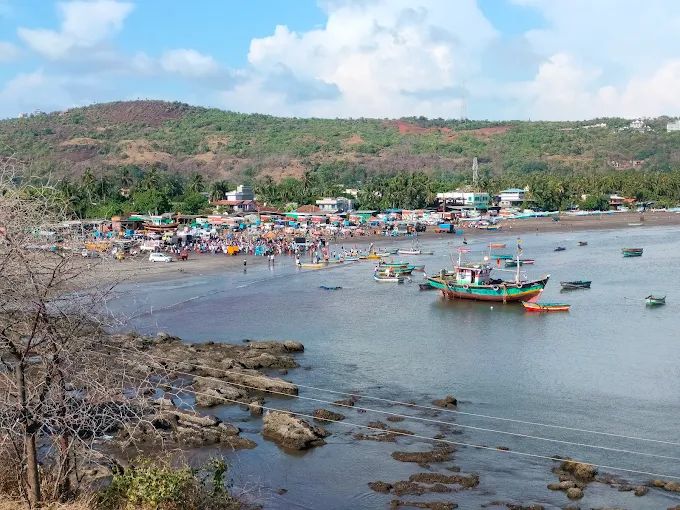
Visiting this coastal fort offers a raw, offbeat adventure tightly intertwined with authentic local lifestyle. Because it is connected directly to the mainland by a narrow strip of land, you can easily walk up to its elevated ramparts to explore old water tanks and the ruins of a historic lighthouse. It provides a thrilling perspective for history enthusiasts and casual backpackers alike, offering panoramic views of thousands of colorful fishing boats docking at the buzzing Harnai beach auction below.
History
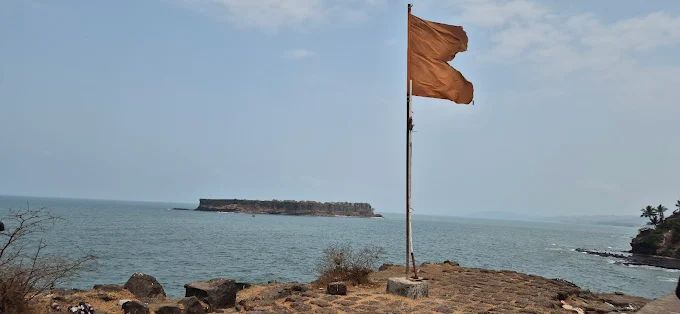
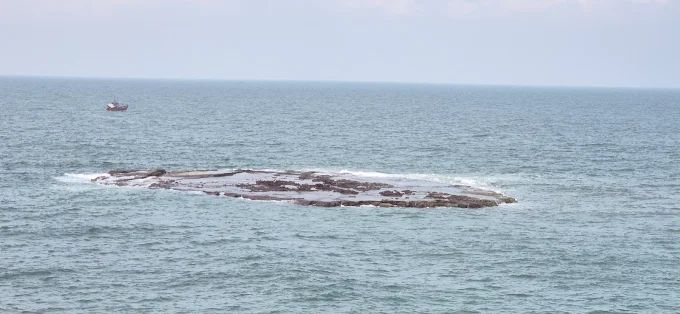
The history of Kanakdurg Fort is a tale of tactical genius and maritime vigilance. Rising from a giant coastal rock at Harnai port, this small yet crucial fortress was engineered as an essential land-based guard post for the massive island citadel of Suvarnadurg (the Golden Fort), which sits just a quarter-mile out in the Arabian Sea.
While the foundations of the harbor defense line date back to the Adil Shahi dynasty, Kanakdurg assumed its true military importance in the late 17th and early 18th centuries under the Maratha Empire. It was extensively strengthened by the legendary Maratha Navy Admiral, Sarkhel Kanhoji Angre, to prevent enemy forces from launching surprise landward attacks against the main island stronghold. Kanakdurg, along with its sister outposts Fattegad and Gova Fort, formed an unbreakable defensive shield along the Konkan coast, intercepting British, Dutch, and pirate ships before they could approach the core naval base.
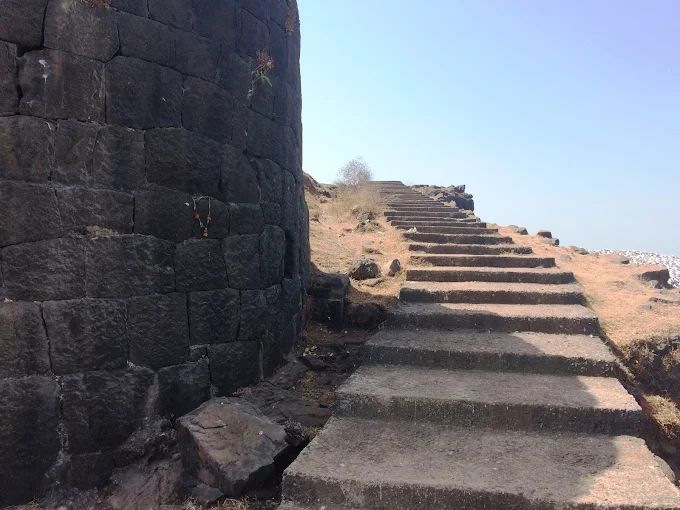
Control of the fort shifted to the Peshwas in 1755 following a fierce joint siege by British forces, and it eventually fell to the British East India Company in 1818. Though time and heavy coastal monsoons have worn down its old battlements, the historic site remains a fascinating reminder of Maratha naval strategy. Today, climbing its stone steps past old water reservoirs to the modern lighthouse reveals a timeless panorama of India's fiercely defended maritime frontier.
Climate & Weather
To fully enjoy the breathtaking coastal views and historical charm of this seaside watch-fort, timing your trip is key. Because Kanakdurg is highly exposed to open sea elements, changing weather conditions directly impact your outdoor exploration and safety.
Winter (November to February)
This is the peak tourist season and undisputedly the best time to visit Kanakdurg Fort. The weather in Kanakdurg during these months is warm yet incredibly pleasant, featuring clear blue skies and refreshing ocean breezes. It is the ideal season to climb up to the elevated lighthouse and spend hours exploring the ramparts comfortably without dealing with intense heat or humidity.
Summer (March to May)
Summer brings dry heat and high coastal humidity, making mid-day sightseeing quite draining. However, if you travel during this period, plan your fort exploration for early mornings or late afternoons. The major highlight of summer here is the vibrant hustle at the adjacent Harnai fish market, which comes alive with seasonal trade, alongside the arrival of fresh local mangoes.
Monsoon (June to October)
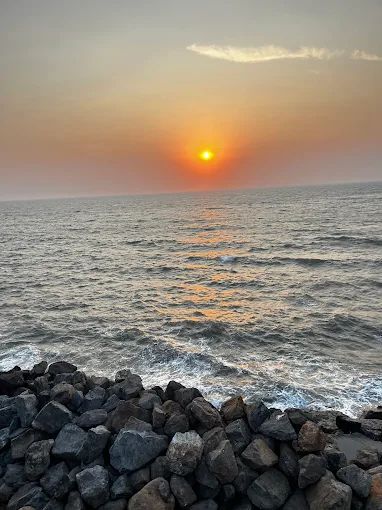
Opting for monsoon travel lets you witness the raw power of nature. The sights from the fort cliffs are spectacular as thunderous Arabian Sea waves clash against the dark rocks. However, the open, steep stone steps can become hazardous and slippery. Heavy downpours also halt the famous local boat ferries to nearby Suvarnadurg Fort, making this a bad travel period if you want to explore the island citadel.
Transportation
Please select a transportation mode to view details
Facilities
Kanakdurg Fort is a raw, historic watch-fort managed by the state archaeological department. Because it functions primarily as an open-air lookout point integrated directly into the busy Harnai fishing port, the facilities inside the ruins are minimalistic, while the immediate surroundings are highly packed with local amenities.
Inside the Fort Complex
- Historical Landmarks & Viewpoints: Clear walking tracks lead up to the functional Kanakdurg Lighthouse and old stone water reservoirs. The elevated fort walls offer unparalleled vantage points to view the marine fort of Suvarnadurg.
- Information Boards: Basic plaque markers are present to help you identify the layout of the old Maratha defense outpost.
- Seating Areas: Small open spaces near the top allow travelers to sit and enjoy the cool sea breeze while watching the harbor activities.
Around the Base & Harnai Port
- Parking Space: Open, unregulated vehicle parking is available near the base of the fort and along the Harnai fish market road. It can get incredibly crowded during the evening auctions.
- Food & Local Dining: Dozens of rustic eateries and local shacks sit right outside the fort area, serving authentic Malvani snacks, fresh coconut water, and legendary coastal fish thalis.
- Boat Transfers: The base of Kanakdurg serves as the primary jumping-off point to hire local motorized boat ferries if you want to sail out to explore Suvarnadurg Fort.
- Local Transport Access: Auto-rickshaws are readily available at the fort entrance to shuttle you back and forth to the main town of Dapoli.
Geographical Information
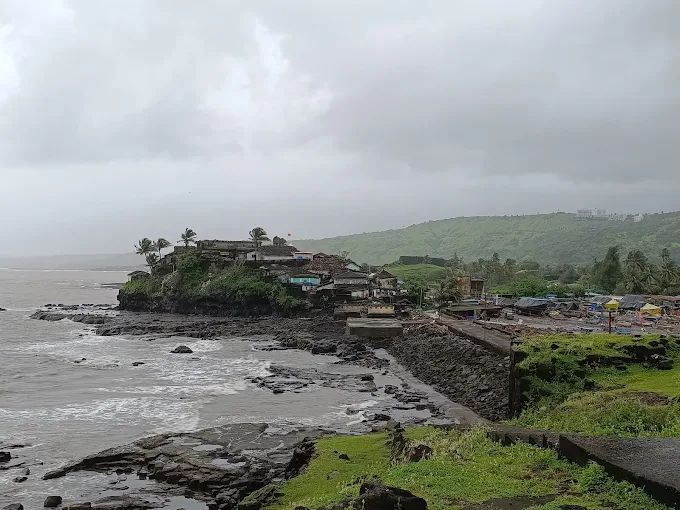
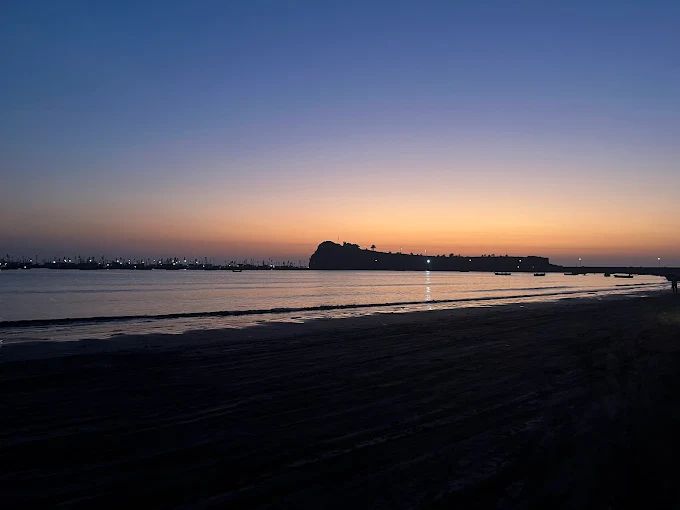
Kanakdurg Fort is beautifully perched right on the edge of the Konkan coastline in the western state of Maharashtra, India. It occupies a striking seaside plot in the Harnai village of Dapoli taluka, which forms a scenic part of the rugged Ratnagiri district. Geographically, this small watch-fort acts as a natural land-based anchor overlooking the vast Arabian Sea. It sits directly opposite the massive marine fortress of Suvarnadurg, creating a dramatic coastal gateway where the land aggressively meets the crushing ocean waves.
The local terrain is made up of tough, dark volcanic basalt rock and weathered laterite stone formations, which provide a highly elevated and sturdy foundation for the ancient ramparts. The surrounding landscape is a beautiful mix of sandy beaches, rocky shores, and high coastal cliffs covered in patches of wild green vegetation. Falling within the tropical maritime climate zone, the area stays warm and highly humid throughout the year. The landscape changes beautifully with the seasons, transforming into a lush green paradise when heavy monsoon rains pour over the coast and cause the surrounding sea to crash spectacularly against the fort’s rocky base.
Culture & Local Lifestyles
To truly connect with the soul of Kanakdurg Fort, you must look downward from its ancient stone walls toward the bustling shoreline of Harnai. The local culture here is raw, dynamic, and unapologetically tied to the rhythms of the ocean, offering travelers a fascinating glimpse into an authentic Maratha maritime community.
Traditions
The local identity is deeply anchored in the history of the Koli (fisherman) community, who have braved the waters of the Arabian Sea for centuries. A major tradition here is the deep-rooted respect for the ocean and historical Maratha naval heroes like Admiral Kanhoji Angre. Before setting out into deep waters, fishermen paint their boats in bright, auspicious colors and perform rituals to ensure a safe return. The most iconic daily tradition, however, is the use of wooden bullock carts that wade directly into the surf to transport fresh catches from large trawlers to the shore—a unique sight unchanged by modern times.
Festivals
Life along this coast transitions into a spectacular celebration during major coastal festivals. Narali Purnima (the coconut festival) marks the beginning of the post-monsoon fishing season, where the entire village gathers at the harbor to offer golden coconuts to the sea god amidst traditional music and dance. Ganesh Utsav is celebrated with immense fervor across every household, featuring beautiful clay idols, rhythmic dhol-tasha drum beats, and authentic Konkani hospitality that warmly welcomes travelers seeking deep cultural experiences.
Daily Life
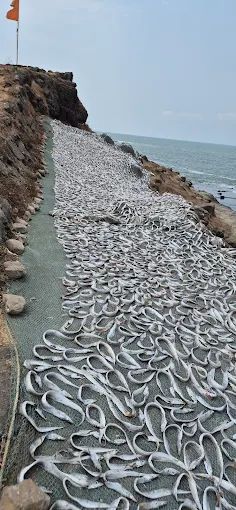
The local lifestyle around Kanakdurg Fort revolves entirely around a high-energy economy of fish, coconuts, and rice. Every afternoon, the sleepy fishing village transforms dramatically as the legendary Harnai beach auction begins. The shore comes alive with hundreds of colorful boats, chanting buyers, and fisherwomen bargaining with fierce pride. Experiencing this lively atmosphere, listening to the local Malvani dialect, and sharing a simple, home-cooked seafood meal with a village host is the best way to immerse yourself in this timeless coastal way of life.
Food and Local Cuisine
Visiting Kanakdurg Fort is an absolute paradise for food lovers, especially if you have a passion for seafood. Because the fort sits directly above the largest fishing port in the Ratnagiri district, the local food here features some of the freshest coastal ingredients you will ever experience in India.
Famous Dishes
The traditional cuisine of the Harnai and Dapoli region relies heavily on freshly caught seafood, grated coconut, and fiery local Konkani spices. The ultimate crown jewel of the local menu is the authentic Malvani Fish Thali, which typically includes a crispy, shallow-fried piece of Surmai (Kingfish) or Pomfret, paired with a steaming bowl of spicy fish gravy and soft rice flatbreads (Bhakri). Another must-try among the famous dishes is Kombdi Vade—a flavorful chicken curry served alongside fluffy, deep-fried multi-grain puris. No coastal meal is complete without a glass of Sol Kadhi, a refreshing, hot-pink digestive drink made from coconut milk and tangy kokum berries.
Street Food
If you are looking for quick bites around the beach, the local street food scene offers rustic and comforting flavors. Right outside the fort gates and along the harbor road, you will find vendors serving piping-hot Vada Pav fried over traditional wood stoves, alongside Kanda Bhajji (crispy onion fritters). During the humid summer months, the streets fill up with stalls selling sweet tender coconut water, local kokum sodas, and bowls of rich Amras made from locally harvested Alphonso mangoes.
Restaurants & Cafes
To experience the best food in Harnai and nearby Dapoli, skip the fancy continental joints and head straight to the local family-run dining halls (Khanavals). Hotel Sadanand, located near the beach area, is highly popular for its legendary fried fish and prompt service. For a deeply authentic, home-cooked meal experience, Zilka Home Stay & Restaurant serves incredible coastal platters prepared with secret family spice blends. If you are seeking excellent, pure vegetarian options, Hotel Jagdish in the nearby transit market serves fantastic, budget-friendly Konkani vegetarian thalis featuring local sprouted bean curries (Usal).
Accommodation
Finding the perfect place to drop your bags near Kanakdurg Fort is incredibly easy. Because the fort sits right on the edge of Harnai port in the broader Dapoli region, it is surrounded by thriving beachside neighborhoods. Whether you want to step directly onto the sand or stay tucked away in a quiet village, the local market offers fantastic, flexible choices.
Budget Hotels
For backpackers and budget travelers, the main market areas of Harnai and nearby Dapoli Camp feature cozy, reliable lodges and standard budget stay options. These properties provide a clean bed, functioning AC or ceiling fans, and private attached washrooms. Choosing a budget property right near the port means you can walk out of your room at dawn to watch the iconic fishing boats without spending a fortune on local transport.
Mid-range Hotels
If you are traveling with family and want a sweet spot between comfort and cost, the neighboring Murud and Palande beaches host excellent mid-range hotels in Kanakdurg Fort's immediate vicinity. Properties like Sandcastle Beach Resort offer well-sized rooms, private balconies facing the water, and dependable room service. They make trip planning effortless by helping you arrange local transport and boat tours to Suvarnadurg.
Luxury Resorts
For travelers wanting an upscale coastal escape, premium properties and luxury resorts like Lemon Tree Hotel Dapoli or Lotus an Eco Beach Resort are situated just a short drive down the coastal bypass road. These locations treat you to gorgeous swimming pools, dedicated fitness centers, private beach access points, and multi-cuisine in-house restaurants. They serve as the best accommodation choice to pamper yourself after a long day of climbing rugged fort steps.
Homestays
To experience the legendary warmth of Konkani hospitality, booking local village homestays around the Saldure and Harnai neighborhoods is highly recommended. These locally owned villas and private cottages offer spacious, comfortable rooms alongside beautiful coconut-grove backyard sit-outs. Staying at a homestay allows you to pick the brains of local hosts for secret viewpoints, while treating you to freshly prepared, authentic home-cooked Malvani meals.
Budget/Cost Estimation
Planning a weekend getaway to Kanakdurg Fort is highly flexible and perfectly suited for budget travel. Because the watch-fort sits right on the mainland harbor, you can design a cost-effective itinerary without any hidden charges.
To help you calculate your estimated expenses, here is a breakdown of the typical 2-day / 1-night costs per person in a clear, point-by-point format:
- Transport Costs:
- Budget: ₹500 – ₹900 (Traveling via local Konkan Railway trains to Khed station or state transport MSRTC buses, paired with shared auto-rickshaws).
- Mid-Range: ₹1,500 – ₹2,500 (Covering fuel for a personal road trip or booking a private AC sleeper bus ticket straight to Dapoli).
- Luxury: ₹4,500+ (Hiring a private, door-to-door outstation AC cab from major hubs like Mumbai or Pune).
- Food & Meal Costs:
- Budget: ₹400 – ₹700 (Snacking on local beachside street food like Kanda Bhajji and dining at basic roadside fish thali stalls).
- Mid-Range: ₹1,000 – ₹1,800 (Indulging in authentic Malvani fish thalis, fresh crab masalas, and dining out at local family-style restaurants).
- Luxury: ₹2,500+ (Ordering multi-cuisine menus, premium seafood platters, and fine dining inside beachfront resorts).
- Accommodation / Stay Costs:
- Budget: ₹700 – ₹1,200 per night (Resting at a minimalist, non-AC beach lodge or booking a basic village room).
- Mid-Range: ₹1,800 – ₹3,200 per night (Booking a comfortable AC hotel room with modern amenities or a cozy private homestay).
- Luxury: ₹5,500+ per night (Unwinding at premium luxury resorts featuring private beach access and swimming pools).
- Activities & Sightseeing:
- Budget: Free (Kanakdurg Fort has zero entry ticket fees, making it an excellent destination for affordable travel).
- Mid-Range: ₹400 – ₹800 (Buying tickets for the local motorized boat ferry to sail out and explore the massive Suvarnadurg island fort).
- Luxury: ₹1,500+ (Adding thrill to your itinerary with beach water sports, jet-skiing, and morning dolphin-spotting boat safaris).
Summary: A solo traveler prioritizing value can easily manage this historical trip with a lean trip budget of ₹2,100 to ₹3,500. For a family or group seeking standard comforts and rich culinary experiences, the total expected travel cost ranges from ₹4,700 to ₹8,300 for a thoroughly relaxing coastal weekend.
Frequently Asked Questions
Popular Activities
Video and Photo Gallery
Related Stories
Traveller Reviews
No reviews yet
Be the first to share your experience!