Introduction
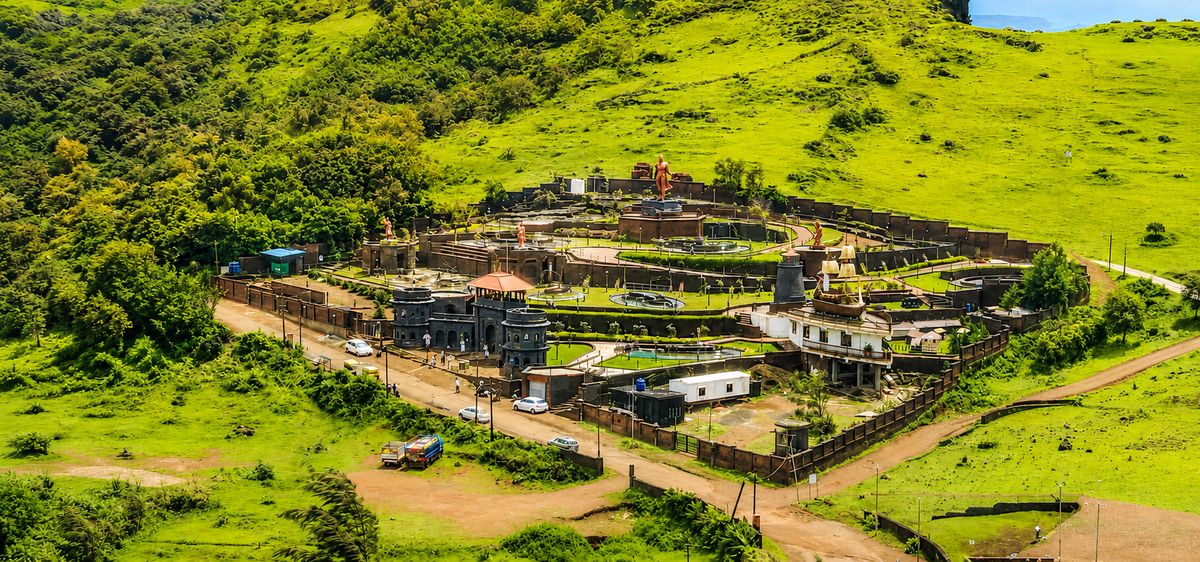
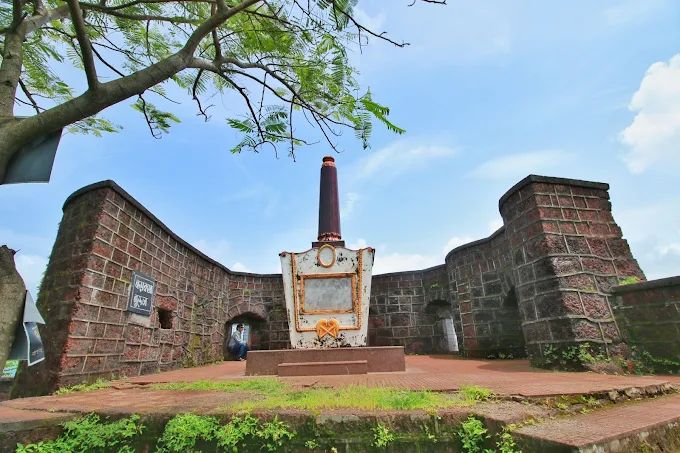
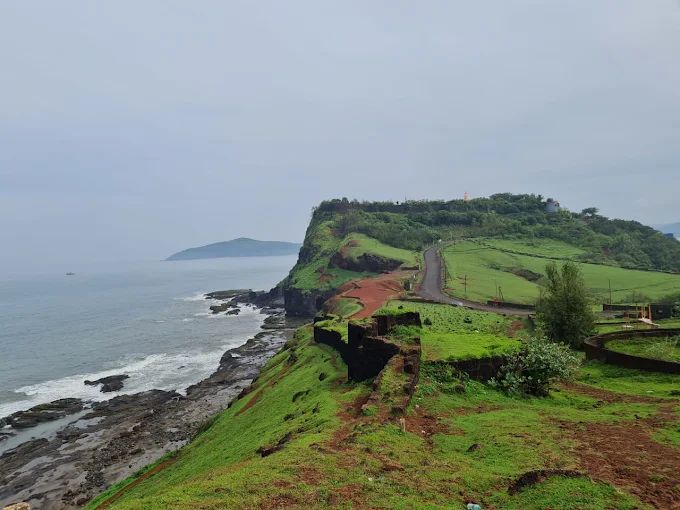
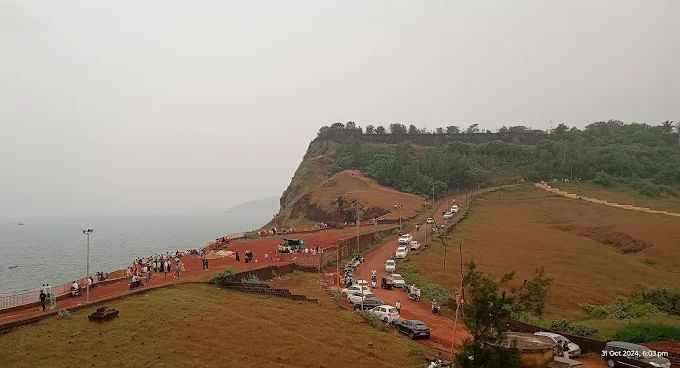
Perched majestically on a dramatic red-cliff peninsula in Ratnagiri, Maharashtra, Ratnadurg Fort is a breathtaking horseshoe-shaped marine citadel surrounded on three sides by the Arabian Sea. Celebrated for its rich maritime legacy and strategic coastal architecture, this historic 16th-century fortress stands as a striking monument to the Konkan coast’s royal past.
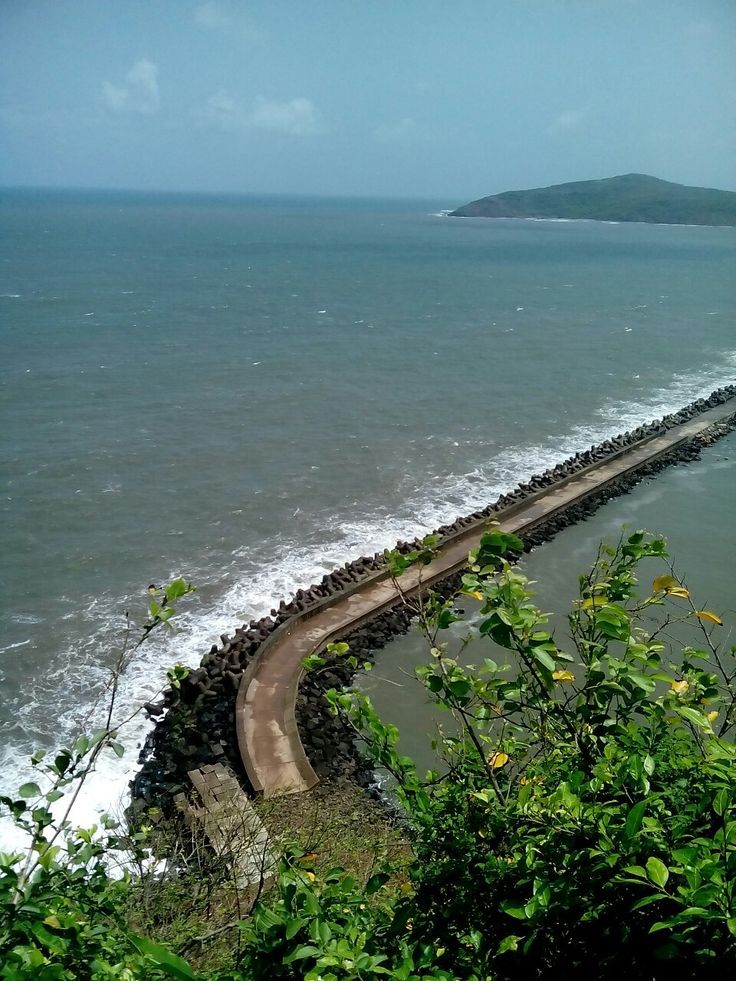
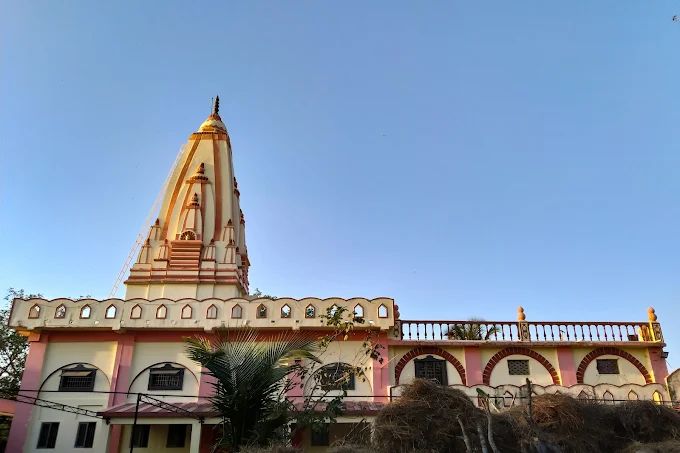
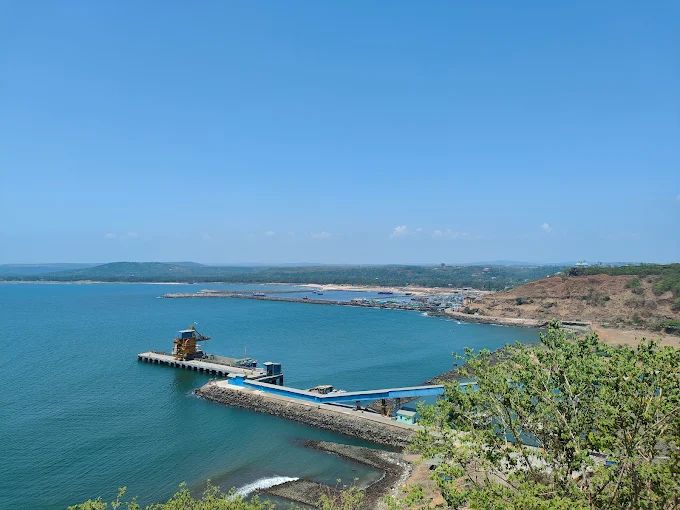
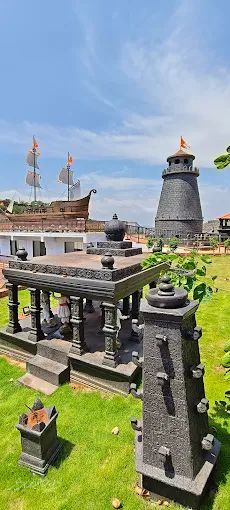
Visiting the fort offers a brilliant mix of coastal exploration, deep heritage, and raw natural beauty. As you walk along its massive, well-preserved stone ramparts, you are treated to endless, panoramic views of crashing ocean waves and the peaceful Bhagwati jetty below. The main highlight inside is the beautiful, vibrant Bhagwati Temple, which creates a uniquely serene atmosphere within the old defensive walls. Whether you are a history buff wanting to explore ancient bastions or a casual traveler chasing a golden sunset over the sea, Ratnadurg provides an unforgettable, wind-swept coastal experience.
History
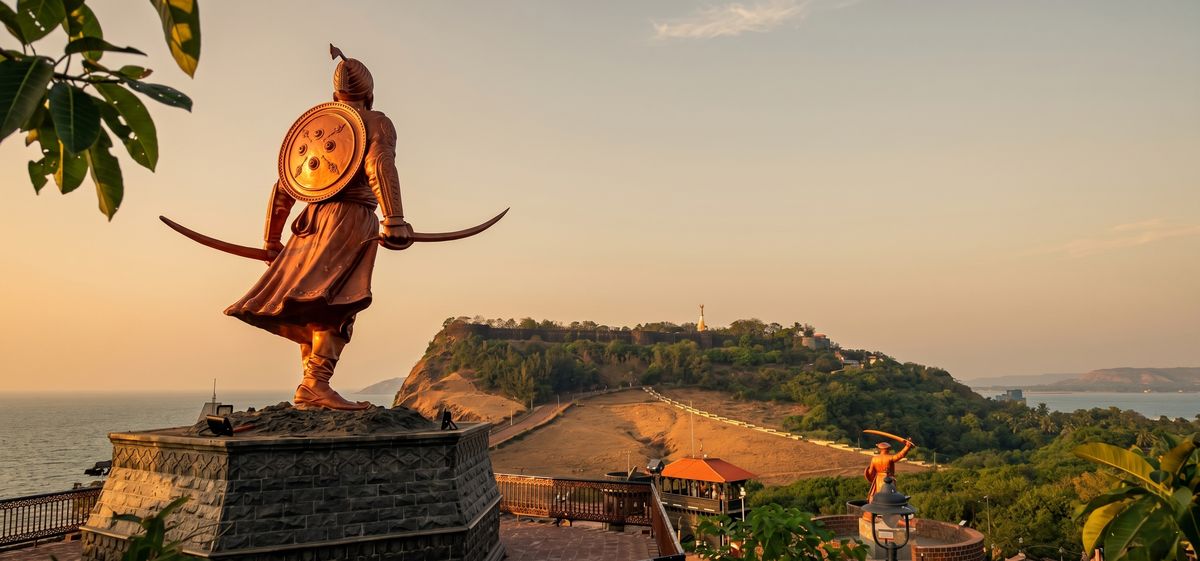
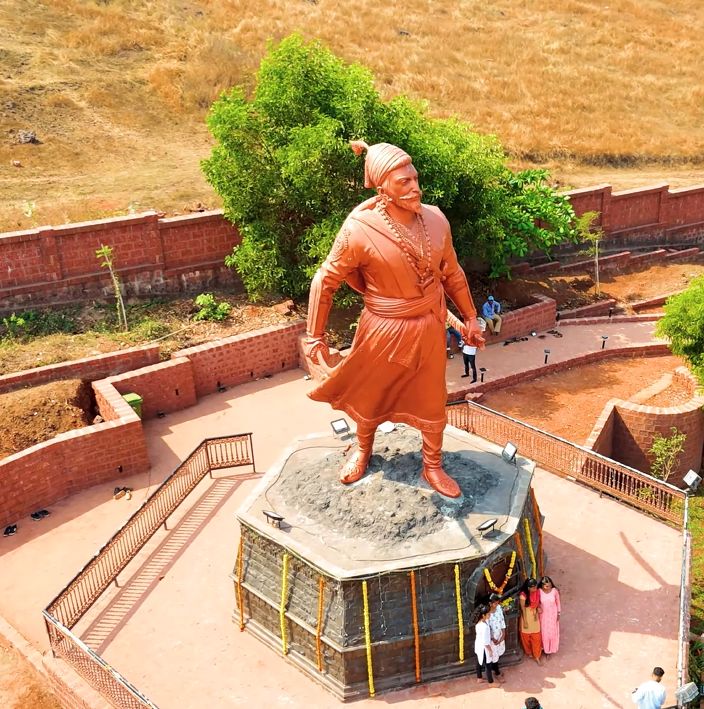
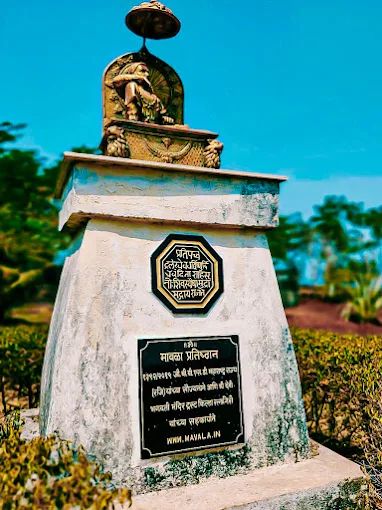
Ratnadurg Fort holds a legendary place in India’s maritime timeline, stretching back over four centuries. Originally constructed during the Bahamani Sultanate era in the 16th century, this imposing cliff-side citadel was built to closely monitor trade routes along the Arabian Sea. However, its most glorious chapter unfolded in 1670, when the visionary Maratha ruler Chhatrapati Shivaji Maharaj conquered the fortress. Recognizing its incredible geographical advantage, he heavily fortified the structure to defend the Konkan coast against foreign invaders.
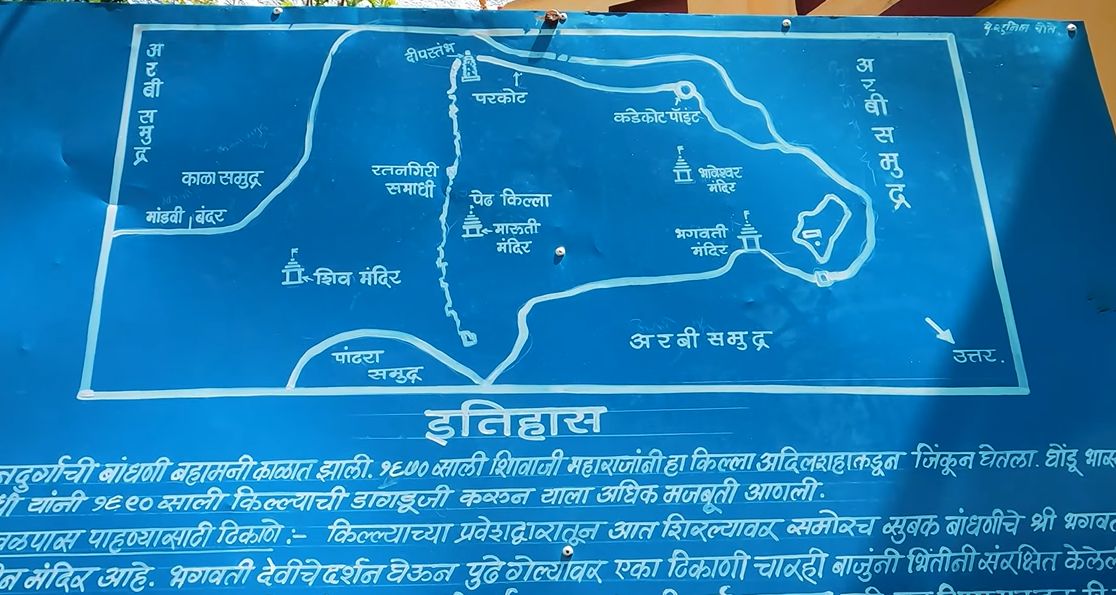
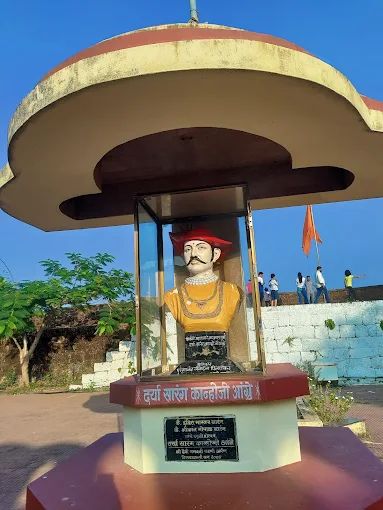
The fort’s strategic importance grew even stronger under the command of Kanhoji Angre, the brilliant Grand Admiral of the Maratha Navy. He transformed Ratnadurg into a powerful naval base and a vital shipbuilding hub. To tighten security, the Marathas built Peth Fort (the citadel) and Bhagavati Fort (the lower defense line), creating a massive, interconnected military stronghold.
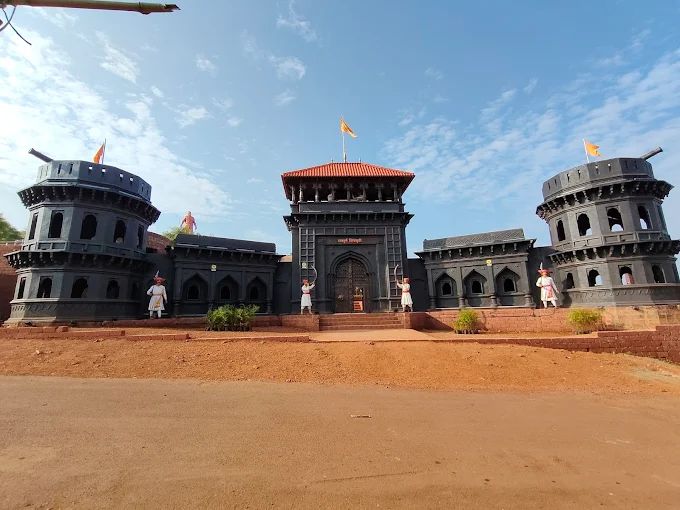
Later, control shifted briefly to the Peshwas before the British East India Company captured it in 1818. Today, walking through the ancient stone gateways feels like stepping back in time. The old watchtowers, hidden tunnels, and heavy bastions stand as silent witnesses to fierce naval battles and royal grit. It is a living, wind-swept museum that reminds every visitor of the incredible naval mastery that once ruled the waves of western India.
Climate & Weather
Picking the right season to explore Ratnadurg Fort can completely transform your experience. Because this cliff-side fortress stands completely open to the elements, the coastal breeze and changing skies dictate the mood of your trip.
Monsoon (June to September)
For nature lovers and photographers, the rainy months offer a spectacular monsoon travel experience. The entire fort is cloaked in a velvet blanket of bright green moss, and the surrounding Arabian Sea turns incredibly fierce and dramatic. Just wrap your cameras in waterproof gear, as the coastal winds can drive heavy rain sideways across the cliffs.
Winter (October to February)
This is widely considered the best time to visit Ratnadurg Fort. Winters bring beautifully clear blue skies, pleasant daytime temperatures, and cool, soothing evening breezes. The weather in Ratnagiri during these months is absolutely perfect for long, comfortable walks across the vast fortifications without the heat beating down on you.
Summer (March to May)
Summers along the Ratnagiri coast are hot and intensely humid. Walking along the exposed stone ramparts during the afternoon can feel draining, making it the least popular tourist season. However, if you are a food lover, this is the prime time to visit, as the local markets are overflowing with world-famous, fresh Alphonso mangoes.
Transportation
Please select a transportation mode to view details
Facilities
While Ratnadurg Fort is predominantly managed as a protected, raw historical monument, its incredible proximity to Ratnagiri city ensures that travelers face absolutely zero discomfort. The infrastructure balances the preservation of ancient ruins with basic, essential amenities at the entrance base.
- Convenient Parking: A spacious, well-maintained parking area sits right at the base of the main entrance gate. It easily accommodates private cars, tourist buses, and two-wheelers, completely eliminating the need for long uphill walks.
- Restrooms & Drinking Water: Basic public washrooms and clean drinking water facilities are stationed near the main entrance zone and around the highly visited Bhagwati Temple premises inside.
- Local Snack Stalls: Just outside the fort walls, local street vendors set up small stalls selling refreshing coastal drinks. You can enjoy fresh coconut water, tangy kokum sherbet, sweet raw mango slices, and hot Maharashtrian snacks like Kanda Bhajji.
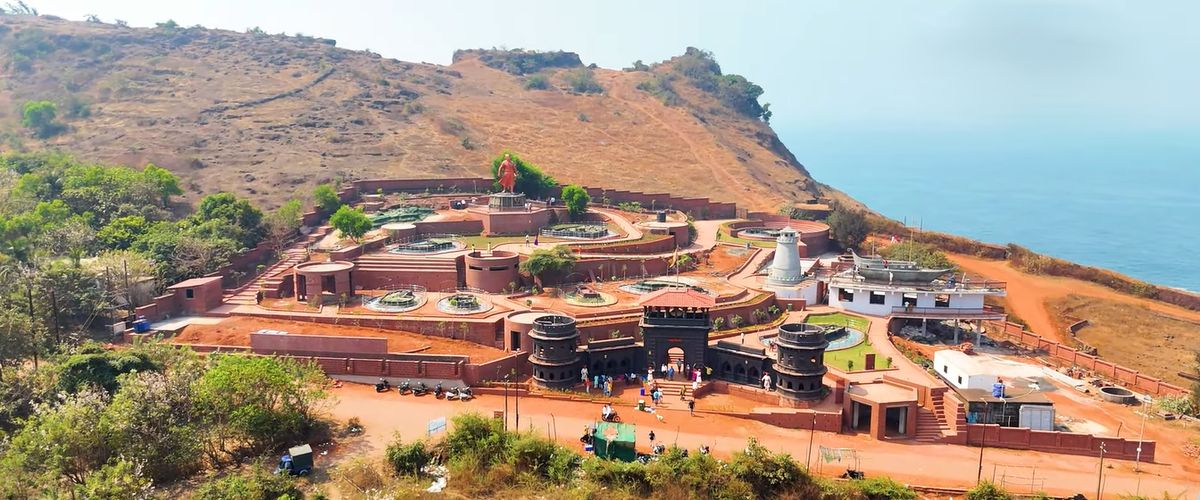
- Paved Walking Tracks: The inner complex features clean, well-laid stone pathways that wind safely toward the major ocean viewpoints, the historic bastions, and the active lighthouse. This makes exploring the massive 120-acre layout highly accessible for families and senior citizens.
- Nearby Dining & Accommodation: Because the city center is just 4 kilometers away, you are always less than a ten-minute drive from premium seafood restaurants, traditional family khanavals, medical stores, and comfortable beachfront resorts.
Geographical Information
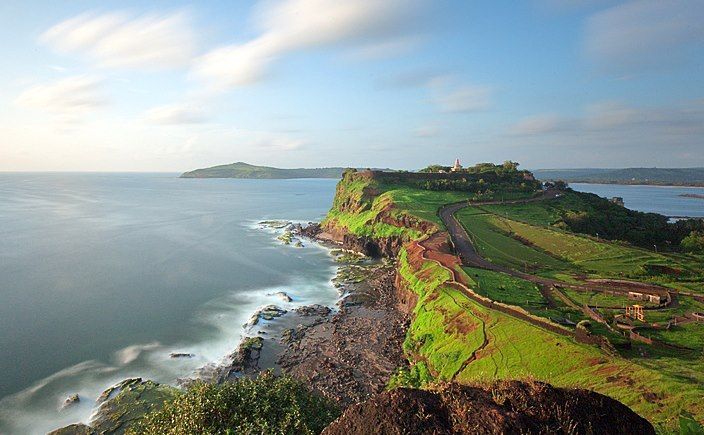
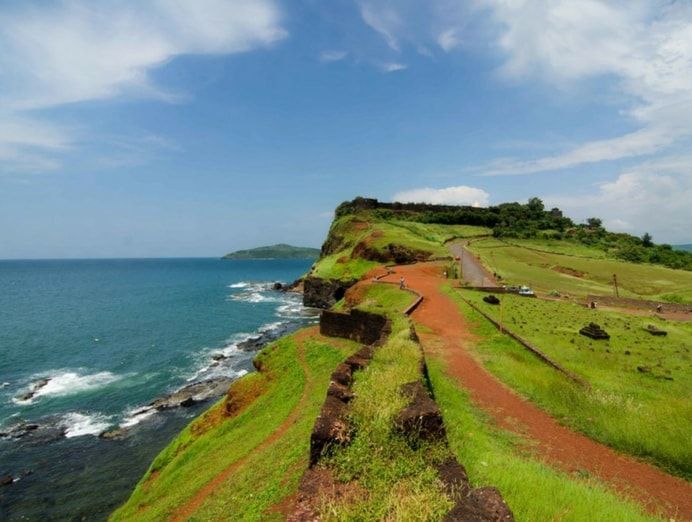
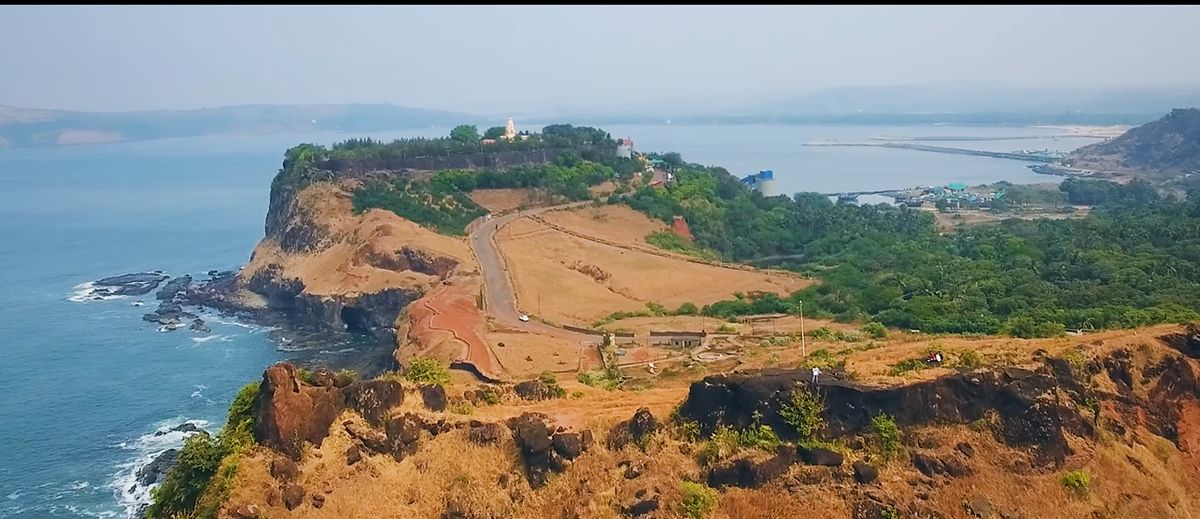
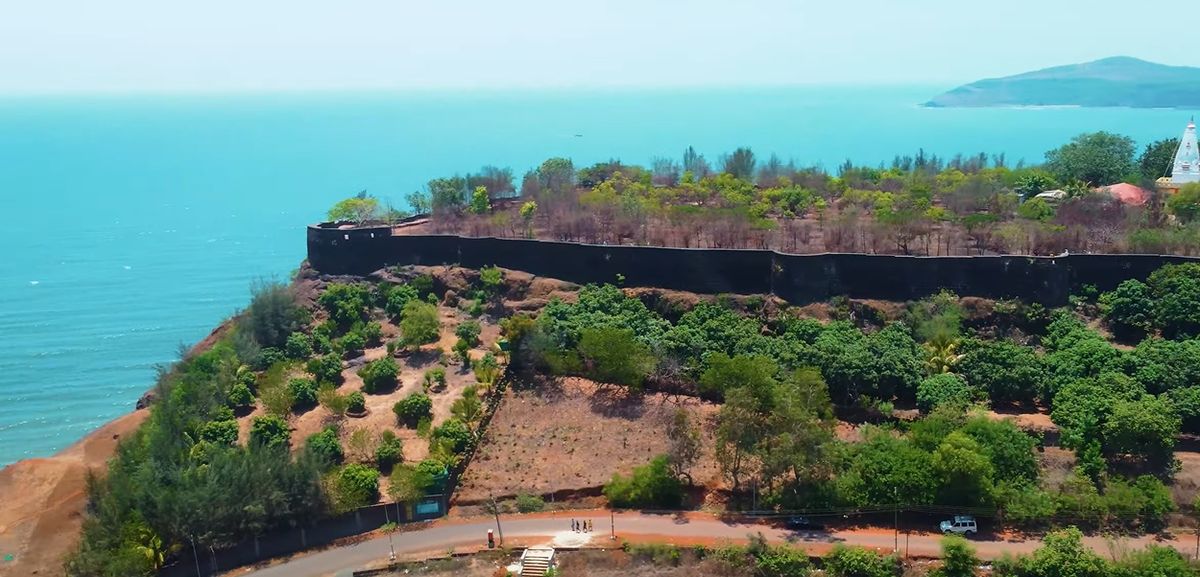
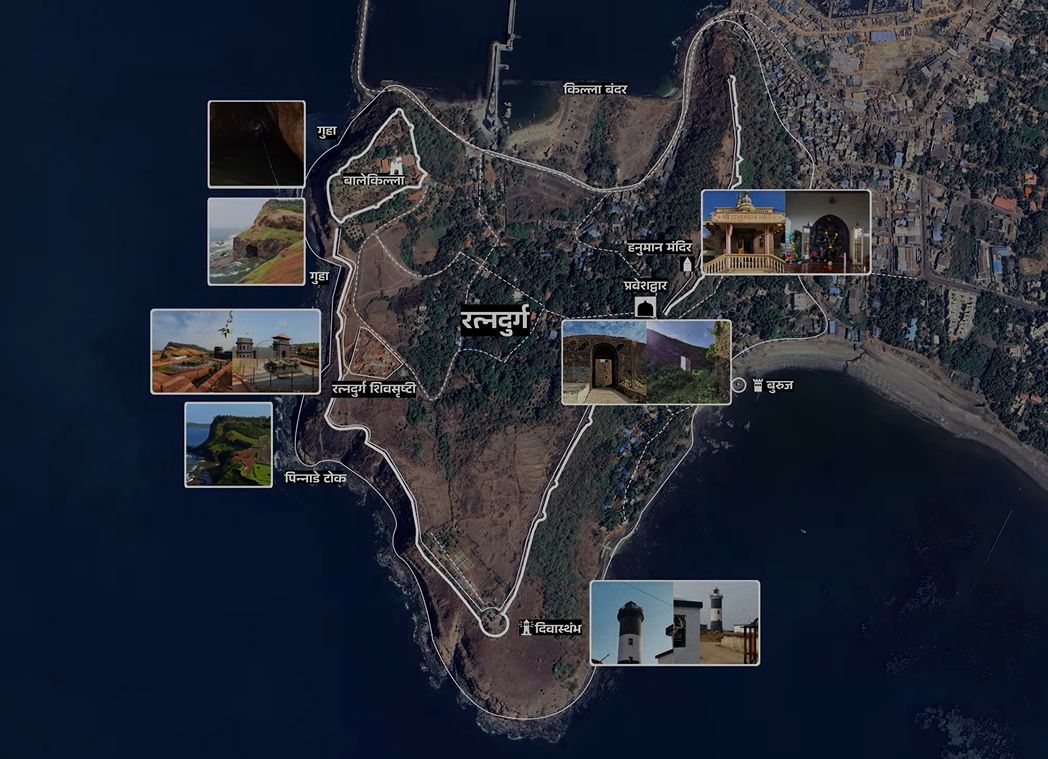
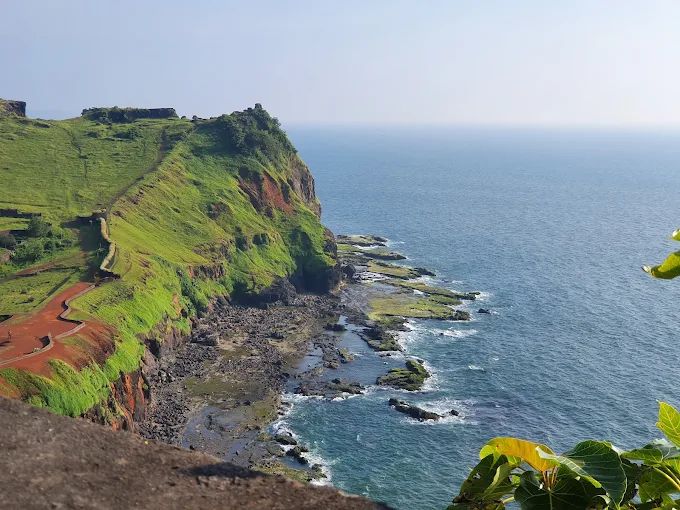
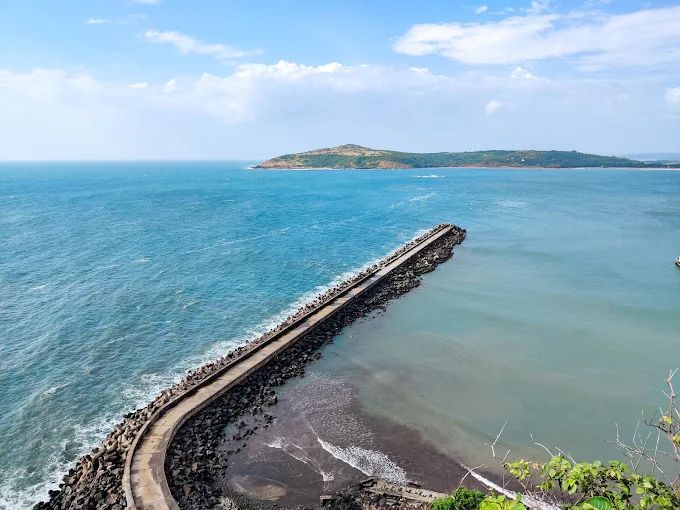
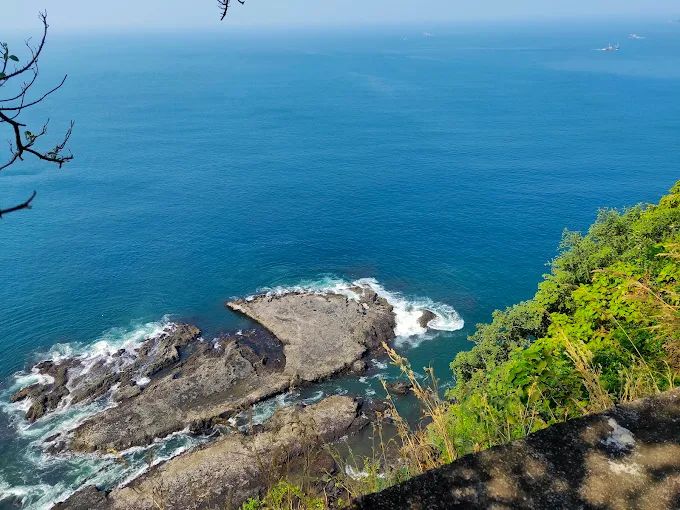
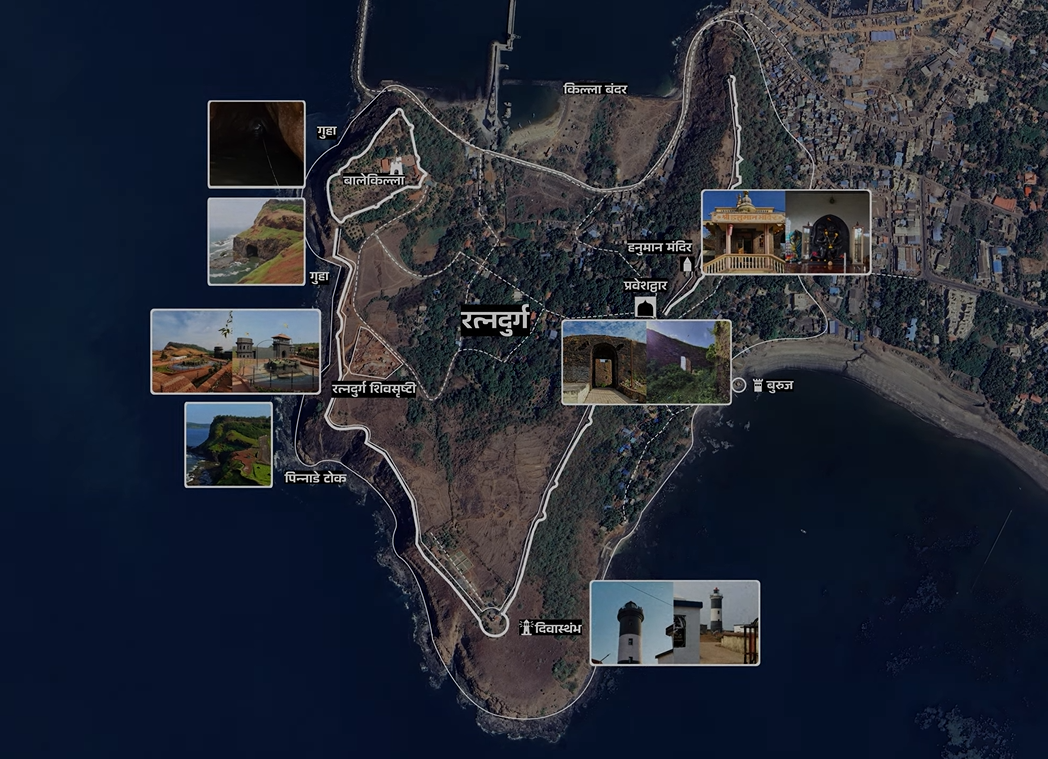
Ratnadurg Fort boasts a brilliant geographical placement along the rocky Konkan coastline of western Maharashtra. This historic citadel is situated on a massive, protruding peninsula just 4 kilometers away from Ratnagiri city. Because it juts directly out into the ocean, the fort is surrounded by the vast, crashing waters of the Arabian Sea on three of its sides, while a narrow stretch of red-stone land connects it to the mainland on its southeast corner. This unique three-sided water boundary naturally made it an exceptional coastal defensive shield in ancient times.
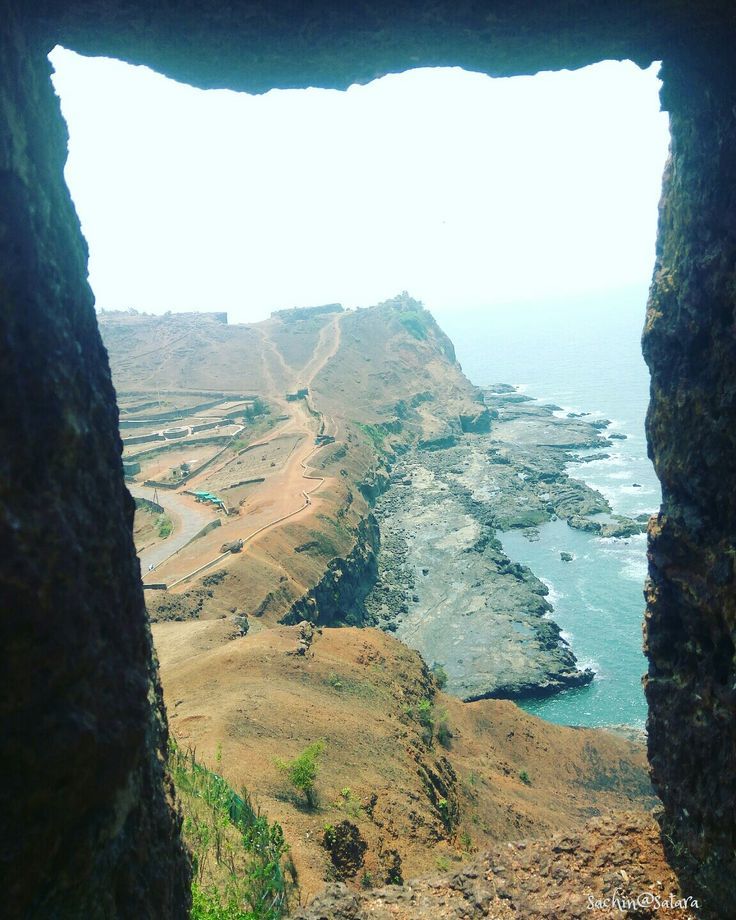
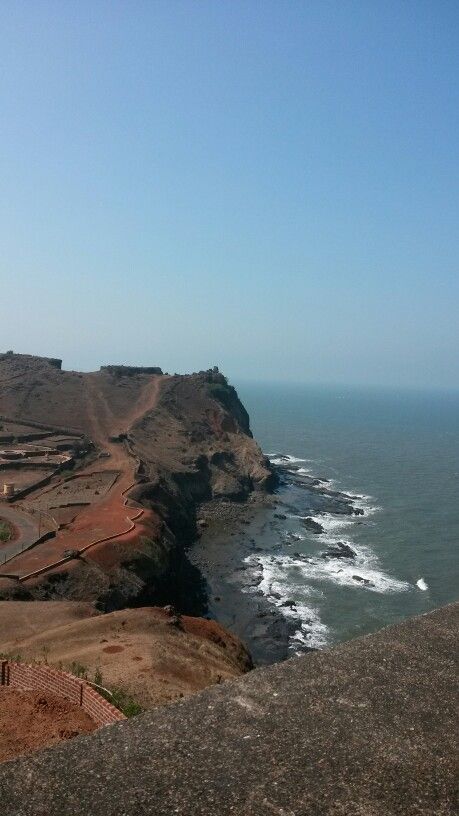
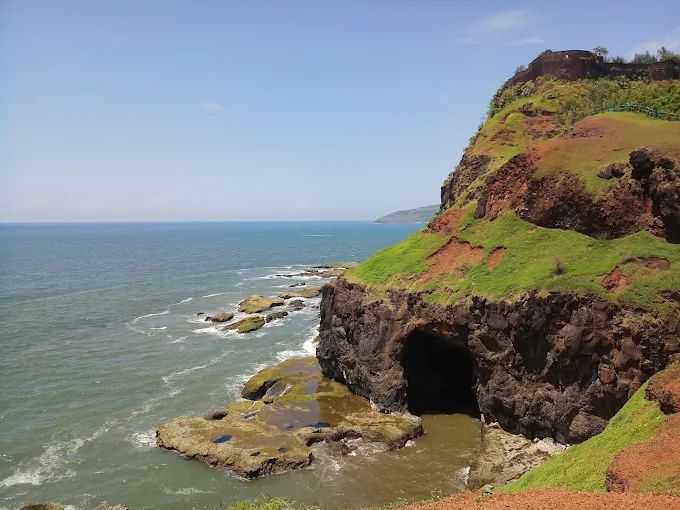
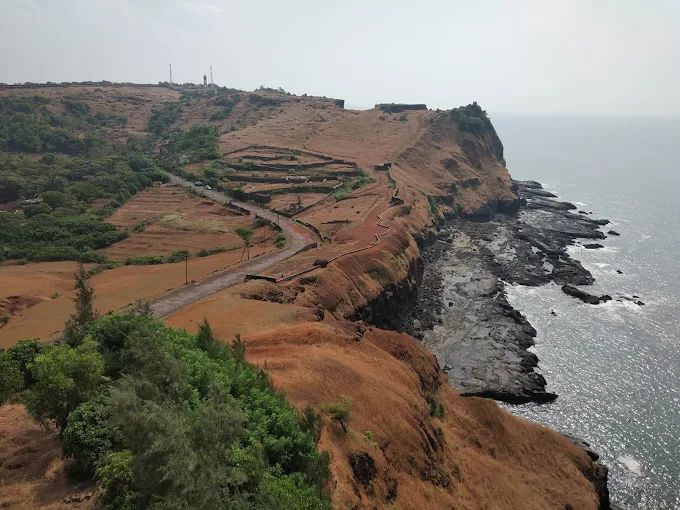
The 120-acre terrain of the fort is incredibly dramatic, featuring a striking horseshoe layout that sits atop a high, wave-cut coastal plateau. Rugged basalt cliffs drop sharply into the roaring sea below, punctuated by secret rock caves and old lookouts. Belonging to a tropical coastal climate zone, the landscape experiences intense, humid summers and dramatic monsoon seasons that paint the entire dark rock fortress in vibrant shades of emerald green. This magnificent, wind-swept setting offers sweeping, uninterrupted panoramic views of the curving shoreline, nearby Mirkarwada fishing port, and the endless oceanic horizon.
Culture & Local Lifestyles
The area surrounding Ratnadurg Fort is steeped in the warm, deeply hospitable spirit of the Konkan coast. Here, the local culture is beautifully tied to the rhythms of the Arabian Sea and the lush mango orchards that blanket the hillsides. It is a community that holds onto its maritime pride while opening its arms wide to travelers.
Traditions
The cultural identity of Ratnagiri revolves heavily around traditional coastal craftsmanship and folklore. For generations, the seafaring communities living near the fort have practiced sustainable, deep-sea fishing techniques, a legacy that is highly respected along the coast. Folk music and dance forms like Dashavatar—dramatic night-long re-enactments of mythological stories using bright wooden masks—remain a vital part of the social fabric, keeping centuries-old storytelling traditions fully alive.
Festivals
To truly experience the vibrant spirit of the region, visiting during major festivals is an absolute must. The fort itself becomes a major cultural hub during Navratri, when thousands of devotees climb up to the ancient Bhagwati Temple inside the ramparts. The air fills with the scent of camphor, traditional dhol beats, and devotional singing. Ganesh Utsav is another massive cultural experience, celebrated across every household with beautifully sculpted clay idols, traditional sweet modaks, and lively village processions that reflect pure Konkani joy.
Daily Life
The local lifestyle here is pleasantly unhurried, peaceful, and rooted in nature. Early mornings see bustling activity near the nearby Mirkarwada jetty as fishermen bring in the day’s fresh catch of pomfret and kingfish. Mid-afternoons are spent tending to the vast Alphonso mango and cashew groves that define the local economy. There is a deep, humanized sense of community here; neighbors gather over cups of steaming ginger tea or glasses of pink Solkadhi, sharing stories of the sea. For a traveler, simply slow-walking through the quiet, red-stone village paths near the fort offers an authentic glimpse into a lifestyle that masterfully balances hard coastal work with deep contentment.
Food and Local Cuisine
Exploring Ratnadurg Fort is only half the adventure; the real magic lies in diving into the vibrant flavors of the Konkan coast. The culinary scene here is heavily shaped by its coastal geography, bringing you a heavenly mix of fresh catches, rich coconut gravies, and world-famous tropical fruits.
Famous Dishes
The crown jewel of Ratnagiri’s traditional cuisine is Malvani Seafood. You cannot leave without trying an authentic Surmai (Kingfish) Thali or Kombi Vade—a delicious combination of thick, spicy chicken curry served with fluffy, deep-fried multigrain breads. Every authentic meal is paired with Solkadhi, a pink, refreshing digestive drink made from tart kokum fruit extract and fresh coconut milk infused with green chilies and garlic. If you are visiting during the summer months, indulging in fresh, creamy Alphonso Mango (Aamras) is an absolute ritual.
Street Food
The street food scene right outside the fort gates and along nearby Mandvi Beach is casual, affordable, and incredibly tasty. Local vendors serve up hot, crispy Sabudana Vada and Kanda Bhajji (onion fritters) that pair perfectly with the ocean breeze. For a unique sweet treat, look for Amba Poli (dried mango leather sheets) or Phanas Poli (jackfruit leather), which double as excellent travel snacks to pack for your journey home.
Restaurants & Cafes
For the best food in Ratnagiri, head just 10 minutes inland from the fort to the bustling city center. The town features a wonderful variety of dining spaces, from clean, no-nonsense family khanavals (traditional dining halls) that serve home-style, pounding fish curries on banana leaves, to modern, air-conditioned multi-cuisine restaurants. Many local cafes also feature trendy mango-infused desserts, milkshakes, and artisanal seafood platters, offering a wonderful balance of rustic tradition and modern culinary comfort.
Accommodation
Finding the best accommodation near Ratnadurg Fort is incredibly easy because the fortress sits just a ten-minute drive from the heart of Ratnagiri city. Whether you want to wake up to the sound of crashing ocean waves or prefer staying close to the bustling city markets, the regional hospitality scene has excellent options for every type of traveler.
Budget Hotels
For backpackers and solo travelers tracking their expenses, there are fantastic budget stay options located right around the Ratnagiri Bus Stand and Maruti Mandir area. These properties offer clean, air-conditioned or non-AC rooms, free Wi-Fi, and quick access to local transport. Staying here keeps you perfectly positioned to explore the fort early in the morning while saving money for delicious seafood thalis.
Mid-Range Hotels
If you are traveling with family, the mid-range hotels in Ratnagiri offer the perfect sweet spot between comfort and affordability. Located mostly along the main highway routes and near Bhatye Beach, these hotels feature spacious family suites, in-house restaurants serving authentic Konkani food, secure parking spaces, and excellent room service to make your trip preparation completely stress-free.
Luxury Resorts
For those looking to indulge, premium beachside luxury resorts are scattered along the stunning, curving coastlines of Bhatye and Arey Warey. These properties feature gorgeous infinity pools overlooking the Arabian Sea, private beach access, beautifully landscaped lawns, and top-tier spa facilities. It is the ultimate choice for couples and travelers who want to pair their historical fort exploration with a deeply relaxing tropical vacation.
Homestays
To experience the true essence of Konkan hospitality, booking local homestays in the quiet villages surrounding the fort is an unmatched experience. You get to stay in traditional red-stone Konkani homes, walk through private Alphonso mango orchards, and enjoy fresh, home-cooked coastal meals prepared by your hosts. It is an authentic, humanized stay option that gives you a deep glimpse into the peaceful local lifestyle.
Budget/Cost Estimation
Transport Expenses: Local commuting is highly affordable. Utilizing local auto-rickshaws or city buses costs around ₹100 – ₹250 per day, while renting a private cab or fueling a personal vehicle for a road trip averages ₹1,000 – ₹2,000 per day.
Food Expenses: Savoring the local cuisine easily fits into any trip budget. Budget travelers can enjoy beachside street food and home-style khanavals for ₹300 – ₹500 per day, while dining at premium seafood restaurants and AC cafes ranges from ₹700 – ₹1,300 per day.
Accommodation Expenses: Finding a place to stay is incredibly flexible. A standard budget stay or city lodge costs roughly ₹900 – ₹1,500 per night, whereas mid-range boutique homestays and coastal luxury resorts average ₹2,500 – ₹5,000 per night.
Activity Expenses: The main historical exploration is completely free. There is zero entry fee for the fort complex or the Bhagwati Temple, leaving your estimated expenses limited to a nominal ₹20 – ₹50 fee for vehicle parking and entry to the active lighthouse.
Smart Financial Planning: Because Ratnadurg Fort is situated just 4 kilometers from central Ratnagiri, you can comfortably save money on long-distance commuting and enjoy affordable travel without missing out on the rich cultural experience.
Frequently Asked Questions
Popular Activities
Video and Photo Gallery
Related Stories
Traveller Reviews
No reviews yet
Be the first to share your experience!