Introduction
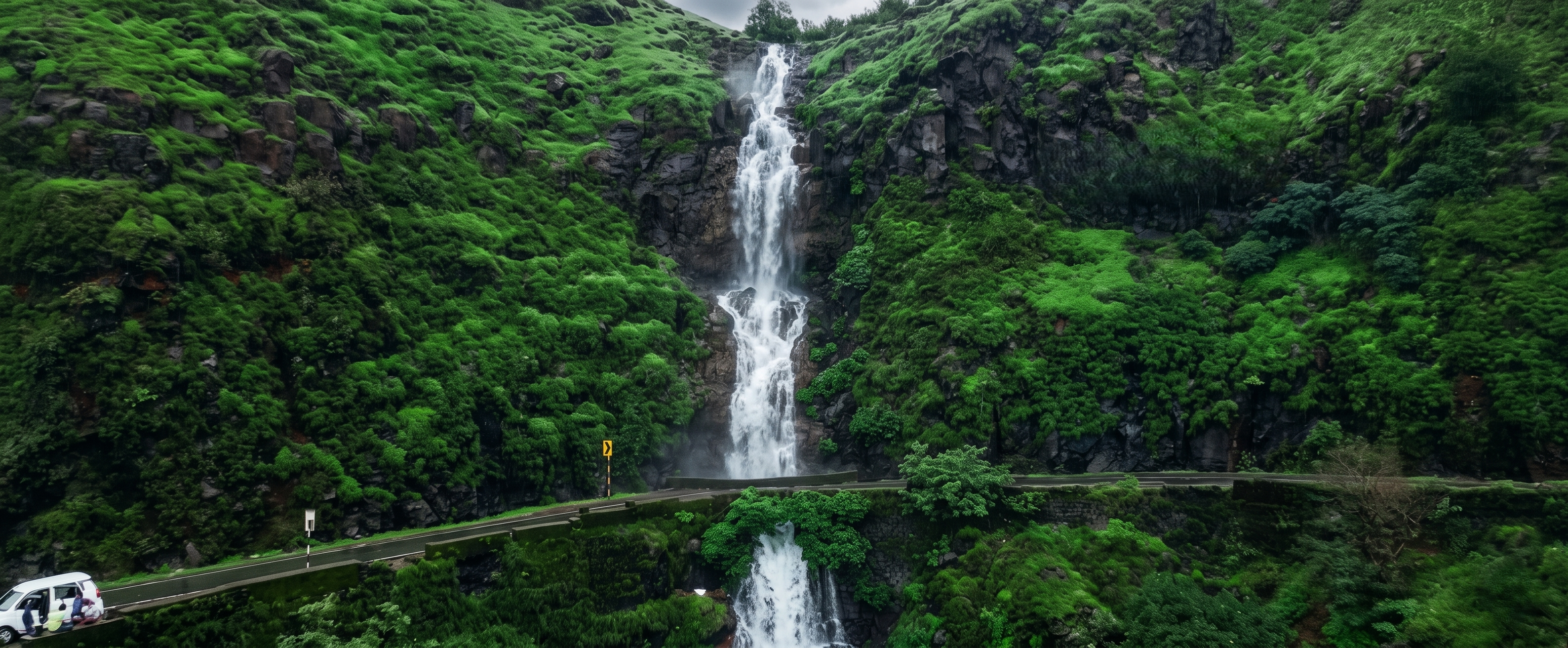
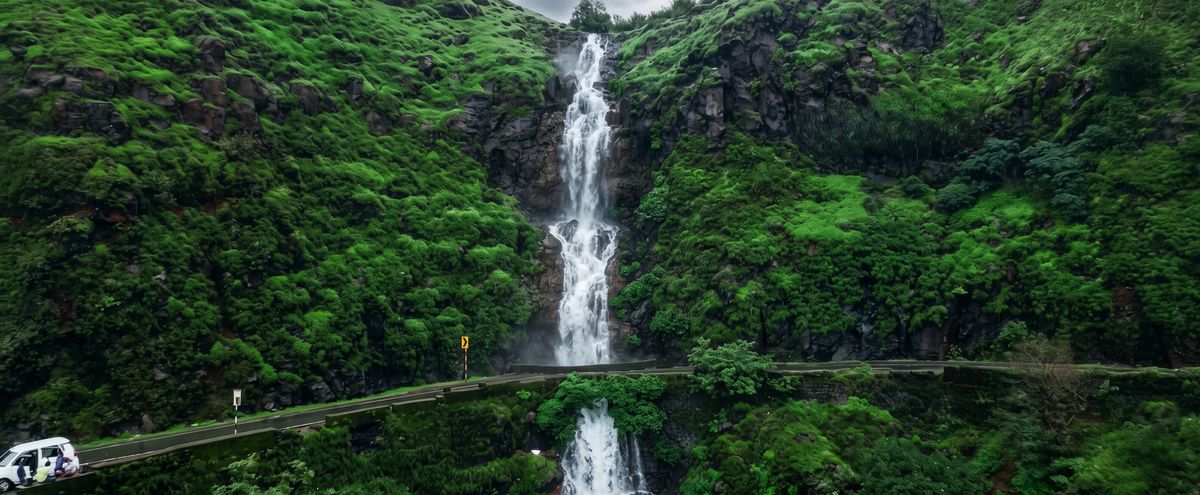
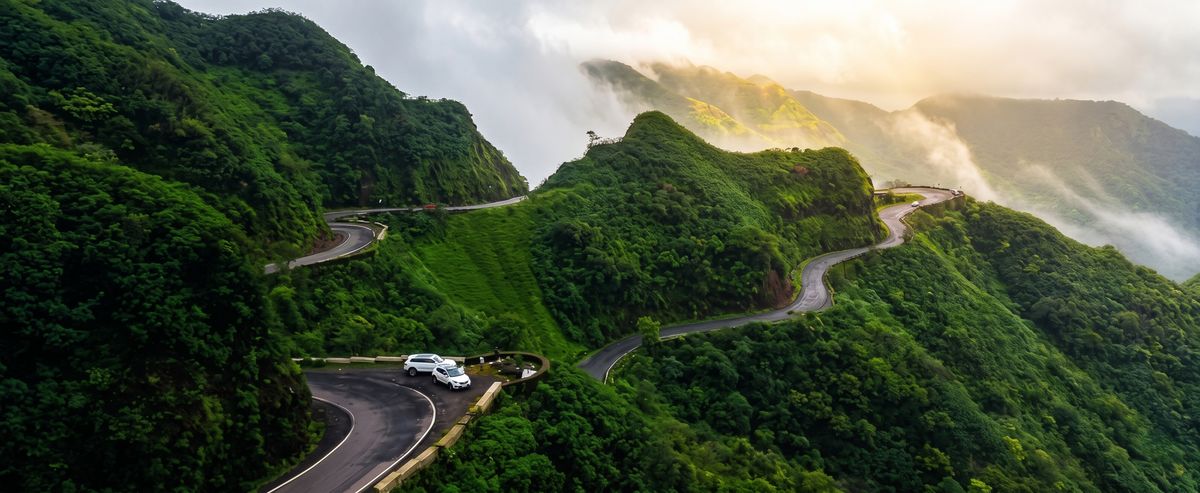
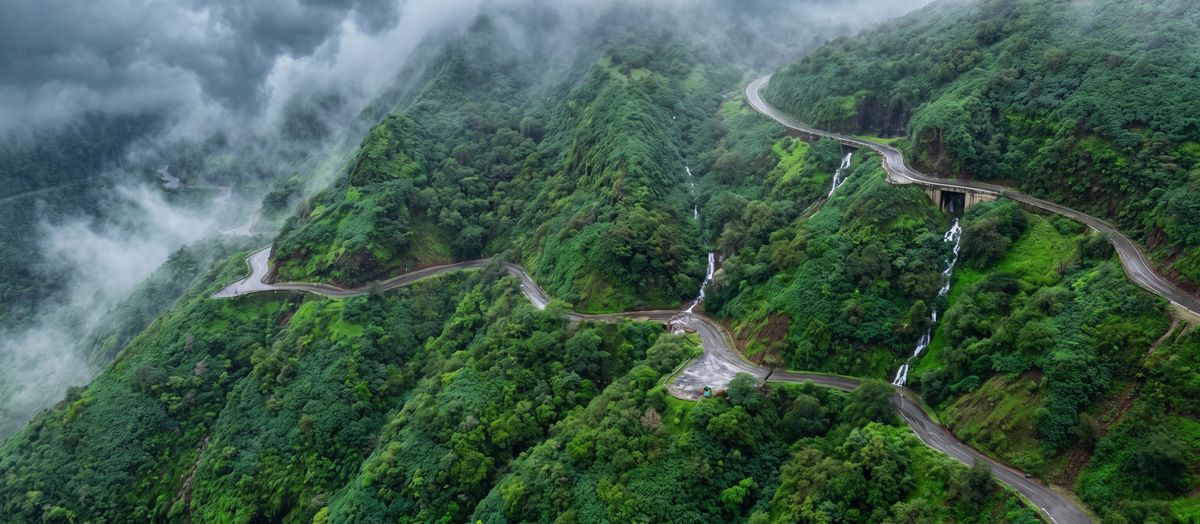
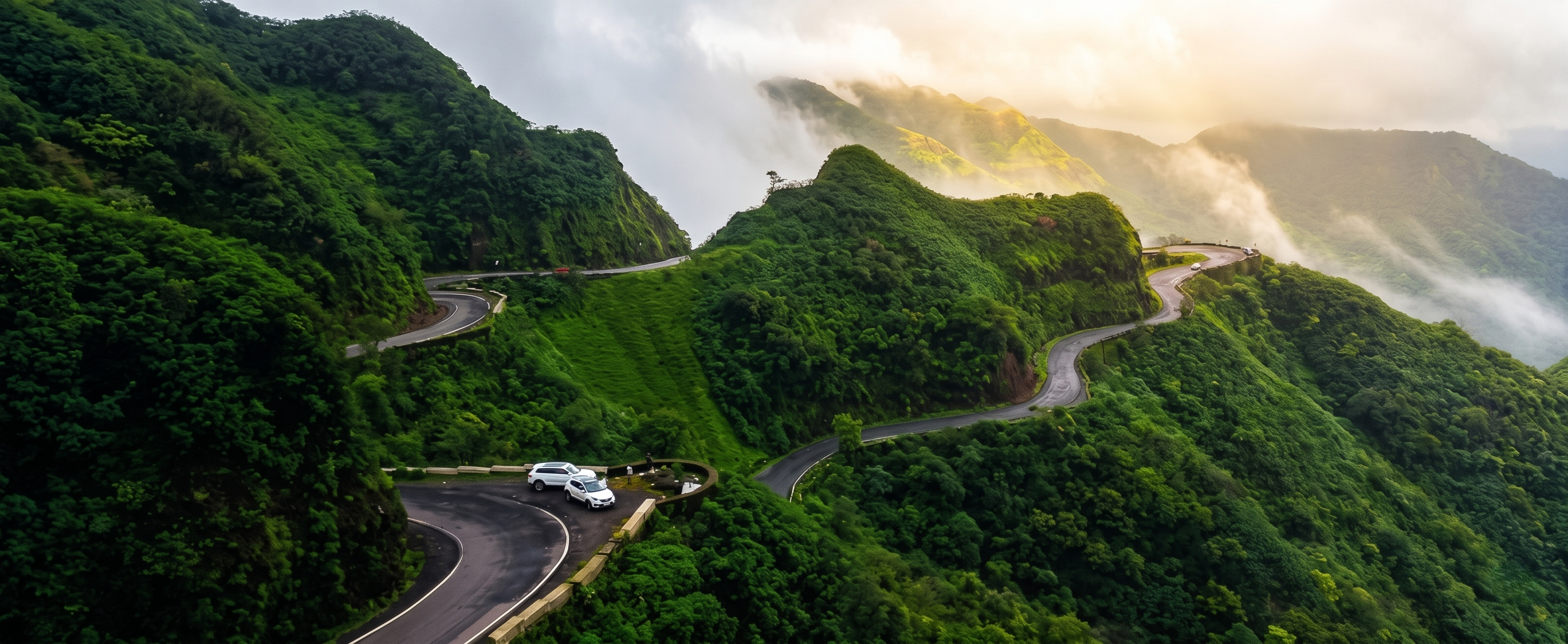
Tucked away in the pristine wilderness of the Western Ghats, Bhuibavda Ghat Waterfalls is a hidden cascade that comes alive during the monsoon season. Located along the scenic Bhuibavda Ghat mountain pass in Maharashtra's Sindhudurg district, this destination is famous for its raw, untouched beauty and the dramatic, mist-covered valley views that surround it. Unlike more commercialized tourist spots, it offers a refreshing escape into nature where mountain streams plummet down rugged cliffs, creating a spectacular roadside viewing experience.
Visiting here feels like stepping into a living postcard. The experience centers around tranquility and awe, making it a paradise for road trippers, nature lovers, and photographers seeking to capture the seasonal greenery. You should visit to experience the invigorating chill of the mountain air, the soothing sound of rushing water, and the sheer thrill of watching a seasonal torrent carve its way through the landscape. It offers the perfect blend of a peaceful nature retreat and an adventurous monsoon drive.
History
While the Bhuibavda Ghat Waterfalls may seem like a newly discovered paradise on social media feeds, its roots are deeply tied to the ancient trade routes of Maharashtra. Long before it became a favorite stopover for monsoon road trippers, this rugged mountain pass served as a crucial connection between the historic coastal ports of Konkan and the royal inland markets of the Deccan Plateau.
The waterfall itself is a natural, seasonal wonder carved out by centuries of heavy monsoon torrents. For generations, local communities revered these hills, understanding the rhythms of the water streams that give life to the valley. During the British colonial era and the subsequent development of Maharashtra’s modern infrastructure, the rough mountain tracks were systematically engineered into the paved ghat road we travel today.
It was this transition from a treacherous historic pathway to an accessible scenic route that finally unveiled the hidden waterfall to the wider world. Travelers who once rushed through the pass to escape the heavy rains began pausing to admire the sheer power of the water cascading down the black basalt rock. Today, the history of Bhuibavda Ghat Waterfalls is shifting from a story of pure transit to one of eco-tourism, standing as a timeless reminder of how nature and human journeying beautifully intersect.
Climate & Weather
Monsoon (June to September)
The best time to visit Bhuibavda Ghat Waterfalls is undoubtedly during the monsoon. This is the peak tourist season when torrential rains completely transform the Western Ghats. The waterfall roars to life, plunging down the cliffs in full force while the entire valley gets draped in vibrant greenery and thick blankets of mist. It is the ultimate period for monsoon travel, offering dramatic roadside views and crisp, refreshing air.
Winter (October to February)
The post-monsoon and winter months offer a transition into a highly pleasant ideal season for exploring. While the waterfall's volume tapers off significantly by December, the weather in this region becomes beautifully cool and crisp. It is a fantastic time for safe driving, mist-covered morning photography, and peaceful valley views without the heavy downpours.
Summer (March to May)
Summer is generally considered the off-season for this destination. During these months, the intense heat parches the landscape, causing the seasonal waterfall to completely dry up. While the mountain pass remains open, the lush surroundings turn arid, making it less than ideal for sightseeing.
Transportation
Please select a transportation mode to view details
Facilities
Because Bhuibavda Ghat Waterfalls is fundamentally a raw, rugged nature destination rather than a highly commercialized park, the available onsite facilities reflect its rustic charm. Knowing what to expect helps you prepare for a seamless and comfortable trip into the wilderness.
- Parking Space: Directly near the prominent waterfall spots along the highway, the widened mountain roads offer spacious, naturally carved out pockets for vehicle parking. There is ample room to safely pull over your car or bike, park securely against the mountain walls, and step out to enjoy the views.
- Local Food Stalls: During the peak monsoon season, local vendors set up temporary stalls along the pass. You can easily find comforting treats like piping hot tea, roasted corn on the cob (bhutta), and simple, freshly prepared local snacks that perfectly complement the chilly mountain air.
- Restrooms & Cleanliness: There are no permanent or sophisticated public restrooms built directly at the waterfall edge. Travelers generally rely on the facilities at fuel stations or small family-run restaurants located further up at the Gaganbawada town intersection or down towards the foothills.
- Accommodation Nearby: While you won't find major hotels right on the steep slopes of the ghat, there are excellent eco-resorts, homestays, and budget lodgings scattered within a 10 to 15-kilometer radius near Gaganbawada and Vaibhavwadi for travelers planning an overnight stay.
Geographical Information
Bhuibavda Ghat Waterfalls is situated in the southwestern part of Maharashtra, serving as a breathtaking natural gateway within the Sindhudurg district. This majestic cascade drops alongside the mountain road that winds down the Sahyadri mountain range, geographically positioning it right at the edge of the Konkan coastline. It acts as a scenic bridge between the high-altitude Deccan plateau markets, like Kolhapur, and the low-lying coastal plains of Vaibhavwadi, making it a prominent ecological landmark in the region.
The surrounding terrain is characterized by steep, rugged cliffs made of dark basalt rock, a classic feature of the Western Ghats landscape. Thick tropical forests carpet the valleys below, creating a rich habitat for local wildlife and dense seasonal flora. Culturally and environmentally, the area falls into a tropical monsoon climate zone, which ensures the region experiences heavy, predictable rainfall during the summer monsoons. This abundant water supply fuels the seasonal stream, turning the sharp cliffs into a dramatic dropsheet of rushing white water surrounded by heavy mist and emerald-green slopes.
Culture & Local Lifestyles
Beyond its misty roads and roaring cascades, the region surrounding Bhuibavda Ghat Waterfalls is steeped in the rich cultural tapestry of the Konkan and Western Maharashtra lines. The people living in the nearby villages and foothills possess a deep, generational bond with the Sahyadri mountains, leading a life that is beautifully synchronized with the rhythm of nature.
Traditions
Hospitality is the cornerstone of local life here. The communities, primarily speaking Malvani and Marathi, follow a lifestyle rooted in simplicity, warmth, and a deep reverence for the land. A beautiful local tradition is the preservation of Devrais (sacred groves)—patches of undisturbed forests protected by communities due to religious beliefs. These groves keep the natural ecosystems around the ghats completely pristine, reflecting a spiritual commitment to nature conservation.
Festivals
Life here bursts into vivid color during cultural festivals, which are heavily tied to the agricultural calendar. Ganesh Utsav is celebrated with immense devotion and grand scale across every household, bringing families back to their ancestral villages. Monsoon is also a time for Gatari Amavasya, celebrating the arrival of the rains before the holy month of Shravan. Additionally, local village fairs (Jatras) honoring guardian deities involve vibrant folk dances, traditional music, and community feasts that offer travelers an authentic taste of local heritage.
Daily Life
Daily life in the foothills of Bhuibavda Ghat revolves mostly around seasonal farming. Step-farming is common on the slopes, with sprawling, bright-green paddy fields dominating the landscape during the monsoon. Alongside rice, locals cultivate finger millet (nachni), betel nuts, and world-famous Alphonso mangoes. There is a slow, soulful pace to the day—men tending to fields, women preparing traditional Malvani meals over firewood, and local vendors sharing warm smiles and fresh roasted corn with travelers passing through the ghat. It is a lifestyle that reminds every visitor of the beauty of slowing down.
Food and Local Cuisine
An adventure through the misty lanes of Bhuibavda Ghat is incomplete without diving into the region's incredible culinary landscape. Because the ghat connects the fiery flavors of Kolhapur with the coastal richness of Konkan, the local food scene here offers a spectacular culinary crossover that beautifully enhances your travel experience.
Famous Dishes
The region is celebrated for its unique, authentic traditional cuisine. For meat lovers, the star of the show is Vada Kombda—a traditional Malvani delicacy featuring country-style (gavran) chicken curry simmered in potent spice blends, paired with thick, deep-fried rice flour puris. Vegetarian travelers should not miss the comforting Bhaji-Bhakri, featuring locally sourced wild monsoon vegetables (Ranbhaja). To top off any meal, a glass of pink, tangy Solkadhi—a refreshing digestive drink made from kokum fruit and fresh coconut milk—is an absolute must.
Street Food
When it comes to street food, nothing beats the quick bites available right along the mountain route. Monsoon road trippers consistently stop for steaming plates of Kanda Bhaji (crispy onion fritters) and roasted corn on the cob rubbed with lemon and chili. You will also find highly popular, roadside Vada Pav centers serving piping hot potato patties sandwiched in fresh bread, served alongside a fiery garlic chutney that perfectly cuts through the chilly mountain air.
Restaurants & Cafes
While the steep ghat section itself features small snack stalls, proper sit-down meals can be found just a few kilometers away. For the best food in the area, head up to the Gaganbawada town intersection or descend toward the Vaibhavwadi foothills. Local eateries like Hotel Paahunchaar, Hotel Swaranjali, and Hotel Jivhala serve up massive, budget-friendly Maharashtrian thalis. If you are looking for a rustic, farm-to-table dining experience, nearby eco-resorts like Kaajva offer traditional home-cooked Konkani meals right in the heart of nature.
Accommodation
Finding the best accommodation near Bhuibavda Ghat Waterfalls requires looking just a few kilometers outside the steep mountain pass itself. Because the ghat is a protected eco-sensitive zone, overnight lodging is concentrated in the nearby hubs of Gaganbawada (at the top of the ghat) and Vaibhavwadi (at the foothills). This location convenience ensures you can enjoy a peaceful night's stay right on the edge of the wilderness.
Budget Hotels
For backpackers and road trippers looking for a no-frills, budget stay, small lodges and transit hotels can be found along the Gaganbawada-Kolhapur highway. These properties offer clean, basic rooms, running hot water (essential after a drenched day at the waterfalls), and secure parking for your vehicles without straining your wallet.
Mid-range Hotels
The mid-range segment offers a fantastic balance of comfort and affordability. Popular options like Annabella Resort and Sitai Resort provide comfortable, air-conditioned rooms, attached restaurants serving local Maharashtrian cuisine, and lovely views of the surrounding hills. They are highly favored by families who want a cozy base close to the main sightseeing points.
Luxury Resorts
While ultra-luxurious 5-star properties are rare in this rustic terrain, boutique nature resorts like Stonarc Resort and Palm Bliss Resort offer an upscale, premium experience. These luxury resorts feature expansive layouts, swimming pools, beautifully manicured gardens, and private balconies opening up to mist-covered valleys. They are perfect for travelers who want to immerse themselves in nature without sacrificing modern luxuries.
Homestays
To truly experience the legendary hospitality of the region, booking one of the local homestays is highly recommended. These family-run properties and farm stays—often tucked away inside spice plantations or mango orchards—let you experience the authentic local lifestyle. Staying here gives you a chance to enjoy home-cooked Malvani meals and get insider travel tips from local hosts.
Budget/Cost Estimation
Planning a monsoon escape to the mist-covered Sahyadri ranges requires smart financial planning to keep your itinerary seamless. Bhuibawada Waterfall, tucked away near the scenic Gaganbawada hill station on the Kolhapur-Sindhudurg border, is a fantastic option for travelers seeking an untouched, pocket-friendly paradise. Mapping out your estimated expenses ahead of time guarantees complete transparency and establishes effortless travel affordability across all budget levels.
Whether you are designing a rugged backpacking route or organizing a comfortable holiday in the hills, structured trip preparation ensures you won't hit any unexpected financial road bumps.
Quick Entry Costs
- Waterfall Access: Free / No Entry Ticket (unexplored natural site; no commercialized ticketing as of yet).
- Local Parking: ₹20 – ₹50 (managed casually by nearby villagers during the peak monsoon season).
Estimated Expenses by Travel Style
- Budget Travel (Total: ₹1,100 – ₹1,900 / day)
- Transport: ₹100 – ₹250 via state transport (MSRTC) buses running from Kolhapur or Kankavali to Gaganbawada, supplemented by shared local jeeps.
- Food: ₹200 – ₹350 for authentic, spicy Kolhapuri misal, pitla bhakri, or local thalis at roadside dhabas and village eateries.
- Stay: ₹800 – ₹1,300 per night for basic village homestays or standard budget lodges at the Gaganbawada ghat-matha.
- Mid-Range Travel (Total: ₹4,000 – ₹7,500 / day)
- Transport: ₹1,200 – ₹2,200 covering fuel costs for a personal hatchback or a self-drive car rental to navigate the winding ghat roads.
- Food: ₹450 – ₹900 eating multi-cuisine meals and classic Konkani-style thalis at established highway restaurants.
- Stay: ₹2,500 – ₹4,500 per night at cozy nature retreats, MTDC-affiliated properties, or comfortable agro-tourism farms.
- Premium Travel (Total: ₹10,500 – ₹18,000+ / day)
- Transport: ₹3,000 – ₹5,500 for a private, dedicated SUV rental with an experienced driver familiar with heavy monsoon fog conditions.
- Food: ₹1,200 – ₹2,500 ordering custom culinary spreads and specialized multi-course meals directly at premium eco-resorts.
- Stay: ₹6,500 – ₹10,000+ per night staying in luxury forest villas or high-end valley-view resorts offering curated wellness facilities.
Essential Trip Preparation Tips
- Backup Your Cash: Due to the thick canopy and remote mountainous terrain of the Bhuibawada Ghat, mobile networks regularly drop. Do not rely entirely on UPI; carry enough physical cash for emergencies and local food stalls.
- Off-Peak Affordable Travel: Booking your accommodations from Monday to Thursday avoids the heavy weekend crowd pouring in from nearby cities, cutting room tariffs down by up to 25%.
Frequently Asked Questions
Popular Activities
Video and Photo Gallery
Related Stories
Traveller Reviews
No reviews yet
Be the first to share your experience!