Introduction
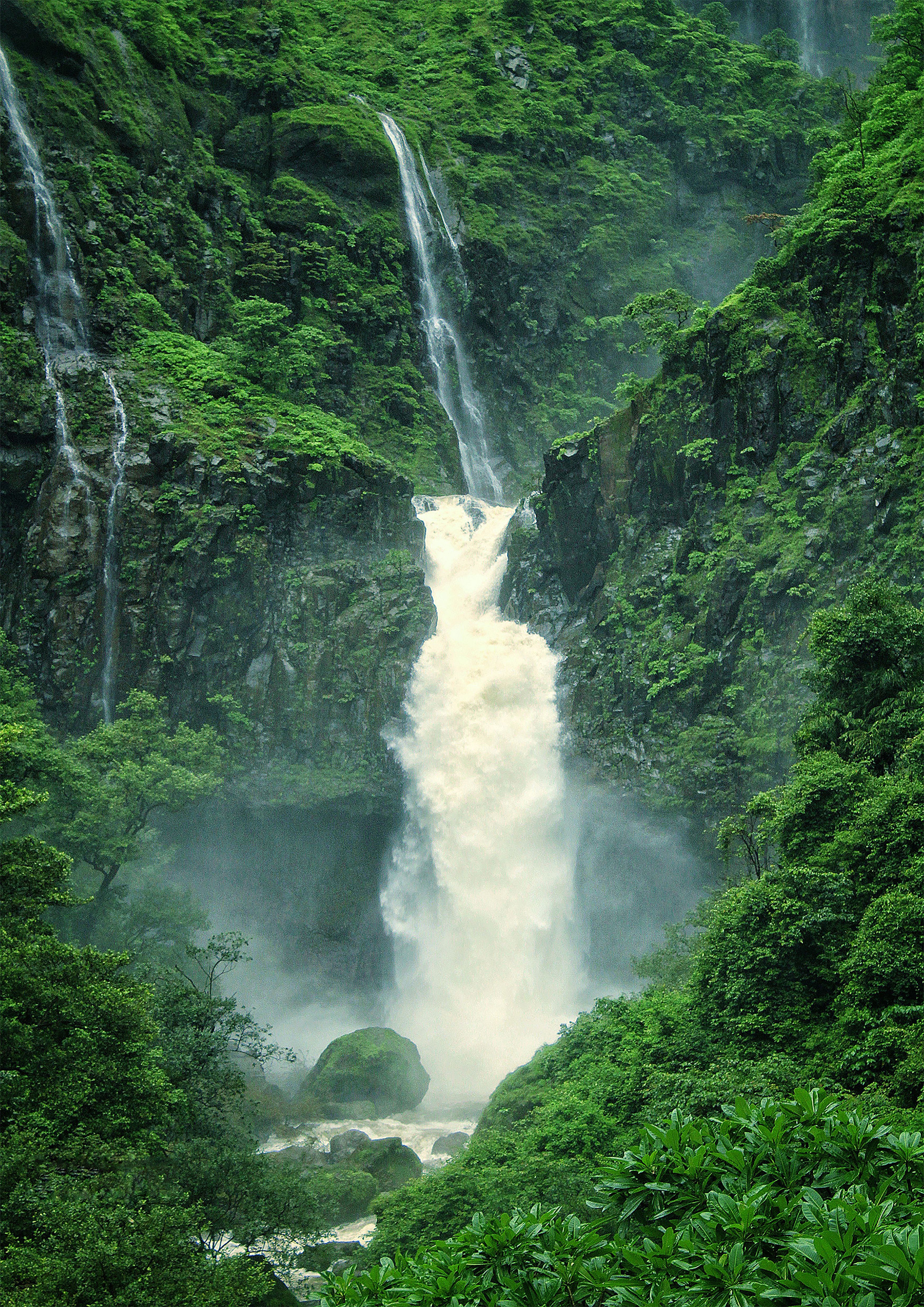
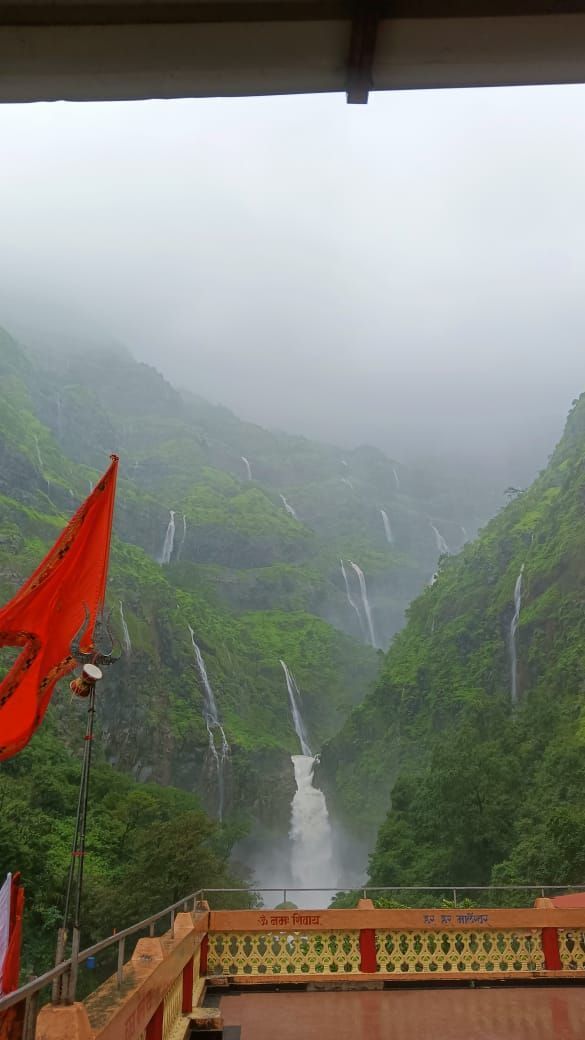
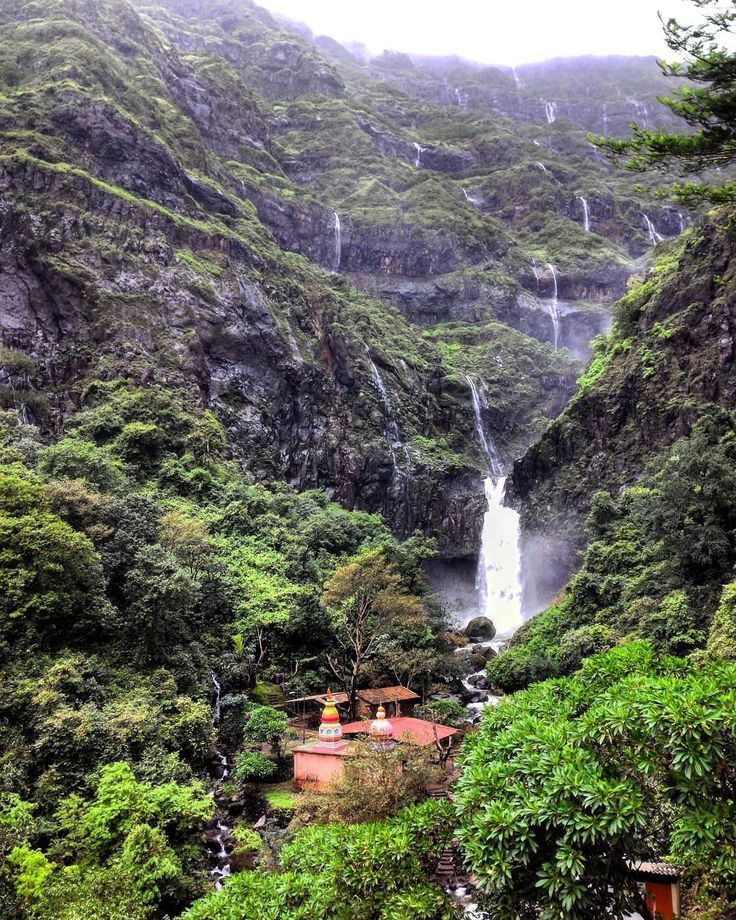
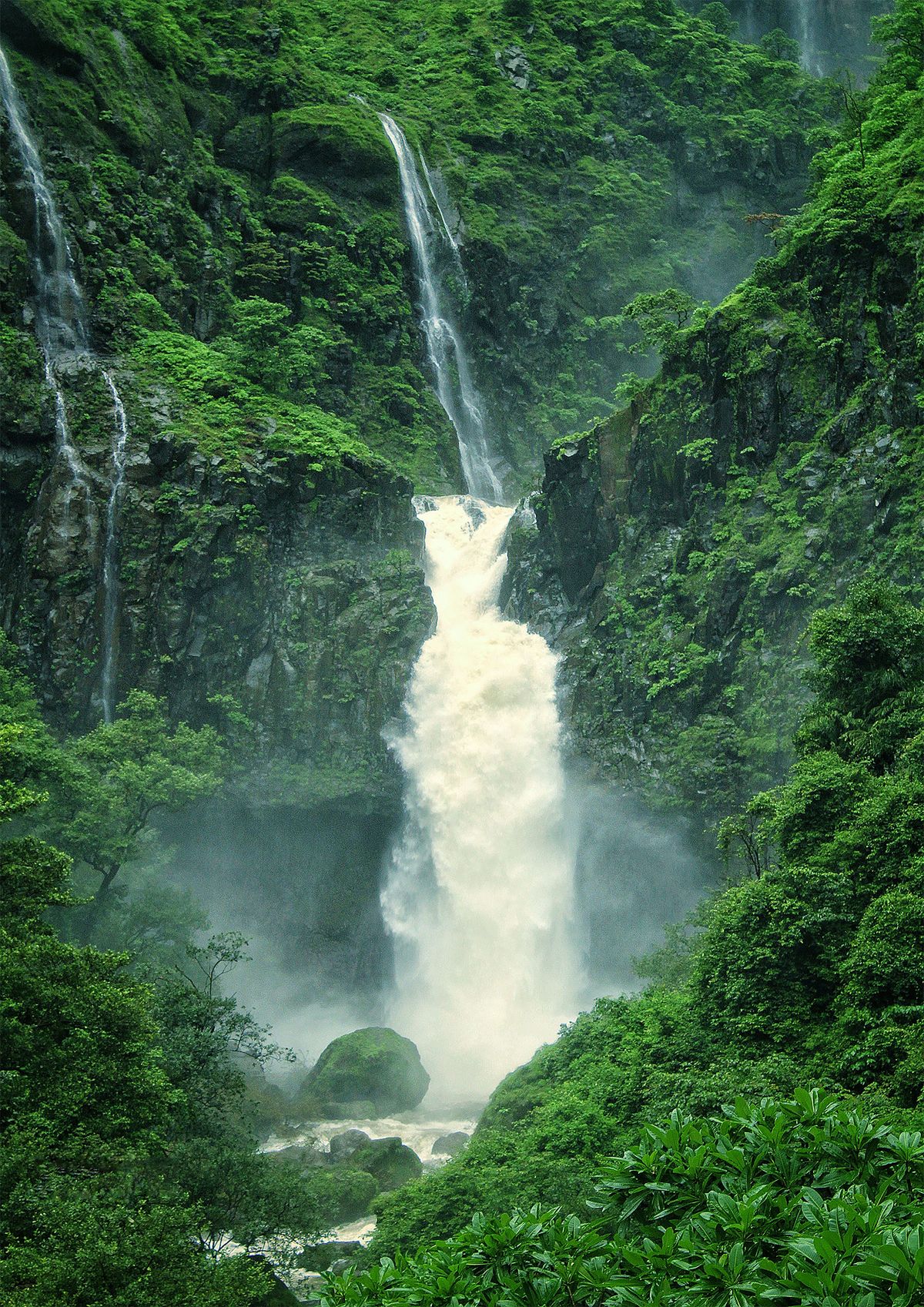
Marleshwar Waterfall is a beautiful nature spot hidden in the green hills of Maharashtra. Located in the Ratnagiri district, this place is famous for two things: its stunning, crashing waterfall and an ancient cave temple dedicated to Lord Shiva. It is a special destination where natural beauty and peaceful spirituality come together, making it a favorite spot for both nature lovers and pilgrims.
Visiting Marleshwar is all about enjoying the fresh air and beautiful views. The trip offers a wonderful mix of adventure and relaxation, featuring a short walk through lush green forests and the sight of water pouring down the rocks. It is the perfect place to escape busy city life, take amazing photos, and feel close to nature. If you love green landscapes and peaceful vibes, this hidden gem is definitely worth a visit.
History
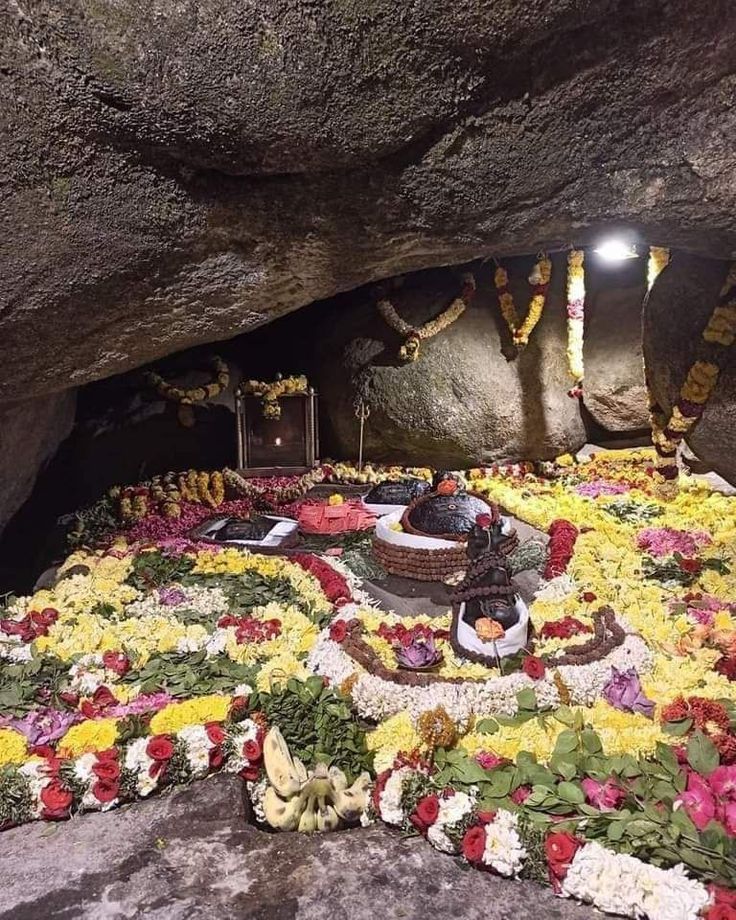
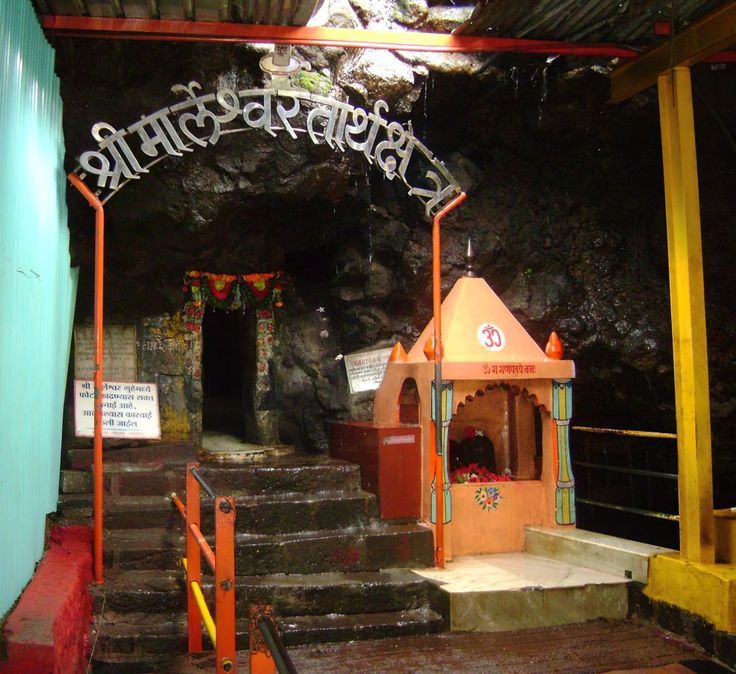
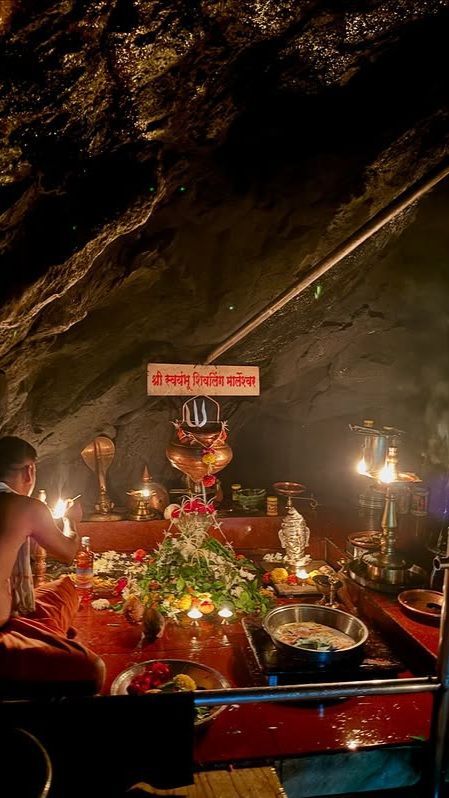
The story of Marleshwar is deeply rooted in ancient Hindu mythology and local folklore. According to local legends, the foundation of this sacred site was laid by Lord Parshuram, an incarnation of Lord Vishnu. The cave temple houses a Swayambhu (self-manifested) Shivalinga, which means it was not carved by human hands but appeared naturally over centuries. For generations, local communities and pilgrims have walked through dense forests to worship here, making it a timeless symbol of faith in the Konkan region.
One of the most unique and mysterious historical aspects of Marleshwar is its deep connection with wildlife, specifically cobra snakes. Local lore says that these cobras have coexisted with the temple priests and visitors inside the dark cave for hundreds of years. Remarkably, there is no record of anyone ever being harmed by them.
The site is also famous for celebrating the mythical wedding of Lord Marleshwar and Goddess Girijadevi every year during Makar Sankranti. The nearby Dhareshwar Waterfall completes this historic, sacred landscape, as its powerful cascade is traditionally compared to the holy River Ganges flowing directly from Lord Shiva's hair.
Climate & Weather
Planning the perfect getaway to Marleshwar depends entirely on the kind of experience you are chasing. Whether you want to witness nature at its loudest or enjoy a peaceful walk through the hills, timing your trip right makes all the difference.
Summer (March to May)
Summer brings warm weather to the region, making it the least ideal season if your main goal is to see the waterfall. The cascade often thins down to a trickle. However, the shaded cave temple remains naturally cool, offering a quiet, crowd-free spiritual retreat for those looking to avoid the tourist rush.
Monsoon (June to September)
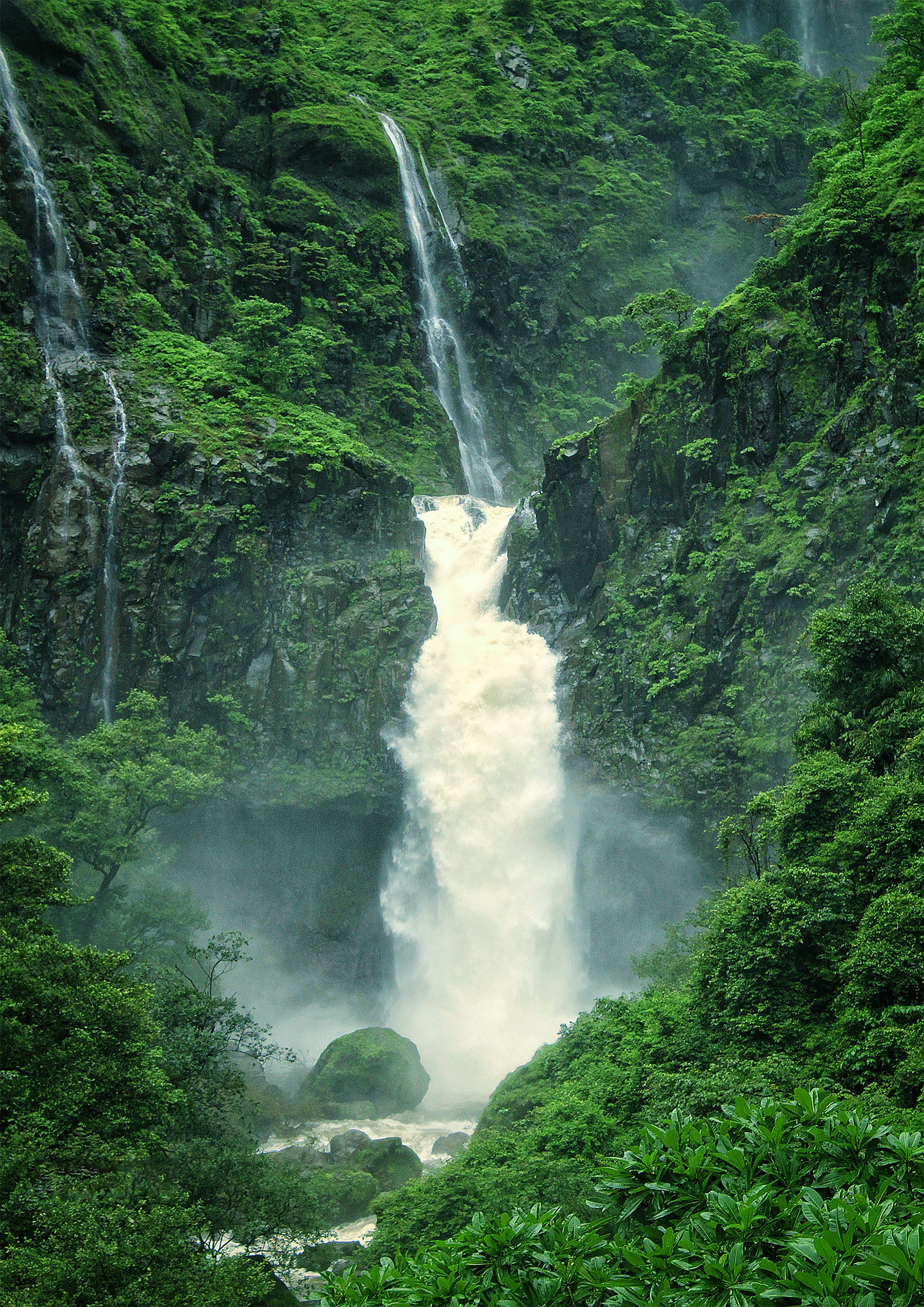
This is undeniably the best time to visit for nature lovers. The monsoon season transforms the entire Western Ghats into a vibrant, neon-green paradise. The waterfall roars to life with incredible power, and the surrounding cliffs are draped in thick fog. While it is the most beautiful tourist season, be prepared for heavy rains and slippery paths during your monsoon travel.
Winter (October to February)
If you prefer pleasant weather and comfortable sightseeing, winter is the ideal season. The heavy rains recede, leaving behind lush landscapes, crisp air, and a beautifully steady waterfall. The comfortable weather in Marleshwar during these months makes it perfect for family trips, trekking, and attending the vibrant Makar Sankranti festival in January.
Transportation
Please select a transportation mode to view details
Facilities
While Marleshwar Waterfall is fundamentally an offbeat nature and spiritual retreat, the local administration has set up basic amenities to ensure a comfortable visit for travelers. Because it sits in a rugged valley, the facilities lean more toward raw convenience than luxury, keeping the natural vibe intact.
Food & Refreshments
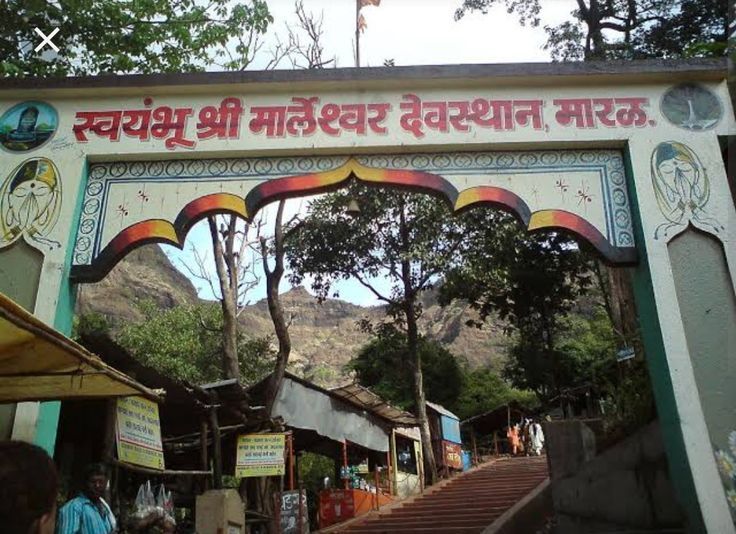
You won’t find high-end cafes here, but the base of the hills is lined with vibrant local stalls and small eateries. They serve authentic Konkan refreshments, including hot tea, fresh coconut water, and local snacks like Misal Pav or Pithla Bhakri. It is the perfect way to fuel up before your walk.
Parking & Restrooms
There is a designated parking space available at the base village for cars and two-wheelers. Basic public restroom facilities are also available near the parking zone, though it is smart to use them before you begin the trek up to the cave temple and waterfall.
Steps and Walkway
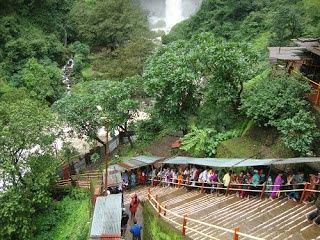
To make the climb safer and more accessible for families and elderly pilgrims, a well-maintained pathway with concrete steps and railings leads up to the cave. This greatly reduces travel confusion and helps visitors navigate the wet, misty terrain during the peak monsoon season.
Geographical Information
Mahabaleshwar is a breathtaking hill station nestled high within the Sahyadri mountain range, part of the larger Western Ghats in Maharashtra. Perched at an average elevation of about 1,353 meters (4,439 feet) above sea level in the Satara district, this forested plateau sits proudly as one of the most prominent highlands in western India. It serves as the proud origin point of the sacred Krishna River, placing it at the heart of the region's natural and cultural geography.
The landscape here is defined by dramatic terrain, featuring rugged cliffs, deep valleys, and expansive tablelands that look out over the coastal Konkan plains. Because it falls within a tropical highland climate zone, the region enjoys crisp, cool weather for most of the year, providing a sharp, refreshing contrast to the humid plains below. This unique setting turns Mahabaleshwar into a dense ecological hotspot, covered in evergreen forests. During the rainy season, this unique landscape acts as a natural catchment, feeding countless seasonal streams that plunge over the rocky edges to create the area's iconic, roaring waterfalls.
Culture & Local Lifestyles
Beyond its misty viewpoints and cascading streams, Mahabaleshwar possesses a rich cultural soul shaped by the hills of the Sahyadri. The local culture here is a beautiful blend of traditional Maharashtrian heritage and a laid-back, mountain-town charm, offering travelers far more than just a standard sightseeing trip.
Traditions
Deeply rooted in the soil, the local traditions of Mahabaleshwar are closely tied to nature. The region holds a sacred reverence for its environment, best seen in the preservation of Devrais (sacred groves)—patches of ancient forest protected by local communities out of respect for nature deities. Additionally, the town honors its historic roots through the preservation of old colonial-era architecture and the ancient stone temples of Old Mahabaleshwar, where rituals have remained unchanged for centuries.
Festivals
Life in the hills truly comes alive during its vibrant festivals. While traditional Maharashtrian celebrations like Ganesha Chaturthi and Diwali are observed with immense joy, Mahabaleshwar also celebrates its unique agricultural identity. The annual Strawberry Festival, held during the spring harvest, has become a core part of the modern local lifestyle. It brings together farmers, artisans, and travelers to celebrate the fruit that defines the region, offering authentic cultural experiences through local music, folk dances, and culinary treats.
Daily Life
The local lifestyle is pleasantly paced and closely connected to the seasons. For the residents, daily life revolves around eco-tourism, hospitality, and agriculture—specifically the cultivation of strawberries, mulberries, and organic honey. The people, largely belonging to the warm and hospitable Maratha and tribal communities, maintain a harmonious relationship with the environment. Visitors will find a community that takes immense pride in guiding travelers, sharing folklore, and serving home-cooked Konkan-Maharashtrian meals, making anyone feel instantly at home.
Food and Local Cuisine
Tucked away in the lush Western Ghats of Maharashtra, a journey to the sacred Marleshwar Waterfall is incomplete without diving into the vibrant flavors of Konkani cuisine. The local food scene here is a soulful reflection of the coastal landscape—characterized by the rich warmth of freshly scraped coconut, the sharp tang of kokum, and an aromatic blend of coastal spices. Eating here isn't just about refueling; it’s an essential part of the travel experience that connects you deeply to the region's heritage.
Famous Dishes
When it comes to the traditional cuisine around Marleshwar, a few iconic staples truly steal the show.
- Ukdiche Modak: These steamed rice-flour dumplings, stuffed with juicy jaggery and freshly grated coconut, are a sweet, melt-in-your-mouth tribute to the region's spiritual roots.
- Kombdi Vade: For meat lovers, this is the ultimate comfort food. It features a fiery, deeply flavorful chicken curry paired with fluffy, deep-fried vade (a unique bread made from a multi-grain flour blend).
- Solkadhi: The absolute best food in the region to cool down after a trek to the falls. This pink, refreshing appetizer is crafted from coconut milk and kokum, spiked with green chilies and garlic. It acts as both a palate cleanser and a brilliant digestive.
Street Food
Near the temple entrance and along the cascading pathways, the local street food offers a quick, comforting bite. You will find vendors serving piping hot Sabudana Vada and crispy Kanda Bhaji (onion fritters), fried to perfection and served with spicy green chutneys. Pair these with a cup of hot ginger tea while listening to the roar of the waterfall in the distance—it is a simple, unmatched travel memory.
Restaurants/Cafes
While you won’t find upscale fine dining here, the authentic Khanawals (local eateries) and rustic dhabas on the Marleshwar approach roads offer unparalleled hospitality. These family-run spots serve wholesome, unlimited vegetarian and non-vegetarian thalis. Dining at these humble eateries directly supports local food tourism, ensuring that the community thrives while you enjoy the freshest, most authentic flavors Marleshwar has to offer.
Accommodation
Planning a trip to the majestic Marleshwar Waterfall involves finding the perfect place to rest after a day of trekking and exploring. While the immediate area surrounding the waterfall and its sacred cave temple is a protected, pristine nature zone, excellent stay options are easily accessible in nearby towns like Devrukh, Sangameshwar, and Lanja. Choosing the right base ensures location convenience, keeping you close to the falls while offering a comfortable retreat tailored to your travel style.
Budget Hotels
For backpackers, solo travelers, or those prioritizing a no-frills itinerary, the surrounding towns offer excellent budget stay options. These local lodges and standard transit hotels provide clean, basic rooms, essential amenities, and secure parking. Strategically located near the state highways, they offer maximum convenience for early-morning departures to the waterfall without stretching your wallet.
Mid-range Hotels
If you are traveling with family and looking for a balance between cost and comfort, mid-range hotels in the region are your best bet. These properties typically feature spacious, air-conditioned rooms, on-site multi-cuisine restaurants serving authentic Konkani meals, and dependable room service. They serve as a reliable, comfortable hub that makes trip planning seamless and stress-free.
Luxury Resorts
For travelers looking to unwind in style, boutique luxury resorts are tucked into the lush valleys of the nearby Amba Ghat and Ratnagiri areas. These properties seamlessly blend modern sophistication with the natural landscape, featuring amenities like sparkling swimming pools, rejuvenating wellness spas, and curated nature walks. It is the ultimate accommodation category for those wanting to experience the raw beauty of the Western Ghats with premium comfort.
Homestays
To truly experience the legendary warmth of Konkan hospitality, choosing local homestays is highly recommended. These cozy, resident-run properties allow you to stay in beautifully maintained traditional homes, often surrounded by mango orchards and spice plantations. Booking a homestay not only provides you with invaluable insider travel tips from your hosts and delicious, home-cooked food, but it also directly supports sustainable eco-tourism in the local community.
Budget/Cost Estimation
The Quick Budget Summary (Per Prrson)
Depending on your travel style, a 1-Day to 2-Day trip to Marleshwar from nearby hubs like Ratnagiri, Kolhapur, or Pune generally falls into these brackets:
- The Backpacker / Budget Way: ₹800 – ₹1,500
- The Mid-Range / Comfortable Way: ₹2,000 – ₹4,000
- The Premium / Private Way: ₹5,000+
Detailed Cost Breakdown
1. Entry Fees & Hidden Charges
- Waterfall & Temple Entry: ₹0 (Free). There is absolutely no entry fee for the cave temple or to view the cascading Dhareshwar waterfall.
- Parking Charges: ₹20 for two-wheelers, ₹50 – ₹100 for cars/SUVs.
2. Transportation Costs (The Biggest Variable)
Marleshwar is located in the Maral village near Sangameshwar (around 60–65 km from Ratnagiri city).
- Public Transport (Most Budget-Friendly): You can take an MSRTC state transport bus from Ratnagiri or Sangameshwar to Devrukh, and then a local connecting bus or shared auto to Marleshwar.
- Estimated Cost: ₹150 – ₹300 round trip.
- Two-Wheeler (Best for Solo/Couples): Renting a bike in Ratnagiri or riding your own through the winding ghats is incredibly scenic.
- Estimated Cost: Fuel worth ₹400 – ₹600.
- Private Cab / Car Rental: Best for families. Hiring a cab from Ratnagiri for a day trip will charge by the kilometer or a flat daily rate.
- Estimated Cost: ₹2,500 – ₹4,500 total (can be split among group members).
Frequently Asked Questions
Popular Activities
Video and Photo Gallery
Related Stories
Traveller Reviews
No reviews yet
Be the first to share your experience!