Introduction
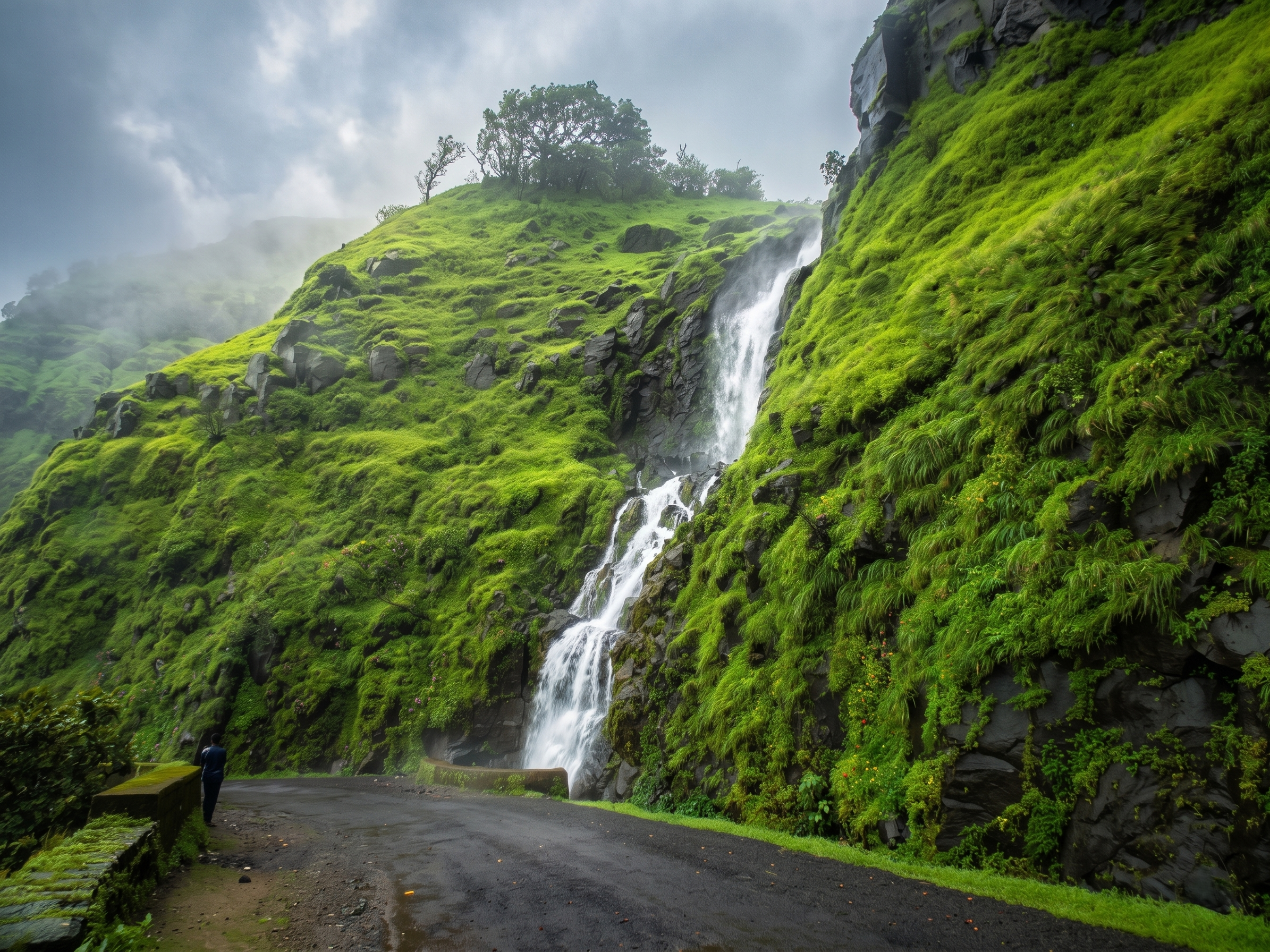
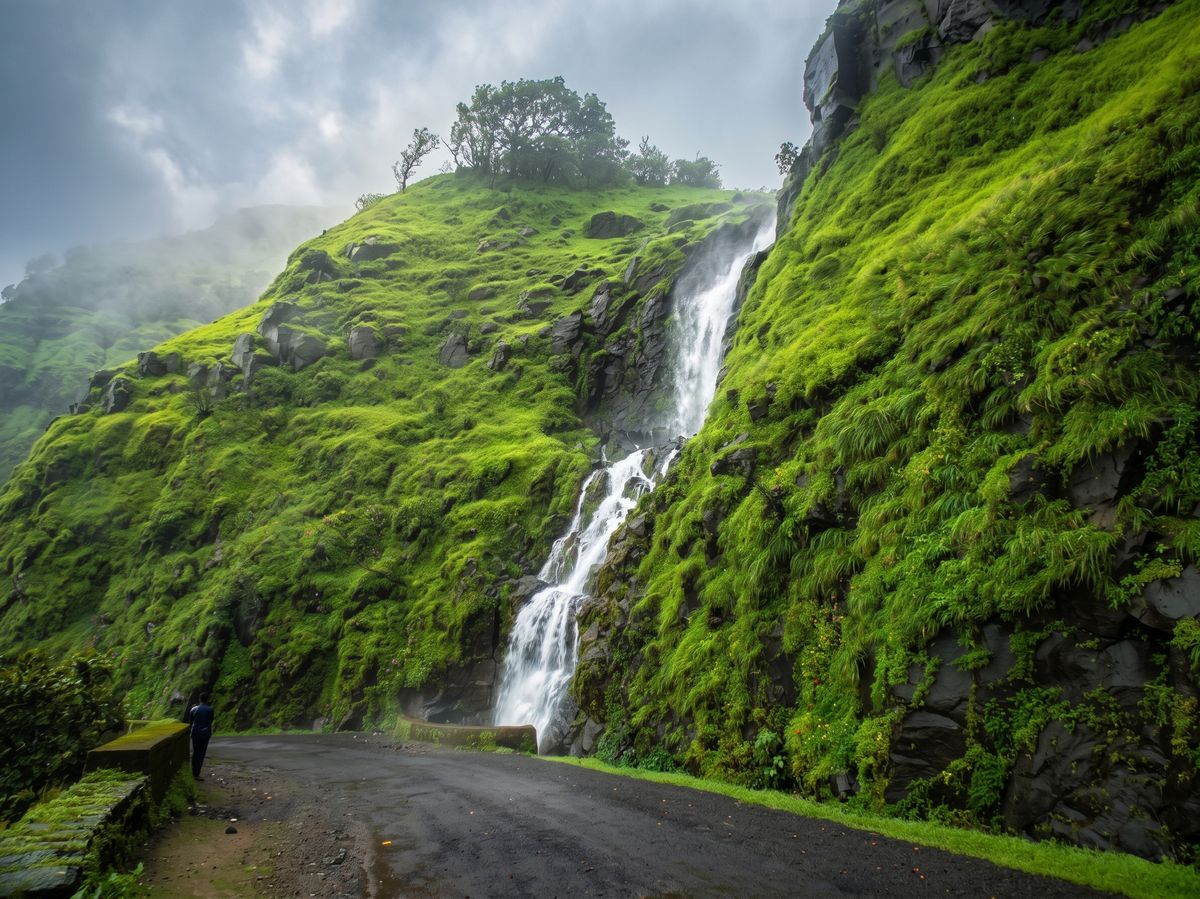
Karul Ghat Waterfalls is a magnificent natural wonder hidden along the dramatic curves of the Karul Ghat mountain pass in Maharashtra. Situated right on the border of the Kolhapur and Sindhudurg districts, near the misty hill station of Gaganbawda, this seasonal paradise connects the rugged Deccan Plateau to the scenic coastal Konkan region. The area becomes famous every monsoon when torrential rains transform the massive Sahyadri cliffs into a spectacular wall of roaring, milk-white cascades.
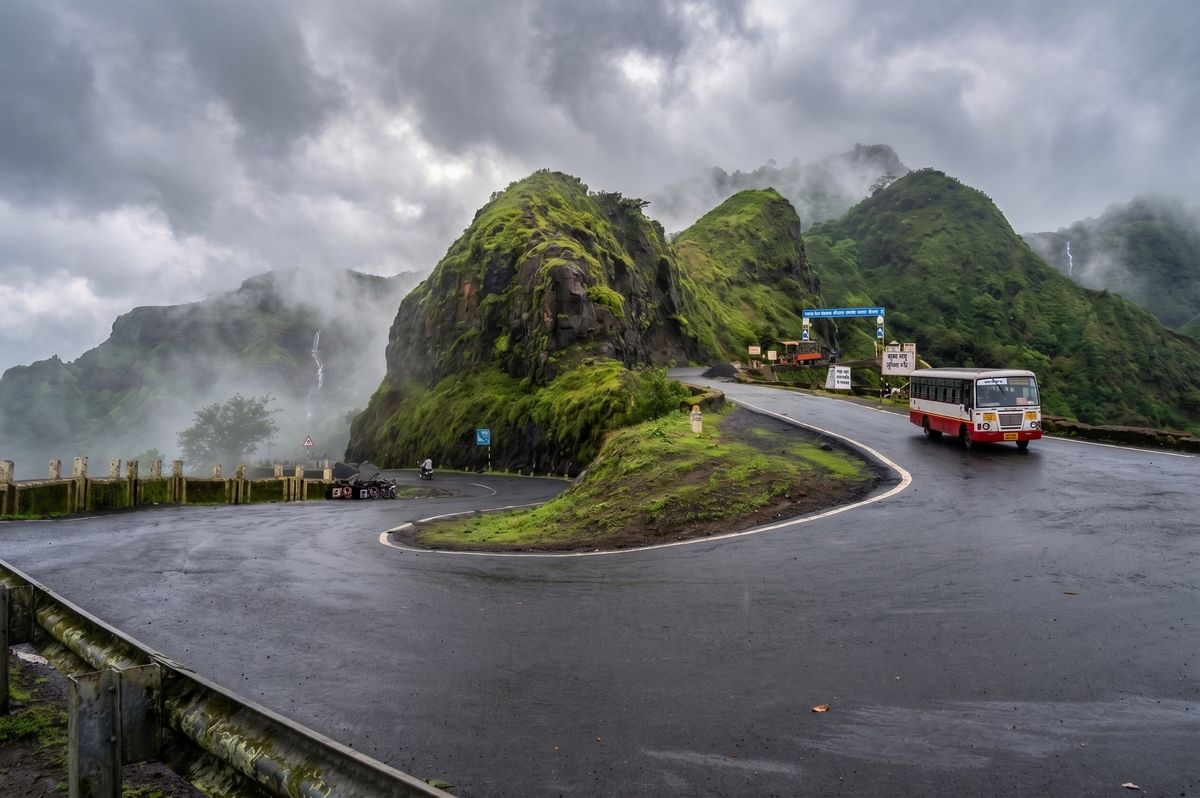
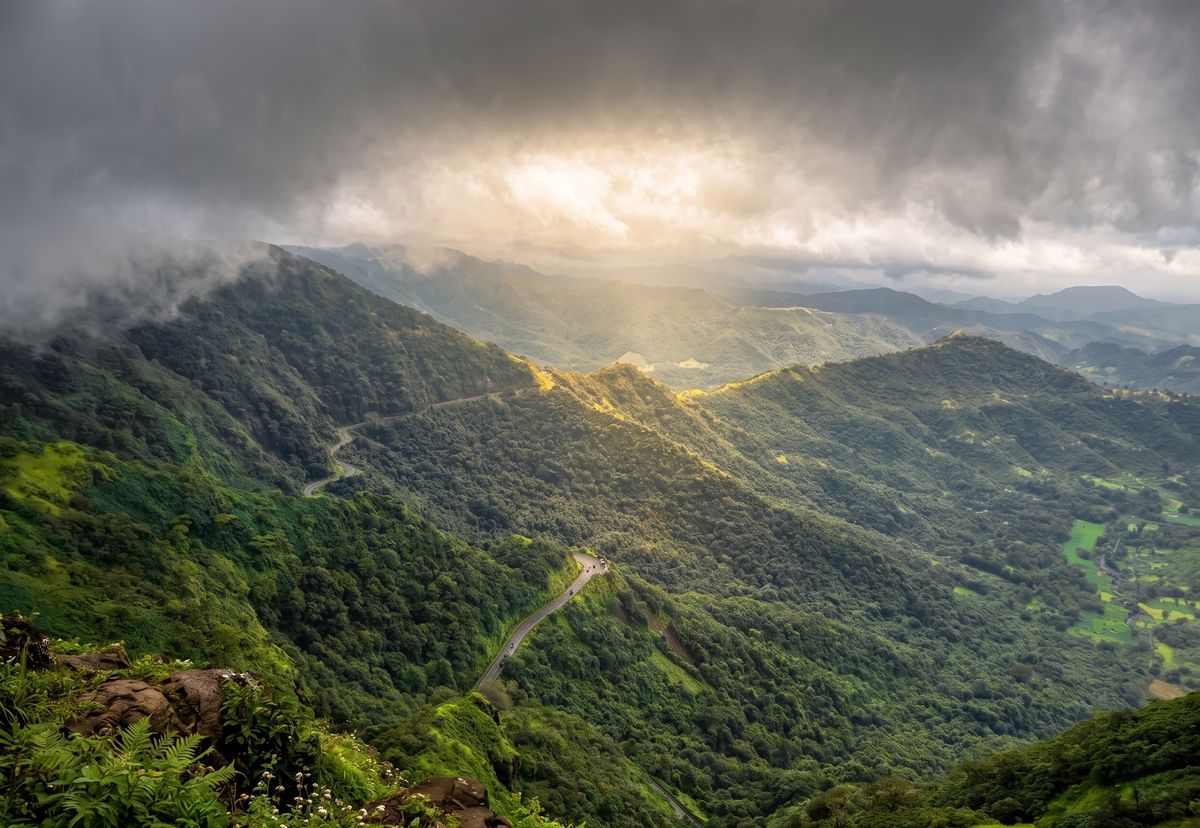
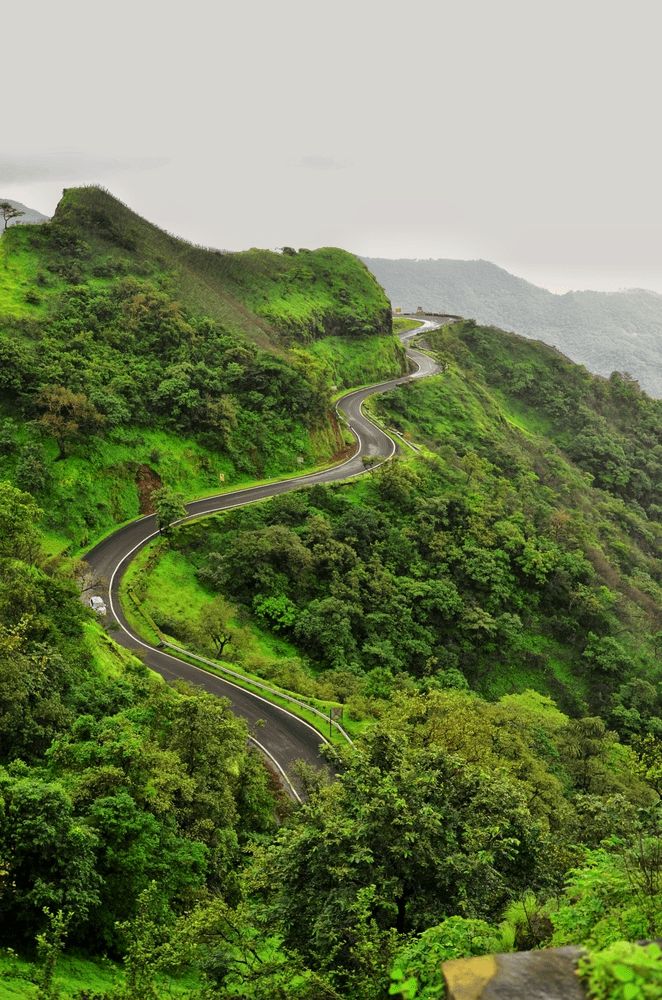
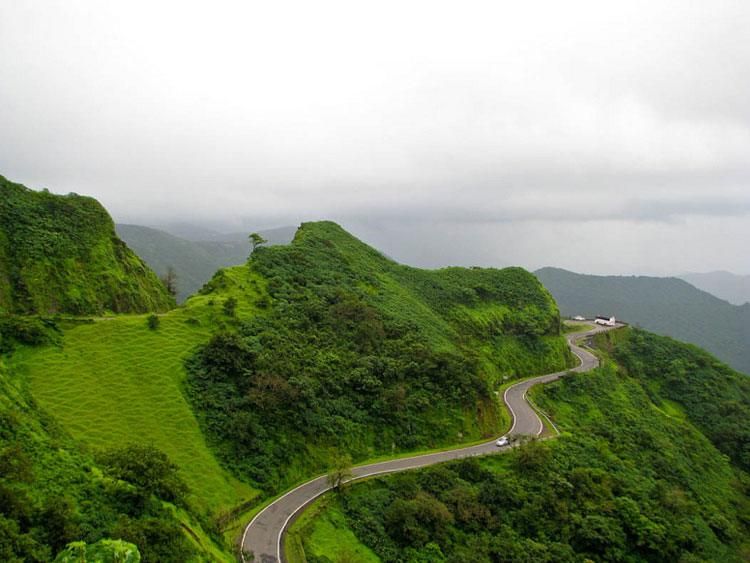
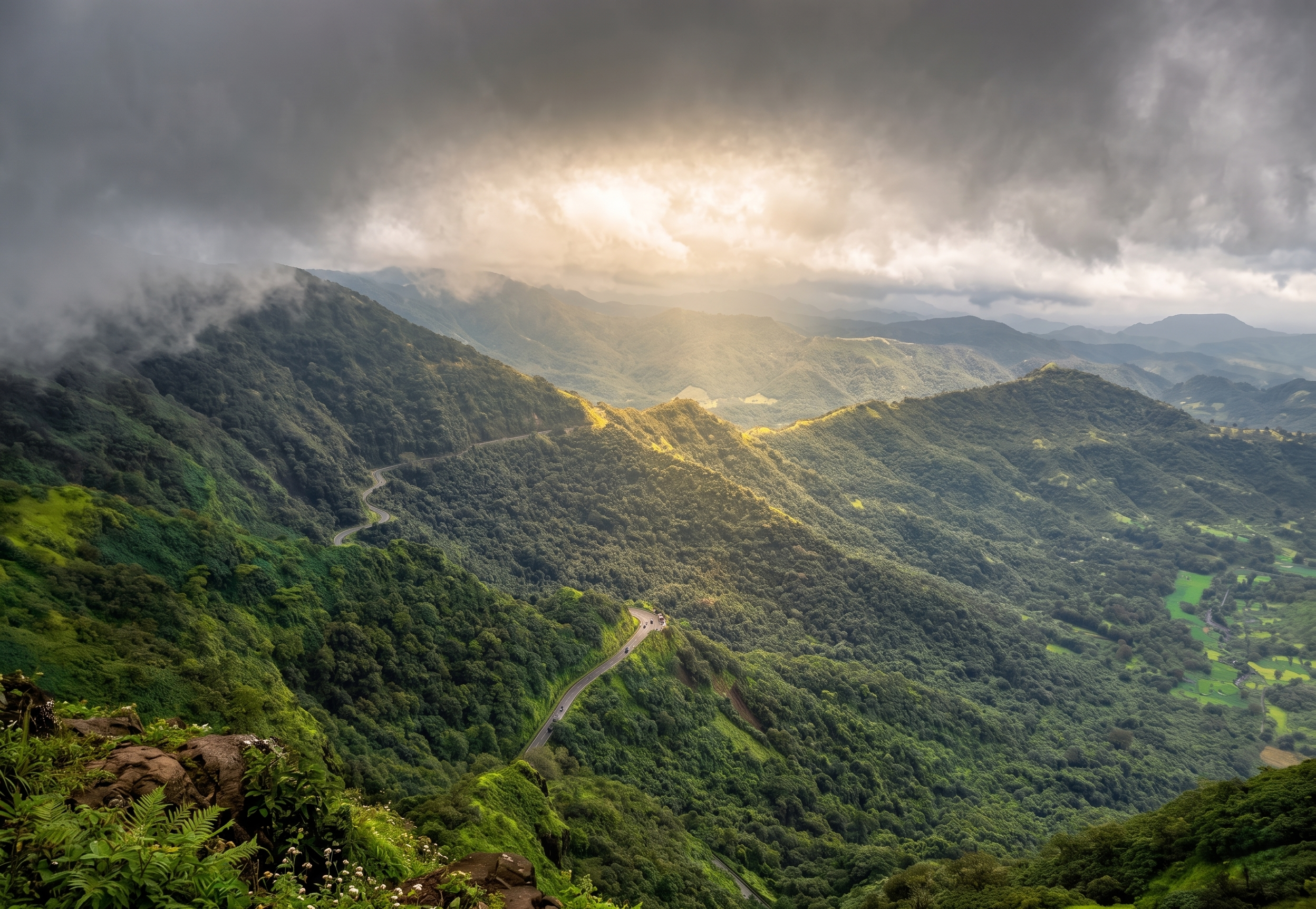
Visiting this destination offers a refreshing, sensory-rich escape into untouched nature. It is the perfect playground for road-trip lovers, adventure bikers, and landscape photographers who want to watch the mountains come alive. As you navigate the winding mountain highway, every sharp turn reveals panoramic views of deep, green valleys wrapped in thick white fog, with seasonal streams crashing directly down the rocky slopes right beside the road.
History
The history of the Karul Ghat Waterfall is deeply intertwined with the creation of the Karul Ghat mountain pass itself. For centuries, the massive cliffs of the Sahyadri range acted as a natural wall, making travel between the local kingdoms of the Deccan Plateau (like Kolhapur) and the trading ports of the Konkan coast incredibly difficult.
The modern history of the route took shape in 1958, under the leadership of the then Construction Minister, Balasaheb Desai, and local leader A.P. Sawant. It took a full decade of intense, manual labor by local workers to cut through the treacherous mountain rock. In 1968, the 19-kilometer-long Karul Ghat finally opened to traffic, permanently changing the region's economy by serving as a major trade highway.
The spectacular waterfalls along the pass are entirely seasonal. While they don't have a history of ancient monuments built directly around them, they have been witnessed for generations by Maratha soldiers guarding the nearby historic Gagangad Fort. For over 50 years, these seasonal cascades have transformed from a hidden jungle secret into an iconic monsoon landmark, celebrated by travelers as the beautiful welcoming gates to the Konkan region.
Climate & Weather
Monsoon (June to September)
This is the undisputed best time to visit and the peak tourist season for nature lovers. The weather in Gaganbawda transforms during these months as heavy rains hit the Sahyadri range, waking up dozens of roaring, milk-white waterfalls along the highway.
- Seasonal Experience: Expect thick rolling fog, lush green valleys, and spectacular views of water splashing directly onto the roadsides.
- Travel Tip: July and August bring the heaviest rainfall. Keep your headlights on and drive slowly through the winding ghat curves.
Winter (October to February)
If you prefer a relaxing road trip without the heavy downpours, the post-monsoon and winter months are an ideal season for travel.
- Seasonal Experience: The massive, roaring waterfalls dry down into gentle, clear streams, but the mountain air stays incredibly cool and crisp.
- Travel Tip: This is the perfect time for winter travel if you want to explore the historic Gagangad Fort nearby or enjoy clear, panoramic views of the Konkan valley without the blinding mist.
Summer (March to May)
This is considered the bad travel period if your main goal is to see the waterfalls. Summer brings hot, dry weather to the region, causing the cascades to disappear completely.
Transportation
Please select a transportation mode to view details
Facilities
Karul Ghat Waterfall is a wonderfully wild and raw natural destination. Because it sits directly along a busy mountain highway pass rather than inside a gated commercial park, the facilities here are simple, rustic, and highly practical for road-trippers.
Roadside Viewing & Safety
You do not need to hike deep into a jungle to enjoy these cascades. The waterfalls drop directly onto the edge of the highway, meaning you can view them right from your vehicle.
- Viewing Points: There are several wide road shoulders and designated viewpoints along the ghat curves where you can pull over safely to take photos of the roaring water and the deep Konkan valley below.
- Safety Barriers: High stone guards and concrete barriers run along the valley side of the highway to keep travelers secure while they enjoy the misty views.
Food & Local Stalls
During the monsoon season, local villagers set up small, makeshift food stalls near the widest curves of the ghat. It is the perfect setup to grab classic rainy-day comfort snacks:
- Piping-hot cutting chai and coffee
- Freshly roasted sweet corn with lemon and salt (bhutta)
- Crispy, hot onion bhajias (fritters) and maggi
Parking & Restrooms
- Parking: There is no official, paved parking lot here. Visitors park along the wider, unpaved edges of the highway. Always make sure your car or bike is pulled completely off the driving lane to keep traffic moving smoothly.
- Restrooms: Basic public washrooms can be found at the petrol pumps and local restaurants back in Gaganbawda town, just a short 5-minute drive from the top of the ghat.
Pro Traveler Tip: Because this is a high-altitude mountain pass, mobile network signals can be very weak and digital wallet payments often fail. Always carry plenty of loose cash to buy snacks from the local roadside vendors!
Geographical Information
The magnificent Karul Ghat Waterfall is located in the southern part of Maharashtra, India. It proudly rests within the Vaibhavwadi taluka of the Sindhudurg district, starting right where the borders of Kolhapur and Sindhudurg meet. The waterfall lines the stunning Karul Ghat mountain pass along the NH-166G highway. It sits just a few kilometers away from Gaganbawda, a famous hill station positioned on the threshold of the massive Sahyadri mountain range.
The terrain here is beautifully steep, rugged, and dramatically high, featuring massive vertical rock walls that form the edge of the Deccan Plateau. This mountainous landscape serves as a natural gateway, dropping sharply into the low-lying coastal Konkan valley below. Because the region sits at a high elevation within the Western Ghats—a UNESCO World Heritage Site—it falls into a tropical monsoon climate zone. Gaganbawda and the surrounding Karul pass receive some of the heaviest rainfall in the entire state of Maharashtra. This extreme rain transforms the dry summer cliff faces into an intensely green, mist-kissed landscape covered in dense subtropical forests and rushing seasonal streams.
Culture & Local Lifestyles
A trip to the Karul Ghat Waterfall is about more than just watching water drop down mountain slopes. It is a fantastic chance to experience the unique local culture where the rugged pride of the Kolhapur plateau meets the gentle, warm lifestyle of the coastal Konkan region.
Traditions
The people living around the Karul pass have a deep spiritual bond with the mountains. One of the most beautiful local traditions revolves around the sacred groves, known locally as Devrais. These are patches of protected forest dedicated to local deities, where cutting trees or harming wildlife is completely forbidden. Before the monsoon season begins, villagers gather to offer prayers to the mountain gods for a safe rainy season, helping preserve the untouched greenery that makes the ghat look so magical today.
Festivals
Life in these high-altitude villages revolves around seasonal rhythms. While the region celebrates Ganesh Chaturthi with incredible energy, the most iconic local festivals are dedicated to spiritual masters who meditated in these hills. During the Datta Jayanti festival, thousands of devotees climb up to the historic Gagangad Fort and the famous Gagangiri Maharaj Ashram, located right at the top of the ghat. This massive celebration fills the mountain air with traditional bhajans, rhythmic dhol beats, and an incredible sense of community.
Daily Life
The local lifestyle is heavily shaped by the extreme mountain weather. Because this area receives incredible amounts of rain, daily life slows down and completely adapts to the monsoon. Most locals lead a simple, hardworking life focused on hillside terrace farming and horticulture. They cultivate world-famous Alphonso mangoes, cashews, and wild forest honey. Locals are remarkably resilient, famously friendly, and always happy to offer travelers a steaming cup of Kora Chai (black tea) to beat the mountain chill.
Cultural Experience Tip: To make your journey truly memorable, look out for small, family-run roadside stalls. Stopping to chat with the villagers while enjoying local snacks is the absolute best way to experience authentic mountain hospitality firsthand.
Food and Local Cuisine
Driving down the spectacular curves of Karul Ghat is bound to build up a massive appetite. Because this mountain pass physically bridges the rugged Kolhapur plateau with the coastal Sindhudurg district, the local food scene here offers a phenomenal culinary crossover. It is the exact geographic point where fiery, aromatic Kolhapuri spices meet the rich, coconut-infused comfort of Malvani traditional cuisine.
Famous Dishes
When stopping for a heavy meal near the ghat, trying a regional thali is an absolute must-do for any food traveler.
- Tambda & Pandhra Rassa: A legendary Kolhapuri pairing. Tambda Rassa is a fiery, bright-red mutton or chicken broth packed with local spices, while Pandhra Rassa is a soothing, white bone broth made with rich coconut milk and subtle spices to cool your palate.
- Kombdi Vade: A classic monsoon favorite. It features a thick, intensely spiced chicken curry served alongside hot, fluffy, and crispy deep-fried puris made from a special blend of multigrain flours.
- Pithla Bhakri: For a comforting vegetarian option, locals serve a steaming-hot, thick gram-flour curry (Pithla) paired with rustic, hand-patted millet flatbreads (Jowar or Bajra Bhakri), typically accompanied by a spicy zinc-rich garlic chutney.
Street Food
During the rainy season, the misty highway curves of the ghat transform into a bustling hub for quick monsoon snacks. Hungry road-trippers gather around temporary roadside stalls to enjoy freshly roasted sweet corn on the cob (bhutta) rubbed with lemon and black salt, spicy Kanda Bhajias (onion fritters), and steaming plates of Maggi. Pairing these spicy treats with a hot cutting chai while watching the waterfalls crash right beside the road is an unforgettable experience.
Restaurants & Cafes
For a satisfying sit-down meal, head just a few minutes uphill to the main Gaganbawda market junction. Small, unassuming family-run eateries called Khanavals offer the best food in Gaganbawda for authentic regional tastes. Popular homegrown spots like Hotel Swaranjali, Hotel Paahunchaar, and Hotel Shalimar serve excellent, budget-friendly non-veg and veg thalis cooked with genuine, hand-pounded mountain spices.
Accommodation
Finding the perfect place to rest after exploring the majestic Karul Ghat Waterfall is a breeze. While the steep mountain pass itself does not have any properties built directly along the highway curves, the nearby hill station of Gaganbawda—located right at the top of the ghat—serves as the main hub for overnight stays. Choosing a base here gives you the ultimate convenience of being just a 5-minute drive away from the main viewpoints.
Budget Hotels
For backpackers, solo bikers, and road-trippers looking for a no-fuss budget stay, the Gaganbawda market area offers several simple lodges and small inns. These properties focus on providing clean beds, private bathrooms, and reliable hot water, which is a total must-have after spending a rainy afternoon chasing waterfalls.
Mid-range Hotels
If you are traveling with family or a group of friends, mid-range hotels in Gaganbawda hit the perfect sweet spot. These properties usually offer spacious rooms, lovely valley-view windows, and in-house restaurants that serve authentic, piping-hot Kolhapuri meals. They offer excellent comfort and security without stretching your travel budget.
Luxury Resorts
For travelers wanting a more premium, nature-focused holiday, the surrounding plateau features beautiful eco-friendly luxury resorts. These properties are often hidden away from the main highway traffic, offering independent villas, private balconies that look out over the misty Sahyadri cliffs, and premium amenities. Many of these nature resorts also arrange custom plantation tours and guided treks to the nearby Gagangad Fort.
Homestays
To experience the true warmth of mountain hospitality, booking local homestays is a wonderful option. Staying with a local family allows you to experience the authentic rural lifestyle firsthand. Your hosts can share hidden route tips, point out secret viewpoints along the Karul pass, and treat you to amazing home-cooked Konkani breakfast dishes that you won't find in standard commercial hotels.
Budget/Cost Estimation
- Transport Expenses
- Budget Travel (Solo / Bikers): INR 300 – 600 per day (Using state transport buses or splitting fuel costs on motorbikes)
- Mid-Range Comfort (Couples / Friends): INR 1,500 – 2,500 per day (Fuel costs for driving a personal or rented hatchback/sedan)
- Premium Vacation (Families): INR 3,500 – 5,000 per day (Hiring a private outstation AC cab from Kolhapur or North Goa)
- Food Expenses
- Budget Travel: INR 200 – 400 per day (Enjoying roadside street food stalls, cutting chai, and simple local village joints)
- Mid-Range Comfort: INR 500 – 900 per day (Eating proper sit-down meals and trying authentic regional thalis at family restaurants)
- Premium Vacation: INR 1,200 – 2,000 per day (Fine dining inside premium luxury resorts or eating at multi-cuisine highway cafes)
- Accommodation Expenses
- Budget Travel: INR 800 – 1,500 per night (Basic market lodges or standard, minimalist guesthouses)
- Mid-Range Comfort: INR 1,800 – 3,200 per night (Comfortable valley-view hotels or welcoming, family-run village guesthouses)
- Premium Vacation: INR 4,500 – 8,000+ per night (Upscale eco-resorts, independent forest villas, or luxury mountain cottages)
Frequently Asked Questions
Popular Activities
Video and Photo Gallery
Related Stories
Traveller Reviews
No reviews yet
Be the first to share your experience!