Introduction
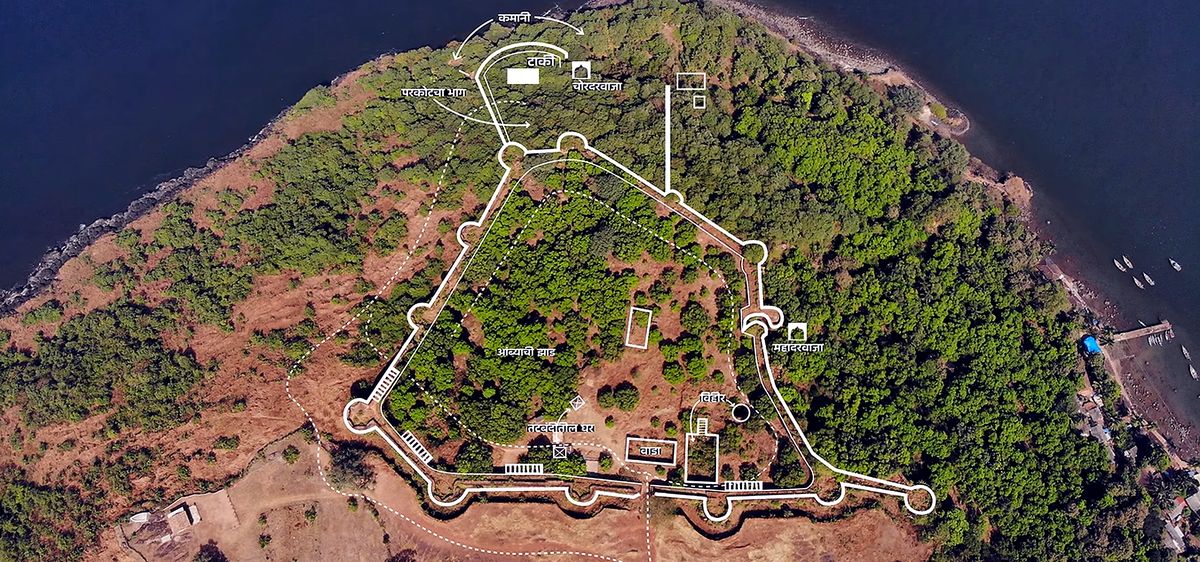
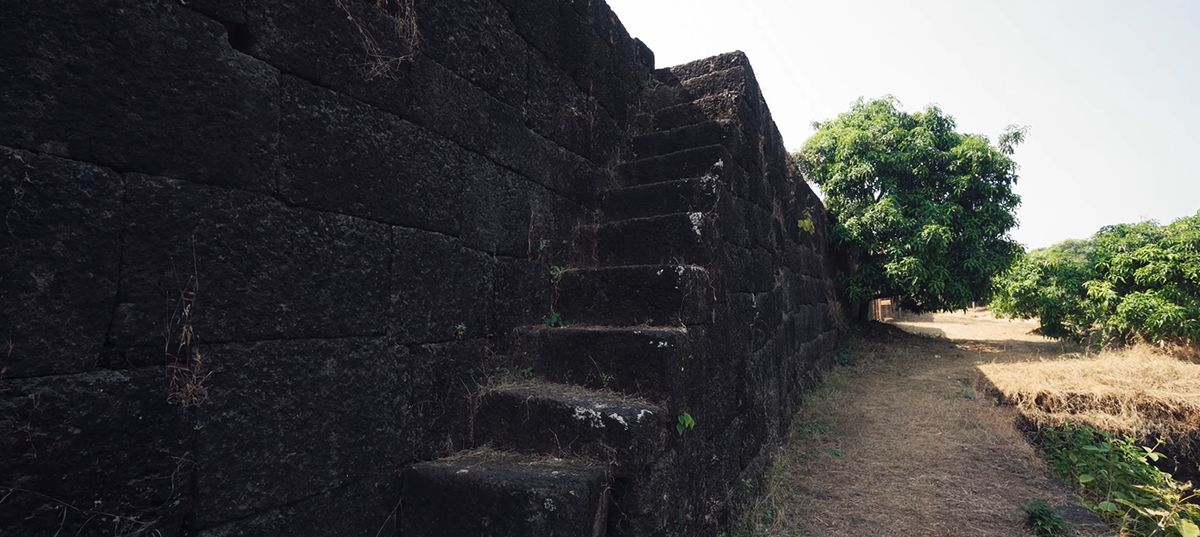
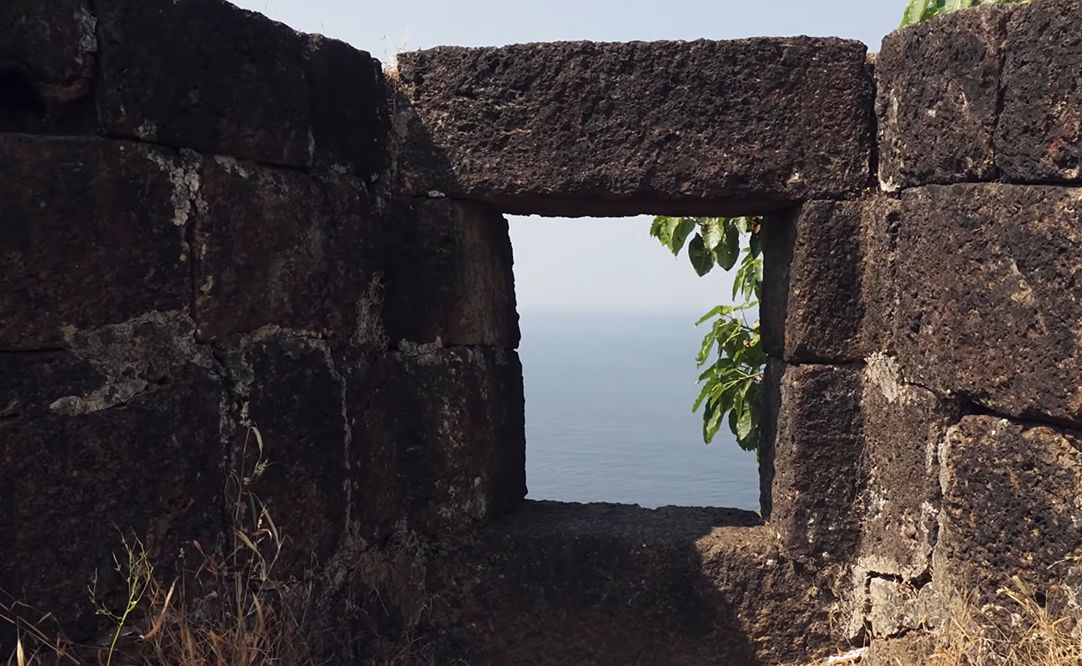
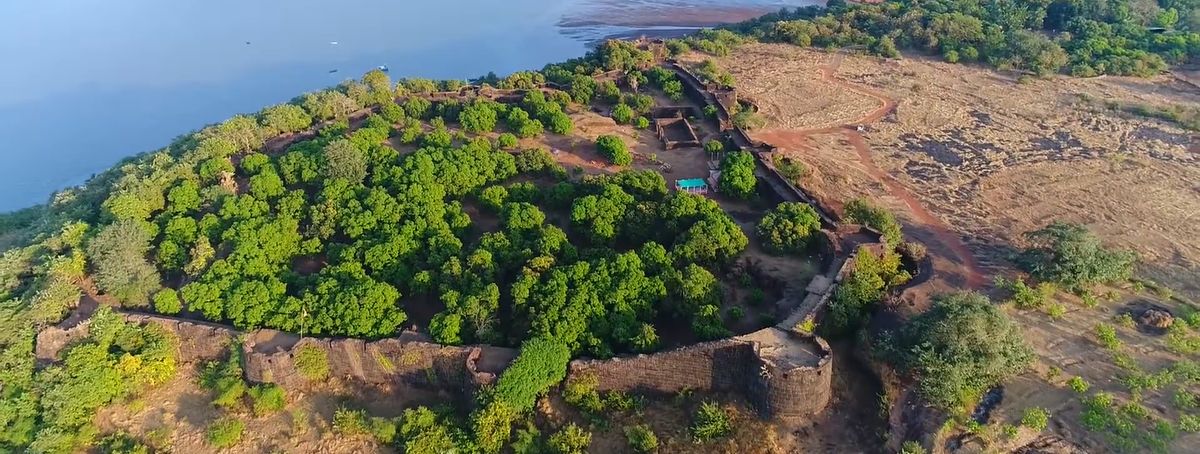
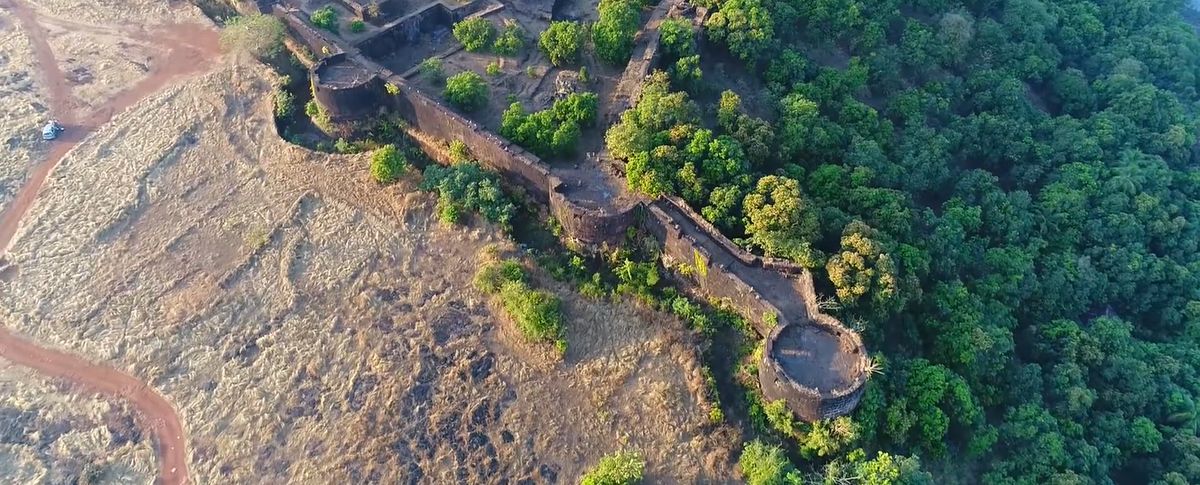
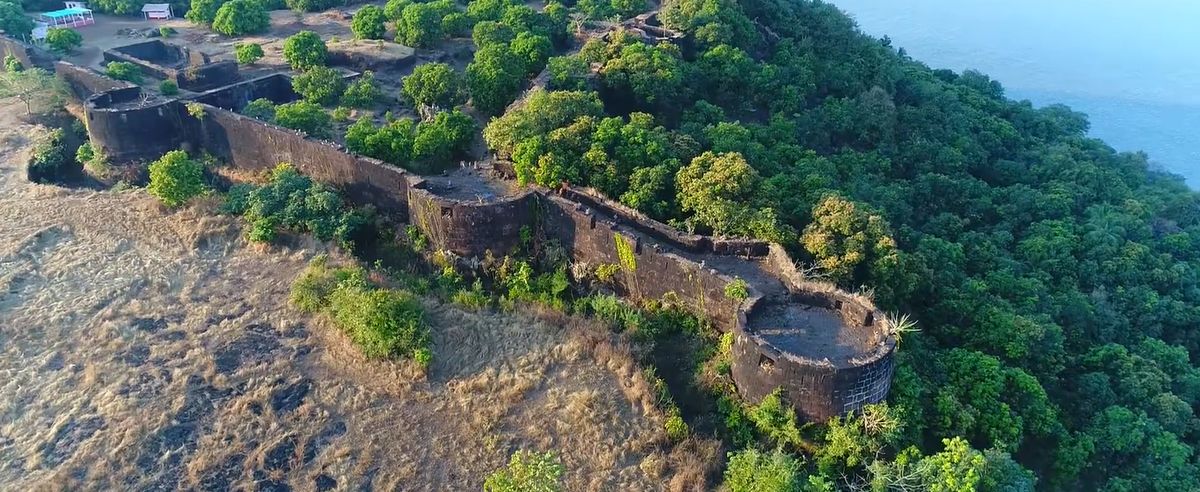
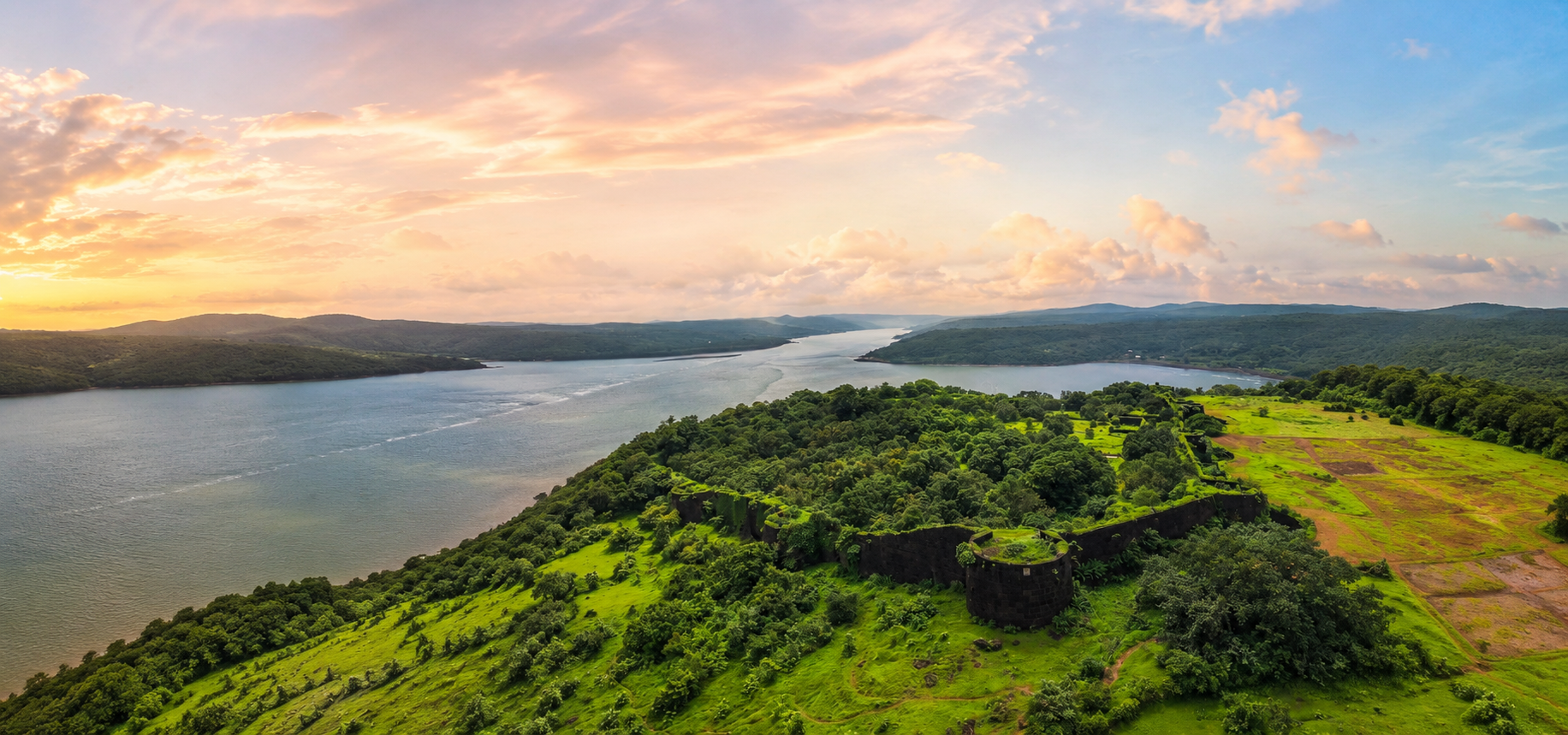
Guarding the tranquil waters of the Vashishti River in Anjanvel village, Gopalgad Fort is an incredible maritime stronghold located in the scenic Guhagar taluka of Maharashtra. This coastal fortress is famous for its massive laterite stone battlements and its strategic historical role as a naval watchtower for both the Maratha Empire and the Siddis of Janjira. Standing proudly on a cliffside overlooking the Arabian Sea, the fort is widely celebrated for its legendary split-level architecture, featuring a lower seaside harbor shield and an upper hilltop citadel that once controlled vital trade routes.
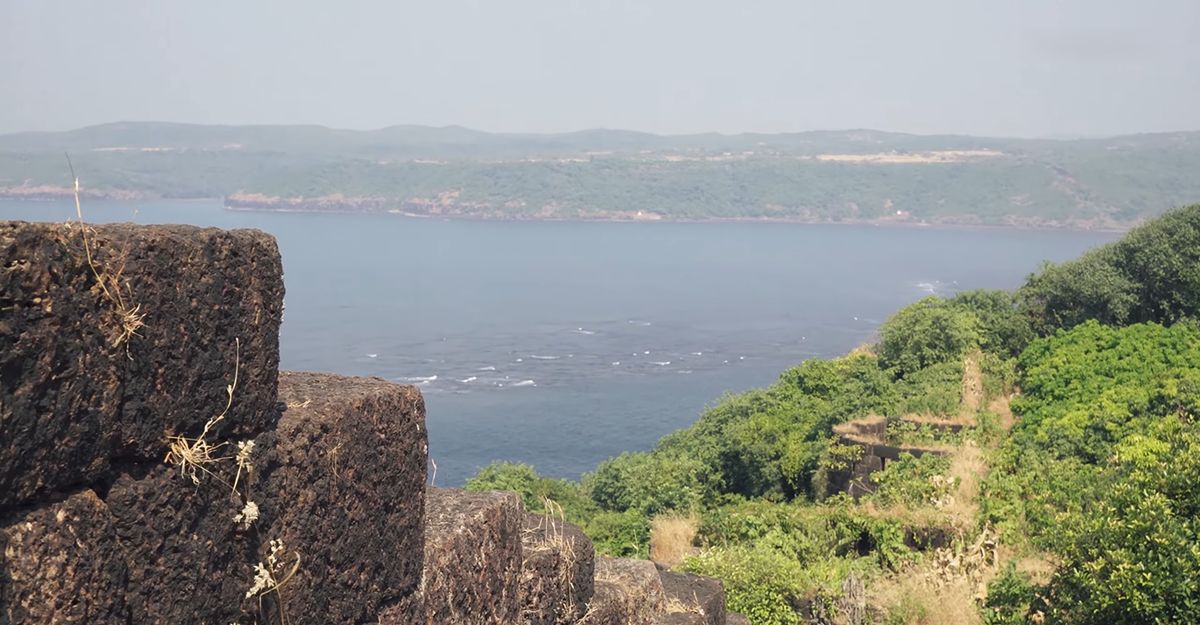
Visiting Gopalgad Fort offers an immersive, scenic coastal exploration that perfectly blends historical adventure with striking natural beauty. Travelers can wander through its sprawling ruins, explore the ancient temple of Lord Gopalakrishna, and stand on towering bastions to witness breathtaking panoramic views where the river meets the ocean. It is a must-visit offbeat getaway for history enthusiasts, photographers, and road trippers looking to experience a quiet, untouched piece of the Konkan coast’s vibrant seafaring past.
History
The origin of Gopalgad Fort is a thrilling chronicle of maritime supremacy and fierce power struggles along the Konkan coast. While some historical records suggest the fortress was initially built around the sixteenth century by the Bijapur Sultanate, it rose to true prominence under the legendary Maratha king, Chhatrapati Shivaji Maharaj. Recognizing its incredible vantage point atop the Anjanvel cliffs, Shivaji Maharaj captured and heavily fortified the site around 1660, establishing it as a crucial naval outpost to guard the Vashishti River against foreign sea invaders.
The fort’s timeline took a dramatic turn in 1699 when the Siddis of Janjira—the fierce African-origin naval commanders—launched a successful siege and captured the stronghold. Renaming it Anjanvel Fort, the Siddis expanded the structures by building massive laterite stone walls and adding a lower seaside harbor fortification. However, Maratha pride was restored in 1744 when the brilliant warrior Tulaji Angre, under the leadership of Peshwa Balaji Baji Rao, successfully recaptured the fort after a fierce battle, cementing its place in Maratha naval folklore.
The final military chapter unfolded in 1818 during the Third Anglo-Maratha War, when British East India Company forces under Colonel Kennedy bombarded and captured the garrison. With the collapse of the Maratha Empire, the fort was stripped of its weaponry and abandoned to nature. Today, its weathered, tree-entwined ramparts stand as a silent monument to the daring sailors and statesmen who once fought to control the Arabian Sea.
Climate & Weather
To fully enjoy your exploration of the cliffside ramparts, timing your trip to Gopalgad Fort is incredibly important. Because the fort stands on an exposed coastal hill overlooking the Arabian Sea, seasonal changes directly affect your trekking comfort and the beauty of the surrounding vistas.
☀️ Summer (March to May)
Summers along the Guhagar coast bring hot temperatures and very intense humidity. Walking through the unshaded ruins during the day can feel physically exhausting. While the weather in Gopalgad Fort is not ideal during this period, early mornings offer cool sea breezes. It remains a quiet time if you prefer exploring completely crowd-free.
🌧️ Monsoon (June to September)
The rainy season turns the entire Anjanvel cliffside into an emerald-green wonderland. Heavy downpours bring a dramatic atmosphere as rough waves crash against the lower fortifications. For fans of nature photography, monsoon travel here is stunningly beautiful, though you must tread carefully as the stone steps and coastal paths become very slippery.
❄️ Winter (October to February)
Winter is undoubtedly the best time to visit Gopalgad Fort. This peak tourist season offers pleasant daytime temperatures, clear blue skies, and comfortable walking conditions. It is the ideal season to leisurely explore the upper citadel, capture sweeping panoramic views of the Vashishti River, and enjoy the coastal scenery without the blazing heat.
Transportation
Please select a transportation mode to view details
Facilities
When packing your gear for Gopalgad Fort, it helps to keep a classic "hidden ruins explorer" mindset. Because this coastal fortress remains a rugged, offbeat heritage site rather than a commercialized tourist park, it retains its quiet charm with very minimal modern infrastructure at the summit.
Here is exactly what you should expect on the ground:
- Restrooms & Hygiene: There are no public toilets, washrooms, or running water facilities built inside the historic fort ramparts or the upper citadel. It is highly recommended to use the facilities at the restaurants or petrol pumps along the main road in Guhagar town or Anjanvel village before you begin your trek.
- Food & Refreshments: You will not find any modern cafes, shops, or commercial food stalls inside the fortress walls. However, the village at the base of the hill features a few small local shops where you can stock up on bottled water, biscuits, and soft drinks. For a hearty Malvani or Konkani lunch, you can explore the family-run dining halls in nearby Guhagar.
- Guides & Navigation: Gopalgad does not have a formal visitor center, ticket counter, or authorized tour guides. Exploring the grounds is completely free and self-guided. The trail from the parking area to the fort is relatively straightforward, but downloading an offline map is a smart move since mobile signals can be unpredictable near the cliffs.
- Parking & Security: There is a decent, unpaved open space near the base of the hill and the nearby Anjanvel lighthouse where you can park your cars and two-wheelers for free. The area is highly peaceful and safe during the daytime. Since the ruins lack any artificial lighting, make sure to time your visit so you can return to your vehicle well before dusk.
Geographical Information
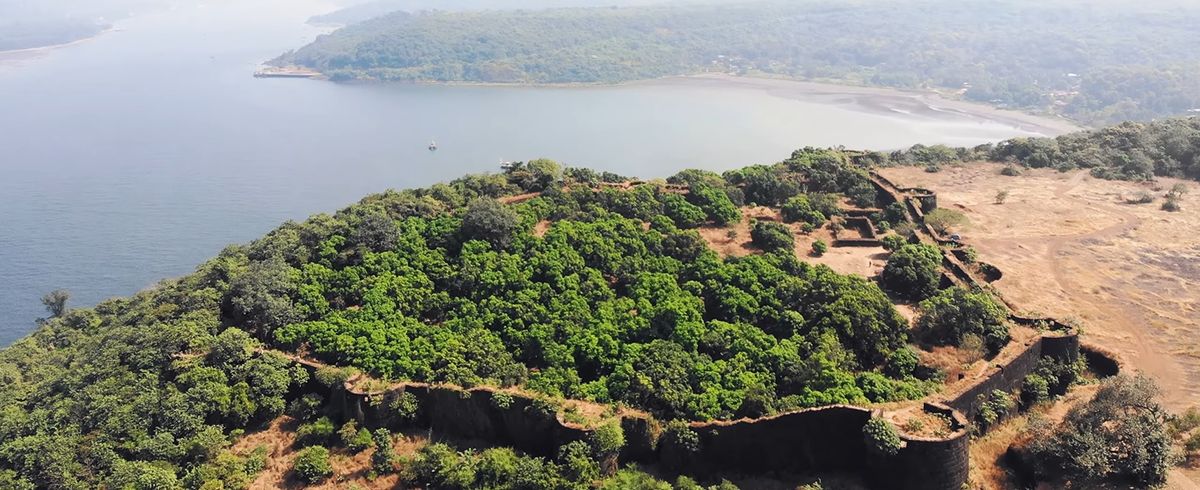
Gopalgad Fort is beautifully positioned on a prominent coastal hillock in Anjanvel village, located within the Guhagar taluka of Maharashtra’s Ratnagiri district. This historic maritime fortification sits strategically on the southern bank of the Vashishti River, right where the river's massive estuary merges into the Arabian Sea. Situated just a short drive north of the popular beach town of Guhagar, the fort faces the Dabhol port directly across the water, commanding a brilliant vantage point over the ancient shipping lanes of the Konkan coast.
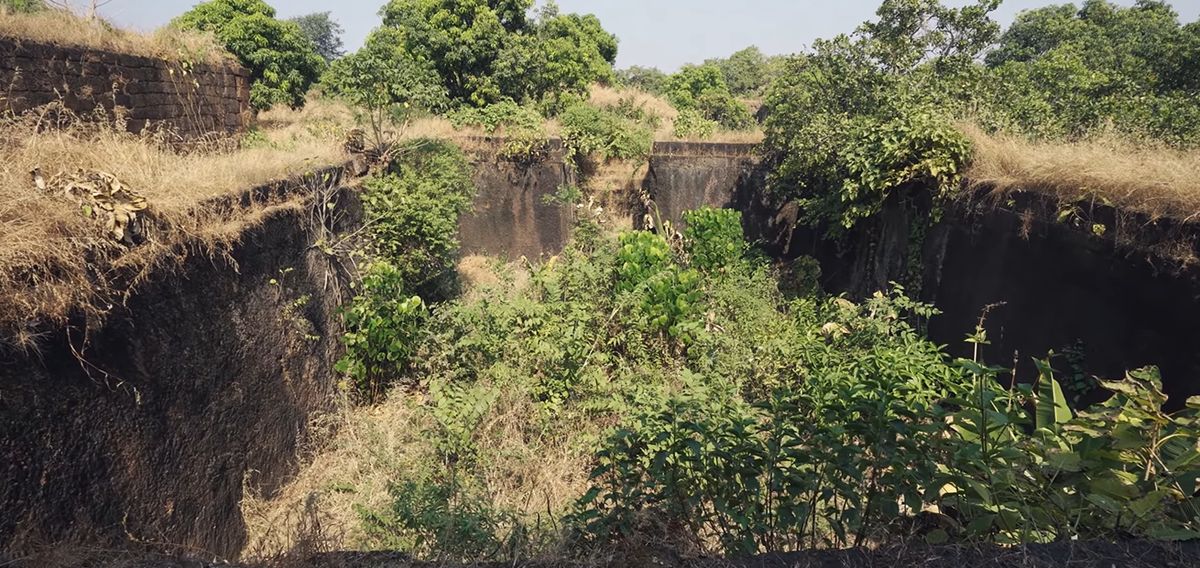
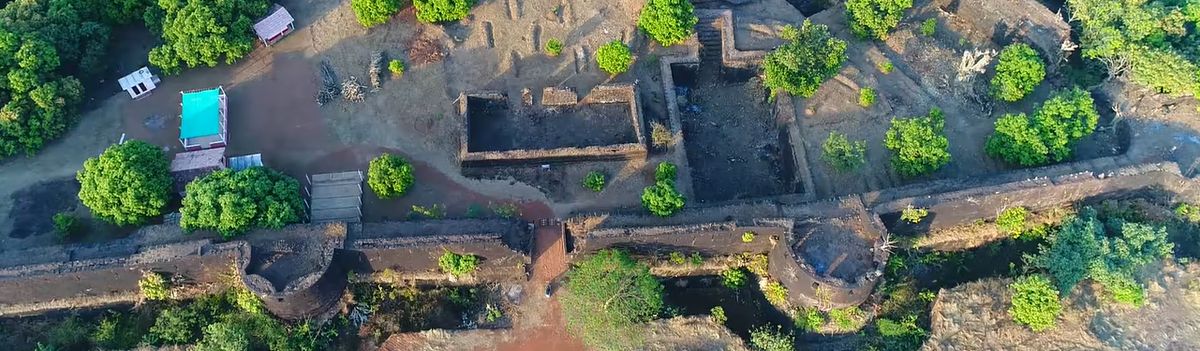
The landscape of Gopalgad is uniquely built across a split-level terrain, divided into an upper hilltop citadel and a lower harbor fortress that drops down toward the water. A defining natural characteristic of the site today is the dense growth of wild vegetation and mango trees that cover its historic inner plateaus. Falling into a classic tropical coastal climate zone, the region experiences warm, highly humid weather throughout the year, which completely transforms into a lush, rain-washed landscape during the heavy summer monsoon. The surrounding rugged cliffs provide a dramatic natural shield, showing how perfectly the original architects used the rocky coastal topography for military defense.
Culture & Local Lifestyles
To truly feel the pulse of Gopalgad Fort, one must look beyond its magnificent stone ruins and connect with the quiet, seafaring community of Anjanvel village. The local culture here is a beautiful reflection of the Konkan coast—deeply rooted in maritime history, ancestral folklore, and a lifestyle that flows in perfect harmony with the tides of the Arabian Sea.
🌿 Traditions
The traditions of Anjanvel are intrinsically tied to both the ocean and the land. Being a historic port region, the locals maintain deep-rooted seafaring customs, where fishermen offer prayers to the sea before launching their boats. Alongside fishing, farming is a revered generational tradition. The area surrounding the fort is filled with sprawling Alphonso mango and betel nut orchards, mostly tended to by families who have called these cliffs home for centuries. Travelers seeking authentic cultural experiences can engage with the village elders, who are always proud to share captivating folklore about the Maratha navy and the ancestral guardians of the coast.
🎭 Festivals
Life here bursts into a kaleidoscope of colors during regional festivals. While Ganesh Chaturthi brings every household together with traditional clay idols and sweet Ukadiche Modak, it is Maha Shivratri that electrifies the entire Guhagar taluka. Devotees from all surrounding villages gather at the ancient, nearby Talkeshwar and Uddalakeshwar temples to offer prayers. Another breathtaking spectacle is the celebration of Shimga (the Konkani Holi), where locals carry beautifully decorated palanquins (palkhis) of village deities through the winding coastal paths, accompanied by traditional folk music, energetic dancing, and theatrical storytelling.
🌊 Daily Life
The local lifestyle in Anjanvel moves at a wonderfully calm, unhurried pace. Mornings start early with fishermen heading out into the Vashishti River estuary and farmers tending to their lush clifftop orchards. The local language spoken is a soft, musical form of Konkani-inflected Marathi that mirrors the warm, hospitable nature of the residents. Travelers are frequently welcomed with a fresh cup of tea or local kokum sherbet. Walking through the village lane towards the fort offers a genuine glimpse into an untouched rural ecosystem where community bonds remain unbreakable.
Food and Local Cuisine
Exploring the high cliffs of Gopalgad Fort will naturally work up a great appetite, and the surrounding Guhagar region is ready to deliver. The traditional cuisine of this coastal belt is distinctly Konkani—relying on a brilliant medley of fresh-scraped coconut, fiery local red chilies, and the sharp, sour tang of kokum fruits harvested straight from the village trees.
🍛 Famous Dishes
The ultimate highlight of the coastal menu is the authentic Konkani seafood thali. Freshly caught Surmai (Kingfish), pomfret, or mackerel are coated in a spicy semolina batter and shallow-fried to a perfect crisp. This is accompanied by a rich, coconut-based fish curry and steamed rice. No meal is complete without Solkadhi, a cooling, bright pink beverage made from fresh coconut milk and kokum that acts as a soothing digestif. For a non-seafood option, Kombdi Vade—a spicy chicken gravy served alongside fluffy, multi-grain fried puris—is highly celebrated. Vegetarian travelers will absolutely love Bhajani Thalipeeth (a savory, multi-grain flatbread) or a piping hot serving of fresh Ukadiche Modak filled with sweet jaggery and coconut.
🥟 Street Food
When you head down to the bustling lanes near the beaches in the evening, the local street food scene offers quick, incredibly comforting bites. You will find small wooden stalls frying up golden, hot Batata Vadas and crispy onion pakoras. For a unique regional snack, try Misal Pav served with a characteristically fiery, thin coastal gravy (rassa). During the hot summer months, freshly plucked Alphonso mangoes and refreshing, sweet tender coconut water are available at almost every corner.
🦐 While the rugged fort ruins in Anjanvel village do not have any commercial eateries, you can find some of the best food in Guhagar just a short 15-minute drive south. Iconic local family-run eateries and Khanavals (traditional home-kitchens) like Jog Aaji Khanval or Musale Hotel are famous for serving incredible, home-cooked vegetarian and non-vegetarian thalis. For a more relaxed, modern dining experience with full amenities, Aamrai Restaurant at the Mango Village Resort and Sea Winds Restaurant offer fantastic multi-cuisine menus that celebrate the rich culinary heritage of the Konkan coast
Accommodation
Finding the best accommodation near Gopalgad Fort is incredibly convenient because the fort is located just a scenic 15-minute drive from the primary beach town of Guhagar. Booking your stay in this area gives you excellent location convenience—you can smoothly spend your mornings exploring the historic clifftop ruins and your evenings relaxing on untouched, white-sand beaches.
🏨 Budget Hotels
For backpackers and solo travelers looking for a comfortable but highly affordable budget stay, the main town center of Guhagar features several clean, straightforward lodges. These properties offer all the essential necessities, including tidy AC or non-AC rooms, attached bathrooms with running hot water, and secure parking spaces. They serve as a reliable, cost-effective home base for travelers who plan to spend most of their day outdoors exploring the coast.
🏢 Mid-Range Hotels
Families and friend groups will find excellent mid-range hotels in Guhagar that beautifully balance comfort and value. These properties typically offer larger executive rooms, high-speed Wi-Fi connectivity, and helpful in-house restaurants that serve authentic Konkani seafood thalis. They provide a relaxed, modern environment to unwind in after a long day of road-tripping and hiking.
🏖️ Luxury Resorts
If you want to turn your heritage trip into a premium, rejuvenating holiday, the coastline around Guhagar houses stunning eco-friendly boutique properties and luxury resorts. Establishments like the Mango Village Resort or beachside luxury cottages offer expansive layouts, beautiful private sit-outs, and curated wellness experiences. They are perfect for travelers who want to enjoy the raw beauty of the Konkan nature without compromising on modern amenities.
🏡 Homestays
To experience the legendary, warm hospitality of the Konkan coast, booking local homestays around Anjanvel village or the outskirts of Guhagar is highly recommended. Staying in a traditional, ancestral home lets you interact directly with local families, pick fresh fruit from private mango orchards, and enjoy freshly prepared, home-cooked Konkani meals, adding a deeply authentic, human touch to your coastal holiday.
Budget/Cost Estimation
Planning a smooth trip budget for Gopalgad Fort is incredibly straightforward because the Guhagar and Anjanvel region is a fantastic example of highly affordable travel. Because entry to the fort itself is completely free, your overall travel cost will largely depend on how you choose to commute, stay, and dine along the Konkan coast.
The list below highlights the general estimated expenses across different categories to support your financial planning and trip preparation.
📊 Estimated Expenses Breakdown
- Transport Costs (Per Day):
- Budget Travel: ₹200 – ₹400 (Using local MSRTC state buses or shared auto-rickshaws)
- Mid-Range: ₹600 – ₹1,200 (Renting a scooter or hiring a dedicated local auto for the day)
- Premium: ₹2,500 – ₹4,500 (Hiring a private AC rental taxi from Chiplun railway station or Mumbai)
- Food & Dining (Per Day):
- Budget Travel: ₹350 – ₹600 (Enjoying local snacks at village stalls and simple home-style diners)
- Mid-Range: ₹800 – ₹1,500 (Savoring authentic Konkani seafood or vegetarian thalis at popular town restaurants)
- Premium: ₹1,800 – ₹3,000 (Dining at premium multi-cuisine resort restaurants and beachside cafes)
- Accommodation & Stay (Per Night):
- Budget Travel: ₹900 – ₹1,600 (Opting for basic, clean guesthouses and cozy village homestays)
- Mid-Range: ₹2,000 – ₹3,500 (Standard AC hotel rooms or comfortable beach cottages in Guhagar)
- Premium: ₹4,500 – ₹8,500+ (Staying at premium boutique eco-resorts or luxury villa rentals)
- Activities & Sightseeing (Per Trip):
- Budget Travel: Free (Exploring the entire Gopalgad Fort ruins, old citadel, and ramparts at no cost)
- Mid-Range: ₹150 – ₹300 (Adding small entry fees for the nearby Anjanvel Lighthouse and local temples)
- Premium: ₹500 – ₹1,500 (Enjoying curated mango plantation tours or private boat rides on the Vashishti River)
📌 Smart Financial Tips for Your Journey
- Two-Wheelers Save Money: Renting a scooter in Guhagar town is the most flexible and pocket-friendly way to navigate the winding rural roads leading up to Anjanvel village.
- Keep Cash Handy: While digital UPI payments work smoothly in Guhagar town, carry extra physical cash for small village tea stalls, local transport, and buying fresh seasonal fruits near the fort area.
Frequently Asked Questions
Popular Activities
Video and Photo Gallery

Related Stories
Traveller Reviews
No reviews yet
Be the first to share your experience!