Introduction
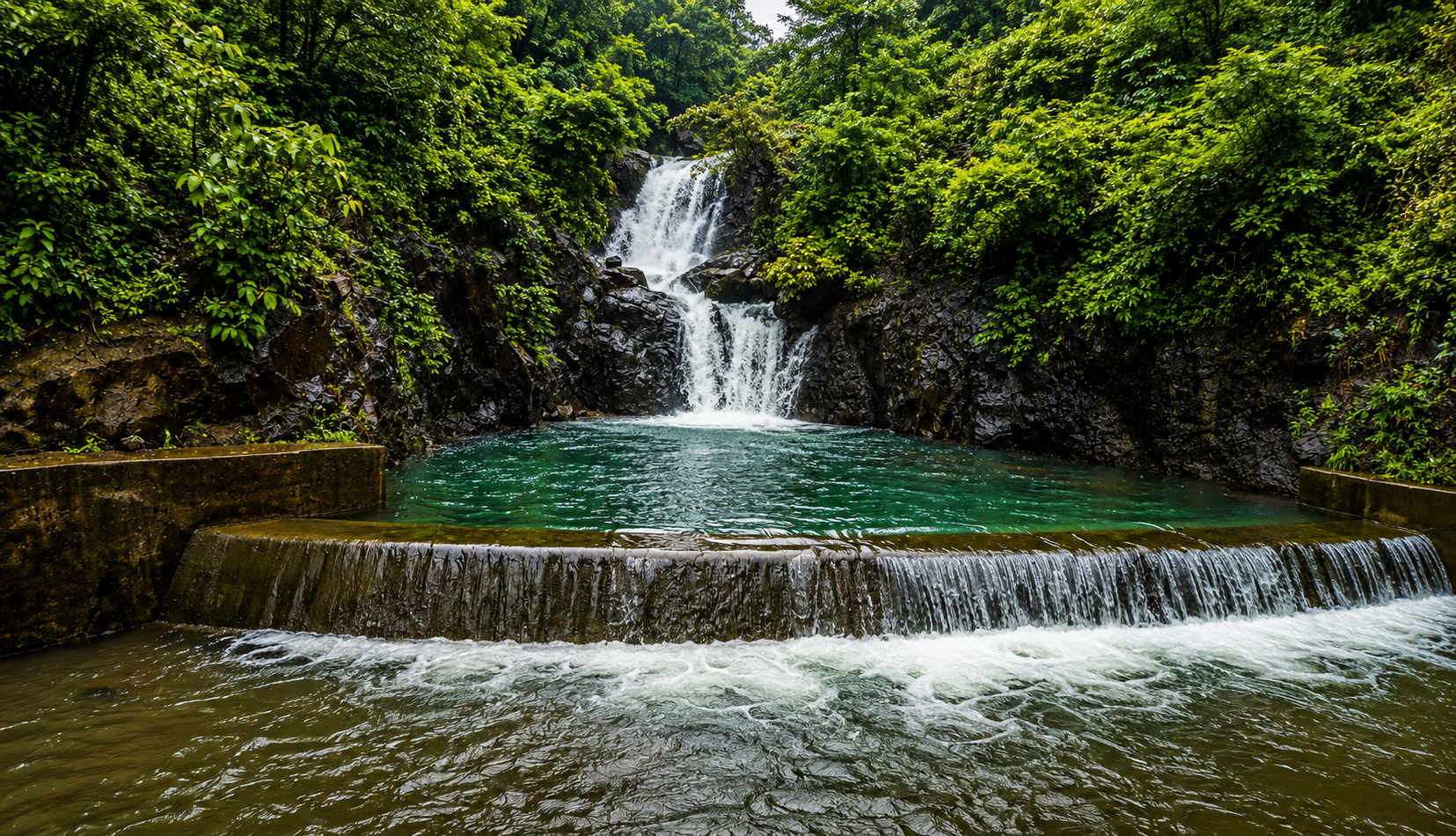
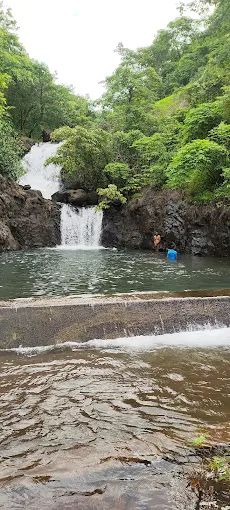
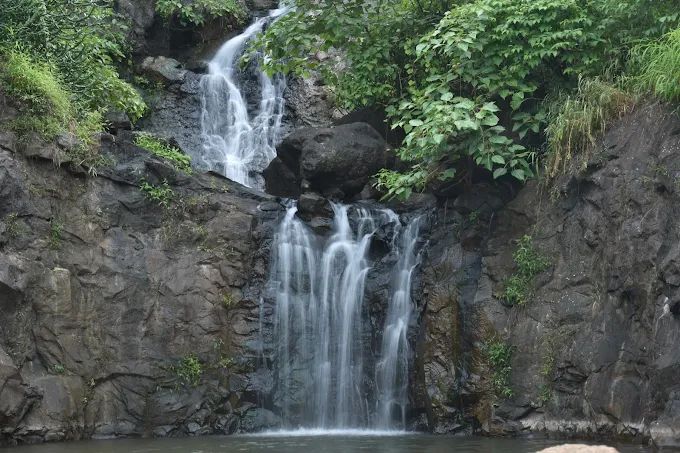
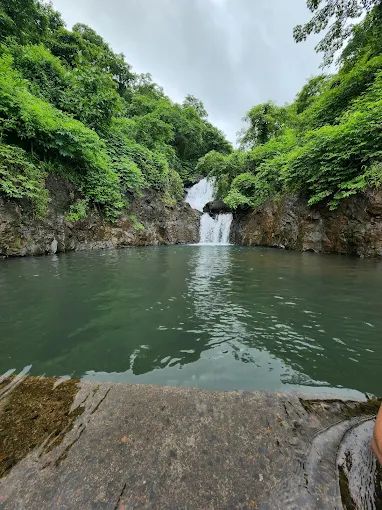
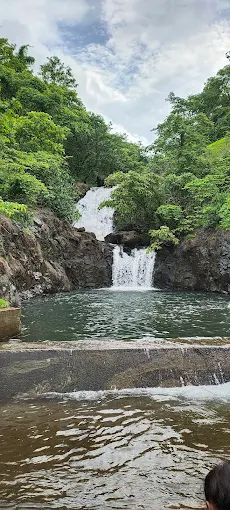
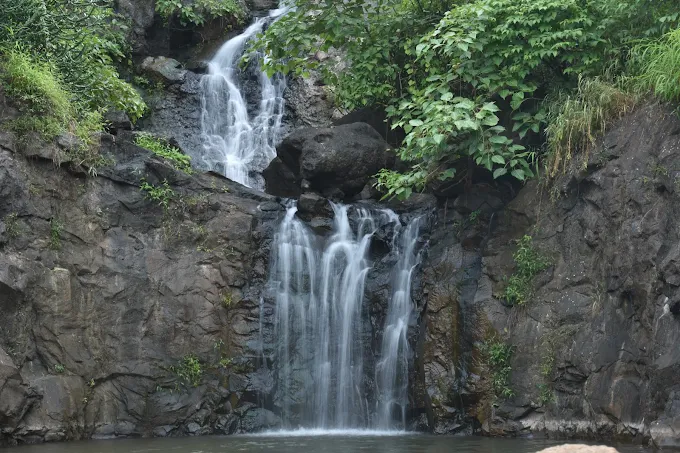
Tucked away in the scenic Vengurla taluka of Sindhudurg, Maharashtra, Parule Waterfall is one of Konkan’s best-kept secrets. This seasonal cascade comes alive during the monsoons, transforming the quiet village of Parule into a lush paradise. Renowned for its pristine, untouched beauty, it has quickly become a favorite getaway for travelers looking to escape crowded commercial tourist spots and experience Konkan in its truest form.
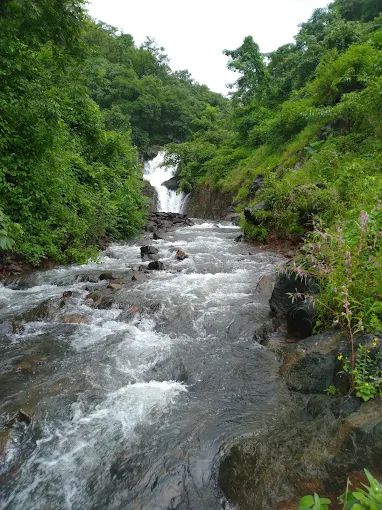
Visiting here offers a deeply rejuvenating experience where the crisp sound of gushing water replaces city noise. The short trek leading to the fall takes you through vibrant green patches and rustic rural trails, making it perfect for nature lovers and photography enthusiasts. Whether you want to cool off in its refreshing natural pools or simply unwind amidst dense foliage, Parule promises a peaceful, slow-paced retreat that recharges your soul.
History
While Parule Waterfall feels like a modern discovery for travelers, its roots are deeply intertwined with the ancient heritage of the region. The surrounding Parule village—historically known as Parulya Gramam—boasts a legacy that goes back nearly 1,600 years. For centuries, this area operated under the radar, protected by dense Konkan forests and the ancestral communities who worshiped the local wilderness.
The waterfall itself flows through land steeped in sacred folklore. The nearby forests house ancient shrines dedicated to deities like Devchar (the jungle protector) and Dungoba, where locals still pray to maintain a delicate balance with nature. Because of these deep-rooted spiritual beliefs, the community strictly preserved the local ecology for generations—forbidding anyone from altering the landscape or even plucking leaves from the sacred groves.
It is this strict, age-old preservation that kept the waterfall completely hidden from the outside world for so long. Rather than a spot shaped by historic battles or monuments, Parule Waterfall’s history is a beautiful tale of community-led conservation. It has evolved from a secret monsoon water source used only by village shepherds into a pristine eco-tourism spot that honors its ancient, green roots.
Climate & Weather
To fully enjoy the magical charm of Parule Waterfall, timing your trip is everything. Because it is a seasonal, nature-dependent cascade, the weather in Parule dictates when the waters flow and when the trails are safe. Choosing the ideal season will ensure you get a memorable experience rather than finding a dry rock bed or facing blocked village roads.
Monsoon (June to September)
This is the absolute best time to visit and the peak tourist season for nature lovers. The heavy tropical rains breathe life into the waterfall, creating a powerful, roaring cascade surrounded by misty, bright green forests. If you love authentic monsoon travel, witnessing the raw power of the falls during July and August is an unforgettable experience.
Winter (October to February)
As the rains recede, early winter (October and November) offers a calmer, highly pleasant window for winter travel. The waterfall reduces to a gentle, clear stream, making the natural pools safe for a relaxing dip. The weather becomes delightfully cool and crisp, which is perfect for hiking the forest trails without dealing with heavy downpours.
Summer (March to May)
Summer is definitely the offseason for the waterfall. During these months, the intense heat dries up the stream completely. While Parule village remains popular for its cool mango orchards and nearby beaches, the waterfall area itself holds no water and is best skipped during this period.
Transportation
Please select a transportation mode to view details
Facilities
As an offbeat and untouched nature spot, Parule Waterfall offers a raw, unplugged adventure rather than a highly commercialized theme park experience. The beauty of this location lies in its rustic minimalism, meaning luxury amenities are absent right at the falls, but essential comforts are easily accessible nearby.
On-Site Comforts
- Parking Space: There is a basic, open parking area near the start of the trail where you can safely leave your private cars or bikes before starting the short trek.
- Local Eco-Trails: The pathway leading up to the cascade is kept clean and maintained by the local village community, ensuring a safe and clear walking route through the forest.
- Natural Pools: At the base and top sections of the fall, nature has carved out shallow rock pools. These act as perfect, refreshing natural baths for families and solo travelers alike.
Food & Restrooms
- Authentic Malvani Dining: While you won't find food stalls directly at the waterfall, Parule village is famous for its warm hospitality. Local home-stays and rustic eateries (Khanavals) just minutes away serve incredible, authentic Malvani fish thalis, Solkadhi, and vegetarian meals.
- Restrooms & Changing Areas: Standard public changing rooms are not available at the forest site. Visitors typically use the clean facilities provided by nearby village eco-resorts or farmstays where they book their lunch or accommodation.
Geographical Information
Parule Waterfall is beautifully tucked away in the Vengurla taluka, sitting in the southern pocket of the Sindhudurg district in Maharashtra. It is a defining feature of the Konkan strip—a narrow, spectacular stretch of land sandwiched between the majestic Western Ghats and the Arabian Sea. This unique regional placement gives the waterfall a distinct coastal-highland vibe, making it an idyllic pitstop just a short drive away from the famous, sun-kissed beaches of Bhogwe and Tarkarli.
The terrain here is a stunning mix of rugged laterite plateaus and low-lying, fertile valleys covered in dense tropical jungle. As you approach the waterfall, the flat village landscape shifts into rocky, forested slopes where natural streams cut through the soft stone over centuries to create the dramatic cascade. Nestled within a classic tropical monsoon climate region, the area stays warm and humid for most of the year. However, when the heavy southwest monsoon rains hit the terrain, the entire landscape undergoes a massive transformation, turning the dusty forest floor into a vibrant, mist-covered green amphitheater fed by dozens of temporary freshwater springs.
Culture & Local Lifestyles
Visiting Parule Waterfall is more than just a date with nature; it is a gateway into the soul of the Konkan region. The people of Parule village live in harmony with the changing seasons, offering travelers a rare glimpse into a slow, sustainable, and warm-hearted way of life that has remained unchanged for generations.
Traditions
The local culture here is deeply rooted in the soil, the sea, and the surrounding forests. One of the most fascinating traditions is the preservation of Devrai (sacred groves)—patches of pristine forest left untouched out of respect for local forest deities. The community believes these woods protect the village's water sources, including the waterfall itself. This spiritual connection to nature explains why the landscape remains so wonderfully raw and clean. Hospitality is another sacred tradition here; locals treat guests like family, often inviting travelers to share a glass of fresh Solkadhi or home-grown fruit.
Festivals
Life in the village beats to the rhythm of vibrant festivals that light up the entire calendar. Ganesh Utsav is the crown jewel of cultural celebrations, occurring right when the monsoon rains leave the waterfall at its most roaring and beautiful. During this time, every home is filled with devotional songs, traditional Dashavatar folk theater, and the aroma of steamed ukdiche modak. Shimgo (the Konkani Holi) is another major event, celebrated with grand processions where heavy wooden palanquins of local deities are rhythmically danced through the village lanes.
Daily Life
The local lifestyle is pleasantly simple, guided by agriculture and fishing. In the mornings, you will see villagers tending to lush orchards filled with world-famous Alphonso mangoes, heavy clusters of cashew nuts, and towering coconut groves. Because the pace of life is gentle and unhurried, taking a walk through the village lanes rewards you with genuine smiles and spontaneous conversations. Immersing yourself in these quiet daily rhythms is one of the most rewarding cultural experiences the Konkan belt has to offer.
The Cultural Takeaway: When you visit Parule Waterfall, you are stepping into a community-supported ecosystem. Supporting local homestays, buying fresh cashews from village farmers, and respecting the sacred forest rules are the best ways to experience the authentic heart of this destination.
Food and Local Cuisine
No trip to Parule Waterfall is truly complete without diving headfirst into the rich, fiery culinary heritage of the region. The area serves up authentic traditional cuisine that perfectly mirrors its geographic placement—blending the fresh, bounty of the Arabian Sea with the aromatic spices of the Western Ghats.
Famous Dishes
The star of the show here is Malvani cuisine, a coastal culinary style known for its generous use of fresh coconut, tamarind, and the signature Malvani masala. If you eat seafood, a fresh Kombdi Vade (flavorful chicken curry served with fluffy, deep-fried rice-flour breads) or a crispy fried Surmai thali is an absolute must-try. For vegetarians, Kaju Usal—a rich, creamy curry made from tender, freshly harvested cashews—offers a brilliant taste of the local orchards. Every single meal is incomplete without a chilled glass of Solkadhi, a soothing, pink appetizer made from kokum extract and fresh coconut milk infused with green chilies and garlic.
Street Food
While you won't find bustling city food trucks by the forest trails, the street food experience here takes the form of rustic, village-style tea stalls. On your way to or from the waterfall, look out for small stalls serving hot, crispy Alu Vadi (colocasia leaves rolled with spiced gram flour paste, steamed and fried) and steaming plates of Kanda Bhaji (onion fritters). These savory snacks paired with a cup of hot, ginger-infused black tea are the ultimate comfort food after a refreshing dip under the falls.
Restaurants & Cafes
To experience the best food in Parule, skip the fancy, commercial eateries and head straight to the village Khanavals (authentic local dining halls) or eco-homestays. Places like Maachli Eco-Resort and various family-run village kitchens offer an incredible farm-to-table experience. Here, meals are slow-cooked over wood fires and served on traditional banana leaves. It is a deeply personal, humanized way to enjoy local food, cooked with ingredients sourced directly from the surrounding backyards and fish markets.
Accommodation
Finding the perfect place to stay near Parule Waterfall is all about deciding what kind of vibe you want. Because Parule is a tranquil village, the best accommodation options are clustered around the village center or along the neighboring coastline of Bhogwe Beach, providing a fantastic mix of rustic nature and coastal comfort.
Budget Hotels
For backpackers and solo travelers looking for a budget stay, the nearby transit hub of Kudal offers numerous no-frills, clean hotels in Parule's vicinity. These properties provide essential amenities like clean bedding, air conditioning, and secure parking. They serve as an excellent, cost-effective base if your primary goal is to drop your bags and spend the entire day exploring the outdoors.
Mid-Range Hotels
The mid-range segment features delightful plantation stays, agro-farms, and cozy beachside cottages located around a 10 to 15-minute drive from the waterfall. These properties hit the sweet spot for families, offering comfortable air-conditioned rooms, beautifully manicured green lawns, swimming pools, and in-house kitchens that serve fresh, home-cooked Malvani meals.
Luxury Resorts
If you want to pair your waterfall trek with premium indulgence, the cliffs and shores of nearby Bhogwe and Nivati house gorgeous boutique luxury resorts. These properties feature stunning infinity pools, private sit-outs with panoramic ocean views, and premium eco-villas tucked into coconut groves. They seamlessly blend natural solitude with high-end hospitality.
Homestays
To experience the true essence of Konkani warmth, booking one of the local village homestays is highly recommended. Parule is famous for its award-winning eco-homestays that feature traditional wooden architecture and farm-to-table dining. Staying here allows you to unplug completely, enjoy authentic local hospitality, and get insider travel tips directly from the residents who know the forest trails best.
Budget/Cost Estimation
Planning your financial blueprint for Parule Waterfall is pleasantly surprising, as the Konkan region remains one of the most rewarding destinations for affordable travel. Whether you are backpacking on a shoestring or indulging in a premium eco-resort, tracking your estimated expenses ahead of time ensures a smooth, stress-free adventure.
To help with your trip preparation, here is a practical breakdown of the typical daily travel cost based on your preferred travel style:
- Transport Expenses:
- Backpacker: ₹200 – ₹500 per day using local state transport (MSRTC) buses or shared auto-rickshaws from Kudal.
- Mid-Range: ₹1,000 – ₹2,000 per day for a self-drive car rental or fuel costs for a personal vehicle.
- Premium: ₹3,000 – ₹5,000 per day for a private, air-conditioned SUV chauffeur service.
- Food & Dining Expenses:
- Backpacker: ₹300 – ₹500 per day enjoying local street food stalls and basic village Khanavals (eateries).
- Mid-Range: ₹600 – ₹1,200 per day eating classic, full Malvani seafood or vegetarian thalis at popular local restaurants.
- Premium: ₹1,500 – ₹3,000 per day enjoying curated, farm-to-table dining experiences at boutique resorts.
- Stay & Accommodation Expenses:
- Backpacker: ₹800 – ₹1,500 per night for a no-frills room or a basic village budget stay.
- Mid-Range: ₹2,500 – ₹4,500 per night for a cozy plantation cottage, agri-tourism farm, or beachside homestay.
- Premium: ₹7,000 – ₹12,000+ per night for luxury eco-villas and high-end coastal resorts.
- Activities & Sightseeing Expenses:
- Backpacker: Virtually free, as Parule Waterfall has no entry fee.
- Mid-Range: ₹200 – ₹500 for a guided spice plantation tour or boat ride in nearby backwaters.
- Premium: ₹500 – ₹1,500 for personalized heritage walks, water sports at nearby beaches, or curated farm experiences.
The Bottom Line: A comfortable, mid-range trip budget averages around ₹4,000 to ₹7,500 per day for two people, including a private vehicle, good food, and a beautiful place to stay, making this a highly competitive and accessible getaway.
Frequently Asked Questions
Popular Activities
Video and Photo Gallery
Related Stories
Traveller Reviews
No reviews yet
Be the first to share your experience!