Introduction
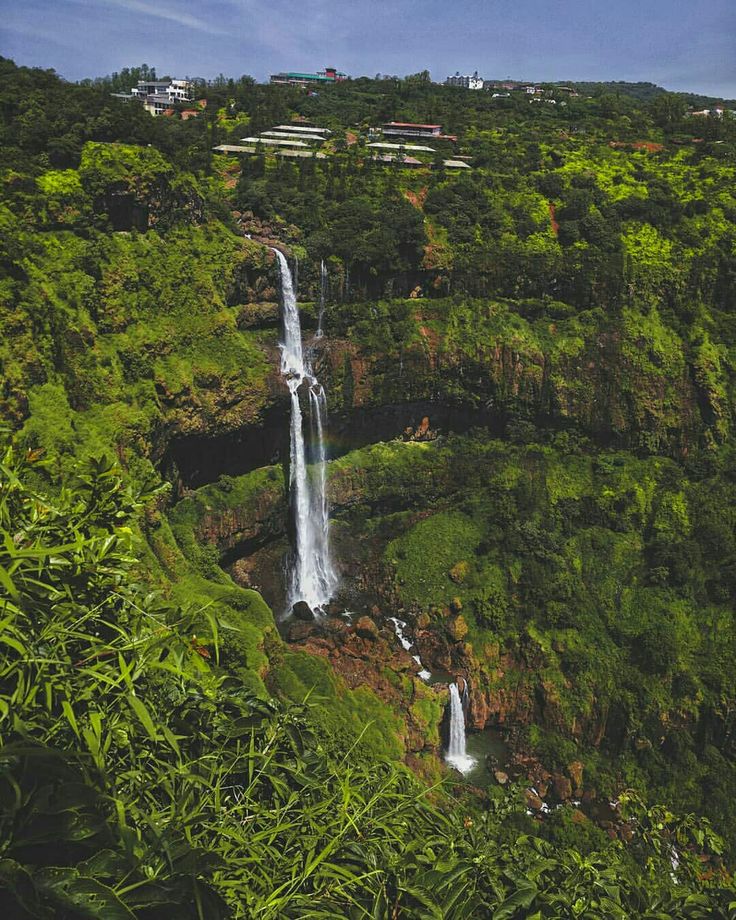
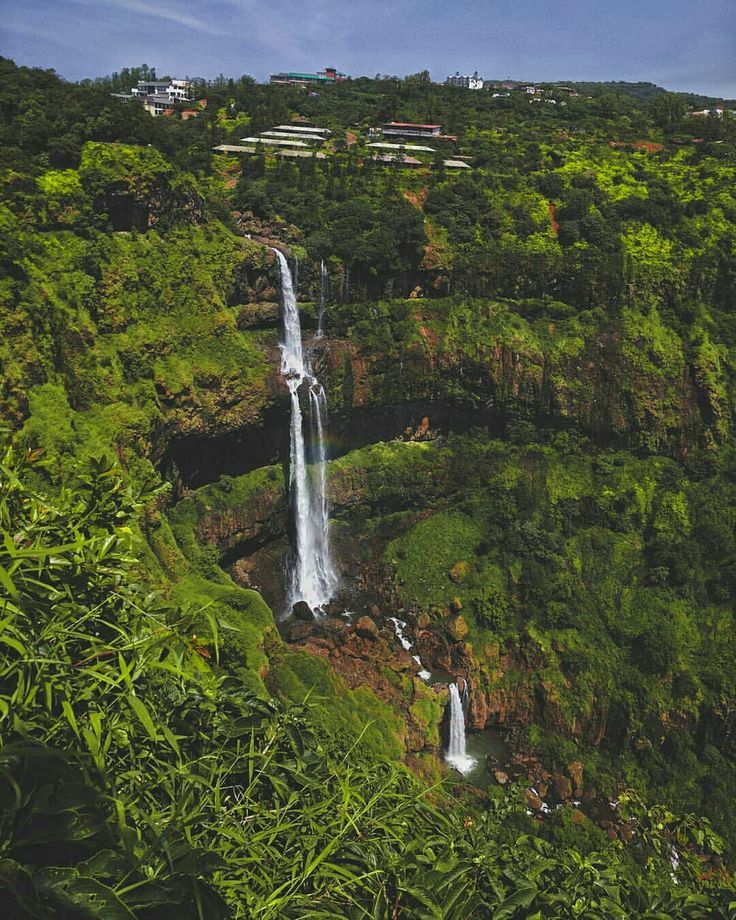
Nestled smoothly in the heart of the mist-shrouded Sahyadri hill station of Mahabaleshwar, Maharashtra, Lingamala Waterfall stands as a magnificent natural masterpiece. This breathtaking destination is world-famous for its dramatic dual drops, where water plummets from a sheer cliff into the lush, green depths of the Venna Valley. It is an iconic landmark that perfectly captures the raw, pristine beauty of the region, making it a must-visit sanctuary for anyone exploring the Western Ghats.
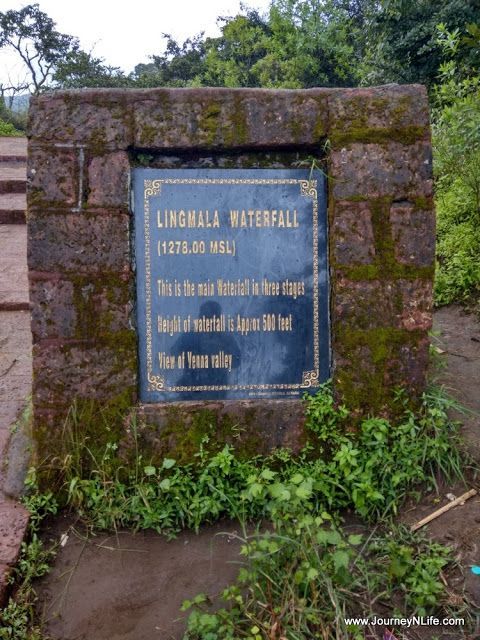
Visiting Lingamala offers a deeply therapeutic and sensory nature experience, blending the crisp mountain breeze with the soothing, rhythmic roar of cascading waters. The site features a beautifully organized trail that splits into two rewarding highlights: a gentle, calming mini-fall perfect for a relaxed dip, and a majestic viewpoint overlooking the main 600-foot plunge. It is the ultimate escape for travelers seeking to unplug from chaotic city routines and immerse themselves in pure wilderness serenity.
History
Colonial Discovery: The storied past of Lingamala Waterfall is deeply intertwined with the development of Mahabaleshwar as a premier hill station during the British Raj in the early 19th century.
The Malcolm Era: Sir John Malcolm, the Governor of Bombay in 1828, established the region as a sanatorium, and British officials quickly fell in love with the waterfall's pristine viewpoint during their high-society nature walks.
Ancient Lifeline: Long before colonial officers mapped the trail, the waters of Lingamala served as an essential, life-giving natural resource for the indigenous forest communities of the Venna Valley.
Hydrological Engineering: The historical significance of the falls shifted in the mid-20th century with the construction of the nearby Venna Dam and a mini-hydroelectric project, which beautifully integrated modern water management with natural landscape preservation.
Eco-Tourism Renaissance: Today, the site has evolved from a quiet colonial getaway into a meticulously preserved eco-tourism sanctuary managed by the forest department, ensuring its rich heritage remains completely untouched.
Climate & Weather
To get the absolute most out of your trip, aligning your journey with the perfect seasonal window is essential. The shifting weather in Lingamala Waterfall completely transforms the landscape, moving from a tranquil forest retreat to a roaring natural spectacle.
Summer (March to May)
This is generally a bad travel period if you are looking to see a powerful cascade. The intense summer heat causes the water levels to drop significantly, turning the main 600-foot plunge into a quiet trickle. However, it remains a popular tourist season for city dwellers seeking a cool mountain breeze to escape the coastal humidity.
Monsoon (June to September)
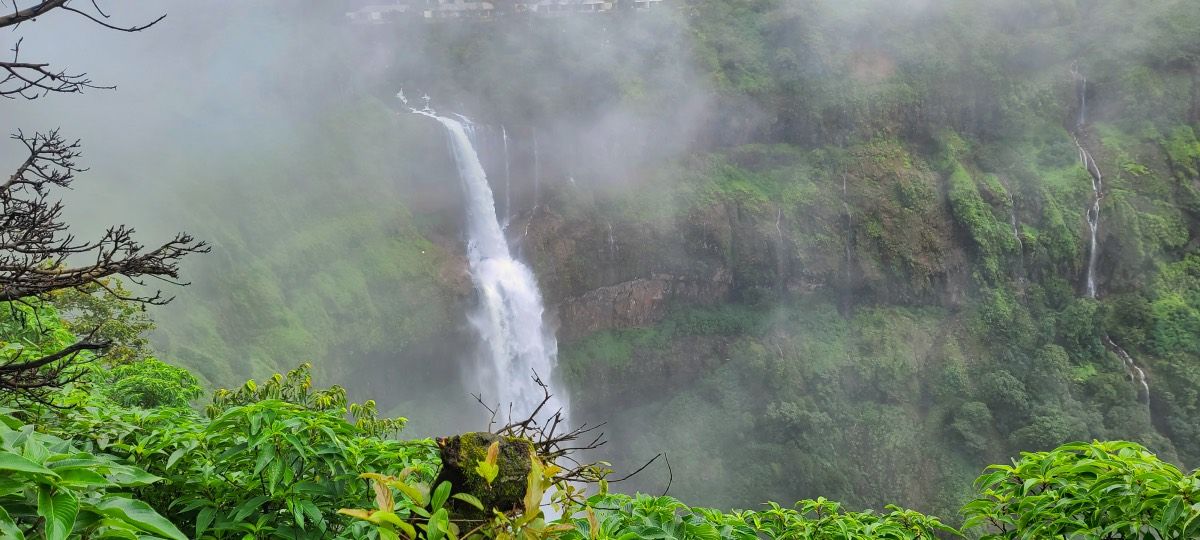
The monsoon is the undisputed ideal season to witness the waterfall in its full, legendary glory. Heavy downpours feed the river channels, sending massive volumes of water crashing into the Venna Valley amid thick blankets of fog. It is a dream destination for photographers, though travelers should pack heavy-duty rain gear for the wet trails.
Winter (October to February)
For the ultimate balance of comfort and natural beauty, late-autumn and monsoon/winter travel wins by a landslide. This is the best time to visit because the post-monsoon foliage is still a vibrant emerald green, the waterfall retains a beautiful, steady flow, and the crisp, clear skies make hiking incredibly pleasant.
Transportation
Please select a transportation mode to view details
Facilities
- Meticulously Organized Parking: The forest department provides a spacious, well-managed paid parking zone right at the main entrance, ensuring your vehicle remains completely secure while you hike.
- Beautifully Paved Trails: Unlike raw, muddy wilderness tracks, the route to Lingamala features clean, well-maintained stone steps and concrete walkways complete with sturdy safety railings for all age groups.
- Strategic Viewing Decks: The site boasts purpose-built, secure observation platforms that offer stunning, unobstructed panoramic views of both the mini-fall and the main 600-foot plunge.
- Rest Shelters & Benches: Shaded seating pavilions and rustic wooden benches are placed at regular intervals along the forest stairways, allowing you to catch your breath under the cool canopy.
- Hygienic Restrooms: Well-maintained, clean public washroom blocks are conveniently located near the main entrance gate for visitors to freshen up before or after their trek.
- Local Eco-Cafes & Stalls: A vibrant cluster of small, government-approved local vendors near the gate serves up refreshing, locally sourced snacks, fresh strawberries with cream, and chilled coconut water.
- Clear Directional Signage: The entire property is equipped with excellent, multilingual information boards detailing trail maps, safety guidelines, and environmental rules to prevent any confusion.
Geographical Information
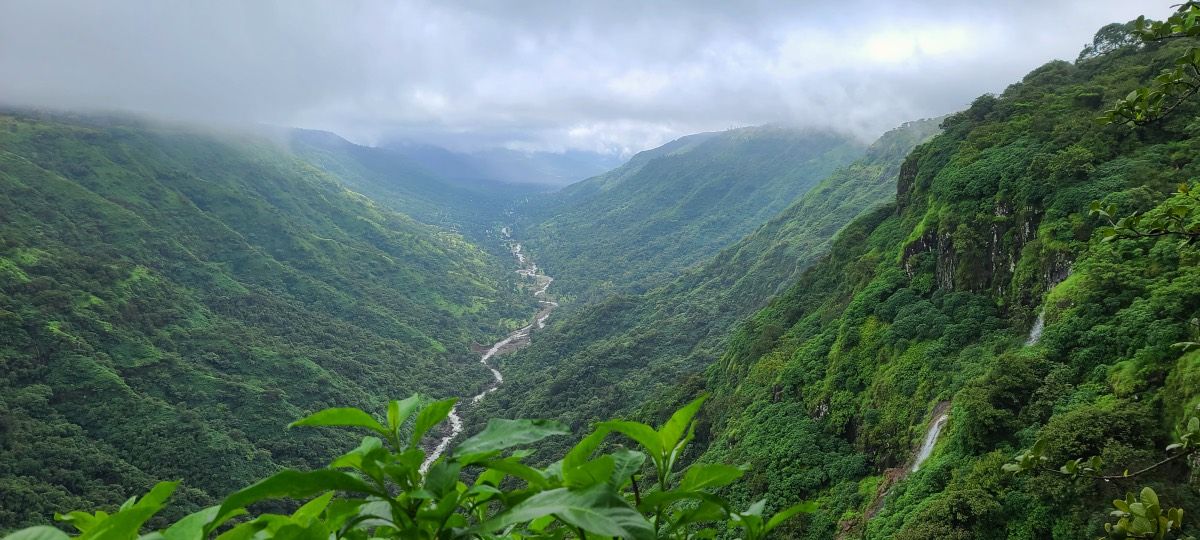
Lingamala Waterfall is gracefully positioned on the high-altitude plateau of Mahabaleshwar, situated along the rugged spine of the Sahyadri mountain range in western Maharashtra. It marks a dramatic geographical point where the high tablelands of Panchgani transition into the deep, heavily forested valleys of the region. This magnificent cascade drops smoothly from a prominent cliffside, acting as a crucial natural drainage point that feeds the historic Venna River flowing directly below.
The surrounding terrain is defined by its signature deep-red laterite soil and towering basalt rock formations, which together create a stunning structural amphitheater for the cascading waters. The landscape is cloaked in dense, evergreen subtropical forests that remain vibrant throughout the year due to the region's humid, high-rainfall climate zone. Positioned thousands of feet above sea level, the waterfall enjoys an incredibly refreshing mountain ecosystem where thick curtains of mist regularly roll across the sheer cliffs, creating a uniquely dramatic and sheltered natural pocket within the Western Ghats.
Culture & Local Lifestyles
The area surrounding Lingamala Waterfall is deeply rooted in a rich heritage that beautifully complements the natural grandeur of Mahabaleshwar. For travelers looking to look beyond the viewpoint, the region offers a fascinating glimpse into an authentic mountain community that has preserved its identity for generations. Immersing yourself in the local culture here reveals a lifestyle that moves in perfect harmony with the changing seasons of the Western Ghats.
Traditions
The native communities surrounding the valley hold an ancient, deep-seated reverence for the nature that cradles them. One of the finest traditions practiced by the locals is the preservation of Devrais—sacred forest groves left completely untouched to honor forest deities. This spiritual connection to the earth ensures that the wilderness remains respected and protected, offering visitors incredibly mindful cultural experiences when interacting with village elders who double as the true guardians of these hills.
Festivals
Life in the high country is celebrated through vibrant, community-centric festivals that mark the agricultural calendar. While Ganesh Chaturthi and Diwali are celebrated with immense joy, it is the post-monsoon harvest festivals that truly showcase the regional spirit. Villagers participate in traditional folk dances and songs to thank nature for a bountiful harvest, turning the entire plateau into a lively canvas of color, music, and community bonding right as the peak travel season begins.
Daily Life
The everyday local lifestyle is heavily anchored by the region’s famous terrace farming and strawberry cultivation. Early in the morning, the valleys buzz with activity as families tend to their stepped farms, cultivating the red fruits that Mahabaleshwar is globally famous for. This slow, intentional lifestyle centers around warm hospitality, simplicity, and a close-knit community bond. For the modern traveler, taking a moment to step off the commercial trail and engage with the local farmers offers a refreshing masterclass in sustainable living.
Food and Local Cuisine
No trip to this mist-covered sanctuary is complete without diving straight into the vibrant culinary landscape of Mahabaleshwar. The food scene here perfectly mirrors the crisp mountain air, offering comforting, indulgent treats that elevate your sightseeing journey into a full-blown culinary adventure. Exploring the local food around the trail is the ultimate way to fuel your trek and support sustainable food tourism in the hills.
Famous Dishes
The undisputed crown jewel of the regional menu is the legendary Strawberries with Fresh Cream. Made with bright, hand-picked berries sourced right from the surrounding terrace farms and topped with velvety, thick whipped cream, it is an iconic treat. If you are craving something savory, the region specializes in Pithla Bhakri—a comforting, traditional cuisine featuring a spiced gram flour curry paired with hot, iron-rich millet flatbreads that provide the ultimate post-hike nourishment.
Street Food
The bustling trails and entry gates are lined with fantastic street food options that are perfect for a quick bite. You will find local vendors roasting fresh bhutta (corn on the cob) over charcoal, charcoal-grilled sweet potatoes drizzled with lime juice and chaat masala, and piping hot Chana Chaat. Washing these down with a cup of hot ginger tea (Adrak Chali) amidst the rolling fog is an unforgettable hillside ritual.
Restaurants & Cafes
Right outside the forest entry gates and along the main Panchgani-Mahabaleshwar road, a wonderful mix of rustic, family-run khanavals (local eateries) and open-air garden cafes await hungry travelers. These cozy spots serve up some of the best food in Lingamala Waterfall's vicinity, ranging from traditional Maharashtrian thalis featuring spicy Misal Pav to modern berry-infused desserts, ensuring every palate finds its perfect match after a long day of exploring.
Accommodation
Finding the perfect place to drop your bags is a breeze when visiting this gorgeous hillside cascade. Because the waterfall is conveniently located right along the main road connecting Panchgani and Mahabaleshwar, choosing a base nearby means you are always just minutes away from the misty forest gates. The surrounding hills offer an incredible mix of stays designed to fit every traveler’s style and wallet.
Budget Hotels
If you are looking to maximize your adventure funds, the area features excellent options for a comfortable budget stay. These properties offer clean, basic rooms, hot water for post-hike showers, and friendly local service without the premium price tag. Slotted along the main highway, they provide ultimate convenience for backpackers and solo road-trippers.
Mid-Range Hotels
For travelers seeking a touch more comfort, the mid-range hotels in Lingamala Waterfall's vicinity hit the absolute sweet spot. These properties frequently feature beautiful valley-view balconies, on-site multi-cuisine restaurants, and manicured garden spaces. They are ideal for families and couples who want modern amenities and a peaceful night's sleep after a day of exploring.
Luxury Resorts
If your goal is an indulgent mountain escape, the surrounding cliffs are home to world-class luxury resorts that completely redefine relaxation. Imagine winding down your evening with temperature-controlled infinity pools overlooking the deep green canyons, top-tier wellness spas, and private villas tucked away in dense forest canopies. It is the ultimate way to pamper yourself amidst nature.
Homestays
To truly connect with the heart of the hill station, booking local homestays is an unmatched choice. These cozy, family-run properties offer the best accommodation experience for anyone craving an authentic touch. You will stay in charming properties, enjoy freshly made home-cooked meals, and get insider travel tips from local hosts who treat you like family.
Budget/Cost Estimation
Smart Financial Planning: Mapping out your estimated expenses before heading into the hills ensures a smooth, stress-free escape without any financial surprises.
Incredibly Affordable Travel: A quick day trip to the cascades is perfect for budget travel, allowing you to experience nature's grandeur at a minimal travel cost.
Tailored for All Budgets: Whether you are looking for a backpacking adventure or a premium wellness getaway, the region accommodates every single financial tier cleanly.
Cash-Friendly Advice: Keeping a small amount of physical cash on hand is highly recommended for parking fees and quick trailside strawberry treats.
Low-End Transport Costs: Local transit via state transport buses or shared auto-rickshaws stays highly economical at ₹150 – ₹300 per person.
Mid-to-High Transport Costs: Choosing a private vehicle, self-drive rental, or calling a private cab scales your transit expenses to ₹1,000 – ₹2,500+.
Local Food Expenses: Savoring authentic street food, fresh strawberry cream, and basic local thalis keeps food costs down to ₹150 – ₹300 per head.
Premium Dining Expenses: Dining out at high-end garden cafes or premium in-resort multi-cuisine restaurants averages ₹500 – ₹1,200+ per meal.
Economy Stay Options: Booking a basic backpacker lodge or a cozy, rustic village homestay keeps your accommodation budget at a safe ₹600 – ₹1,200 per night.
Mid-Range Accommodation: Choosing comfortable, valley-view hotels or family-friendly mountain lodges will cost roughly ₹1,800 – ₹3,500 per night.
Luxury Resort Living: Indulging in a premium 5-star resort experience featuring wellness spas and infinity pools starts from ₹6,000 to ₹15,000+ per night.
Activity & Entry Fees: Basic trail access is exceptionally cheap, requiring just ₹30 for the forest department ticket and a nominal parking fee.
Flexible Trip Budget: A standard, all-inclusive weekend getaway typically tracks to a total trip budget of around ₹2,500 to ₹4,500 per person for mid-range travelers.
Frequently Asked Questions
Popular Activities
Video and Photo Gallery
Related Stories
Traveller Reviews
No reviews yet
Be the first to share your experience!