Introduction
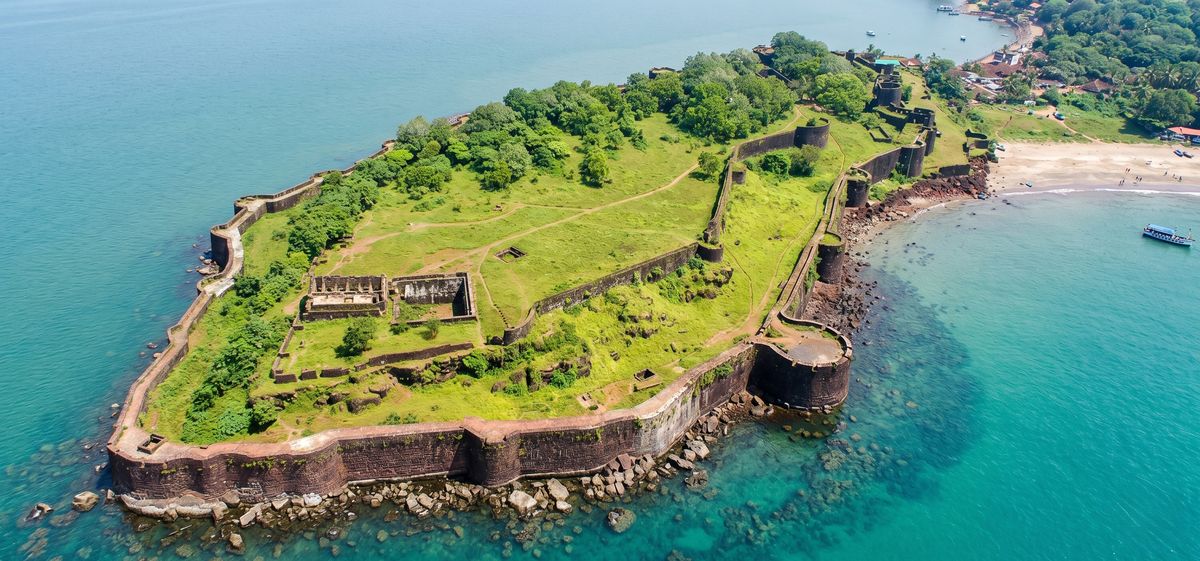
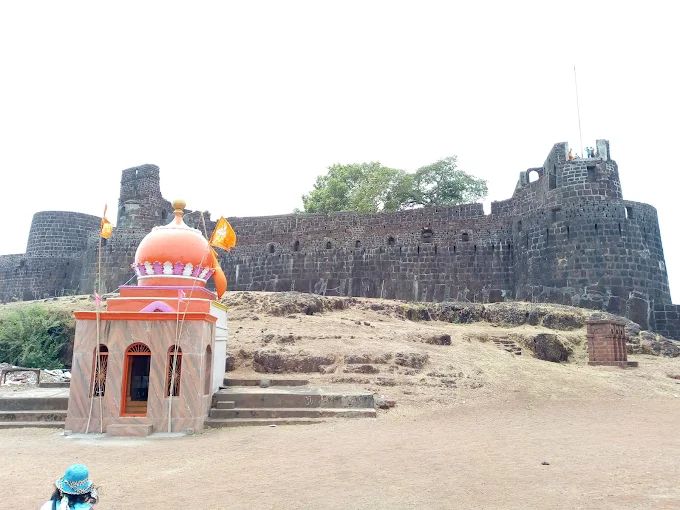
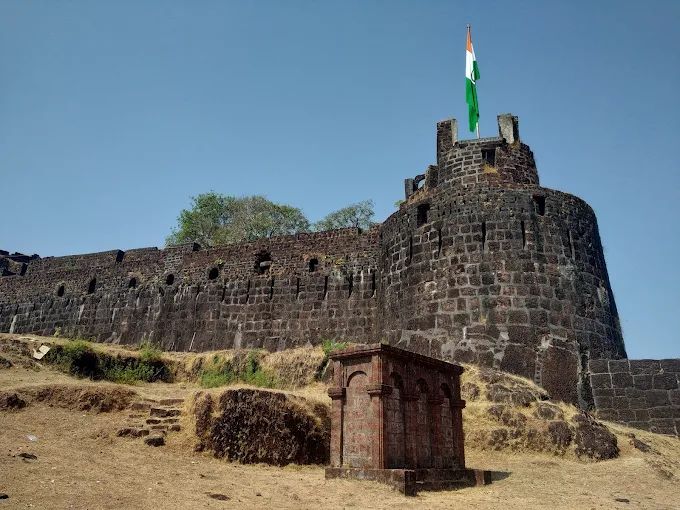
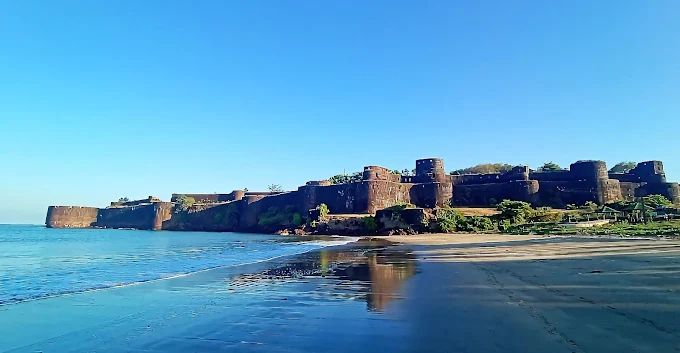
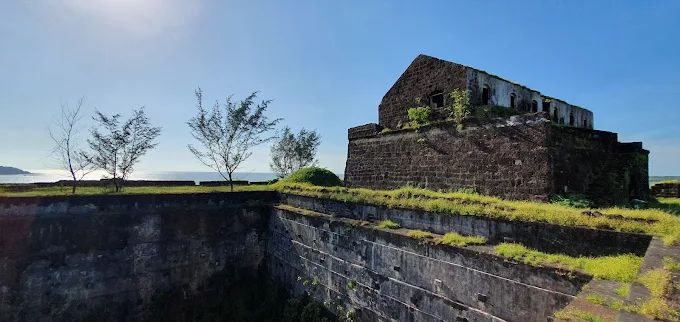
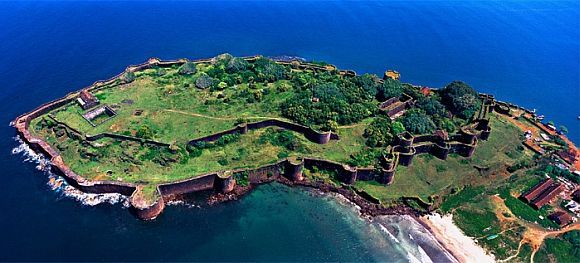
Vijaydurg Fort, often called the "Gibraltar of the East," is one of the most remarkable coastal fortresses located in the Sindhudurg district of Maharashtra. Guarding the mouth of the Vaghotan River, this massive structure is famous as the oldest sea fort on the Konkan coast. Originally built by the Shilahara dynasty and later heavily fortified by Chhatrapati Shivaji Maharaj, it stands proudly as a masterpiece of ancient naval architecture and a major landmark of India's maritime power.
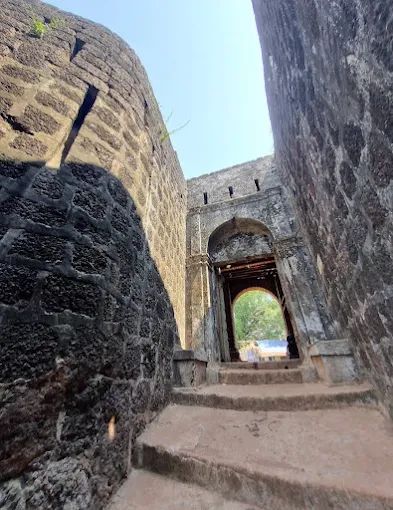
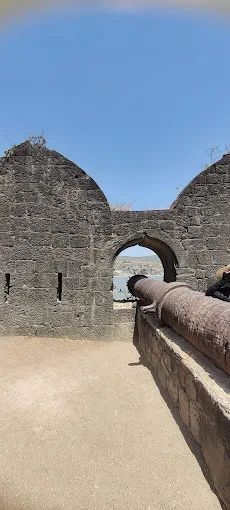
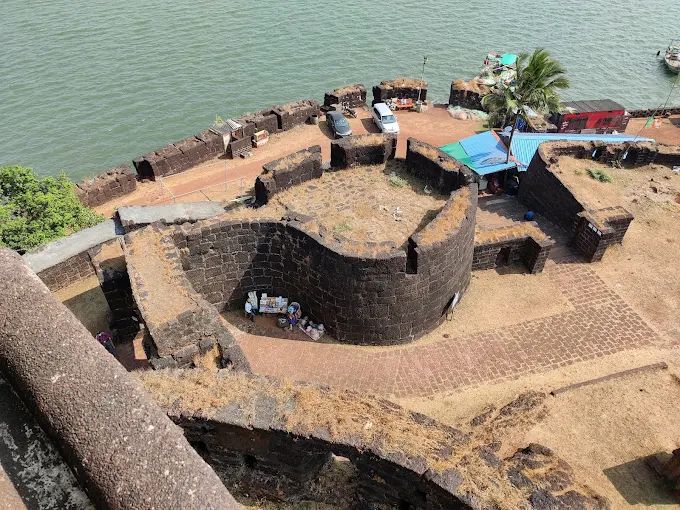
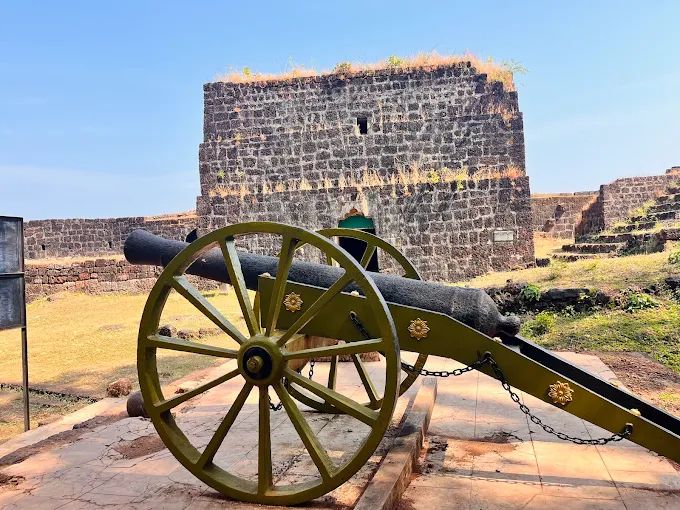
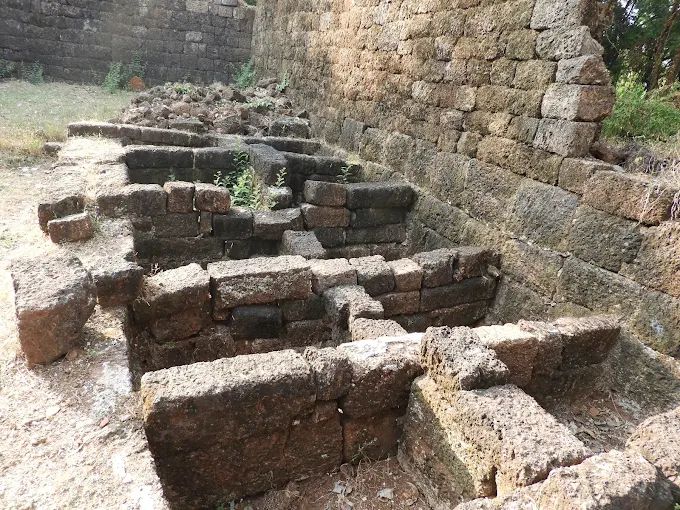
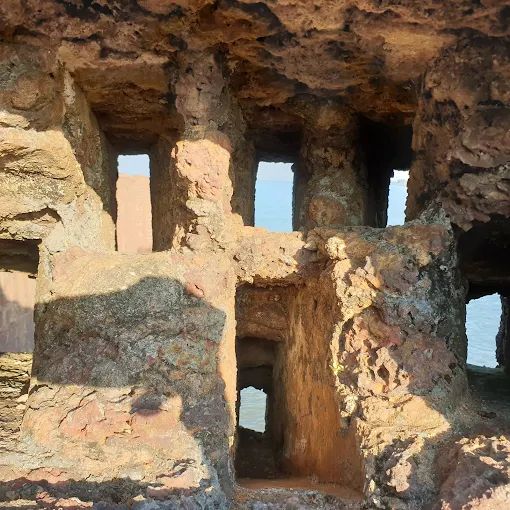
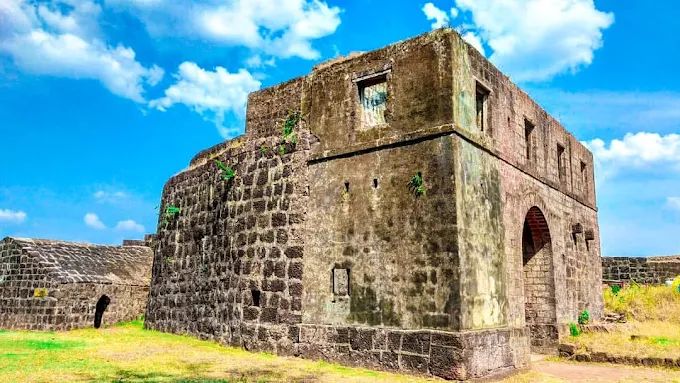
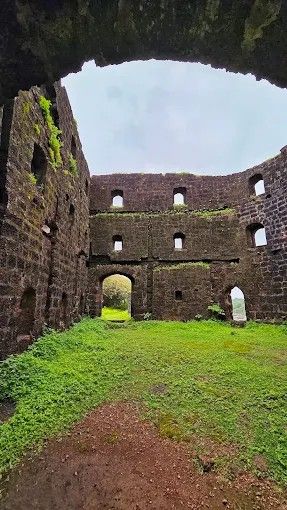
Visiting this historic fort offers a deeply immersive journey into India's legendary past, blended with breathtaking natural beauty. Unlike island forts, Vijaydurg is accessible by road, allowing you to easily explore its massive triple-layered stone walls, secret escape tunnels, and ancient cannon slots. The fort offers a thrilling experience for heritage lovers, backpackers, and families, providing a peaceful escape where you can watch stunning ocean sunsets and feel the spirit of legendary Maratha warriors.
History
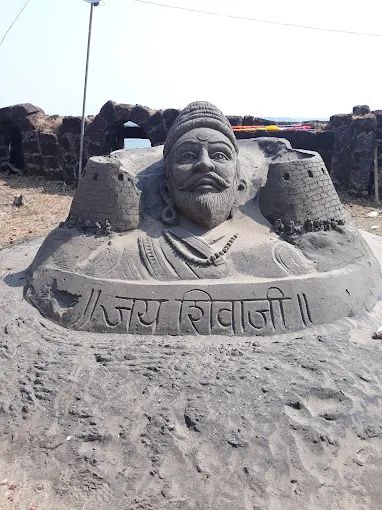
The history of Vijaydurg Fort is a gripping tale of naval supremacy, architectural brilliance, and fierce battles. Originally constructed around 1205 by King Bhoj II of the Shilahara dynasty, the fortress assumed its legendary status in 1653 when Chhatrapati Shivaji Maharaj captured it. Recognizing its strategic value on a naturally protected peninsula, the great Maratha ruler expanded its boundaries, added massive triple-layered stone walls, and renamed it Vijaydurg—the Fort of Victory.
Under Maratha rule, Vijaydurg became the nerve center of the Maratha Navy. It served as a secure shipyard and a launchpad for the brilliant Admiral Kanhoji Angre. For decades, this coastal stronghold remained virtually impregnable. European powers—including the British, Dutch, and Portuguese—launched numerous joint naval assaults to dismantle it, but the fort’s unique underwater stone wall, designed to wreck heavy enemy warships, kept invaders at bay.
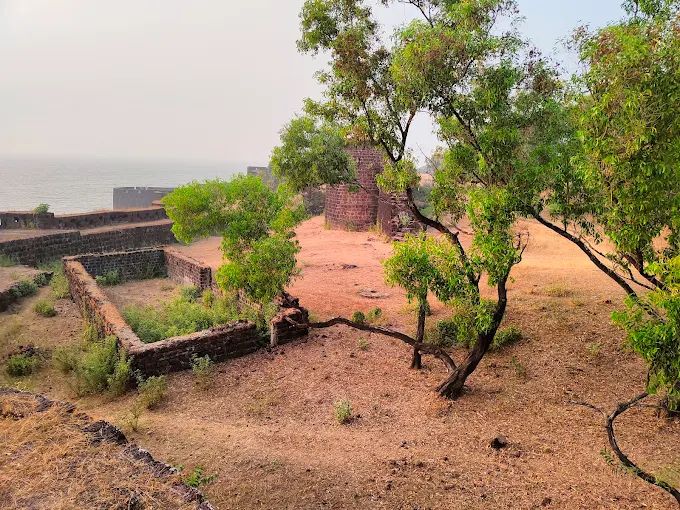
Control eventually shifted to the Peshwas and, following a massive naval siege in 1818, to the British East India Company. Intriguingly, the fort also holds a unique place in scientific history; in 1868, French astronomer Pierre Janssen discovered the element Helium while observing a total solar eclipse from its ramparts. Today, walking through its giant doorways feels like stepping onto a living canvas of wartime triumph and timeless coastal heritage.
Climate & Weather
To enjoy the perfect coastal getaway to this magnificent peninsula fortress, timing your trip right is key. Because Vijaydurg is connected by road, it is much easier to reach than offshore island forts, but the changing seasons still completely reshape your sightseeing experience.
Winter (November to February)
This is the peak tourist season and indisputably the best time to visit Vijaydurg Fort. The weather in Vijaydurg during these months is beautifully pleasant, characterized by cool, crisp ocean breezes, clear skies, and mild afternoon temperatures. It is the ideal season to walk along the massive stone walls and explore the open courtyards comfortably without breaking a sweat.
Summer (March to May)
Summer brings a significant rise in temperatures and strong coastal humidity. Sightseeing during the afternoon can feel quite exhausting under the blazing sun. However, if you travel during this period, plan your fort exploration for the early morning or late evening. The silver lining is that late summer marks the beginning of the famous local Alphonso mango harvesting season.
Monsoon (June to October)
Opting for monsoon travel turns the Konkan landscape into a stunning, vivid green paradise. The sight of massive Arabian Sea waves crashing furiously against the dark basalt rocks of the fort is incredibly dramatic. However, heavy rains can make outdoor walking paths slippery and limit beach activities. If you love wild nature photography, it is a rewarding time, but casual travelers might find the heavy downpours restrictive.
Transportation
Please select a transportation mode to view details
Facilities
As a heavily visited national heritage monument managed by the Archaeological Survey of India (ASI), Vijaydurg Fort offers a much more comfortable and structured experience than typical isolated sea forts. Because it is connected directly by road, essential amenities are highly accessible.
Inside the Fort Complex
- Drinking Water: Clean drinking water stations are conveniently set up at specific points along the walking pathways inside the fort.
- Restrooms: Well-maintained public washroom facilities are available near the main entrance gate for visitors.
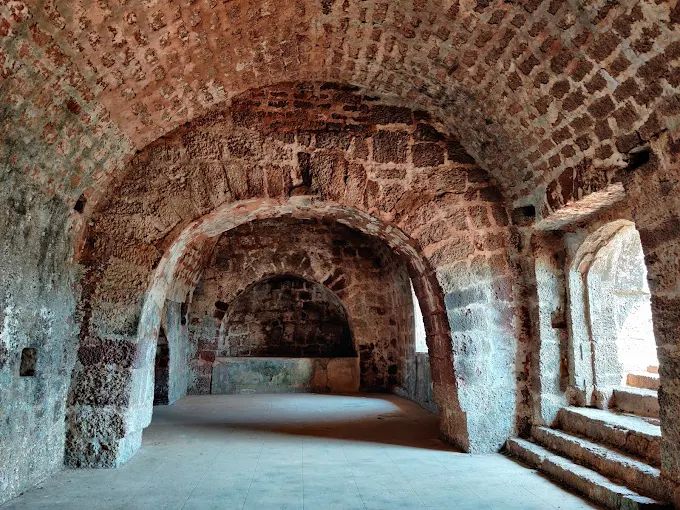
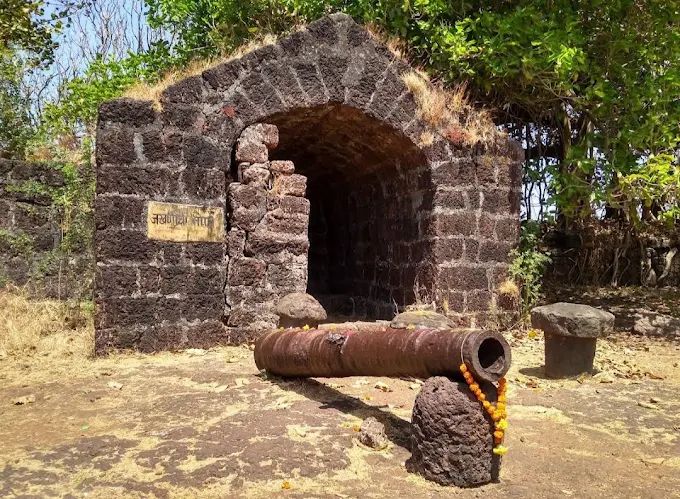
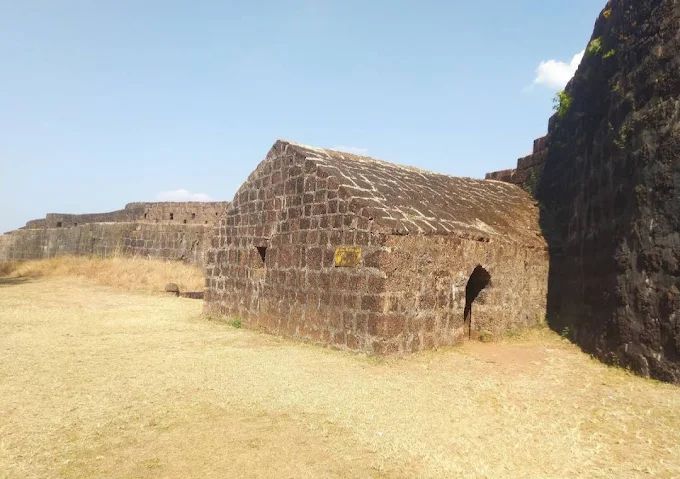
- Signage & Information Boards: The ASI has installed clear informational plaques in English, Hindi, and Marathi next to key structures like the secret tunnel, storage rooms, and the famous Helium discovery spot.
- Guided Tours: Local, authorized tour guides gather near the ticketing counter at the main entrance. Hiring them is highly recommended to uncover the deep tactical secrets behind the fort's architecture.
Outside the Fort Gates & Peninsula Area
- Food & Local Dining: A handful of rustic local restaurants and small beachside shacks sit right outside the fort perimeter, serving hot Malvani seafood thalis, snacks, and refreshing Sol Kadhi.
- Parking Space: A dedicated open vehicle parking zone is available directly near the main entrance, making it hassle-free for road-trippers and private cabs.
- Local Transport Access: Auto-rickshaws and state transport bus stands are located within walking distance of the gates, linking you smoothly to nearby transit towns like Devgad.
Geographical Information
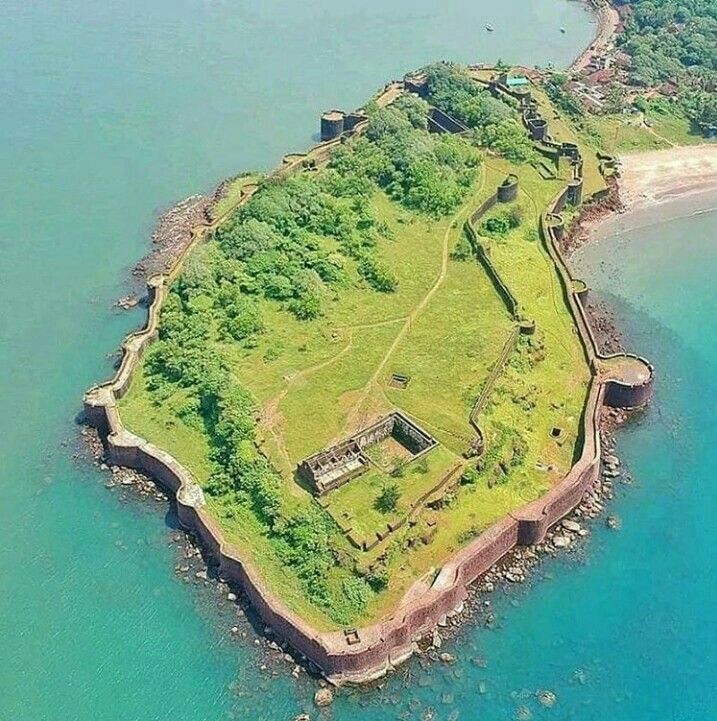
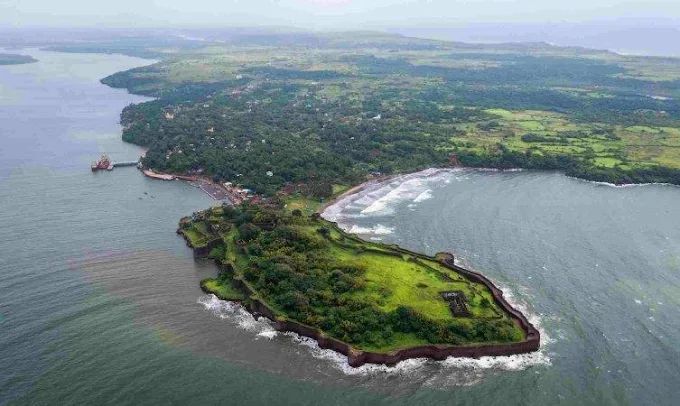
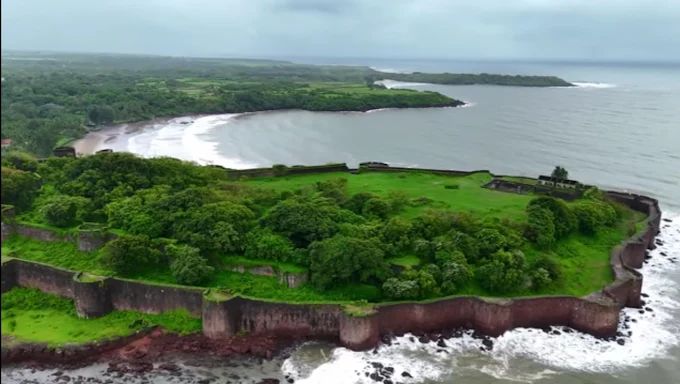
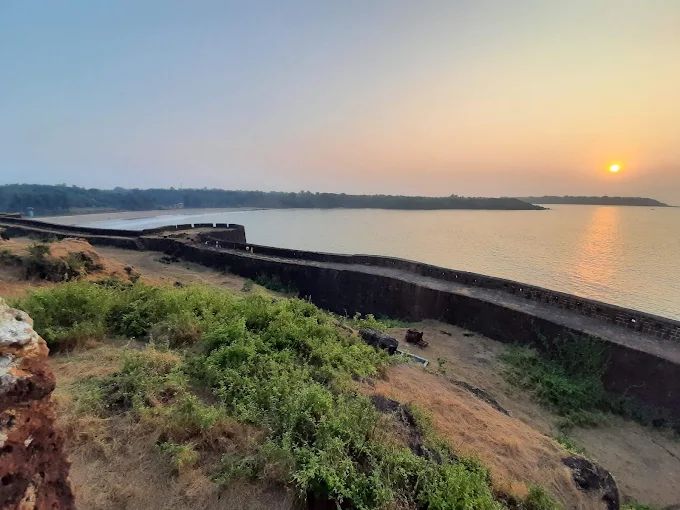
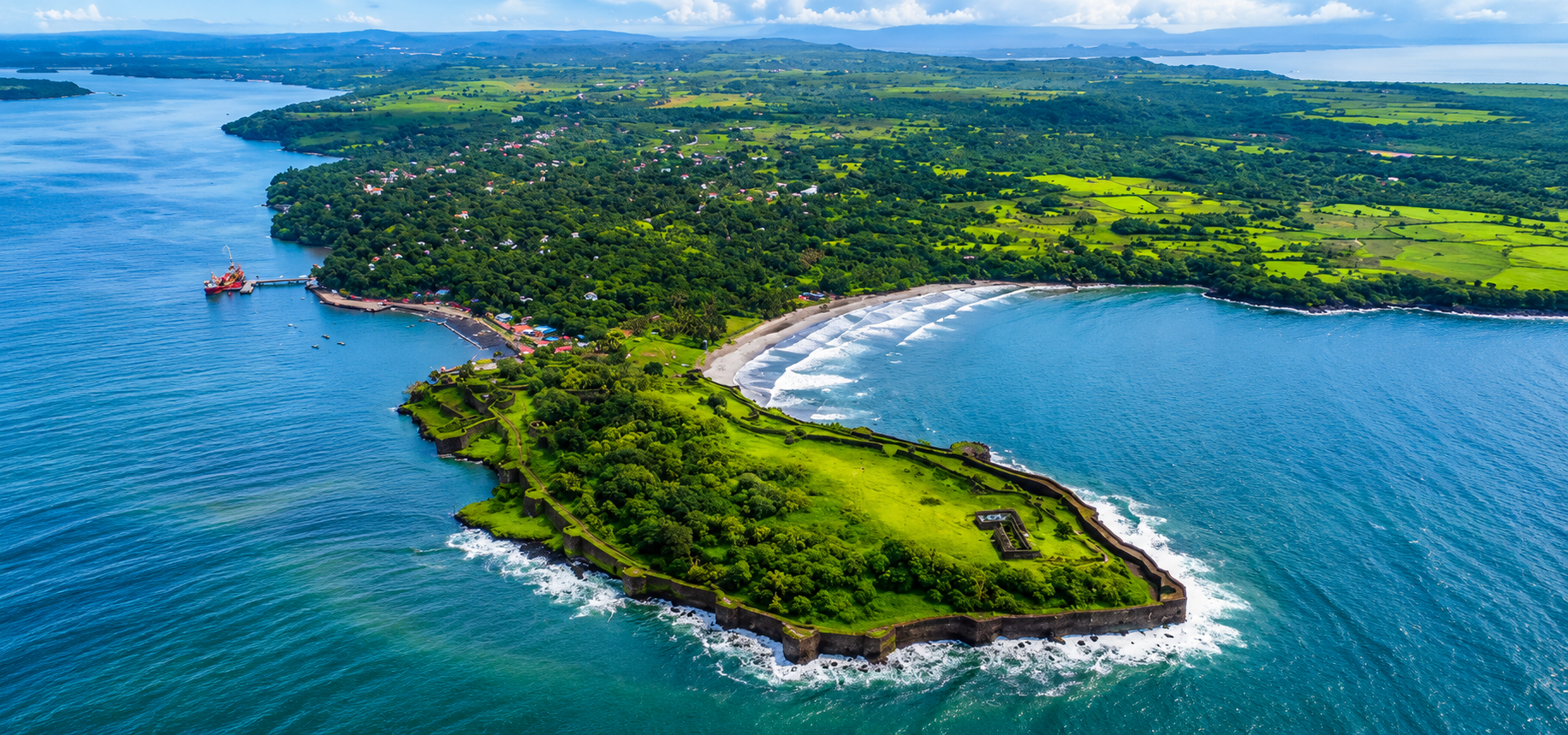
Vijaydurg Fort occupies a spectacular natural position in the southern part of the Konkan region in Maharashtra, India. It is situated on the tip of a narrow peninsula in the Devgad taluka of the Sindhudurg district. This majestic stronghold stands at the exact strategic point where the calm waters of the Vaghotan River flow smoothly into the vast Arabian Sea. Surrounded by water on three sides, its unique placement gives it the visual appearance of an island fortress while remaining securely anchored to the mainland.
The terrain of the peninsula is characterized by hard, deep-red laterite stone and dark volcanic basalt rock, which provide a naturally elevated and rock-solid foundation for the massive walls. The surrounding landscape features a mix of scenic, winding creeks, mangrove forests along the river banks, and rolling hills blanketed with dense Alphonso mango plantations. Falling into the tropical coastal climate zone, the region experiences warm, highly humid weather for most of the year. During the wet months, the area receives heavy monsoonal downpours that cause the river to swell beautifully and create dramatic waves that crash forcefully against the fort's ancient outer ramparts.
Culture & Local Lifestyles
To truly connect with the magic of Vijaydurg Fort, you need to step beyond its stone walls and explore the warm, slow-paced lifestyle of the surrounding Malvan region. The people here are deeply connected to the land and the sea, creating a rich coastal identity that welcomes travelers with open arms.
Traditions
The local culture here is heavily shaped by old maritime and farming traditions. For generations, the sea has been viewed not just as a resource, but as a living protector. A beautiful local tradition involves offering prayers and coconuts to the waters before setting sail, asking for safety and a good catch. There is also a deep sense of pride regarding Maratha history; locals speak of Chhatrapati Shivaji Maharaj with immense reverence, treating the fort's heritage as an active part of their personal identity.
Festivals
Life here bursts into vibrant colors during local festivals. The most spectacular celebration is Narali Purnima, marking the official end of the heavy monsoon season when fishing activities safely resume. Ganesh Utsav is another major cultural highlight, celebrated in almost every home with traditional folk songs, beautiful decorations, and authentic sweet treats like Ukadiche Modak. During these festivals, you can witness energetic local dance performances that tell stories of ancient sea journeys and village folklore.
Daily Life
The local lifestyle moves at a peaceful, relaxed pace. Most families in the surrounding villages divide their time between traditional fishing and tending to the world-famous Alphonso mango and cashew orchards that carpet the region. In the evenings, the village squares come alive as neighbors gather to chat near the docks. For travelers seeking genuine cultural experiences, simply sitting down at a local eatery, striking up a conversation with a resident, and enjoying a home-cooked meal is the perfect way to experience the true essence of Konkani hospitality.
Food and Local Cuisine
A journey to Vijaydurg Fort is incomplete without diving headfirst into the bold, fiery, and aromatic flavors of Malvani cuisine. Deeply influenced by the abundance of the Arabian Sea and the lush coconut groves of the Sindhudurg district, the local food scene here is an unforgettable treat for the senses.
Famous Dishes
Seafood dominates the traditional cuisine of the region, celebrated for its fresh catch and signature spice blends. The ultimate highlight is the Kombdi Vade—a classic combination of spicy, rich Malvani chicken curry served with fluffy, deep-fried multi-grain puris. Seafood lovers must try the authentic Malvani Fish Thali, showcasing freshly caught Surmai (Kingfish) or Bangda (Mackerel) coated in local spices and shallow-fried to crispy perfection. Every traditional meal is paired with Sol Kadhi, a refreshing, hot-pink digestive drink made from coconut milk and tangy kokum fruit. For vegetarians, the rich and aromatic Kaju Chi Aamti (spicy wet cashew curry) paired with soft rice flour flatbreads (Tandalachi Bhakri) offers a divine taste of the coast.
Street Food
The street food around the beach markets and transit centers is quick, rustic, and highly satisfying. You will find vendors serving piping-hot Chulivarcha Vada Pav (garlic-spiced potato fritters fried over a traditional mud stove) and crunchy Garam Usal Puri (a spicy sprout curry served with fried flatbreads). During the summer months, the streets are filled with stalls selling sweet, refreshing tender coconut water, tangy local kokum sodas, and heaps of world-famous, sun-ripened Devgad Alphonso mangoes.
Restaurants & Cafes
Finding the best food in Vijaydurg and the nearby Devgad area involves exploring cozy local dining halls (Khanavals). For a legendary seafood spread, Hotel Vasant Vijay is highly popular for its authentic, old-school Malvani preparation methods. If you are seeking excellent homely hospitality, Bhagyashri Hotel serves fantastic, fill-your-belly Konkani thalis cooked using traditional household recipes. For travelers looking for clean, authentic, and delicious pure vegetarian meals, Pushpa Pure Veg Restaurant in the regional transit market is a highly rated choice.
Accommodation
Planning your stay near Vijaydurg Fort is highly convenient, thanks to its direct connectivity to the mainland. While the immediate peninsula area features rustic options, the neighboring beach town of Devgad—just a short drive away—serves as the primary hub for a comfortable night's rest.
Budget Hotels
For backpackers and solo travelers tracking their expenses, the area right outside the fort and nearby local markets offers excellent options for a simple budget stay. These local lodges provide basic amenities, including clean bedding, attached bathrooms, and secure locking systems. Choosing a budget lodge here places you within walking distance of the fort gates, which is perfect for catching an early sunrise over the ramparts.
Mid-range Hotels
If you are looking for enhanced comfort at an affordable price point, the town of Devgad features excellent mid-range hotels in Vijaydurg's vicinity, such as Hotel Aaradhya Crown. These establishments offer well-maintained air-conditioned rooms, reliable room service, and dedicated travel desks. They balance price and comfort exceptionally well, making them a favorite choice for families and group travelers.
Luxury Resorts
Travelers seeking an upscale, peaceful experience can choose premium coastal properties and luxury resorts scattered along the scenic cliffs of Devgad and Kunkeshwar. Properties like Vedaa Holidays Resort or Sukhsagar Beach Resort feature gorgeous swimming pools, ocean-view balconies, and beautifully landscaped gardens. They provide a beautiful setting to unwind with a cold beverage after spending an afternoon walking across historic ruins.
Homestays
To immerse yourself deeply into Konkani culture, booking one of the traditional homestays in the local villages surrounding the fort is an absolute must. Local families open up their properties to offer cozy private rooms and lush backyard sit-outs. Staying at a homestay provides you with unmatched insider knowledge about secret viewpoints and rewards you with authentic, freshly cooked Malvani seafood delicacies.
Traveler Tip: To get the absolute best accommodation with a direct sea view, make your reservations ahead of time, especially if your trip coincides with the winter holidays or the summer Alphonso mango harvest season.
Budget/Cost Estimation
Planning a trip to Vijaydurg Fort is highly flexible and perfectly suited for budget travel. Since the fort is situated on a peninsula connected by road, you can easily bypass expensive boat transfers and curate an incredibly cost-effective itinerary based on your financial planning.
To help you calculate your estimated expenses, here is a breakdown of the typical 2-day / 1-night costs per person in a clear, point-by-point format:
- Transport Costs:
- Budget: ₹700 – ₹1,200 (Opting for state transport MSRTC buses or a Konkan Railway train ticket coupled with local shared auto-rickshaws).
- Mid-Range: ₹2,000 – ₹3,500 (Covering fuel expenses for a personal road trip or booking an AC sleeper bus ticket).
- Luxury: ₹5,000+ (Hiring a private outstation AC cab with dedicated pick-up and drop-off services from Mumbai or Pune).
- Food & Meal Costs:
- Budget: ₹500 – ₹800 (Snacking on local street food like Vada Pav and eating traditional vegetarian or fish thalis at local roadside stalls).
- Mid-Range: ₹1,200 – ₹2,200 (Enjoying rich Malvani fish thalis, iconic Kombdi Vade dinners, and dining at popular family restaurants).
- Luxury: ₹3,000+ (Indulging in multi-cuisine menus and fine dining experiences inside premium coastal resorts).
- Accommodation / Stay Costs:
- Budget: ₹800 – ₹1,500 per night (Resting at a basic non-AC lodge or choosing a minimalist village budget stay).
- Mid-Range: ₹2,000 – ₹3,500 per night (Booking a standard AC hotel room with modern comforts or a cozy private homestay).
- Luxury: ₹5,500+ per night (Relaxing at premium cliffside luxury resorts featuring ocean views and swimming pools).
- Activities & Sightseeing:
- Budget: ₹150 – ₹300 (Paying the nominal ASI entry ticket fee for the fort, parking costs, and basic self-guided walking).
- Mid-Range: ₹600 – ₹1,200 (Hiring an authorized local tour guide at the gates to learn the fort's secrets, plus exploring nearby Devgad beach).
- Luxury: ₹2,000+ (Adding premium beach water sports, adventure activities, and private customized orchard tours).
Summary: A solo backpacker prioritizing affordable travel can manage this getaway for a total trip budget of ₹2,150 to ₹3,800. Travelers seeking standard comforts should expect a total travel cost of ₹5,800 to ₹10,400 for a thoroughly enjoyable, stress-free weekend
Frequently Asked Questions
Popular Activities
Video and Photo Gallery
Related Stories
Traveller Reviews
No reviews yet
Be the first to share your experience!