Introduction
Bhushi Dam is a striking, iconic water reservoir nestled in the scenic hill station of Lonavala, Maharashtra, positioned along the bustling Indrayani River. This popular masonry dam has earned legendary status across the region as the ultimate monsoon hotspot. It draws thousands of urban travelers eager to witness its spectacular water overflows. It serves as the definitive weekend escape for friends, families, and road-trippers looking to break away from city routines and dive straight into nature's energetic water features.
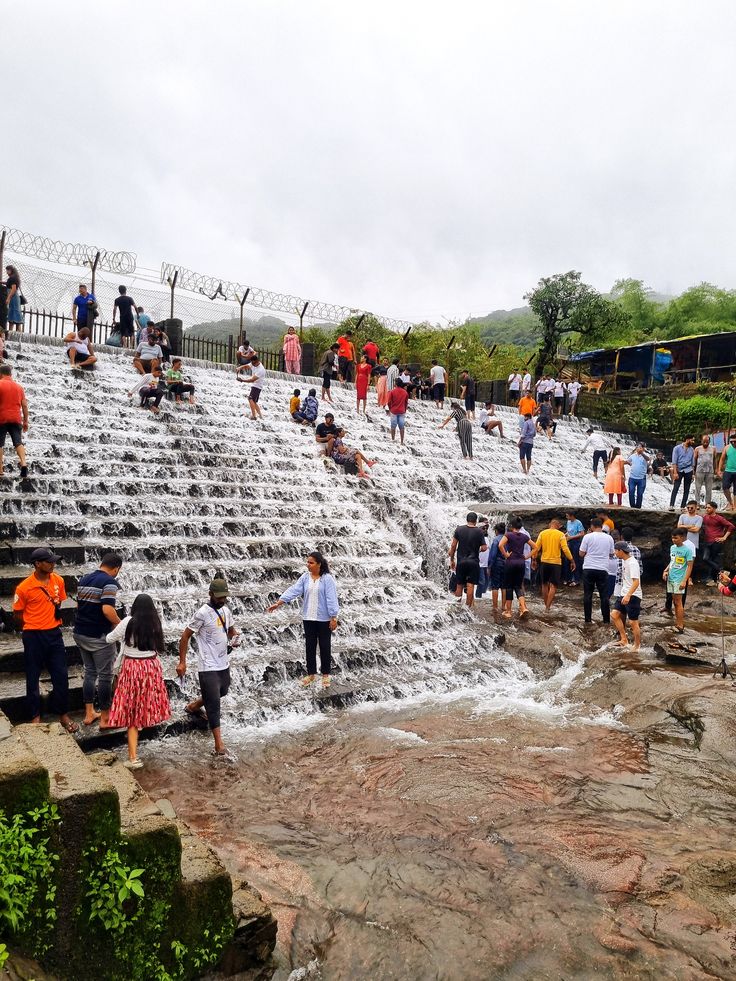
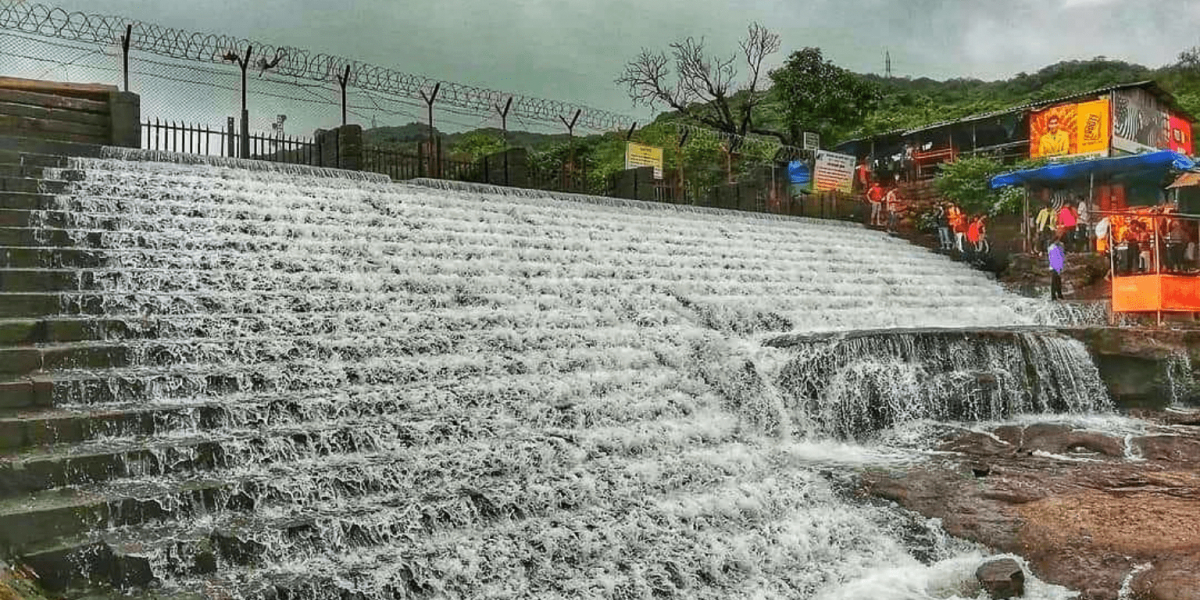
A visit here offers a lively, highly sensory experience that is all about letting loose and embracing the raw energy of the rains. The highlight of any trip is sitting on the stone steps as clear, cold water cascades over them like a natural water slide, surrounded by misty green hills and the aroma of roasted corn. It is the perfect destination if you want to splash in safe shallows, capture dynamic monsoon aesthetics, or simply feel the exhilarating rush of mountain water beneath your feet.
History
While Bhushi Dam is celebrated today as a high-energy weekend paradise, its origins are rooted in a fascinating era of industrial grit. The reservoir was constructed in the late 1860s by the Great Indian Peninsula Railway to solve a highly critical infrastructure problem: powering the massive steam locomotives that conquered the treacherous, steep inclines of the Bhor Ghat mountain pass.
Driving the Indian Railways
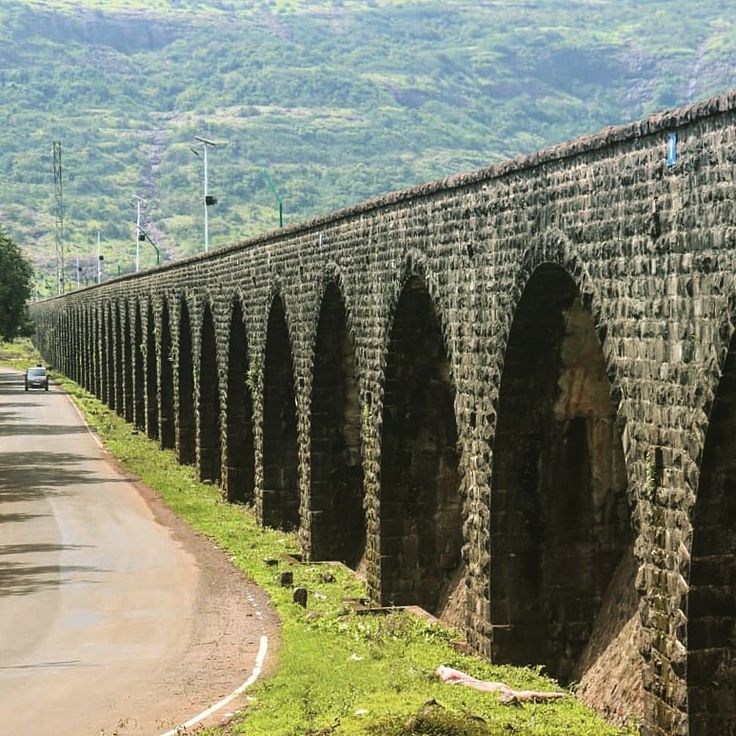
Before electric grids grids took over, steam engines required immense volumes of soft water to generate the pressure needed to haul heavy cargo and passengers up from Mumbai. The British engineers recognized Lonavala’s phenomenal rainfall patterns and built this sturdy masonry dam to harvest the mountain run-off. Water from this pristine reservoir was piped directly to the nearby Lonavala Railway Station, acting as the lifeblood for the expanding rail network that structurally linked the coast to the Deccan plateau.
The Modern Transformation
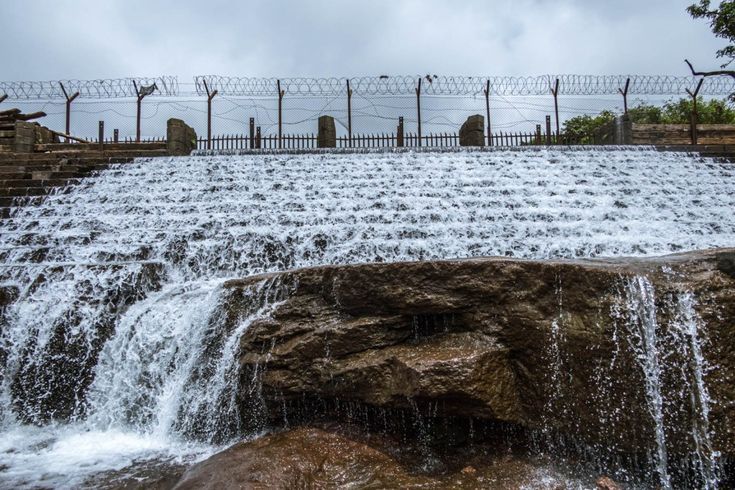
As the railways transitioned into modern electrification, the dam’s industrial purpose naturally faded, allowing its unique architecture to take center stage. Built out of heavy basalt stone blocks, the dam features a distinctive, wide-set staircase design. When the monsoon rains overfill the reservoir, the water gently spills over these steps, creating a natural, terraced waterfall. This brilliant piece of 19th-century utility engineering has seamlessly transformed into a beloved cultural landmark, where generations of travelers still gather to celebrate the pure joy of the Indian monsoon.
Climate & Weather
Picking the ideal season to visit Lonavala entirely shapes your experience at the dam. Because this reservoir relies completely on seasonal rainfall, timing your trip correctly ensures you catch the scenery at its absolute peak.
Summer (March to May)
Summer brings warm days, with the weather in Bhushi Dam turning quite dry. During these months, the reservoir dries up completely, leaving the famous stone steps completely bare. While it is a decent time for a quiet mountain drive or exploring nearby caves, it is generally considered a bad travel period if your main goal is to see the water features.
Monsoon (June to September)
This is the ultimate, undisputed peak tourist season. Heavy tropical downpours fill the reservoir to the brim, triggering the legendary staircase overflows. The entire landscape transforms into a misty, emerald paradise. If you love high-energy crowds, vibrant monsoon travel vibes, and splashing in rushing mountain water, this is the absolute best time to visit.
Winter (October to February)
Winter ushers in a beautifully pleasant, crisp highland climate. While the dramatic water overflows dry up shortly after October, the surrounding valleys remain lush and wrapped in morning fog. It is a fantastic window for trekking, camping under the stars, and enjoying comfortable sightseeing without the massive monsoon crowds.
Transportation
Please select a transportation mode to view details
Facilities
Bhushi Dam balances its raw, roaring natural energy with a bustling, highly accessible street-side ecosystem. Because the dam sits in a rugged mountain setting, the layout is designed for casual, high-energy day trips rather than commercial luxury.
Here is what you will find on the ground to keep your monsoon adventure seamless:
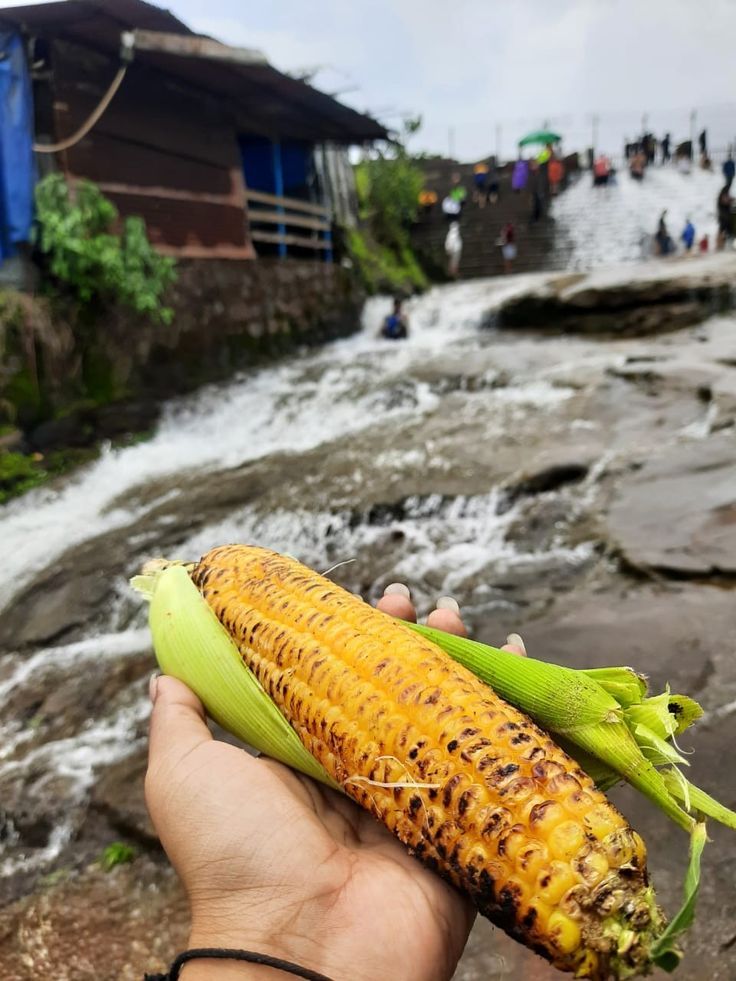
- The Local Food Lane: The approach to the dam is a culinary experience in itself. A vibrant lineup of stalls serves up the ultimate rainy-day comfort food—think piping hot Misal Pav, steaming plates of Kanda Bhajji (onion fritters), and freshly roasted corn on the cob seasoned with lime and chili.
- Adventure Gear Pitstops: Forget your extra clothes or footwear? The local market stalls have you covered. Vendors line the pathways selling budget-friendly rubber slippers, waterproof mobile pouches, and quick-dry changes of clothing so you can dive into the water stress-free.
- Safety & Security Infrastructure: Given the massive popularity of the overflow steps, local authorities and lifeguards are heavily deployed during peak monsoon weekends. Safety barricades and warning signs delineate safe splashing zones from deep reservoir currents.
- Essential Conveniences: Paid parking grids are available along the approach road, alongside basic washroom and changing facilities run by local stall owners. Traveler tip: Carry pocket cash, as heavy fog and mountain terrain can occasionally cause local digital network lines to glitch!
Geographical Information
Bhushi Dam is spectacularly positioned in the heart of the Western Ghats, an internationally recognized biodiversity hotspot running along the western coast of Maharashtra. Located approximately 5 kilometers from the main Lonavala central market, this mountain reservoir sits perfectly between the metropolitan hubs of Mumbai and Pune. The dam serves as a natural gateway to nearby wilderness landmarks, including the rugged, historic heights of Rajmachi Fort and the sweeping panoramic vistas of Tiger’s Point, making it a crucial focal point within the local hill topography.
The surrounding terrain is defined by dramatic, stepped volcanic rock formations, deep valleys, and sharp clifftops that characterize the classic Deccan plateau edge. The landscape comes alive with seasonal waterfalls and rushing creeks carved directly into the dark basalt stone. Situated in a subtropical highland climate zone, the region experiences mild, breezy winters and pleasant summers. However, its most defining geographical characteristic is the intense, heavy monsoon cycle, which transforms the rugged mountain landscape into a lush, misty cloud forest and fills the reservoir to its brilliant overflow point.
Culture & Local Lifestyles
The cultural canvas around Bhushi Dam is a fascinating intersection of quiet, ancestral mountain heritage and the high-energy pulse of modern tourism. While the reservoir itself operates as a vibrant weekend playground, it is deeply anchored in a region that takes immense pride in its distinct highland traditions and community-first way of living.
Traditions
The foundation of the local culture is intricately tied to the Ghatmatha (hilltop) lifestyle of the Western Ghats. For generations, the resident communities have maintained deep-rooted traditions centered around agro-forestry and a profound respect for the seasonal shifts of the mountains. Travelers seeking authentic cultural experiences can look past the commercial stalls to see this heritage alive in local culinary practices—such as the meticulous, stone-ground preparation of chikki (the region's iconic jaggery-and-nut sweet) or the smoking of seasonal corn over open coal braziers.
Festivals
Life in the hills is punctuated by vibrant festivals that beautifully showcase the town's artistic and spiritual soul. Ganesh Chaturthi is celebrated with incredible warmth, transforming quiet mountain hamlets into spaces filled with traditional folk rhythms and community feasts. However, it is the arrival of the monsoon that triggers a unique cultural celebration of its own. The local community welcomes the rains not merely as weather, but as a life-giving force, creating a festive, welcoming atmosphere where travelers are instantly integrated into the celebratory spirit of the season.
Daily Life
The local lifestyle in Lonavala beautifully demonstrates adaptability. During the quiet weekdays, life moves at a gentle, deliberate pace focused on tending to local businesses, navigating misty forest trails, and maintaining a slow-living charm. When the weekend rolls in, the community masterfully shifts gears to welcome waves of urban travelers with genuine Maharashtrian hospitality. It is this unique, dual-paced daily rhythm that gives the area its irresistible charm, inviting visitors to step away from the corporate grind and match their heartbeat to the rejuvenating energy of the mountains.
Food and Local Cuisine
An adventure to Lonavala is never truly complete without diving into its vibrant culinary landscape. The local food scene here is an absolute sensory treat, perfectly engineered to complement the crisp, misty mountain air and the chilly splashes of the reservoir.
Famous Dishes
When it comes to famous dishes, the region is globally celebrated for Lonavala Chikki—a magnificent, crunchy sweet crafted from golden jaggery and premium nuts. Tasting this sweet treat right in its birthplace is an essential part of local food tourism. For a savory encounter with traditional cuisine, nothing beats a comforting plate of Pithla Bhakri. This rustic Maharashtrian staple pairs a spiced, velvety gram-flour curry with hot, hand-patted sorghum flatbreads, offering the ultimate post-swim nourishment.
Street Food
The bustling pathways leading right up to the reservoir host a legendary street food ecosystem that serves as the heartbeat of the destination. As the mountain fog rolls in, crowds naturally gather around open-air stalls to feast on Kanda Bhajji—deep-fried, super-crispy onion fritters served straight from bubbling cauldrons. Watching vendors roast fresh corn on the cob (Bhutti) over red-hot coals, brushing them with tangy lemon juice and fiery chili powder, is a quintessential rainy-day experience that elevates any traveler's journey.
Restaurants & Cafes
To unlock the best food in Bhushi Dam and its surrounding paths, you can seamlessly transition from nostalgic local eateries to sleek, modern highway stops. The main road features multi-generational institutions like Cooper’s Fudge and premium Maganlal outlets, perfect for packing up authentic travel treats. Meanwhile, the surrounding Lonavala landscape is packed with trendy garden restaurants and upscale highway cafes where you can unwind with steaming mugs of masala chai, comforting south Indian platters, or gourmet fusion small plates while taking in the gorgeous mountain vistas.
Accommodation
Locking in the best accommodation near Bhushi Dam comes down to mapping out your perfect mountain vibe. Because the dam sits just a short, scenic drive from Lonavala’s main transit hub, choosing a base along the Bhushi-Sahyadri corridor grants you exceptional location convenience, letting you beat the peak weekend traffic rush to the water.
From mist-covered valley retreats to cozy town-center rooms, the local hospitality scene is highly versatile. Here is how the categories shape up to support your booking decisions:
Budget Hotels
Travelers keeping an eye on their wallets can easily secure an affordable budget stay clustered near the Lonavala railway station or along the old highway line. These hotels in Lonavala strip away unnecessary fluff while focusing entirely on the trusted essentials—sparkling clean linens, hot water for a post-swim thaw, steady Wi-Fi, and quick access to local transport. They serve as an excellent, highly practical base for backpackers and road-trippers who plan to spend their daylight hours out exploring.
Mid-range Hotels
For a well-optimized balance of comfort and value, the region’s mid-range hotels are incredibly attractive. Located along the winding mountain road leading up to the dam, these properties frequently treat guests to beautiful valley views, manicured garden setups, and refreshing swimming pools. It is a fantastic category for families and friend groups looking for standard hotel conveniences, spacious layouts, and on-site dining without paying a premium.
Luxury Resorts
If your goal is to fully indulge, the hills surrounding the reservoir host some of the most stunning luxury resorts and design-forward estates in Maharashtra. Hidden inside secluded valleys or perched on dramatic clifftops, these premium properties offer an immersive world-class escape. Guests can enjoy private plunge pools, indulgent wellness spas, and curated farm-to-table dining, making them ultimate sanctuaries designed for completely unplugging in style.
Homestays
To capture a more intimate, humanized slice of life in the Western Ghats, checking into local homestays is an exceptional choice. Tucked inside quiet, emerald-green lanes, these stays range from rustic heritage cottages to stylish modern villas. Staying here gives you a front-row seat to authentic mountain hospitality, complete with insider trekking tips from your hosts and incredible, home-cooked Maharashtrian meals that you simply cannot replicate in a commercial dining room.
Budget/Cost Estimation
Planning your financial blueprint for a mountain getaway is incredibly simple, as Lonavala offers phenomenal flexibility across all spending tiers. Mapping out your estimated expenses in advance ensures seamless trip preparation, whether you are organizing a quick, affordable travel weekend with friends or checking into an elite luxury estate in the hills.
Your overall travel cost is largely determined by how you choose to navigate the ghats and where you decide to rest your head. To maximize transparency and support your financial planning, here is how a realistic trip budget breaks down across different travel styles:
- Budget Travel Tier (₹1,200 – ₹2,000 per day)
- Transport: Taking the local central railway train to Lonavala station + hopping onto shared auto-rickshaws or walking to nearby spots.
- Food: Indulging in street-side piping hot kanda bhajji, sweet roasted corn on the cob, and casual meals at local town-center dhabas.
- Stay: Minimalist budget hotels, pocket-friendly guesthays, or backpacker hostels located near the transit hubs.
- Activities: Splashing in the public dam overflows, exploring the historic Bhaja caves, and soaking in the mountain views for free.
- Mid-Range Tier (₹3,500 – ₹6,000 per day)
- Transport: Driving your own car up the old highway or renting a local scooter to zip past peak weekend traffic.
- Food: Dining at popular multi-generational thali restaurants, checking out highway dhabas, and grabbing afternoon milkshakes and chikki boxes.
- Stay: Comfortable mid-range hotels, cozy homestays, or boutique garden properties featuring beautiful valley views.
- Activities: Trying out entry-level adventure sports at local parks, shopping for artisanal treats, and taking guided tours of nearby forts.
- Premium / Luxury Tier (₹10,000 – ₹22,000+ per day)
- Transport: Cruising up the Mumbai-Pune Expressway in a private luxury cab or premium SUV + fuel and toll expenses.
- Food: Fine-dining experiences at upscale hilltop resorts, curated multi-cuisine buffet spreads, and artisanal coffee at trendy highway cafes.
- Stay: High-end luxury resorts, private pool villas, or architectural estate rentals wrapped in the mountain mist.
- Activities: All-inclusive passes at premium adventure theme parks, personalized wellness spa therapies, and private villa barbecues under the stars.
Frequently Asked Questions
Popular Activities
Video and Photo Gallery
Related Stories
Traveller Reviews
No reviews yet
Be the first to share your experience!