Introduction
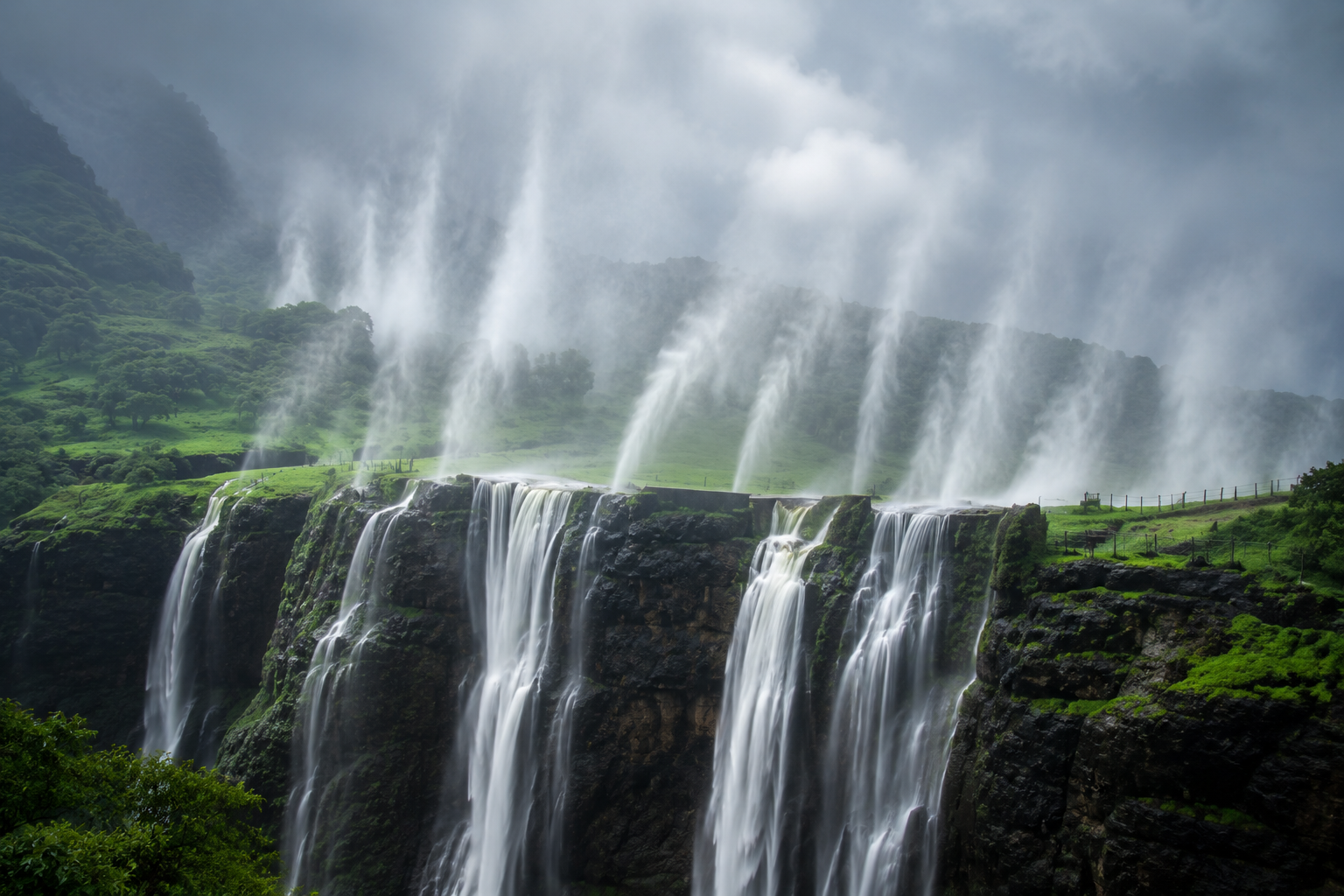
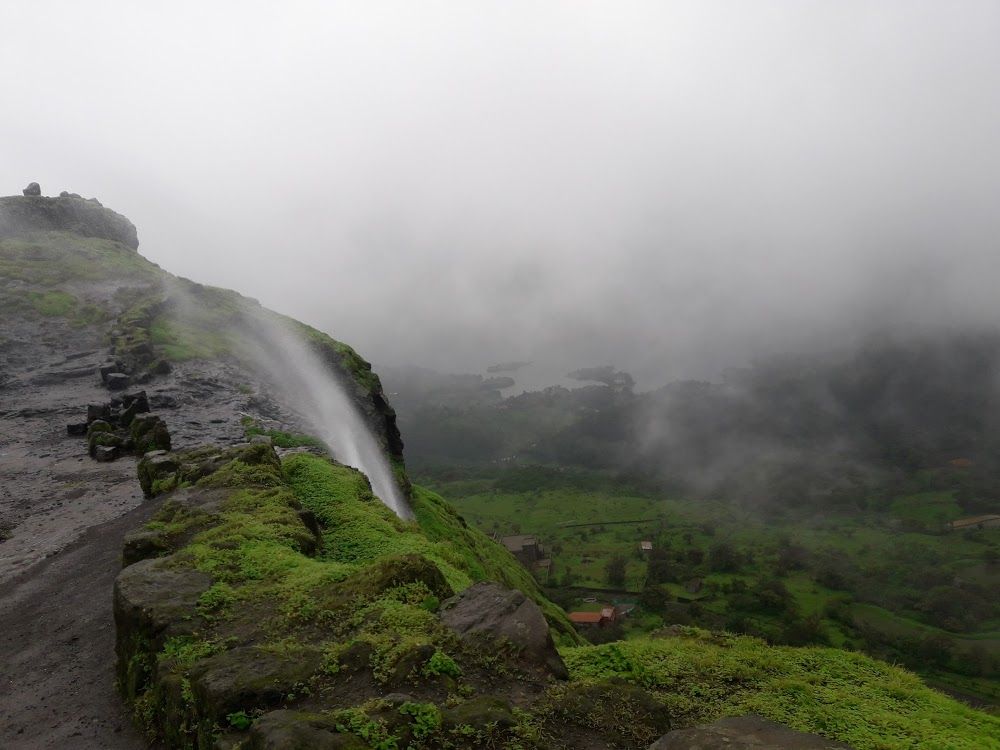
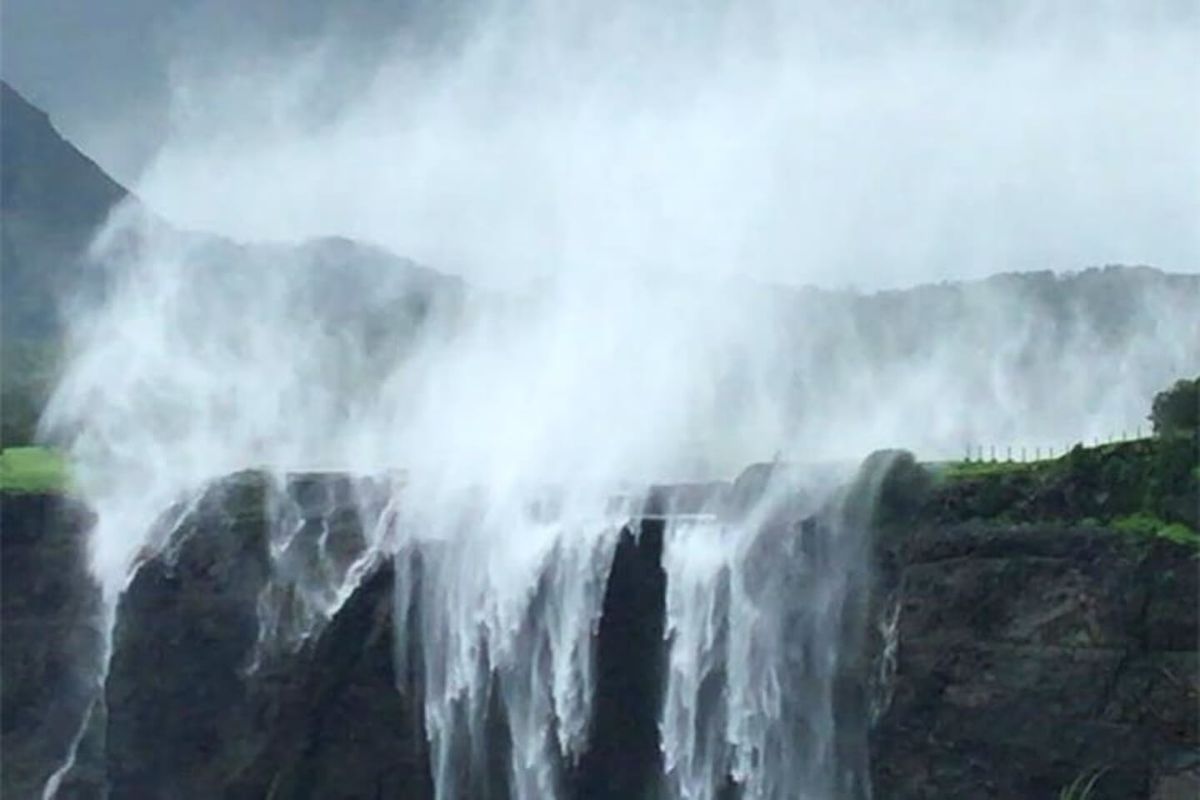
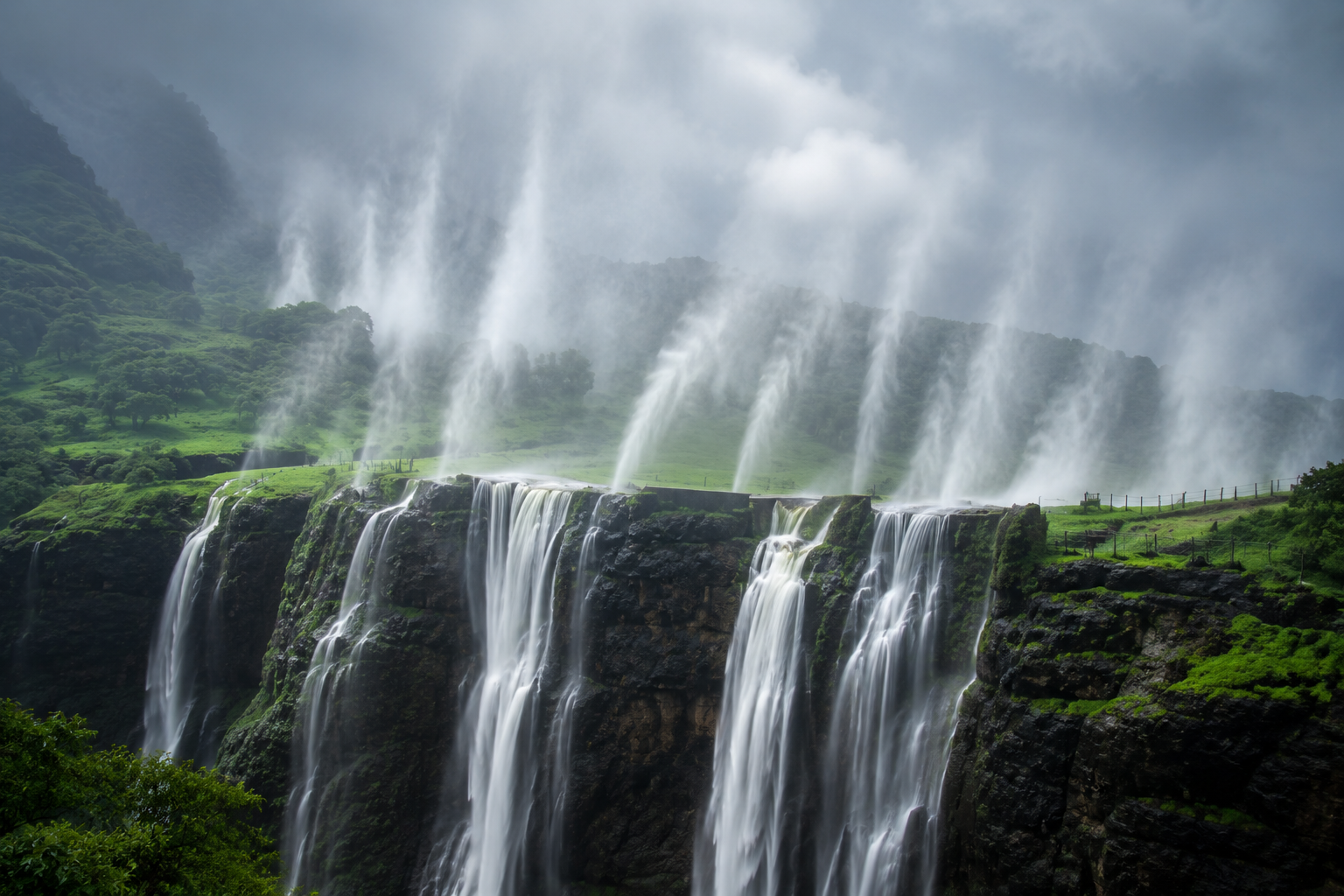
Located near the historic Lohagad Fort in Lonavala, the Reverse Waterfall is one of the coolest sights you can see during the monsoon season. Situated just a short drive from Mumbai and Pune, this spot is famous for a unique trick: it looks like it defies gravity. Strong winds blowing through the mountains push the falling water right back up, creating a beautiful, wet mist that flies into the sky instead of falling down into the valley.
Visiting this spot gives you a fun and refreshing experience where you get soaked by a cloud of upward-flying water. The entire area turns into a beautiful view of bright green hills, deep valleys, and low clouds. It is a perfect weekend getaway for nature lovers, photographers, and anyone who loves a good road trip. Standing on the breezy cliff side and feeling the wind push the water back up is a great break from busy city life.
History
Tucked away in the beautiful hills of Lonavala, the Reverse Waterfall at Lion’s Point is a natural wonder that feels like pure magic. While old monuments tell their stories through ancient stones, this breathtaking spot creates history every single year during the monsoon season.
For generations, local villagers in the Western Ghats watched this incredible phenomenon with absolute awe. To them, it felt like a mystical place where nature decided to break its own rules.
But what is the actual secret behind it? It all comes down to the unique shape of the mountain. Lion’s Point features a very sharp, steep cliff that drops into a deep valley. During the heavy monsoon rains, incredibly strong winds rush into this gorge. Because the valley narrows, the wind has nowhere to go but straight up. When streams of water try to flow over the edge of the cliff, these powerful upward winds blast the water right back into the sky.
For a long time, this was a hidden gem known only to local herders and adventurous trekkers. However, with the rise of travel bloggers and social media, Lion’s Point quickly transformed from a quiet mountain pass into a viral, must-visit hotspot.
Today, travelers from all over the world visit to see gravity-defying physics happen in real life. It is a beautiful reminder that nature doesn't always follow the rules—and that is exactly what makes it so historic.
Climate & Weather
Planning your escape to the spectacular Reverse Waterfall at Lion’s Point? Timing is everything if you want to catch this gravity-defying wonder in its prime. Here is your ultimate seasonal playbook to lock in the perfect trip.
Summer (March to May)
Summer turns the landscape golden, but the famous waterfall goes completely dry. While the evenings offer a cool mountain breeze, this is not the ideal season if you are chasing waterfalls. Skip this period unless you just want a quiet, crowd-free sunset drive.
Monsoon (June to September)
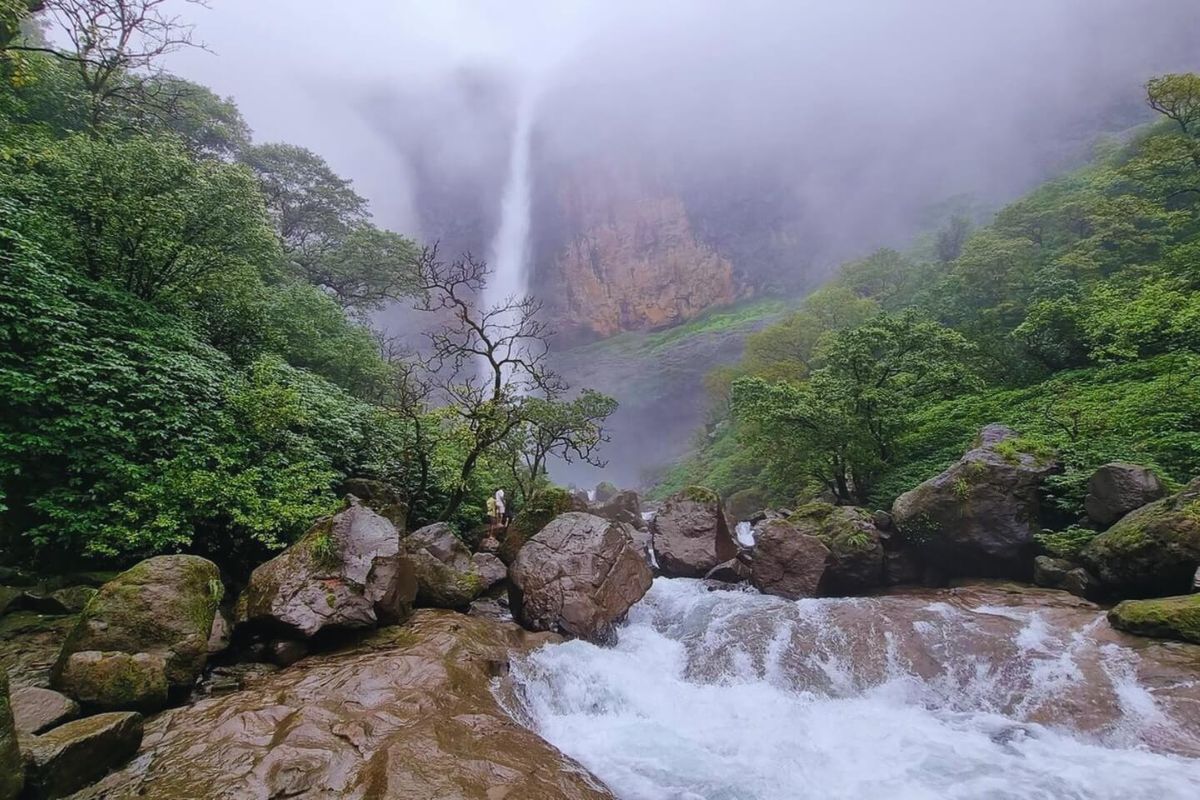
This is the absolute best time to visit for the ultimate bucket-list experience. The monsoon travel season transforms Lonavala into a lush, mist-covered paradise. Heavy rains unleash the streams, while roaring winds force the water to flow upward. If you want to experience the true magic of the reverse waterfall, this is your peak tourist season.
Winter (October to February)
As the rains recede, winter ushers in pleasant, crisp weather in Lonavala. The waterfall transitions back to a normal downward flow and eventually thins out. However, it remains a fantastic ideal season for misty morning treks, panoramic valley views, and cozy night camping.
Transportation
Please select a transportation mode to view details
Facilities
Chasing the majestic Reverse Waterfall at Lion’s Point is a raw, immersive nature experience, which means the infrastructure leans more toward rustic charm than high-end luxury. To help you plan your day seamlessly, here is a breakdown of what to expect on the ground.
- Local Food Stalls & Snacks: While you won't find fine dining here, the local culinary scene is an absolute vibe. The cliffside is dotted with small stalls serving up piping hot garam chai, Maggi, roasted sweet corn (bhutta), and crispy kanda bhajias (onion fritters)—perfect pairings for the misty, wind-blown weather.
- Parking Infrastructure: Paid parking areas are available relatively close to the main viewpoint. Because the terrain is a bit rocky and uneven, it can get chaotic during peak weekend monsoons. Arriving early ensures a smoother parking experience.
- Safety Features: Given the incredibly powerful updrafts and steep drops, safety railings are installed along the primary cliff edge. Always stay behind these barriers, especially when the heavy fog rolls in and reduces visibility.
- Restrooms & Medical Facilities: Public washrooms are highly limited and basic. For cleaner, fully equipped restrooms and medical facilities, it is best to stop at the cafes and petrol pumps located along the main highway before ascending the point.
- Fun & Entertainment: For families traveling with kids, local handlers often offer short, fun camel and horse rides right near the entrance area.
Geographical Information
The famous Reverse Waterfall is located at Lion’s Point, a beautiful mountain viewpoint in Lonavala, Maharashtra. It sits right in the middle of the Western Ghats, an ancient range of hills. This spot is perfectly placed between two big cities, Mumbai and Pune, making it very easy for travelers to visit for a quick weekend trip.
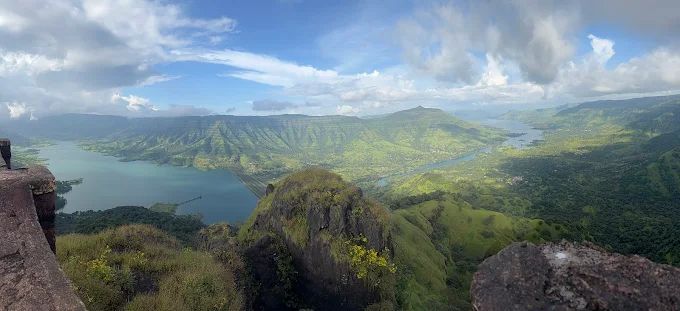
The landscape here is made of huge, steep cliffs and super deep valleys. The climate is tropical, which means it stays warm for most of the year but gets massive amounts of rainfall during the monsoon season. This heavy rain completely changes the area from dry, brown hills into a lush, bright green paradise.
What makes this specific spot so special is the shape of the land. The deep valley acts like a giant funnel. When strong winds blow across the plains, they hit the flat mountain wall and have nowhere to go but straight up into the air. This powerful natural wind tunnel is surrounded by other famous local landmarks, including the popular Bhushi Dam and Shivling Point, making the entire area a beautiful mix of misty peaks, high cliffs, and rushing streams.
Culture & Local Lifestyles
Traditions
The local culture surrounding Lohagad is deeply rooted in its legacy as a strategic Maratha stronghold. The residents of Lohagadwadi, the village tucked right at the fort’s base, view themselves as the living custodians of Chhatrapati Shivaji Maharaj’s history. Generations-old oral traditions come alive here as village elders pass down folklore of historic battles to trekkers over hot cups of chai. This proud heritage fosters a community mindset of fierce hospitality and deep respect for the rugged terrain.
Festivals
While the monsoon brings a surge of eco-tourism, the cultural heartbeat of the region aligns with traditional Maharashtrian festivals. Ganesh Chaturthi and Shiv Jayanti (the birth anniversary of Chhatrapati Shivaji Maharaj) transform these quiet mountain hamlets into centers of intense celebration. Dhol-tasha drums echo through the valleys, and traditional folk dances unite the community. For travelers lucky enough to visit during these times, it offers unparalleled cultural experiences, showcasing a community that celebrates its identity with unmatched energy.
Daily Life
The local lifestyle is beautifully adaptive, shifting seamlessly between agrarian stillness and monsoon hospitality. In the dry months, daily life centers on terrace farming and cultivating rice on the lower slopes. However, when the heavy rains arrive and the reverse waterfall activates, the village pivots.
Locals set up rustic food stalls along the fort's ancient stone steps, cooking traditional comfort foods over chulhas (wood-fired mud stoves). Sharing a plate of smoky pithla-bhakri or crispy kanda bhajji prepared by a local family bridges the gap between tourist and resident, offering a glimpse into a resilient lifestyle shaped by the mountains.
Food and Local Cuisine
Famouse Dishes
The crown jewel of traditional cuisine around the Lohagad foothills is Pithla Bhakri. Pithla is a thick, velvety gram-flour (besan) curry infused with mustard seeds, green chilies, and garlic. It is paired with Bhakri, a rustic, unleavened flatbread handmade from sorghum (jowar) or pearl millet (bajra). Cooked over traditional wood-fired mud stoves (chulhas), it carries a distinct smoky aroma. This wholesome meal is traditionally accompanied by Thecha—a fiercely spicy, coarsely pounded relish made from green chilies, garlic, and peanuts that instantly cuts through the mountain chill.
Street Food
As you navigate the misty trails, the intoxicating aroma of sizzling street food becomes impossible to ignore. The ultimate monsoon companion here is Kanda Bhajji (crispy onion fritters). Prepared by slicing onions thin, tossing them in spiced chickpea batter, and deep-frying them to a golden crunch, they are served piping hot alongside a fried green chili. Pair this with a steaming cup of ginger-infused cutting chai or a fiery Misal Pav—a sprouted moth bean curry topped with crunchy farsan—for the ultimate fuel-up while watching the waterfall spray upward.
Restaurants & Cafes
To experience the best food in Lohagad, bypass standard tourist menus and look for the humble, family-run khanavals (local eateries) and rustic dhabas operating out of Lohagadwadi village at the base. These home-style setups offer authentic Maharashtrian thalis that change daily based on seasonal ingredients. If you are looking for a sit-down meal on the drive back toward Lonavala, iconic spots like Kinara Village Dhaba offer a broader look at regional specialties, balancing vibrant rural atmospheres with comfort.
Accommodation
Finding the perfect place to rest after a day of chasing mist and wind-blown waterfalls is a breeze. Because the Reverse Waterfall at Lion’s Point is located just a short drive from central Lonavala, you have access to an incredible variety of places to stay. Whether you want to splurge on a private villa or keep things budget-friendly, the local hospitality scene has something for every type of traveler.
Budget Hotels
If you are traveling with friends or saving your coins for experiences, Lonavala offers plenty of pockets of affordable comfort. Budget stay options are mostly clustered around the Lonavala town center and near the railway station. These spots offer clean, no-frills rooms, reliable Wi-Fi, and quick access to local transport, making your daily commute up to Lion's Point incredibly simple.
Mid-range Hotels
For travelers seeking a sweet spot between comfort and cost, the mid-range hotels in Lonavala deliver excellent value. Often located along the scenic roads leading up to the viewpoints, these properties feature great amenities like swimming pools, in-house multi-cuisine restaurants, and beautiful balcony views of the foggy valleys without breaking the bank.
Luxury Resorts
If your idea of a vacation involves absolute indulgence, the region boasts world-class luxury resorts and premium villas. Nestled deeper into the hills near Aamby Valley, these properties offer private plunge pools, rejuvenating spa therapies, and fine dining. Waking up to panoramic views of cloud-kissed peaks is the ultimate way to experience the Sahyadri ranges.
Homestays
For a more humanized, authentic touch, cozy homestays and rustic mountain cabins are scattered throughout the nearby villages. Booking a homestay allows you to experience warm local hospitality, enjoy home-cooked Maharashtrian meals, and enjoy a peaceful, quiet vibe far away from the usual tourist crowds.
Budget/Cost Estimation
1. Total Estimated Budget
- DIY (Public Transport): ₹400 – ₹800 per person.
- DIY (Self-Drive Bike/Car): ₹500 – ₹1,000 per person (shared cost).
- Organized Trekking Group: ₹700 – ₹1,500 per person (includes guide, travel, and meals).
2. Expense Breakdown (Per Person)
- Train Fare: ₹30 – ₹150 (Local train from Pune to Malavli, or Mumbai to Lonavala, then a local to Malavli).
- Local Shared Cabs: ₹100 – ₹200 (Shared Eeco/Jeep from Malavli Station to Lohagadwadi base village and back).
- Entry Fee: ₹25 (ASI entry ticket for the fort).
- Food & Water: ₹150 – ₹300 (Local breakfast like Poha/Misal, and a traditional Maharashtrian Thali at the base).
- Fuel & Tolls (If driving): ₹300 – ₹500 for bikes; ₹1,200 – ₹1,800 for cars (total cost to be split among your group).
3. Cost-Saving Tips
- Trek from the Station: Walk the scenic 5–6 km route from Malavli Station to the base village instead of taking a cab to save ₹200.
- BYO (Bring Your Own): Carry your own snacks, rain poncho, and water bottle to avoid paying premium tourist prices at the fort.
- Travel in a Group: Splitting car fuel, tolls, or a full private Jeep from Malavli station drastically reduces individual costs.
Frequently Asked Questions
Popular Activities
Video and Photo Gallery
Related Stories
Traveller Reviews
No reviews yet
Be the first to share your experience!