Introduction
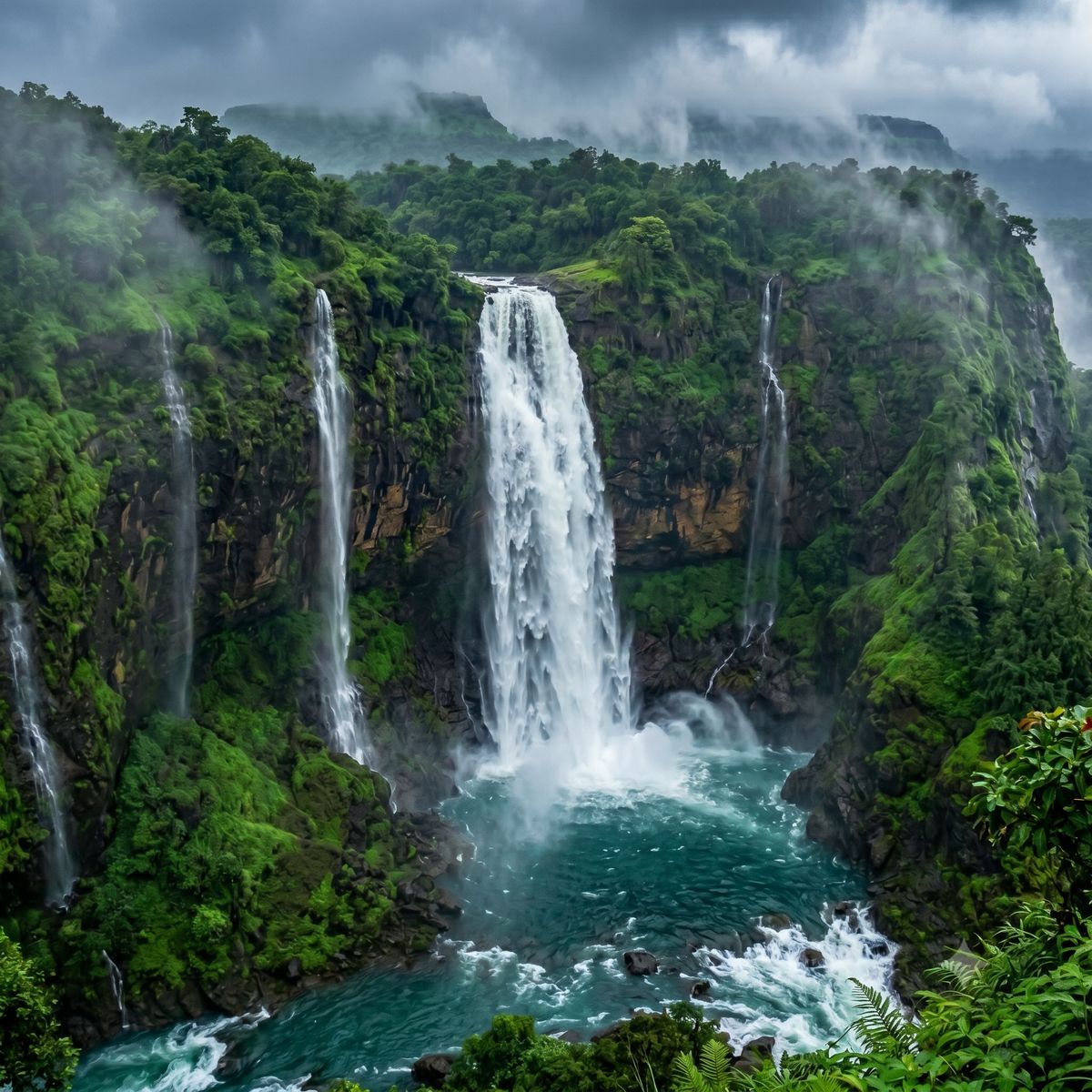
Hidden deep within the Sahyadri mountains, Dugarwadi Waterfall is celebrated as a stunning natural wonder in Maharashtra. Located near Sapgon village, this hidden treasure sits roughly 10 kilometres from the historic town of Trimbakeshwar and 30 kilometres from Nashik city. The site has gained massive popularity among adventure seekers due to its dramatic 750-foot plunge, where massive volumes of milky-white water crash down a steep rock cliff into a misty gorge below.
Visiting Dugarwadi offers an immersive journey into raw, uncommercialized wilderness. The entire experience is defined by a scenic 1.5-kilometre trek through dense tropical forests and sweeping green valleys. Stepping away from urban crowds to witness the thunderous roar of the falls enveloped in low-hanging fog delivers a deeply refreshing, authentic escape. It is the ultimate weekend destination for travelers seeking genuine outdoor thrills and pristine natural landscapes.
History
The narrative of Dugarwadi Waterfall is anchored in geographic isolation rather than ancient royal records or historic battles. Tucked securely away in the rugged western hills of the Nashik district, the cascade remained a well-kept secret for generations among the local tribal communities. These indigenous groups used the surrounding forest exclusively for cattle grazing and harvesting forest produce, keeping the pristine environment entirely untouched.
The transition from a secluded local stream to a prominent eco-tourism landmark began in the early 2000s, driven by independent trekkers exploring the wilderness near Trimbakeshwar. Word of its massive 750-foot drop and raw aesthetic quickly spread through regional travel networks, turning it into a favored spot for weekend hikers. To protect the site from heavy commercial exploitation, the village council of Sapgon stepped in to manage tourism. This community-led approach established early safety paths and parking areas, ensuring Dugarwadi preserves its wild, authentic identity.
Climate & Weather
Timing your trip perfectly completely changes the experience at Dugarwadi. Because the water volume is entirely dependent on seasonal rainfall, planning around the local weather ensures a highly rewarding and safe journey.
Summer
The hot summer months see the waterfall thin out significantly. By April, the grand cascade often drops to a minor trickle or dries up completely against the bare rock face. The surrounding valley becomes arid, making the unshaded forest trek physically exhausting with very little visual reward.
Monsoon
The monsoon is the peak tourist season and the most popular time to visit. Torrential rains transform the entire landscape into a lush, emerald paradise draped in thick fog. The waterfall swells to its full, thunderous volume. However, monsoon travel here demands strict caution; intense downpours can make the dirt paths incredibly slick and introduce sudden safety risks.
Winter
Winter serves as the ideal season for casual hikers, families, and photographers. The heavy rains recede, leaving behind beautifully stable weather in Trimbakeshwar and a steady, crystal-clear flow of water. It offers the most comfortable trekking conditions of the year without the slippery hazards of the wet months.
Seasonal Comparison
When deciding on your travel window, the monsoon season from June to September offers maximum roaring water volume and a foggy emerald landscape, though trekking conditions are highly challenging and require extreme caution. Winter travel from October to February brings a moderate, steady water flow alongside clear skies and verdant scenery, providing excellent, highly stable, and safe hiking conditions. The summer months from March to May leave the terrain dry, brown, and rocky with low or dried-up water volume, making the journey physically exhausting with a very low visual reward.
Transportation
Please select a transportation mode to view details
Facilities
Dugarwadi is consciously preserved as a rustic eco-tourism zone, meaning it intentionally lacks urban commercial infrastructure to maintain its raw natural charm.
- Vehicle Parking: A spacious, open-ground parking area is directly managed by Sapgon villagers, collecting a modest fee of ₹50 for four-wheelers to support community maintenance.
- Safety Staffing: During peak monsoon weekends, local forest guards and village volunteers monitor the entry gate to ensure hikers stay on marked paths.
- Food Vendors: Small, rustic wooden stalls operate near the parking zone, offering basic trekking fuel like hot tea, Maggi, and packaged water bottles.
- Walking Trail: The initial 1.5-kilometre route to the primary viewpoint consists of a clearly defined dirt path that is easy to navigate on foot.
- Restrooms & Toilets: There are no public restrooms, changing facilities, or modern waste bins near the waterfall base. Visitors must carry out all personal trash.
Geographical Information
Dugarwadi Waterfall is situated within the Trimbakeshwar taluka of the Nashik district in Maharashtra, India. It rests along the high-altitude western rim of the Deccan Plateau, deeply embedded within the northern crest of the Western Ghats (Sahyadri Range)—a region universally recognized for its dense forest ecosystems and rich seasonal biodiversity.
The local terrain consists of rugged volcanic basalt rock, steep valley walls, and deep gorges carved out over millennia by seasonal mountain rivers. The waterfall is fed by a dynamic mountain stream that cuts through a dense tropical semi-evergreen forest layer. The geographic region experiences a distinct tropical monsoon climate, resulting in heavily saturated, cloud-covered landscapes during the wet months and warm, dry conditions by spring. The site stands in close geographic proximity to the prominent Brahmagiri mountain, the historical source of the sacred Godavari River.
Culture & Local Lifestyles
Culture & Local Lifestyle
The area surrounding Dugarwadi is steeped in traditional Maharashtrian rural life, offering travelers a glimpse into vibrant regional customs.
Traditions
The nearby villages are primarily home to the Kokni and Warli tribal communities. Their traditions center around a deep reverence for the natural world, treating the surrounding forests, mountains, and water streams as sacred entities. This deep relationship is famously expressed through traditional Warli painting, an indigenous art style using geometric shapes to tell stories of farming and communal harmony.
Festivals
The regional local culture is highly synchronized with the spiritual events of the nearby Trimbakeshwar temple. While massive crowds gather for Maha Shivratri, the immediate village communities celebrate earth-centric festivals like Bail Pola, dedicated to honoring farm oxen, alongside lively post-harvest folk dances that welcome the monsoon season.
Daily Life
A modest, slow-paced routine defines the local lifestyle. Most families depend on terraced rice paddy cultivation along the mountain slopes during the rains. To supplement their income, the community participates actively in local eco-tourism by managing the parking areas, guiding visiting trekkers, and operating small refreshment stalls.
Food and Local Cuisine
Visiting Dugarwadi presents an excellent opportunity to savor the bold, rustic flavors of authentic North Maharashtrian and Khandeshi cooking.
Famous Dishes
The traditional cuisine relies on simple, hearty ingredients cooked over open wood fires. The absolute highlight is Pithla Bhakri—a thick, spiced gram flour curry paired with hot millet flatbreads. For non-vegetarian food lovers, the region is famous for Khandeshi Kala Chicken, a robust curry utilizing a signature blend of dry-roasted coconut and heavily charred local spices.
Street Food
Trekkers looking for quick bites will find iconic Maharashtrian street food options easily. Misal Pav—a spicy, fire-red sprout curry topped with crunchy farsan—is the ultimate breakfast choice to power an outdoor hike. Freshly fried Batata Vadas and onion pakoras are also widely available, serving as perfect companions to a hot cup of tea in the misty weather.
Restaurants & Cafes
While the immediate waterfall site features no formal best food in the area, the nearby Trimbakeshwar-Nashik highway is lined with open-air dhabas. These welcoming road stops specialize in massive, unlimited village thalis cooked on traditional clay stoves (chulhas) for a wonderfully authentic dining experience.
Accommodation
Finding the right place to stay depends entirely on your travel style, with excellent choices ranging from spiritual town lodges to luxurious countryside properties.
Budget Hotels
For travelers seeking a practical budget stay, the town of Trimbakeshwar hosts numerous clean, affordable dharamshalas and simple lodges. These options provide essential facilities like hot water and tidy rooms, making them perfect for backpackers and minimalist travelers.
Mid-range Hotels
The outskirts of Nashik city and the primary highway routes feature excellent mid-range hotels in the area. These properties supply comfortable air-conditioned rooms, in-house restaurants, and secure private parking, striking a perfect balance of value and convenience for families.
Luxury Resorts
The scenic Nashik-Igatpuri belt is home to world-class luxury resorts and premium vineyard stays. These sprawling properties offer upscale amenities like infinity pools, full-service spas, and gourmet dining options, making them a great option for a relaxed weekend escape.
Homestays
To truly experience the warm local hospitality, booking rural homestays in Sapgon or neighbouring hamlets is highly recommended. Staying with a local family allows you to enjoy fresh, home-cooked meals while directly supporting the local village economy.
Budget/Cost Estimation
Planning your estimated expenses accurately turns a weekend getaway into a stress-free adventure. Dugarwadi Waterfall is celebrated as a highly affordable travel spot, allowing you to scale your spending based on your personal comfort choices. By mapping out a realistic trip budget, you can enjoy the rugged Sahyadri scenery without experiencing unexpected financial surprises.
The baseline travel cost primarily depends on your chosen method of transportation and where you decide to stay. Opting for a minimalist budget travel plan lets you explore the valley sustainably while keeping your expenses low. For those seeking premium relaxation, upgrading to comfort-focused categories is easy thanks to the excellent tourist setup throughout the Nashik district.
Estimated Expenses Breakdown
For your transportation needs, a baseline budget tier using shared transport or a personal bike costs roughly 200 to 400 rupees daily, while moving up to a mid-tier car rental averages 950 to 1,500 rupees, and opting for a luxury tier private SUV cab scales to 2,500 rupees or more.
Your daily food and drinks expenses remain highly affordable, running from 150 to 250 rupees for basic meals at local dhabas, 400 to 700 rupees for casual dining in town, and starting from 1,200 rupees and upwards for premium resort dining experiences.
An overnight stay forms a highly flexible part of your travel budget, where basic local lodges cost between 800 to 1,200 rupees per night, mid-tier standard hotels range from 2,000 to 3,500 rupees, and premium vineyard resorts sit at 7,000 rupees or more.
Because the natural site is publicly managed, your activities and entry expenses are exceptionally nominal, requiring just a base entry fee of 30 rupees per person, rising to 50 rupees if you include standard car parking fees, or up to 100 rupees if you choose to hire local village guides at the trail entry.
Frequently Asked Questions
Popular Activities
Related Stories
Traveller Reviews
No reviews yet
Be the first to share your experience!