Introduction
Lohagad Fort is a historic hill fort located near Lonavala in the Pune district of Maharashtra. Perched at an elevation of approximately 1,033 meters (3,389 feet) above sea level, it is one of the most well-preserved forts in the Sahyadri (Western Ghats) mountain range. The name "Lohagad" translates to "Iron Fort," reflecting its strong defensive architecture and strategic military importance.
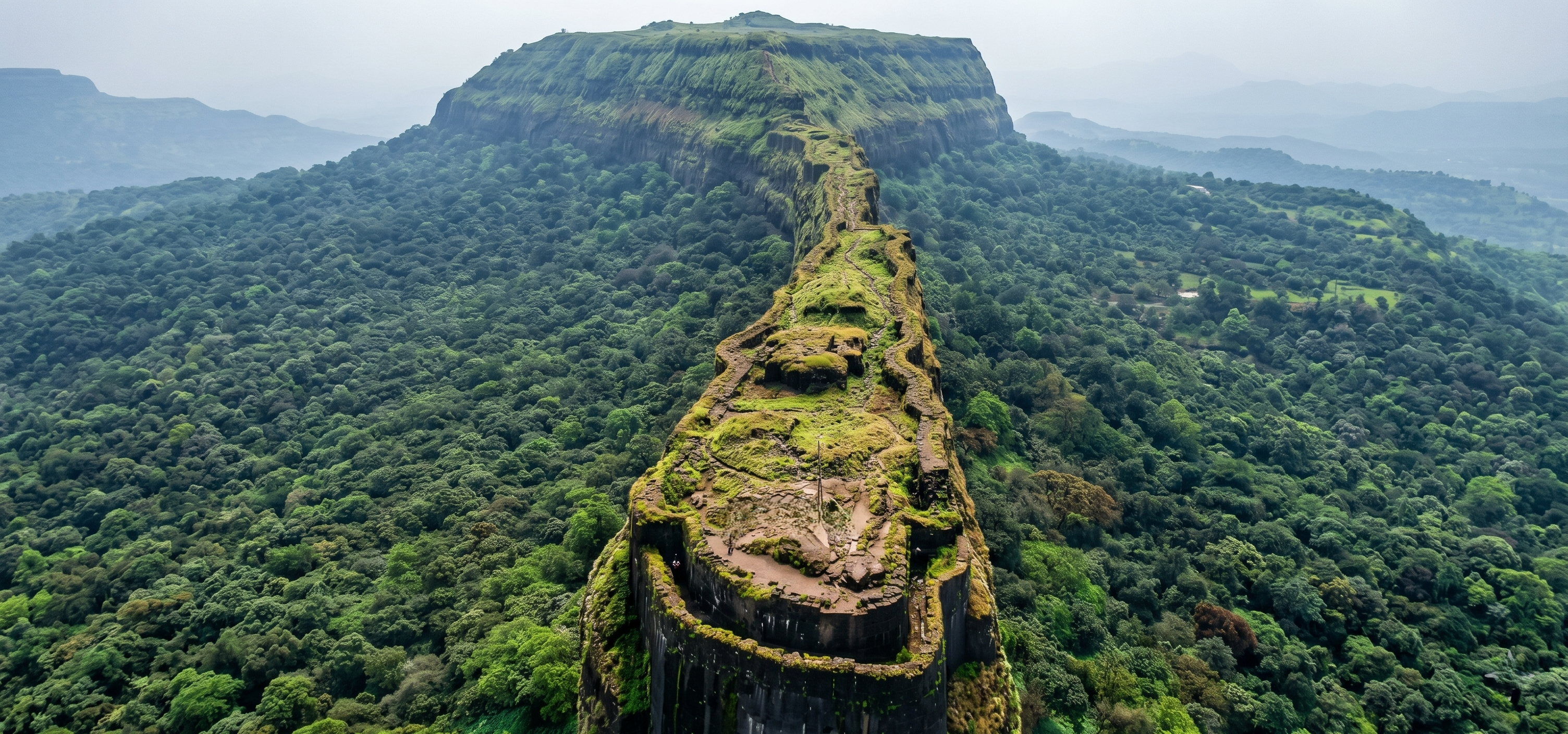
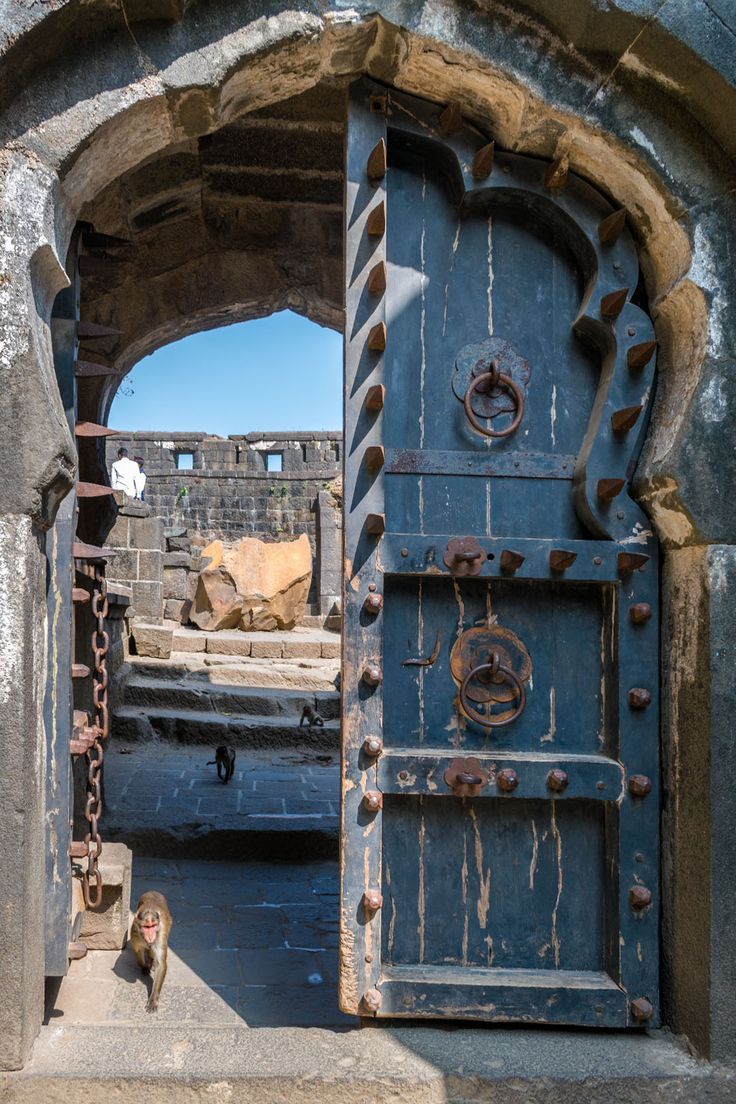
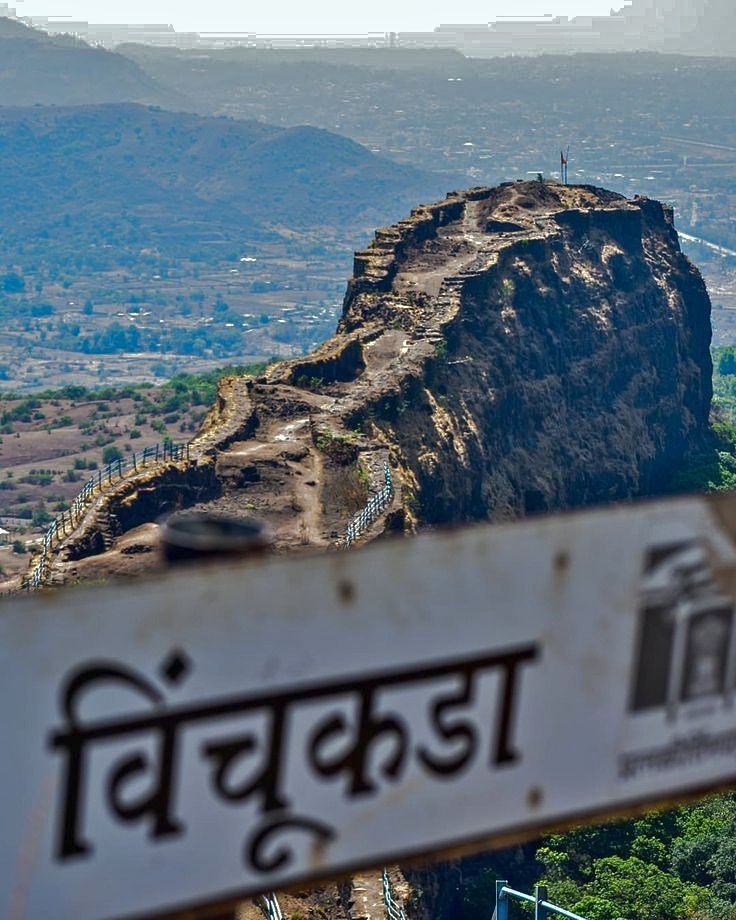
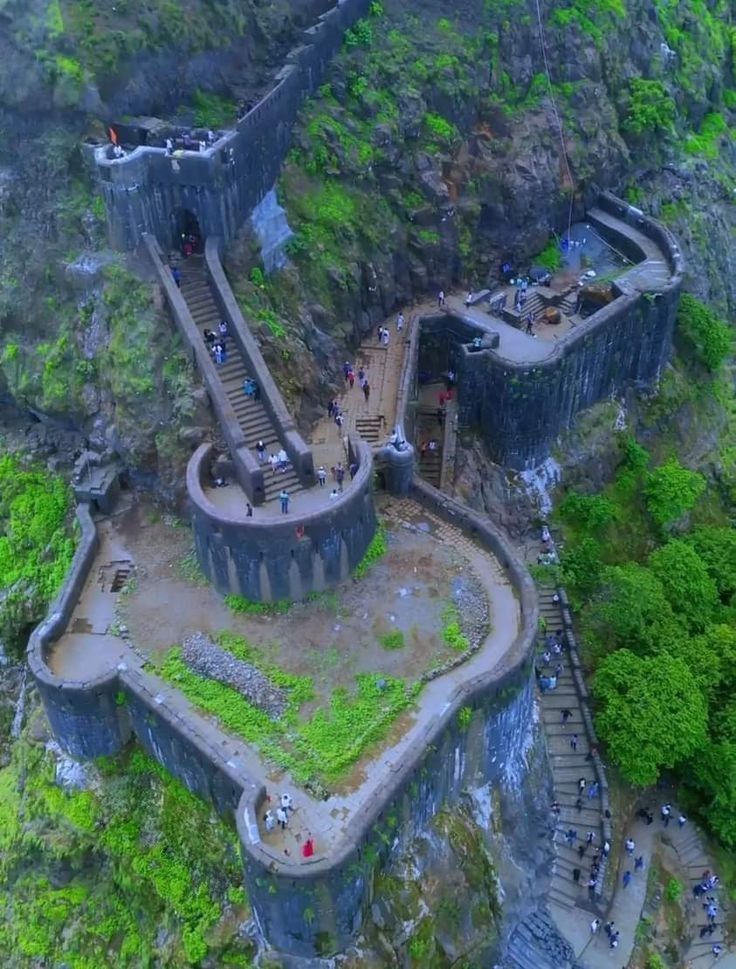
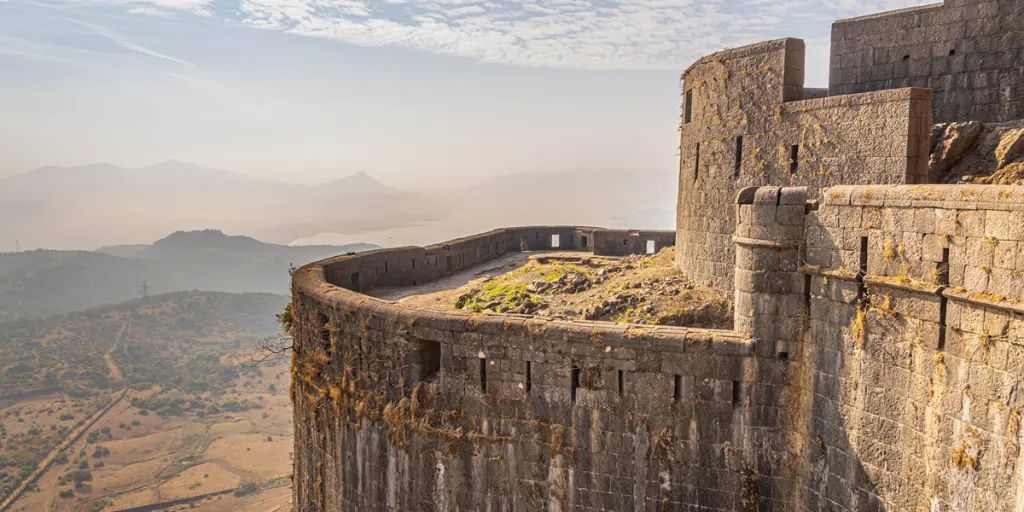
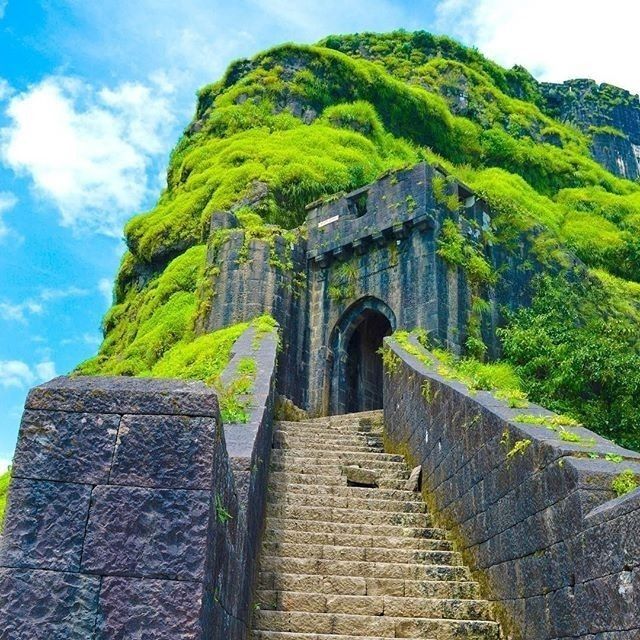
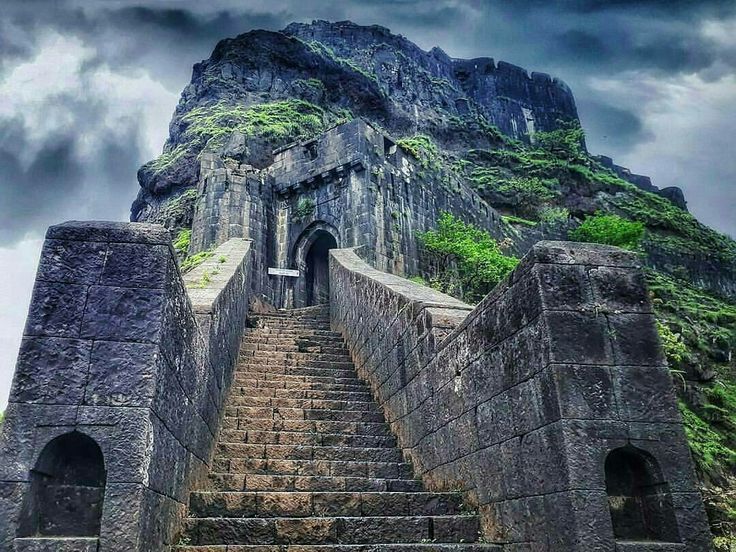
The fort is renowned for its massive stone walls, ancient gateways, and the unique Vinchu Kata (Scorpion's Tail), a long fortified ridge extending from the main fort. Owing to its strategic location overlooking the Bor Ghat trade route, Lohagad played a crucial role in controlling trade and military movements between the Deccan Plateau and the Konkan coast.
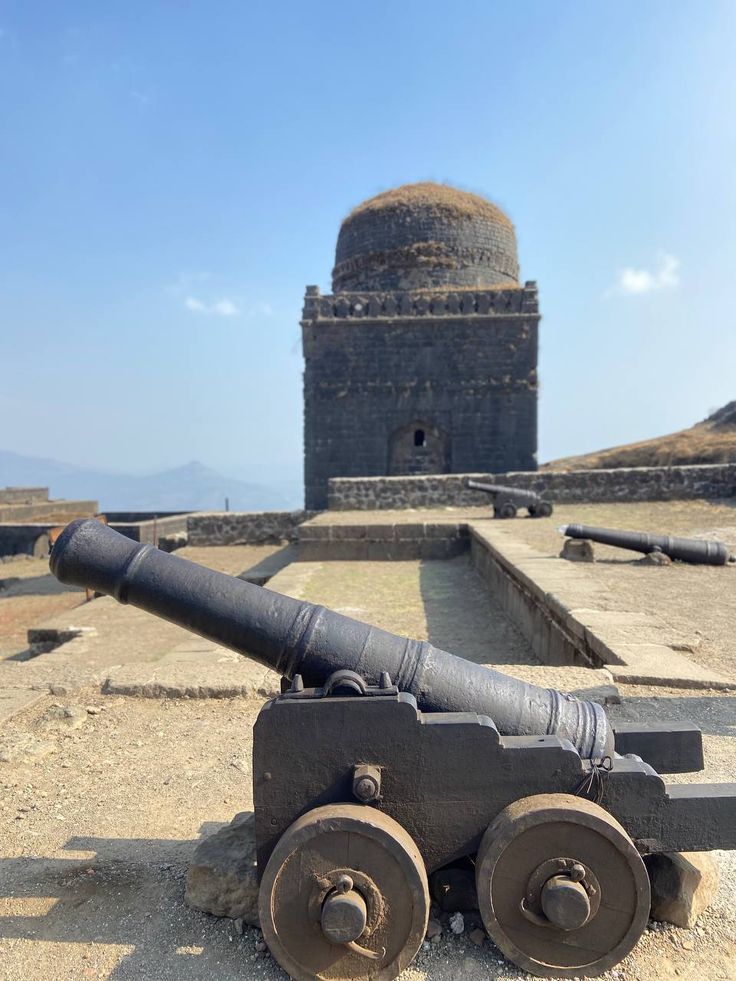
Over the centuries, Lohagad Fort was ruled by several dynasties, including the Satavahanas, Chalukyas, Rashtrakutas, Yadavas, Bahmanis, Mughals, and Marathas. It gained particular prominence during the reign of Chhatrapati Shivaji Maharaj, who captured and strengthened the fort as part of the Maratha defense network.
Today, Lohagad Fort is a popular destination for trekkers, history enthusiasts, and nature lovers. Its rich historical heritage, scenic surroundings, and easy accessibility from Pune and Mumbai make it one of the most visited forts in Maharashtra.
History
Lohagad Fort is a historic hill fort located near Lonavala in the Pune district of Maharashtra. Perched at an elevation of approximately 1,033 meters (3,389 feet) above sea level, it is one of the most well-preserved forts in the Sahyadri (Western Ghats) mountain range. The name "Lohagad" translates to "Iron Fort," reflecting its strong defensive architecture and strategic military importance.
The fort is renowned for its massive stone walls, ancient gateways, and the unique Vinchu Kata (Scorpion's Tail), a long fortified ridge extending from the main fort. Owing to its strategic location overlooking the Bor Ghat trade route, Lohagad played a crucial role in controlling trade and military movements between the Deccan Plateau and the Konkan coast.
Over the centuries, Lohagad Fort was ruled by several dynasties, including the Satavahanas, Chalukyas, Rashtrakutas, Yadavas, Bahmanis, Mughals, and Marathas. It gained particular prominence during the reign of Chhatrapati Shivaji Maharaj, who captured and strengthened the fort as part of the Maratha defense network.
Today, Lohagad Fort is a popular destination for trekkers, history enthusiasts, and nature lovers. Its rich historical heritage, scenic surroundings, and easy accessibility from Pune and Mumbai make it one of the most visited forts in Maharashtra.
Climate & Weather
🌧️ Monsoon (June – September)
- Temperature: 18°C – 25°C
- Heavy rainfall and dense fog
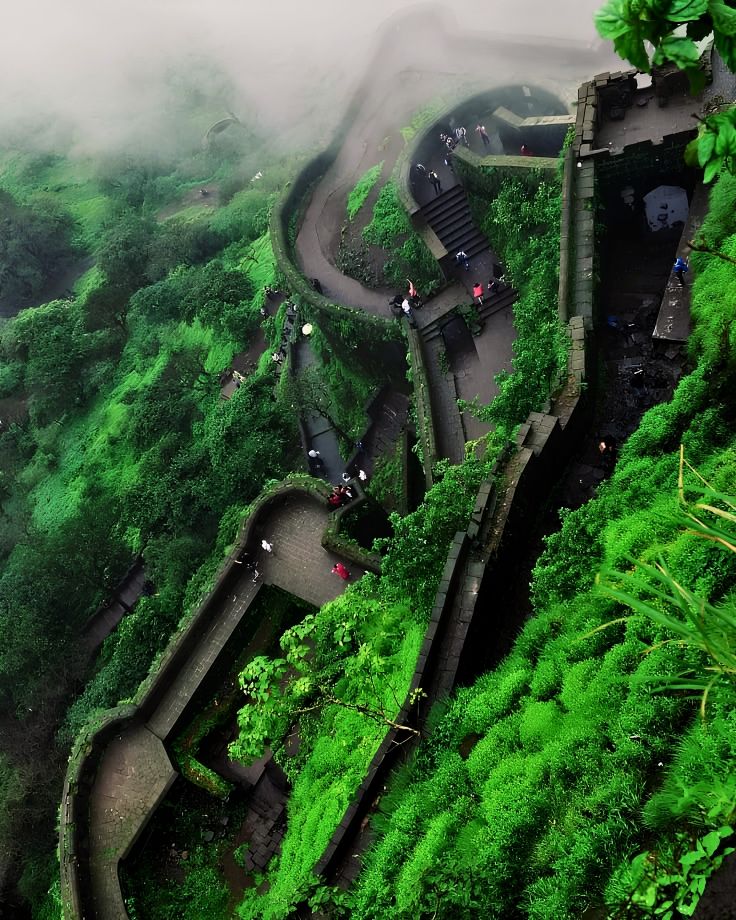
- Hills turn lush green with numerous waterfalls
- Spectacular cloud and mist formations
- Trekking trails can become slippery and challenging
🍃 Post-Monsoon & Winter (October – February)
- Temperature: 10°C – 25°C
- Cool, pleasant weather
- Clear skies and panoramic views
- Ideal conditions for trekking, photography, and sightseeing
- Green landscapes remain vibrant after the monsoon
☀️ Summer (March – May)
- Temperature: 25°C – 35°C
- Warm and relatively dry conditions
- Afternoons can be hot and tiring for trekkers
- Early morning visits are recommended to avoid heat
Transportation
Please select a transportation mode to view details
Facilities
Visitors to Lohagad Fort can access several basic facilities, mainly at the base village of Lohagadwadi. While the fort itself has limited infrastructure, the available amenities are sufficient for a comfortable day trip or trek.
Parking
- Paid parking is available at Lohagadwadi village near the trek starting point.
- Parking spaces are suitable for cars and two-wheelers.
Food & Refreshments
- Small eateries, tea stalls, and local food vendors are available at the base village.
- Snacks, bottled water, tea, vada pav, Maggi, and simple Maharashtrian meals can usually be found before starting the trek.
- Very limited food options are available once you reach the fort, so carrying extra water and snacks is recommended.
Drinking Water
- Drinking water may be available at some shops near the base.
- Visitors are advised to carry their own water, especially during summer and on busy weekends.
Toilets
- Basic toilet and changing room facilities are available in the base village.
- There are generally no toilet facilities on the fort itself.
Local Guides
- Local trekking guides can be hired from the base village for guided tours and historical information.
Mobile Network
- Most major mobile networks work around Lohagadwadi and parts of the fort.
- Signal strength may vary depending on weather and location.
Accommodation
- There are no hotels or formal stay facilities on the fort.
- Hotels, resorts, homestays, and guesthouses are available in nearby Lonavala and Malavli.
Geographical Information
Lohagad Fort is a historic hill fort located in the Sahyadri (Western Ghats) near Lonavala in Pune district, Maharashtra. The fort lies approximately 65 km from Pune and 100 km from Mumbai, making it one of the most accessible forts in the region.
Coordinates and Elevation
- Latitude: Approximately 18.71° N
- Longitude: Approximately 73.48° E
- Elevation: About 1,033 meters (3,389 feet) above sea level
Topography
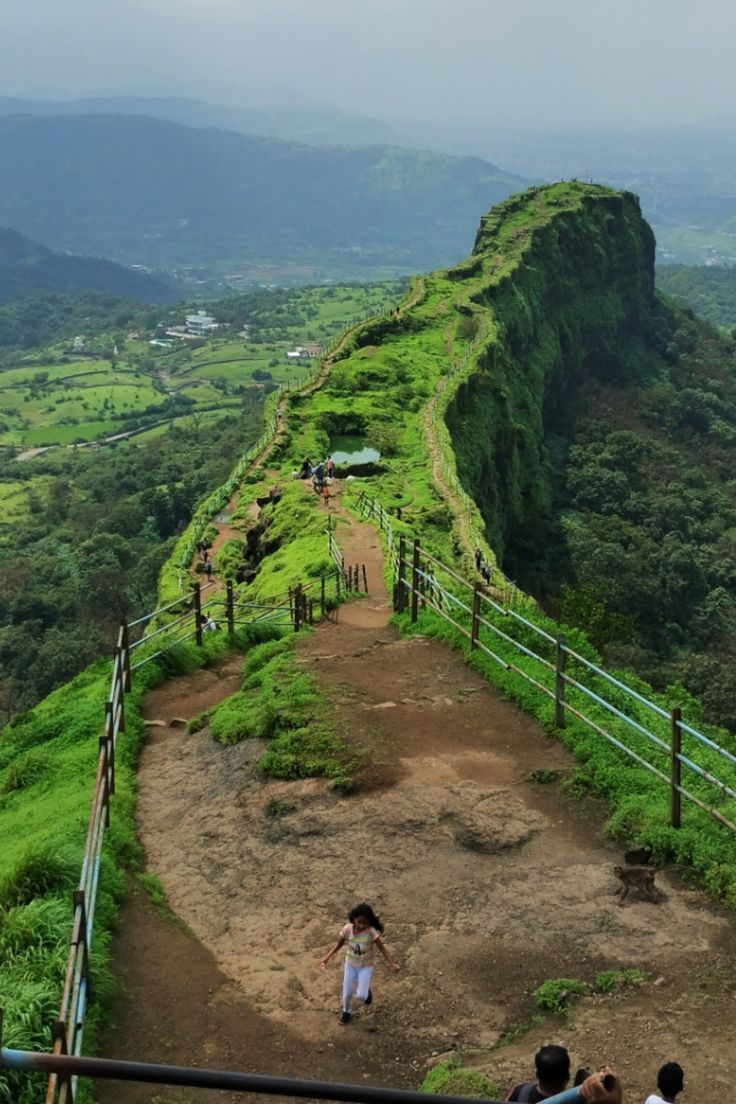
Lohagad Fort stands on a rugged hill overlooking the surrounding valleys of the Western Ghats. The fort is connected to the neighboring Visapur Fort by a ridge and features steep slopes on most sides, providing natural defense.
Notable Geographical Features
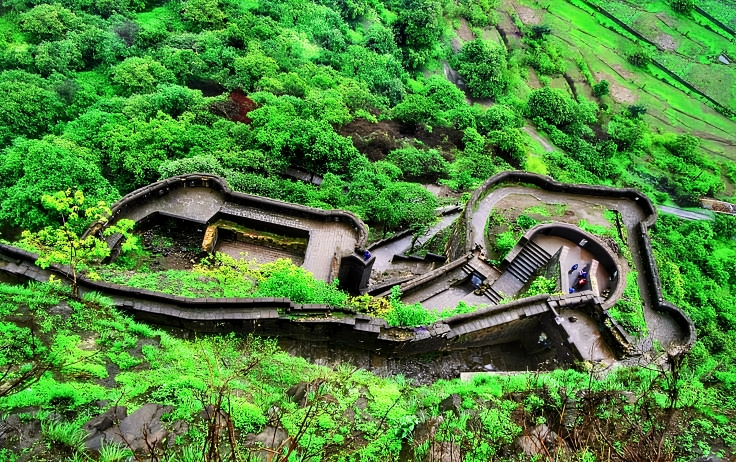
- Vinchu Kata (Scorpion's Tail): A long, narrow fortified spur extending from the main fort, resembling a scorpion's tail and offering panoramic views of the surrounding landscape.
- Rock-cut Water Tanks: Several ancient reservoirs store rainwater and remain one of the fort's distinctive features.
- Basalt Rock Formation: Like many forts in the Sahyadri range, Lohagad is built on volcanic basalt rock formed by the Deccan Traps.
Surrounding Landscape
The fort overlooks:
- The lush valleys of the Western Ghats
- Agricultural fields and villages around Lohagadwadi
- The scenic Pawna region and nearby hills
- Seasonal waterfalls during the monsoon
Climate Zone
Lohagad experiences a tropical hill climate with:
- Heavy rainfall during the monsoon (June–September)
- Cool and pleasant winters (October–February)
- Warm summers (March–May)
Ecological Importance
Being part of the Western Ghats, a globally recognized biodiversity hotspot, the area around Lohagad supports diverse flora and fauna, including seasonal wildflowers, birds, reptiles, and small mammals. The monsoon season transforms the region into a vibrant green landscape, attracting trekkers, photographers, and nature enthusiasts.
Culture & Local Lifestyles
The area surrounding Lohagad Fort is part of the historic Maval region of Maharashtra, known for its rich Maratha heritage, agricultural traditions, and close connection with the Sahyadri mountains. The local communities primarily speak Marathi and maintain a lifestyle deeply influenced by farming, seasonal cycles, and regional customs.
Local Communities
Villages such as Lohagadwadi and nearby settlements are home to farming families who cultivate rice, vegetables, and other seasonal crops. Agriculture remains an important source of livelihood, although tourism associated with Lohagad Fort and nearby attractions has created additional income opportunities through homestays, food stalls, guiding services, and local transportation.
Traditional Lifestyle
Life in the region is simple and community-oriented. Many homes feature traditional architecture with tiled roofs and stone or brick construction. Daily activities often revolve around farming, livestock rearing, and local markets. During the monsoon, the landscape becomes lush and agricultural activity reaches its peak.
Festivals and Traditions
The local population celebrates major Maharashtrian festivals with enthusiasm, including:
- Ganesh Chaturthi
- Diwali
- Gudi Padwa
- Makar Sankranti
Village fairs, temple celebrations, folk music, and devotional gatherings are also important aspects of local culture.
Historical Influence
The Maval region has strong ties to Chhatrapati Shivaji Maharaj and the Maratha Empire. Lohagad Fort played a strategic role in regional history, and local pride in this heritage remains strong. Stories of Maratha warriors and fort traditions are still shared among residents and guides.
Tourism and Modern Life
Tourism has become an important part of the local economy. Many villagers operate food stalls, parking facilities, and trekking-related services for visitors. Despite growing tourism, the region retains much of its rural charm, traditional hospitality, and connection to nature.
Local Values
The culture around Lohagad Fort is characterized by:
- Warm hospitality toward visitors
- Strong community bonds
- Respect for local temples and traditions
- Preservation of Maratha heritage
- A close relationship with the natural environment of the Western Ghats
Visitors to Lohagad Fort often experience a blend of history, rural Maharashtrian culture, and the scenic beauty of the Sahyadri mountains, making the destination culturally enriching as well as visually appealing.
Food and Local Cuisine
The region around Lohagad Fort offers a delightful taste of traditional Maharashtrian cuisine. Local food is simple, flavorful, and often prepared using fresh ingredients sourced from nearby farms. Visitors can enjoy authentic village-style meals at food stalls in Lohagadwadi and restaurants in nearby Lonavala.
Popular Local Dishes
Pithla Bhakri
A staple meal in rural Maharashtra, consisting of gram flour curry served with millet flatbread. It is nutritious, filling, and especially popular among trekkers.
Vada Pav
Often called Maharashtra's favorite snack, this spicy potato fritter served in a bread bun is widely available near trekking routes and roadside stalls.
Misal Pav
A spicy curry made from sprouted lentils, topped with farsan and served with pav (bread rolls). It is a popular breakfast and snack option in the Lonavala region.
Poha
Flattened rice cooked with onions, turmeric, and spices, commonly enjoyed as a light breakfast before a trek.
Varan Bhat
A comforting combination of lentil dal and steamed rice, often accompanied by pickle, papad, and vegetables.
Local Beverages
- Fresh buttermilk (taak)
- Traditional masala chai
- Lemon juice and seasonal refreshments during summer
Trekker-Friendly Food
Many stalls near the fort base serve quick snacks and refreshments such as:
- Tea and coffee
- Maggi noodles
- Bhajiya (fritters)
- Corn during the monsoon season
- Packaged snacks and bottled water
Nearby Culinary Experiences
Visitors staying in Lonavala can also enjoy regional specialties such as:
- Chikki (traditional jaggery and nut sweet)
- Fudge varieties popular in the hill station
- Maharashtrian thalis featuring multiple local dishes
Dining Experience
Food around Lohagad Fort reflects the simplicity and warmth of rural Maharashtra. Whether it's a hot plate of pithla bhakri after a trek or a cup of steaming chai overlooking the Sahyadri hills, the local cuisine adds a memorable cultural element to the Lohagad experience.
Accommodation
Unlike commercial tourist destinations, Lohagad Fort does not have hotels or guesthouses on the fort itself. However, visitors can find a variety of accommodation options in nearby villages and the Lonavala region, catering to different budgets and travel styles.
Homestays
Homestays are a popular choice for travelers seeking a local experience. Several homestays are available around Lohagad Fort, particularly in the Pawna Lake and Lonavala areas. These accommodations typically offer comfortable rooms, home-cooked meals, and a peaceful rural setting.
Resorts and Hotels
Visitors looking for more amenities can stay at resorts and hotels near Lonavala and Pawna Lake. These properties often include facilities such as restaurants, swimming pools, parking, and scenic mountain views. Many are located within a short driving distance of the fort.
Camping
Camping near Pawna Lake is a favorite option among trekkers and nature lovers. Campsites generally provide tents, meals, washrooms, and evening activities such as bonfires and stargazing. The camping experience can be combined with a visit to Lohagad Fort and nearby attractions.
Budget/Cost Estimation
Lohagad Fort is one of the most budget-friendly trekking destinations in Maharashtra. Since there is no entry fee, the primary expenses include transportation, food, and optional accommodation. The overall cost depends on whether you visit as a day trip or stay overnight near Lonavala or Pawna Lake.
Estimated Costs
ExpenseApproximate Cost (₹ per person)Train/Bus from Pune50–300Train/Bus from Mumbai100–500Local Transport (Lonavala/Malavli to Lohagadwadi)50–300Food & Refreshments200–600Parking (if driving)50–150Local Guide (Optional)300–800Homestay Stay800–2,000Resort/Hotel Stay1,500–5,000+Pawna Lake Camping1,000–3,000
Budget by Travel Style
Budget Day Trip
Ideal for students and solo travelers using public transport.
- Travel by train or bus
- Local snacks and meals
- No overnight stay
Estimated Total: ₹300–1,000 per person
Comfortable Day Trip
Suitable for families and small groups.
- Private vehicle or cab
- Meals at local restaurants
- Parking charges
Estimated Total: ₹800–2,000 per person
Weekend Getaway
Includes accommodation near Lonavala or Pawna Lake.
- Transportation
- Food and refreshments
- One-night stay or camping
Estimated Total: ₹2,000–6,000 per person
Money-Saving Tips
- Use local trains to Malavli Railway Station for the most economical travel.
- Travel in a group to share cab and fuel expenses.
- Carry a reusable water bottle and snacks.
- Visit as a day trip from Pune to avoid accommodation costs.
Recommended Budget
For most travelers, a budget of ₹1,000–2,500 per person is sufficient for a comfortable visit to Lohagad Fort, including transportation, meals, and local travel. Those planning an overnight stay should budget ₹2,500–6,000 per person, depending on the type of accommodation chosen.
Frequently Asked Questions
Popular Activities
Video and Photo Gallery
Related Stories
Traveller Reviews
No reviews yet
Be the first to share your experience!