Introduction
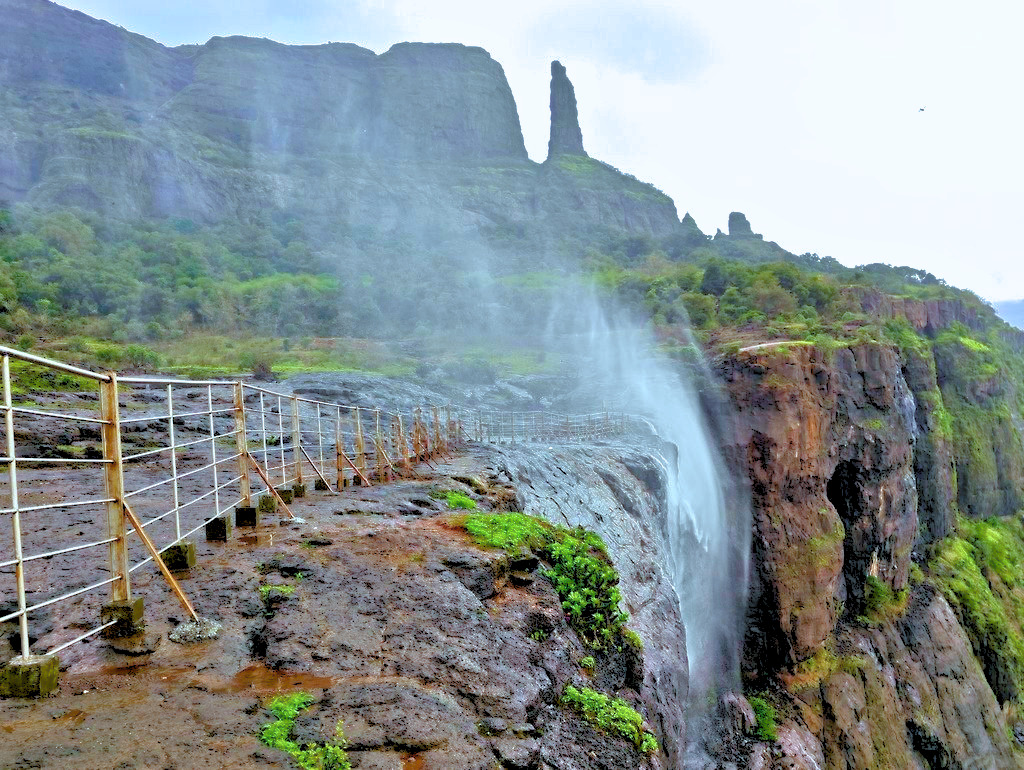
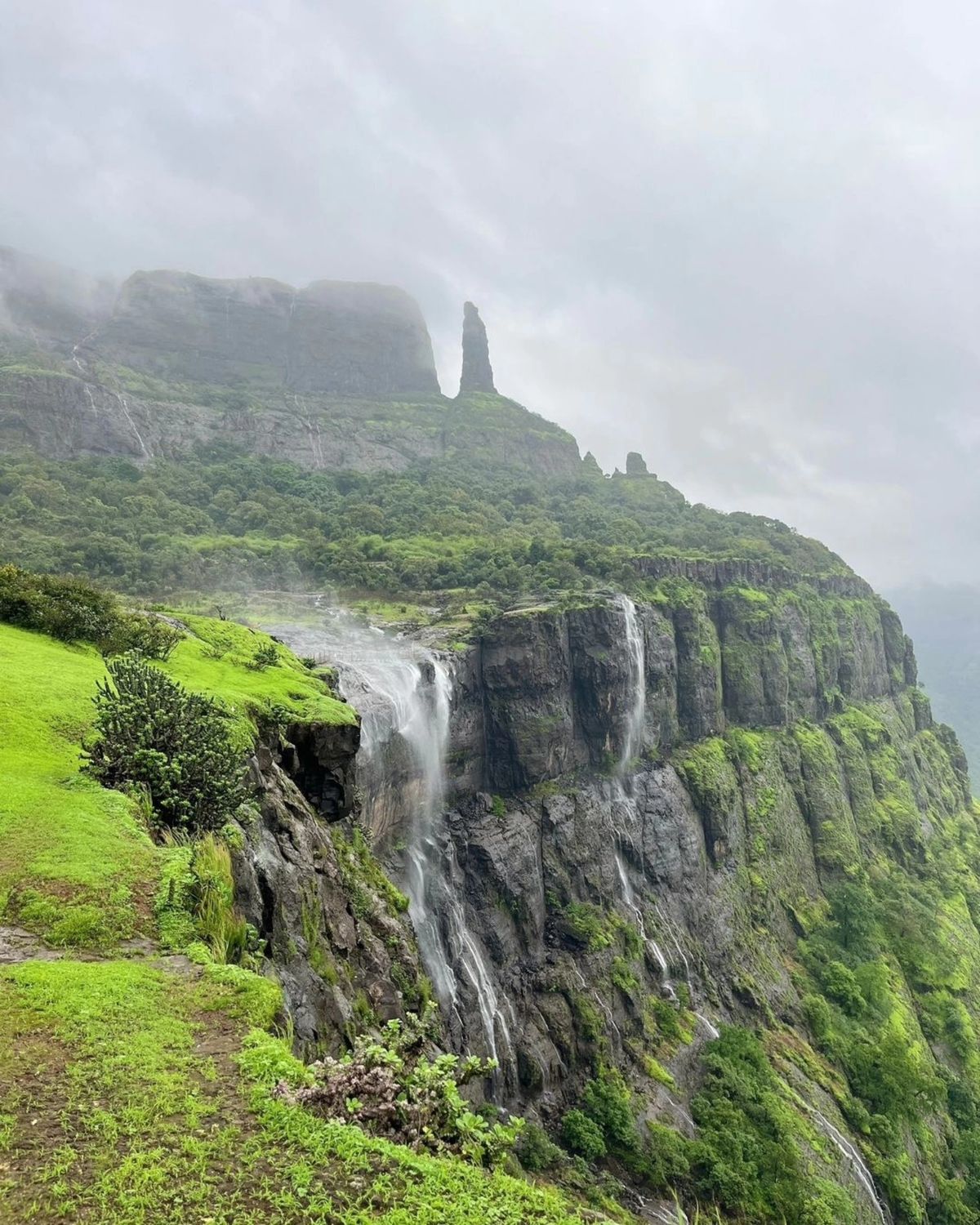
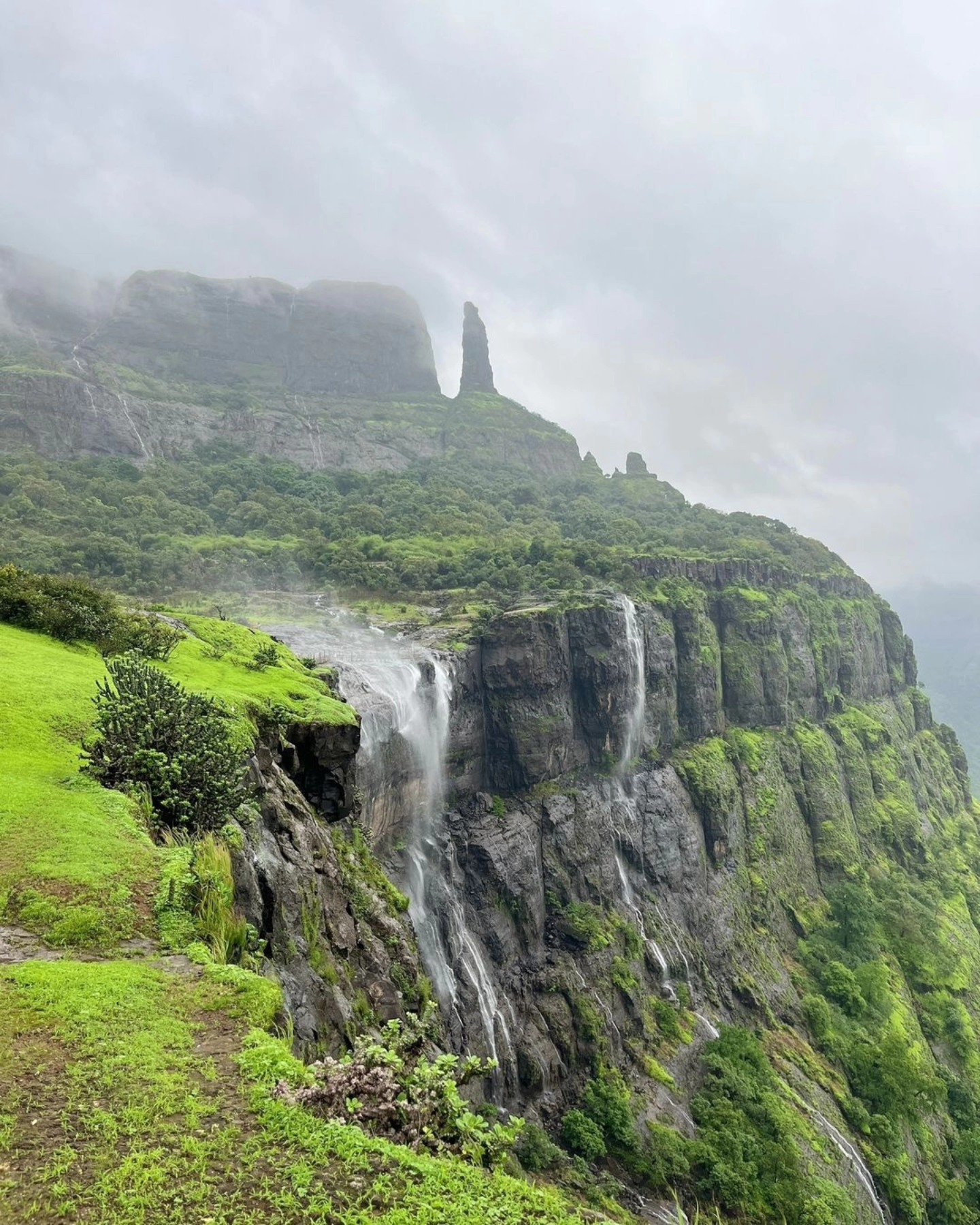
Tucked away in the rugged Western Ghats near Junnar in the Pune district of Maharashtra, Naneghat Waterfall is a breathtaking natural marvel that defies gravity. This spectacular destination is globally famous for its legendary "reverse waterfall" phenomenon, where powerful mountain winds push the cascading water upward, creating a surreal, defying-nature spectacle. Straddling an ancient trade route, it stands as an iconic landmark that draws thrill-seekers, trekkers, and nature lovers from all over the country looking to witness this rare atmospheric wonder.
Visiting Naneghat offers an intensely exhilarating and immersive wilderness experience, blending misty mountain hikes with the raw power of seasonal monsoons. The site delivers a sensory sensory overload, highlighted by panoramic plateau views, ancient rock-cut caves, and the mesmerizing sight of water flying up into the sky. It is the ultimate escape for adventurers eager to break away from monotonous routines and stand on the edge of a windswept cliff wrapped in pure, untamed nature.
History
Ancient Commercial Arterial: The deep history of Naneghat is inextricably linked to an ancient mountain pass carved during the Satavahana dynasty's reign, dating back over 2,000 years.
The Tollway Genesis: The name literally translates to "Coin Pass" (Nane meaning coin and Ghat meaning pass), originating from its historic role as a major toll-collection booth for merchants traveling between Kalyan port and the inland plateau.
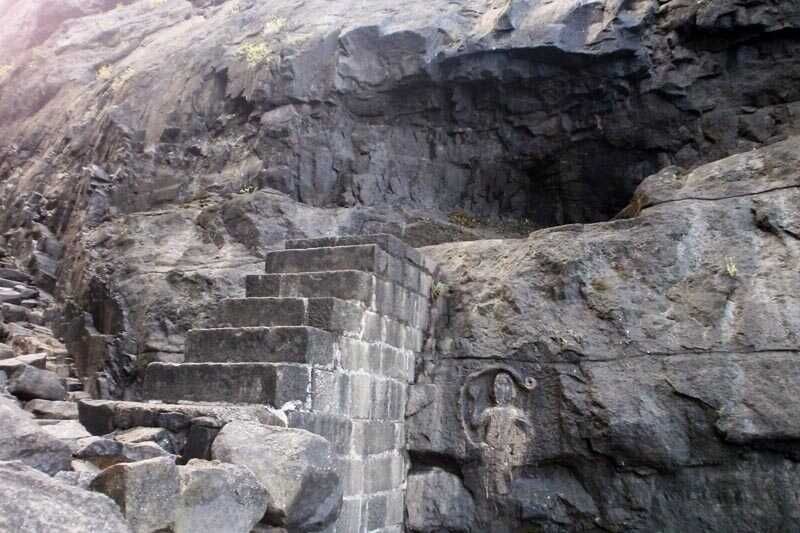
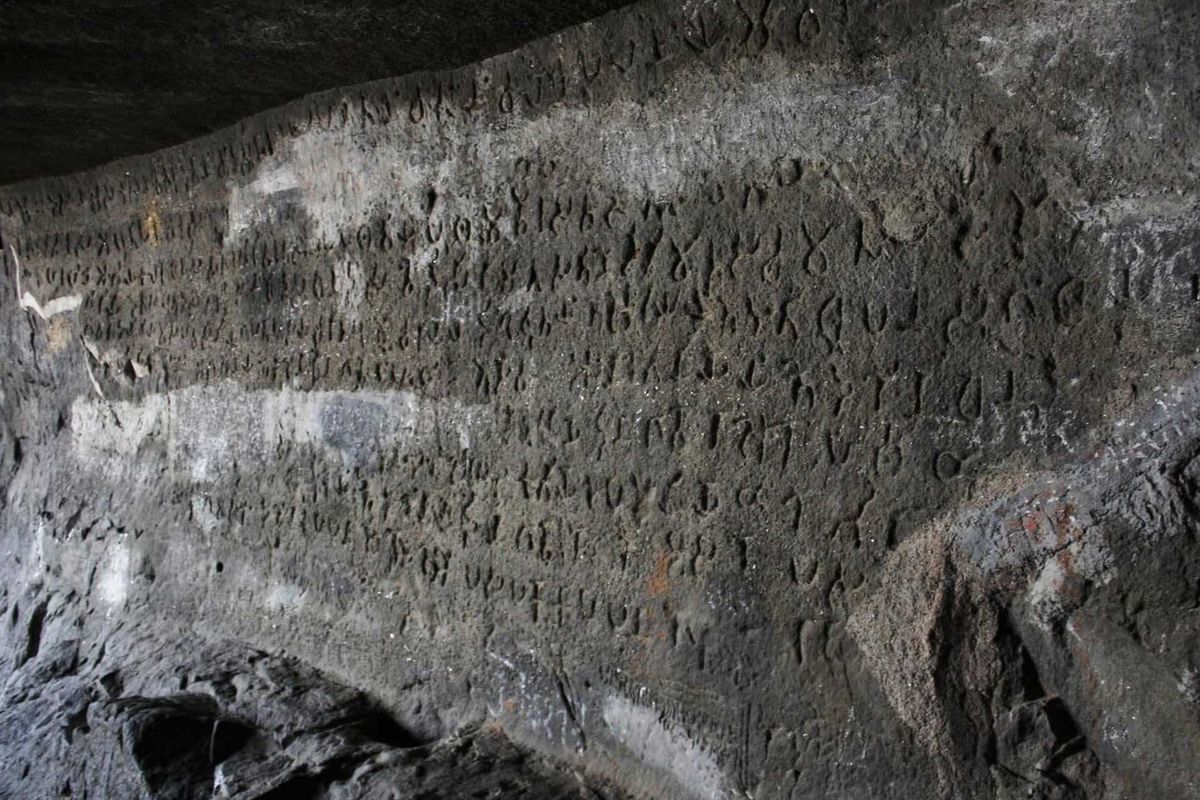
The Queen's Legacy: A nearby rock-cut cave houses priceless Brahmi inscriptions commissioned by Queen Nayanika, documenting the era's flourishing trade, spiritual rituals, and economic prowess.
Sentinel of the Skies: Long before trekkers arrived to witness the gravity-defying reverse waterfall, the sheer cliffs acted as a strategic natural fortress, heavily utilized by the Maratha Empire to monitor incoming trade and troop movements.
Modern Ecological Icon: Over the centuries, this bustling, ancient commercial highway naturally evolved into a peaceful ecological sanctuary, where the timeless whisper of trade has been beautifully replaced by the roaring sound of upward-rushing mountain streams.
Climate & Weather
To fully witness the gravity-defying magic of this location, timing your trip perfectly is everything. The changing weather in Naneghat Waterfall alters the landscapes dramatically, shifting from an arid mountain pass to a dramatic, windswept spectacle.
Summer (March to May)
Summer is universally considered a bad travel period if you are chasing cascades. The scorching heat dries up the streams entirely, leaving the massive cliffs completely bare. While it is a quiet tourist season for stargazers and night trekkers, anyone looking for the iconic reverse waterfall effect will find only dry rock faces.
Monsoon (June to September)
The monsoon is the undisputed ideal season and the absolute best time to visit. Heavy downpours feed the plateau streams while powerful, high-velocity winds funnel up the mountain pass. This unique combination forces the cascading water to blow forcefully upward into the sky, creating the legendary reverse waterfall experience.
Winter (October to February)
When the heavy rains recede, the region transitions into a pristine haven perfect for monsoon/winter travel. While the dramatic reverse waterfall effect fades away, travelers are treated to crisp mountain air, sweeping clear views of the Konkan plains, and lush, velvet-green valleys that make daytime hiking exceptionally comfortable.
Transportation
Please select a transportation mode to view details
Facilities
- Dedicated Parking Zones: Safely managed parking areas are located at both the Vaishakhare trekking base camp and the upper Ghatghar plateau, giving you total peace of mind before you hit the trail.
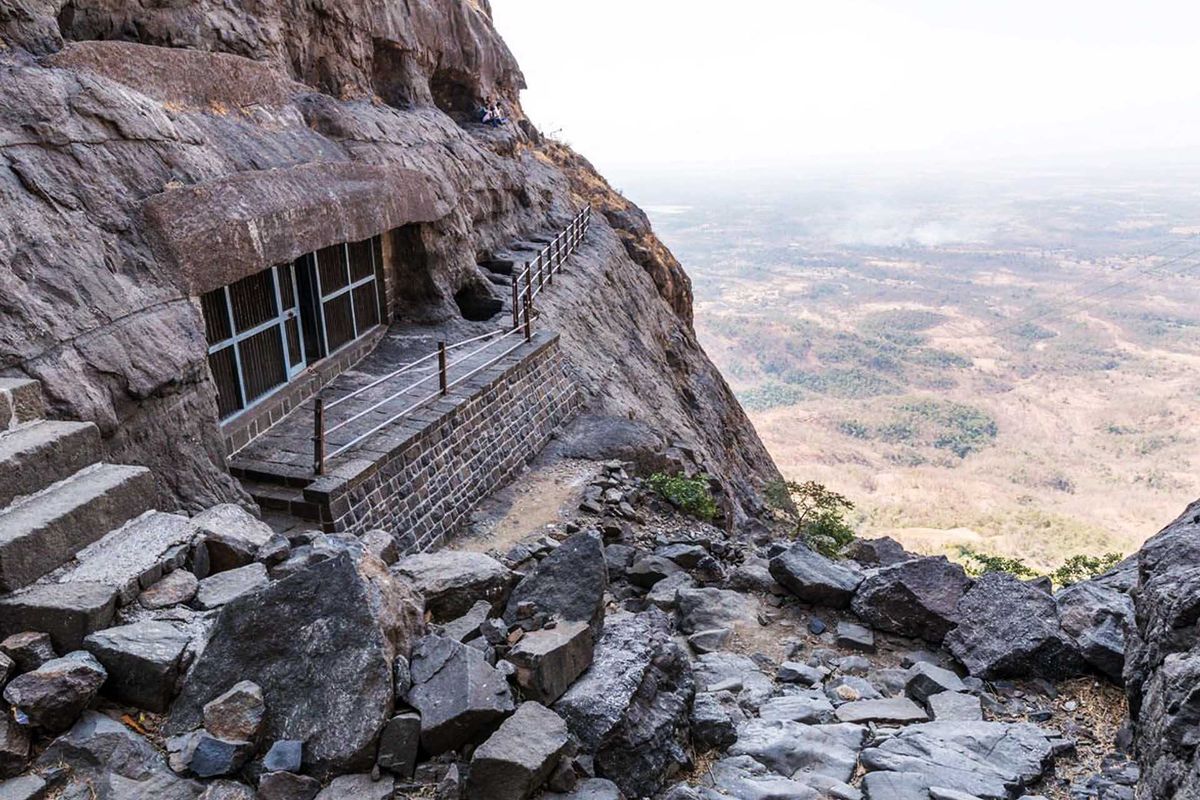
- Rustic Rock-Cut Shelters: The historic Satavahana caves at the peak serve as magnificent, ancient stone shelters, offering hikers a unique, weathered space to rest and escape sudden mountain downpours.
- Local Eco-Eateries: Charming, village-run thatched huts (tapris) dot the base and the plateau, serving up authentic, piping-hot pitla bhakri, spiced maggi, and steaming ginger tea to fuel your adventure.
- Clear Route Signage: Well-placed trail markers, paint-coded rock signs, and descriptive information boards line the path, ensuring a safe, straightforward navigation experience through the forest.
- Camping Ground Clearances: Wide, flat clearings on the upper plateau provide designated, wind-protected zones perfect for pitching tents during the safer post-monsoon camping season.
- Local Guide Network: Knowledgeable village guides are readily available at the base trailheads, offering expert route navigation and fascinating storytelling about the pass's 2,000-year-old trade history.
- Basic Restrooms: Essential, eco-friendly public washrooms are positioned near the primary village entry points to help travelers freshen up before beginning their ascent or heading home.
Geographical Information
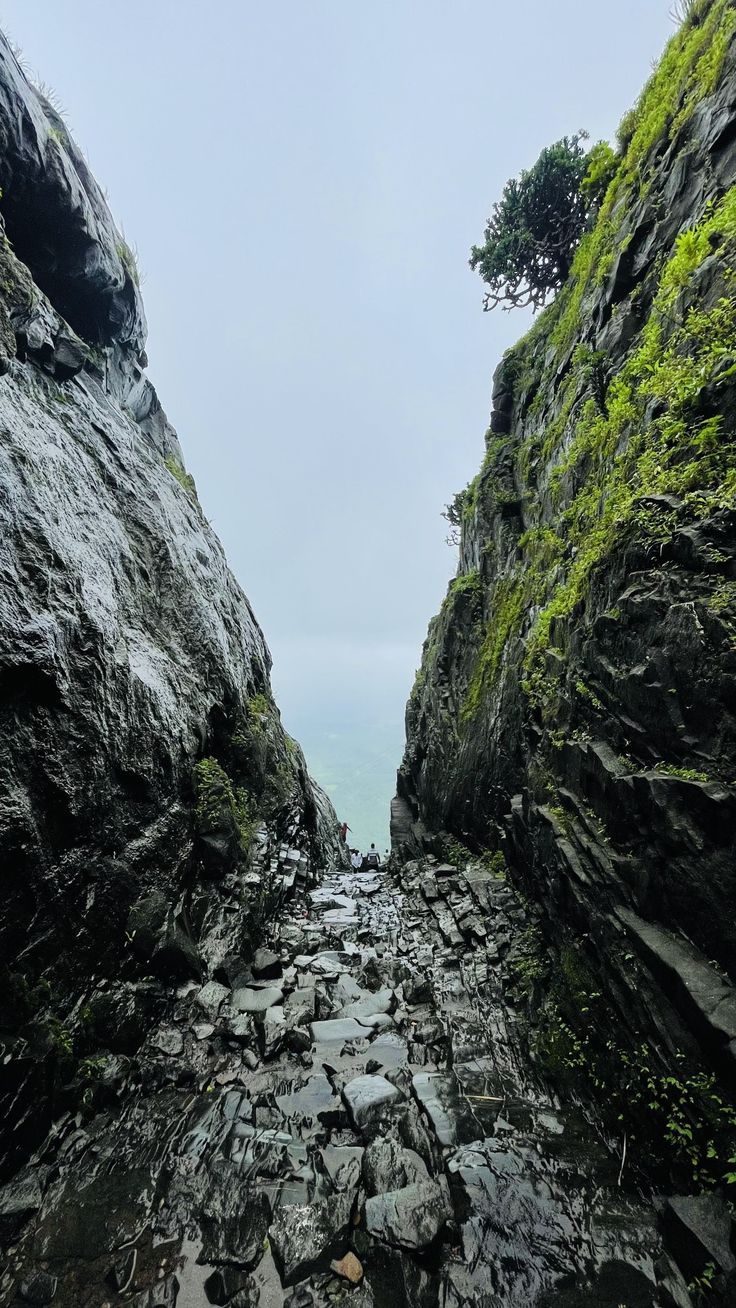
Naneghat Waterfall is dramatically positioned in the rugged Malshej Ghat region of the Western Ghats, located near Junnar in the Pune district of Maharashtra. This stunning natural marvel sits at a high-altitude mountain pass that historically connected the Konkan coast to the vast Deccan plateau. Perched thousands of feet above sea level, it marks a breathtaking transition zone where sheer volcanic cliffs plunge straight down into the deep, heavily forested valleys below, creating a dramatic geographic edge.
The surrounding terrain is defined by its massive, weather-beaten basalt rock formations and steep vertical drop-offs that characterize the Sahyadri range. The landscape is draped in dense, subtropical evergreen forests that burst into vibrant life during the heavy monsoon season. Situated within a high-rainfall tropical climate zone, the pass is constantly swept by high-velocity wind currents pushing up from the valley floor. This unique natural phenomenon catches the falling streams and funnels them forcefully backward into the sky, making it one of the most geographically fascinating landscapes in the country.
Culture & Local Lifestyles
The misty cliffs of Naneghat hold a vibrant, living heritage that stretches back over millennia. For travelers stepping onto this ancient plateau, the journey offers far more than a stunning visual marvel; it provides a deep connection to a resilient mountain community. Immersing yourself in the local culture here reveals a lifestyle beautifully anchored in the rugged topography of the Western Ghats, where history and nature intertwine effortlessly.
Traditions
The communities surrounding the pass maintain a deep reverence for the ancient trade pathways carved by their ancestors. One of the most beautiful traditions kept alive by the locals is the preservation of historic stone-carved water cisterns and rock shelters, treated with immense respect as lifelines of the hills. Engaging with the village elders offers incredibly rich cultural experiences, as they pass down oral histories of merchant caravans that traversed these very cliffs two thousand years ago.
Festivals
Life in the Sahyadri range is celebrated through high-energy, community-centric festivals that mirror the changing seasons. While Ganesh Chaturthi and Diwali are celebrated with grand local fervor, it is the rural harvest festivals that truly capture the heart of the plateau. Villagers come together to perform traditional folk music and gratitude rituals, celebrating a successful crop cycle and transforming the misty mountain landscape into a lively hub of authentic regional pride.
Daily Life
The everyday local lifestyle is defined by a beautiful simplicity, deeply tied to monsoon farming, livestock rearing, and eco-tourism. Early in the morning, the valleys hum with activity as locals tend to their stepped paddy fields or prepare fresh, wood-fired meals for visiting trekkers. This slow, intentional way of living centers around warm hospitality and an open-door policy. Taking a moment to step off the primary trekking trail and share a cup of hot tea with a local family offers an invaluable glimpse into sustainable, mountain-rooted living.
Food and Local Cuisine
Chasing the gravity-defying reverse waters of Naneghat is bound to work up a massive appetite. Fortunately, the culinary landscape here is just as soul-stirring as the views. Immersing yourself in the regional flavors is the absolute best way to fuel your trek while actively supporting sustainable food tourism. The local food scene here is wonderfully rustic, offering deeply comforting, spice-forward dishes that perfectly complement the crisp, misty mountain air.
Famous Dishes
The undisputed star of this region’s traditional cuisine is Pithla Bhakri. This iconic Maharashtrian dish features a thick, velvety, spiced gram flour curry served alongside smoking-hot flatbreads made from hand-pounded millet (jowar or bajra). Pair it with Thecha—a fiery, coarse condiment made of crushed green chilies, garlic, and salt—for an authentic burst of rural flavor that gives trekkers the ultimate energy boost.
Street Food
As you navigate the trailheads and base camps, you will run into vibrant clusters of makeshift stalls serving incredible street food. Here, you can grab a plate of crispy, batter-fried Kanda Bhajji (onion fritters) served straight out of boiling cauldrons, or a comforting bowl of spicy Misal Pav topped with crunchy farsan. Washing these down with a steaming brass cup of ginger-infused Adrak Chali (tea) while wrapped in heavy mountain fog is a true rite of passage.
Restaurants & Cafes
While you won't find upscale fine-dining establishments on the plateau, the surrounding Junnar and Vaishakhare areas are dotted with cozy, family-run khanavals (local eateries) and open-air dhabas. These welcoming spots serve up some of the best food in Naneghat Waterfall's vicinity. They specialize in massive, unlimited Maharashtrian thalis featuring slow-cooked chicken or mutton rassa, alongside farm-fresh vegetarian meals, ensuring every traveler gets a true taste of heartwarming village hospitality.
Accommodation
Finding the perfect basecamp is the key to an unforgettable mountain adventure, especially when you are chasing a rare phenomenon like a reverse cascade. Because the trail can be approached from either the lower Konkan side near Vaishakhare or the upper Deccan plateau near Junnar, choosing your lodging depends entirely on your trekking route. The surrounding valleys and towns offer a diverse mix of stays, ensuring great location convenience for an early morning start.
Budget Hotels
For backpackers and solo trekkers looking to maximize their trail time, the towns along the highway provide excellent options for a budget stay. These properties offer the essentials—clean beds, hot water for post-hike recovery, and secure parking. Strategically located near the main road networks, they keep logistics simple so you can focus entirely on your climb.
Mid-Range Hotels
If you are traveling with family or a group of friends, the mid-range hotels in Naneghat Waterfall's neighboring towns hit the absolute sweet spot. These properties feature comfortable AC rooms, on-site multi-cuisine restaurants, and beautiful views of the Sahyadri foothills. They offer great value, making it easy to relax and unwind after a long day of navigating misty mountain passes.
Luxury Resorts
For those who want to pair their rugged wilderness exploration with high-end pampering, the wider Malshej Ghat region is home to stunning luxury resorts. Tucked away on dramatic cliff edges, these properties feature gorgeous infinity pools overlooking deep valleys, wellness spas, and premium independent villas. It is the perfect way to soak in the mountain fog while enjoying world-class hospitality.
Homestays
To truly immerse yourself in the warmth of the Sahyadris, booking local homestays around the Ghatghar plateau or nearby villages is an unmatched choice. These family-run properties offer the best accommodation experience for culture-focused travelers. You will get to stay in charming rural setups, enjoy authentic wood-fired Maharashtrian meals, and pick up insider trail tips from hosts who know the mountains best.
Budget/Cost Estimation
Smart Financial Planning: Mapping out your estimated expenses before heading into the rugged Sahyadris ensures a seamless, worry-free mountain escape without unexpected financial surprises.
Incredibly Affordable Travel: Because the pass is highly accessible, a weekend trek here is a massive win for budget travel, offering unparalleled natural views at a very minimal travel cost.
Tailored for All Budgets: Whether you are planning a minimalist backpacking trek with cave camping or looking for a premium resort stay nearby, the region accommodates every single spending style.
Cash is Essential: Keeping a decent amount of physical cash on hand is highly recommended for paying local parking fees, hiring village guides, and buying trailside snacks where digital networks fail.
Ultimate Transparency: By matching your preferred transit and accommodation styles with a flexible plan, you can easily customize an affordable travel itinerary that aligns beautifully with your wallet.
Low-Cost Backpacking Transport: Budget travelers can rely on state transport buses or shared local jeeps to reach the trail base, keeping travel expenses down to a nominal ₹150 – ₹350.
Mid-Range Driving Expenses: Choosing to drive your own vehicle or rent a car tracks to an estimated cost of ₹1,200 – ₹2,500, which comfortably covers fuel and highway tolls.
Premium Transit Comfort: Opting for a hassle-free, private outstation cab from major hubs typically ranges from ₹3,500 to ₹5,500+ for a round trip.
Rustic and Local Dining: Savoring authentic, village-style food like Pithla Bhakri and hot tea at trailside stalls keeps your food cost incredibly low at just ₹150 – ₹300 per day.
Standard Highway Eateries: Stopping at local highway dhabas and casual sit-down cafes along the route averages out to a comfortable ₹500 – ₹1,000 for your meals.
Resort Fine Dining: Enjoying premium multi-cuisine meals and curated menus at upscale cliffside properties ranges from ₹1,500 to ₹3,500+ per day.
Minimalist Stay Options: Adventurous travelers can camp out in the ancient Satavahana caves for free or secure a basic, no-frills village lodge for under ₹800.
Standard Foothill Stays: Booking a cozy, family-run homestay or a standard mid-range hotel nearby averages between ₹1,500 and ₹3,000 per night.
Luxury Resort Escapes: Unwinding at a high-end wilderness resort featuring infinity pools and valley views ranges from ₹5,500 to ₹12,000+ per night.
Free and Self-Guided Activities: Exploring the historic trade route and witnessing the reverse waterfall requires absolutely no entry ticket, keeping your basic activities completely free.
Guided and Curated Experiences: Hiring an experienced local villager to guide you through tough trails costs roughly ₹200 – ₹500, while fully organized adventure tours range from ₹800 to ₹2,000+.
Flexible Trip Budget: A comfortable, all-inclusive weekend getaway typically tracks to a total trip budget of around ₹2,000 to ₹4,000 per person for mid-range travelers.
Frequently Asked Questions
Popular Activities
Video and Photo Gallery
Related Stories
Traveller Reviews
No reviews yet
Be the first to share your experience!