Introduction
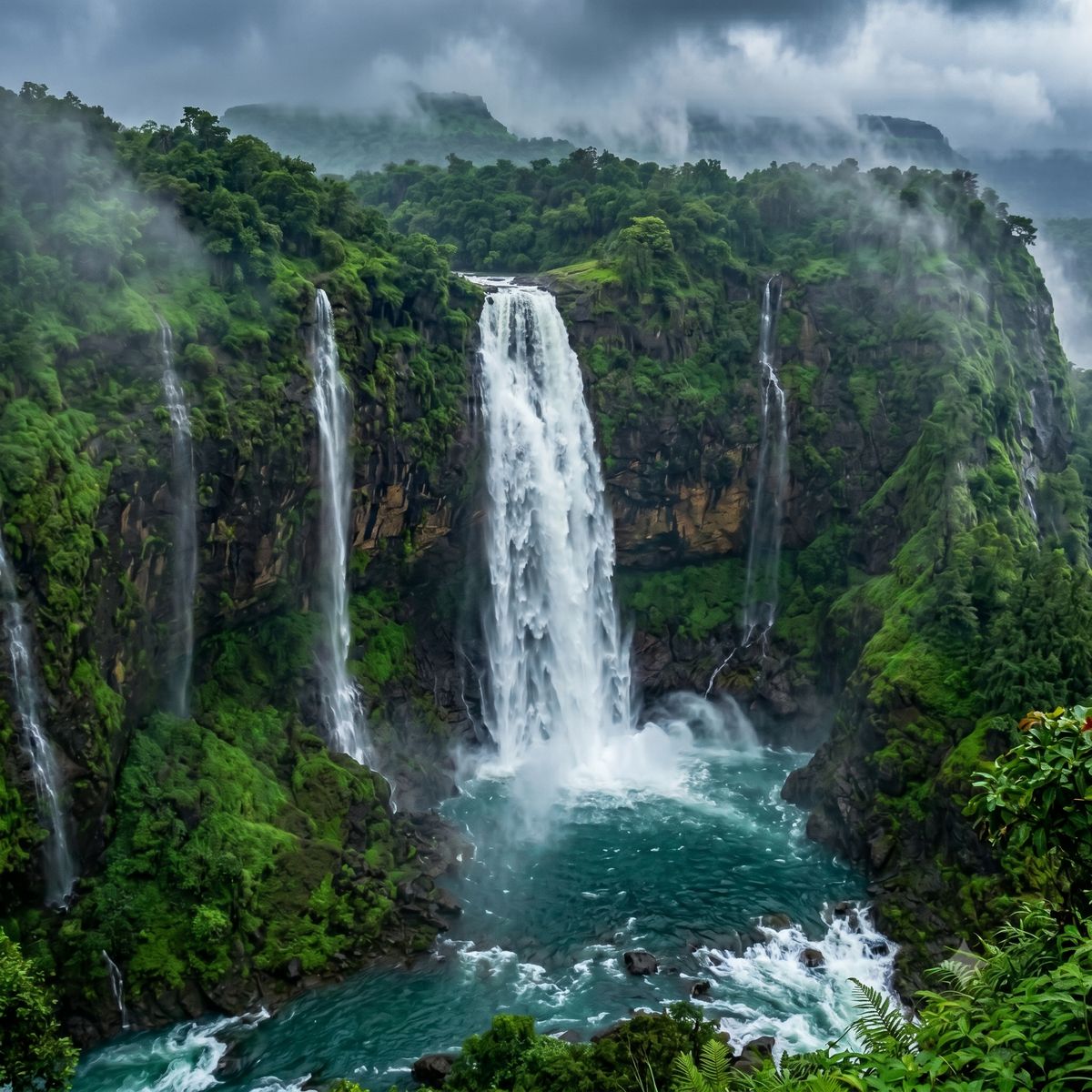
Pahine Waterfall, popularly known as the Necklace Waterfall, is a captivating seasonal cascade nestled in the scenic Sahyadri mountain range near Trimbakeshwar. This natural attraction is famous for its unique visual setup during the rainy season, when multiple stream channels gather along a semi-circular rock face to mimic a sparkling jewel encrusted on a green mountain. Located roughly 32 kilometers from Nashik city and just 6 kilometers from the sacred Trimbakeshwar Jyotirlinga Temple, it serves as an easily accessible escape for urban travelers.
Visitors flock to this destination to experience a refreshing mix of outdoor exploration, misty mountain breezes, and vibrant, unedited scenery. The spot offers a highly immersive eco-adventure characterized by shallow river crossings and a light forest walk suitable for both hardcore trekkers and casual family day-trippers. It provides an idyllic setting to unwind under gentle water sprays, capture stunning landscape photographs, and reconnect with nature away from the city's hectic pace.
History
The background of Pahine Waterfall is anchored in its geographic timelessness and its role as a seasonal life source for the indigenous agrarian communities of the Trimbak region. Unlike prominent forts or palaces in Maharashtra, this site does not feature elaborate royal battles or documented ancient architecture. Instead, it has historically functioned as a quiet, local natural secret known primarily to the tribal shepherds and farmers inhabiting Pahine village. For generations, the seasonal streams cascading down these black basalt cliffs have fed the local water table, supporting monsoon paddy cultivation and livestock rearing in the valley.
In recent years, the explosion of digital travel communities and social sharing transformed this humble village stream into a major ecotourism hotspot. Trekkers heading toward the nearby ancient trails of Anjaneri Fort or Brahmagiri Mountain rediscovered this multi-tiered cascade and gave it the nickname "Necklace Waterfall" due to its sweeping structural curves. Today, the local gram panchayat and youth committees work in tandem with regional forest authorities to preserve the natural trail. This collective effort ensures that the sudden influx of modern weekend travelers provides a sustainable livelihood for the local village through eco-fees, guiding roles, and food stalls while strictly protecting the surrounding Sahyadri ecology.
Climate & Weather
To fully enjoy the unique visual appeal of this destination, travelers must carefully plan their visit around the monsoon timeline of the Western Ghats.
Summer
The summer season running from March to May brings hot, dry weather to the entire district, causing temperatures to rise significantly. During these months, the waterfall completely disappears, leaving behind dry rocky cliffs and exposed forest paths. Because there is no active water stream or greenery to observe, summer is considered an unproductive time for sightseers and water lovers.
Monsoon [1]
The monsoon months from June to September represent the peak tourist season and the best time to visit this attraction. Heavy seasonal downpours revive the dried-up channels, transforming the terrain into a sprawling, vibrant green landscape engulfed in thick fog. The weather in this ideal season remains cool and wet, making it the perfect window to view the voluminous, roar-heavy main cascade.
Winter
The winter travel season spans from October to February, offering pleasant weather with crisp breezes and comfortable daytime temperatures. By early winter, the heavy waterfall tapers down into a gentle, clear mountain stream before drying up completely by late January. While the roaring cascade is absent, this post-monsoon period provides excellent trail conditions for casual hikers and nature photographers who prefer dry ground.
Transportation
Please select a transportation mode to view details
Facilities
Because the waterfall is managed as a raw ecotourism spot by the local village community, the infrastructure remains intentionally basic and close to nature.
- Snack Stalls: Small, local makeshift stalls operate near the main parking area and along the lower trail, selling hot corn-on-the-cob, maggi, boiled eggs, and tea.
- Vehicle Parking: Ample open-ground parking spaces managed by the village youth are available near the main road entrance for a nominal fee.
- Local Guides: Village youth offer their services for a small fee to help large groups navigate the forest path safely during heavy downpours.
- Cash Counters: Small local vendors handle transactions primarily in cash because cellular networks and digital payment systems can be highly unstable in this mountain valley.
Geographical Information
Pahine Waterfall is situated precisely within the geographic boundaries of Pahine Village in the Trimbakeshwar Taluka of the Nashik District. It occupies a prominent position within the Northern Sahyadri range, a region renowned for its high biodiversity and striking volcanic rock structures.
The local terrain is predominantly characterized by weathered basalt rock steps, shallow stream beds, and a moderately dense tropical deciduous forest cover. The landscape opens up into sweeping amphitheater-like cliffs that funnel rainwater collected from the high-altitude plateaus above. Positioned in a heavy tropical monsoon climate zone, the region experiences substantial rainfall between June and September. This massive influx of seasonal water forms an intricate network of streams that rush over the cliffs before eventually draining into the upper catchment areas of the Godavari River basin.
Culture & Local Lifestyles
The cultural identity of the area around Pahine village is intimately linked with the simple, nature-worshipping lifestyle of the indigenous tribal communities.
Traditions
The local culture emphasizes a profound spiritual respect for the forest, mountains, and water bodies, which are treated as divine entities. Traditional customs dictate that community members protect the local flora and fauna, and folklore regarding the sacred peaks of Trimbakeshwar is passed down meticulously through oral storytelling.
Festivals
Given its close proximity to the Trimbakeshwar Jyotirlinga Temple, major religious festivals like Maha Shivratri and the holy month of Shravan profoundly shape the local lifestyle. During these times, the entire valley assumes a festive spirit, and local villagers actively participate in devotional processions, community feasts, and vibrant local fairs that showcase traditional folk arts and regional music.
Daily Life
The daily life of the villagers centers primarily around seasonal agriculture, with a heavy reliance on monsoon-dependent rice cultivation and cattle herled. The rapid growth of monsoon tourism has successfully integrated hospitality into their daily routine. Local families find vital secondary employment by setting up traditional food counters, offering guiding assistance, and introducing travelers to the warm, unpretentious lifestyle of rural Maharashtra.
Food and Local Cuisine
A trip to the magnificent Necklace Waterfall is incomplete without savoring the rich flavors of traditional cuisine cooked in the heart of the Western Ghats. The culinary landscape here is defined by spicy, soul-satisfying local food that perfectly complements the cool, misty weather.
Famous Dishes
The region is highly celebrated for its rustic Maharashtrian culinary staples. The undisputed star among famous dishes is the fiery Misal Pav, a deeply spiced sprout curry topped with crispy farsan, chopped onions, and a squeeze of fresh lemon, served alongside soft bread rolls. Another must-try traditional cuisine is Pithla Bhakri, a comforting, thick gram flour curry paired with hand-patted, iron-rich millet or sorghum flatbreads. For a wholesome lunch, local vendors serve a authentic Maharashtrian Thali consisting of locally grown rice, spiced lentil dal, seasonal forest vegetables, and a intensely pungent green chili condiment known as Thecha.
Street Food
The wet trail to the cascade is lined with vibrant street food stalls that are a haven for hungry travelers. You can treat your senses to crunchy, golden Kanda Bhajji (onion fritters) and steaming hot Batata Vadas served straight out of large iron cauldrons. These fried treats are best enjoyed with freshly roasted sweet corn rubbed with lime and chili powder, all washed down with a piping hot cup of ginger-infused Cutting Chai.
Restaurants/Cafes
While you will not find high-end urban cafes right at the waterfall base, the best food in the area can be found at the welcoming village dhabas and family-run eateries along the Trimbakeshwar-Pahine highway. These rustic joints offer freshly cooked, farm-to-table meals made with organic ingredients sourced from the valley, providing an unmissable and authentic food tourism experience.
Accommodation
Finding the best accommodation near the waterfall is incredibly seamless due to its close proximity to major religious and leisure hubs. Whether you are looking for a rustic escape or a comfortable family suite, the nearby areas cater beautifully to every travel preference.
Budget Hotels
Travelers on a tight budget can easily find excellent budget stay options directly in the holy town of Trimbakeshwar, just 6 kilometers away. These properties provide clean, basic rooms, functional attached bathrooms, and essential amenities, making them highly cost-effective for backpackers and solo hikers.
Mid-range Hotels
The outskirts of Trimbakeshwar and the main roads leading into Nashik feature a reliable selection of mid-range hotels in the area. These establishments offer spacious air-conditioned rooms, in-house multi-cuisine restaurants, and secure private parking, strike a perfect balance between comfort and affordability for traveling families.
Luxury Resorts
If you want to treat yourself to a premium vacation, the Nashik-Trimbak highway hosts world-class luxury resorts and boutique wellness retreats. These upscale properties feature expansive infinity pools overlooking the hills, luxury spa centers, and gourmet dining rooms, providing a deeply relaxing holiday vibe amidst nature.
Homestays
For an immersive cultural experience, booking eco-friendly homestays in Pahine village or the surrounding rural hamlets is highly recommended. These simple stays are run by local tribal families, offering clean bedding, basic home comforts, and a wonderful opportunity to experience authentic rural hospitality right at the base of the mountain trails.
Budget/Cost Estimation
Planning a trip budget for this beautiful nature escape is very manageable because the destination is geared heavily toward affordable travel. A backpacker relying on public buses from Nashik and enjoying local street food can look forward to a highly pocket-friendly experience, with an estimated travel cost of roughly ₹800 to ₹1,200 per day. For travelers who prefer a comfortable mid-budget weekend getaway with friends or family, opting for private car transport, eating at highway dhabas, and staying in a mid-range hotel will bring the estimated expenses closer to ₹2,500 to ₹4,500 per day. Adventure activities like hiring a local guide or paying for vehicle parking are very nominal, usually adding just ₹50 to ₹300 to your total cost. Overall, the flexible options available near the valley ensure that a memorable monsoon retreat remains completely accessible to everyone without straining their financial plans.
Entry Fees & Timings
- Attraction Name: Pahine Waterfall (Necklace Waterfall Trail)
- Opening Hours: The main natural trail remains accessible to visitors from 06:00 AM to 05:30 PM daily, and entering the valley past these visiting hours is strictly discouraged for safety.
- Entry Fee: There is no official individual ticket price or entry fee levied by the forest department to see the main waterfall at this time.
- Vehicle Parking Ticket Price: The local village youth committee collects a nominal maintenance and parking fee of ₹20 for two-wheelers and ₹50 for private cars.
Frequently Asked Questions
Popular Activities
Related Stories
Traveller Reviews
No reviews yet
Be the first to share your experience!