Introduction
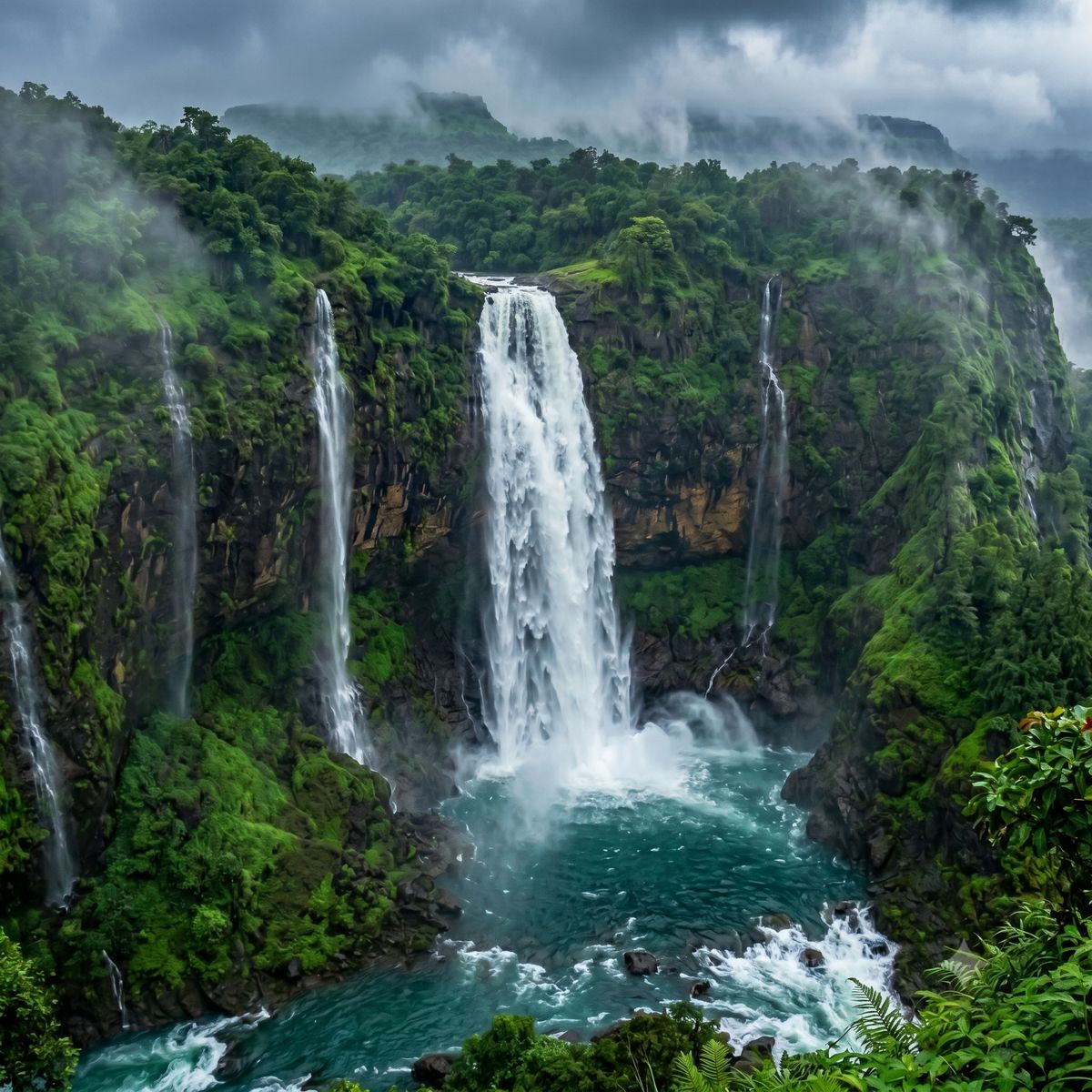
Tringalwadi Waterfall is a magnificent seasonal cascade situated at the immediate foothills of the historic Tringalwadi Fort in the Igatpuri region of the Nashik district. This captivating eco-tourism site is highly famous for its striking backdrop, where heavy rainwater rolls down ancient volcanic cliffs right below a 10th-century architectural marvel. Located a short drive from the Mumbai-Nashik highway, it serves as a highly sought-after monsoon sanctuary for urban adventurers and road trippers.
Travelers visit this site to experience a highly rewarding combination of raw natural beauty, beginner-friendly hiking, and captivating regional heritage. The destination offers an immersive outdoor escape featuring shallow stream crossings, misty trail paths, and refreshing natural water pools. It stands as a perfect spot for families and trek enthusiasts to enjoy a relaxed day out, capture dramatic landscape shots, and breathe in clean mountain air under towering Sahyadri cliffs.
History
The background of Tringalwadi Waterfall is deeply intertwined with ancient trade routes, medieval warfare, and the architectural history of the Northern Sahyadri range. While the cascade itself is a seasonal natural phenomenon, its historical significance is anchored by the towering Tringalwadi Fort that stands directly above it. Built during the 10th century under the rule of the Yadava dynasty, the fort served as a strategic watchpost guarding the ancient commercial route that connected the Konkan coast to the high plateaus of Maharashtra. At the immediate base of the cliff where the water drops, visitors can discover the ancient Pandavleni Jain caves, which feature intricate rock-cut carvings dating back to the same era.
For centuries, these natural mountain streams served as a vital water source for the stationed soldiers, royal guards, and passing trading caravans. Control over this fort and its precious water channels shifted between the Bahmani rulers, the Mughal Empire, and eventually the Maratha Kingdom under Chhatrapati Shivaji Maharaj before being captured by the British East India Company in 1818. Today, the waterfall has transformed from a medieval defense asset into a major ecotourism hotspot. The local village community works closely with regional archaeological and forest departments to protect the structural ruins, clear trash from the trails, and guide modern hikers safely along the ancient steps.
Climate & Weather
To experience the true visual power and lush emerald surroundings of this destination, you must plan your journey to align with the regional monsoon calendar.
Summer
The summer season from March to May brings dry, hot weather to the valley, with temperatures climbing quite high. During these months, the waterfall completely vanishes, leaving behind dry, exposed basalt cliffs and arid walking trails. Because the signature roaring water and green scenery are totally absent, summer is a highly unproductive time for sightseers.
Monsoon
The monsoon months from June to September represent the absolute peak tourist season and the best time to visit this historic retreat. Continuous heavy rain refills the mountain aquifers, creating a roaring, high-volume white water cascade enveloped in dense fog. The weather in this ideal season remains cool and wet, offering the ultimate monsoon travel experience.
Winter
The winter travel season runs from October to February, bringing cool mountain breezes and highly comfortable daytime temperatures. By early winter, the thunderous cascade tapers down into a gentle, crystal-clear stream before drying up completely toward late January. This post-monsoon period offers safe trail conditions for casual hikers, heritage explorers, and nature photographers who want to avoid heavy rains.
Transportation
Please select a transportation mode to view details
Facilities
As a developing heritage eco-site managed efficiently by the local village panchayat, the facilities near the fort focus on providing necessary utilities while maintaining a clean environment.
- Stone Hiking Steps: The initial steep incline of the trekking route features well-carved stone steps to improve visitor safety and allow families to climb comfortably.
- Local Food Counters: Small makeshift village stalls operating near the parking area and lower cave plateau sell hot tea, packaged water, maggi, and traditional breakfast choices.
- Designated Parking: Large open-ground parking fields managed directly by the local youth committee are available at the base of Tringalwadi village for a minor maintenance fee.
- Shaded Cave Sitting: The ancient rock-cut Jain caves near the mid-way point are kept clean, providing naturally cooled shaded zones where travelers can escape the sun.
- Route Signages: Clear directional boards are placed at key junctions along the trail to guide visitors toward the main gates, water tanks, and the summit temple without travel confusion.
Geographical Information
Tringalwadi Fort is positioned precisely within the Igatpuri Taluka of the Nashik district, sitting comfortably on the high mountain passes of the Northern Sahyadri range. It occupies a visually distinct geographical setting right next to the massive Tringalwadi Lake reservoir, acting as an isolated tableland that commands a clear view of the surrounding Thal Ghat valley.
The local terrain is characterized by a unique turban-shaped volcanic basalt rock mass that rises sharply above the flat farmlands, featuring steep rock walls and natural cave fissures. The surrounding landscape consists of dense tropical deciduous hill forests on the lower slopes and open grasslands on the upper high-altitude plateau that thrives on rich volcanic soils. Falling under a heavy tropical monsoon climate region, the mountain receives substantial seasonal rainfall every year. This massive water volume is efficiently collected by ancient, hand-carved rock cisterns cut into the fort floor, preserving a vital water supply that directly interfaces with the local eco-system.
Culture & Local Lifestyles
The cultural canvas of the settlements surrounding this mountain fortress is a beautiful reflection of deep epic traditions and intense Maratha heritage.
Traditions
The local culture is profoundly anchored in a deep reverence for ancestral heritage and respect for the natural environment, with the entire mountain mass treated as a sacred living monument. The residents preserve ancestral customs that prioritize the conservation of the forest area, and traditional folklore about the historic rock-cut caves is proudly kept alive through oral storytelling.
Festivals
Given its close proximity to the historic fort and local temples, festivals like Shiv Jayanti, Dussehra, and Ganesh Utsav are celebrated with immense community pride. During these times, the base village assumes a joyous spirit characterized by traditional lezim dance performances, colourful saffron flags, and hearty community feasts that showcase authentic regional cultural experiences.
Daily Life
Daily life for the villagers of Tringalwadi revolves strictly around seasonal farming, with families cultivating rice and local millets on the fertile terraced slopes surrounding the fort base. The steady rise of weekend heritage tourism has added a valuable secondary avenue to their routine. Local families regularly open home-cooked food stalls, act as trail guides, and share their rich heritage with urban travelers, displaying the unpretentious warmth of rural Maharashtra.
Food and Local Cuisine
A rewarding day trek up this historic mountain fortress is highly incomplete without fueling your energy on the intense, rustic flavors of the Nashik countryside. The crisp, clean mountain air pairs beautifully with the hot, spice-forward local food prepared using traditional wood-fired setups.
Famous Dishes
The regional kitchen specializes in authentic traditional cuisine that relies on wholesome, locally grown ingredients and home-pounded spice mixes. The absolute favorite among famous dishes is the classic Pithla Bhakri, a comforting, thick gram flour paste seasoned with garlic and mustard seeds, eaten alongside hand-patted sorghum flatbreads. For a hearty afternoon lunch, local highway dhabas serve an authentic Maharashtrian Thali that combines spiced lentil dal, native rice varieties, and an intensely fiery green chili condiment known as Thecha that instantly revives tired hikers.
Street Food
The lower trails and base village road are lined with lively street food counters that provide quick fuel before you tackle the main steps. You can treat your senses to golden, crispy Kanda Bhajji (onion fritters) fried in large iron cauldrons and soft Batata Vadas served with spicy garlic chutney. These fried bites are best enjoyed alongside fresh sweet corn cobs roasted over open charcoal embers and a steaming hot glass of ginger cutting tea.
Restaurants/Cafes
While modern commercial cafes are unavailable inside the immediate base settlement, the best food in the area is readily accessible at the multi-cuisine family restaurants along the nearby Mumbai-Nashik highway. These humble eating joints excel at serving farm-to-table vegetarian meals and local snacks, providing a wonderfully rustic experience that actively boosts regional food tourism.
Accommodation
Finding the best accommodation options near this historical landmark is incredibly seamless because the primary trailhead sits just 7 kilometers away from the popular hill town of Igatpuri. This highly convenient placement allows you to enjoy the raw wilderness during the day and easily return to a comfortable room by evening.
Budget Hotels
Travelers keeping an eye on their expenses can discover a reliable selection of clean budget stay options directly inside Igatpuri town. These properties focus on essential daily needs, providing comfortable non-AC or AC rooms, private attached bathrooms, and functional hot water systems, which are perfect for backpackers and trek groups who want to minimize their lodging expenses.
Mid-range Hotels
For family road trippers who prefer a cozy, service-oriented stay without an extravagant price tag, the main highways approaching the valley host excellent mid-range hotels in the area. These establishments feature spacious family suites, secure private parking lots, and attached restaurants serving multi-cuisine spreads, giving you great convenience after an active day of hiking.
Luxury Resorts
If you want to turn your historical exploration trip into an indulgent, high-end vacation, the higher ridges of Igatpuri feature world-class luxury resorts and boutique wellness villas. These premium properties offer soothing spa facilities, infinity pools looking over misty mountain valleys, and fine dining spaces, ensuring an ultra-relaxing retreat after an exhausting climb up the fort steps.
Homestays
To connect closely with the local farming community, booking simple, eco-friendly homestays directly inside Tringalwadi village is an incredible choice. These rustic properties are managed by warm village families who provide neat bedding, basic amenities, and an unmissable opportunity to experience genuine rural hospitality while savoring authentic, wood-fired home meals.
Budget/Cost Estimation
Planning a smart trip budget for this heritage nature trail is straightforward because the location is geared heavily toward highly affordable travel. For an independent backpacker traveling via local express trains to Igatpuri and using shared transport to the base, the estimated expenses can be kept remarkably low, ranging between ₹800 and ₹1,300 per day. If you are coordinating a mid-range weekend getaway with family or friends using a private car, the total travel cost will generally average between ₹2,500 and ₹4,500 per day, which comfortably covers a mid-range hotel room, highway dhaba meals, and vehicle fuel. The basic adventure activities like hiring a local guide or paying for vehicle parking slots are very inexpensive, adding only about ₹50 to ₹300 to your total fund layout. Overall, the excellent variety of food and stay options near the valley ensures a highly economical and memorable monsoon retreat.
Entry Fees & Timings
- Attraction Name: Tringalwadi Waterfall (Tringalwadi Fort Heritage Trail)
- Opening Hours: The main waterfall trail and ancient cave viewpoints are officially accessible from 06:00 AM to 05:30 PM daily, and entering the valley paths past these visiting hours is strictly discouraged due to thick fog and lack of lighting.
- Entry Fee: There is no official individual entry fee or ticket price charged by the state archaeological or forest departments to see the public waterfall at this time.
- Vehicle Parking Ticket Price: The local village development committee manages a designated open parking ground near the base that collects a nominal maintenance fee of ₹20 for two-wheelers and ₹50 for four-wheelers.
Frequently Asked Questions
Popular Activities
Related Stories
Traveller Reviews
No reviews yet
Be the first to share your experience!