Introduction
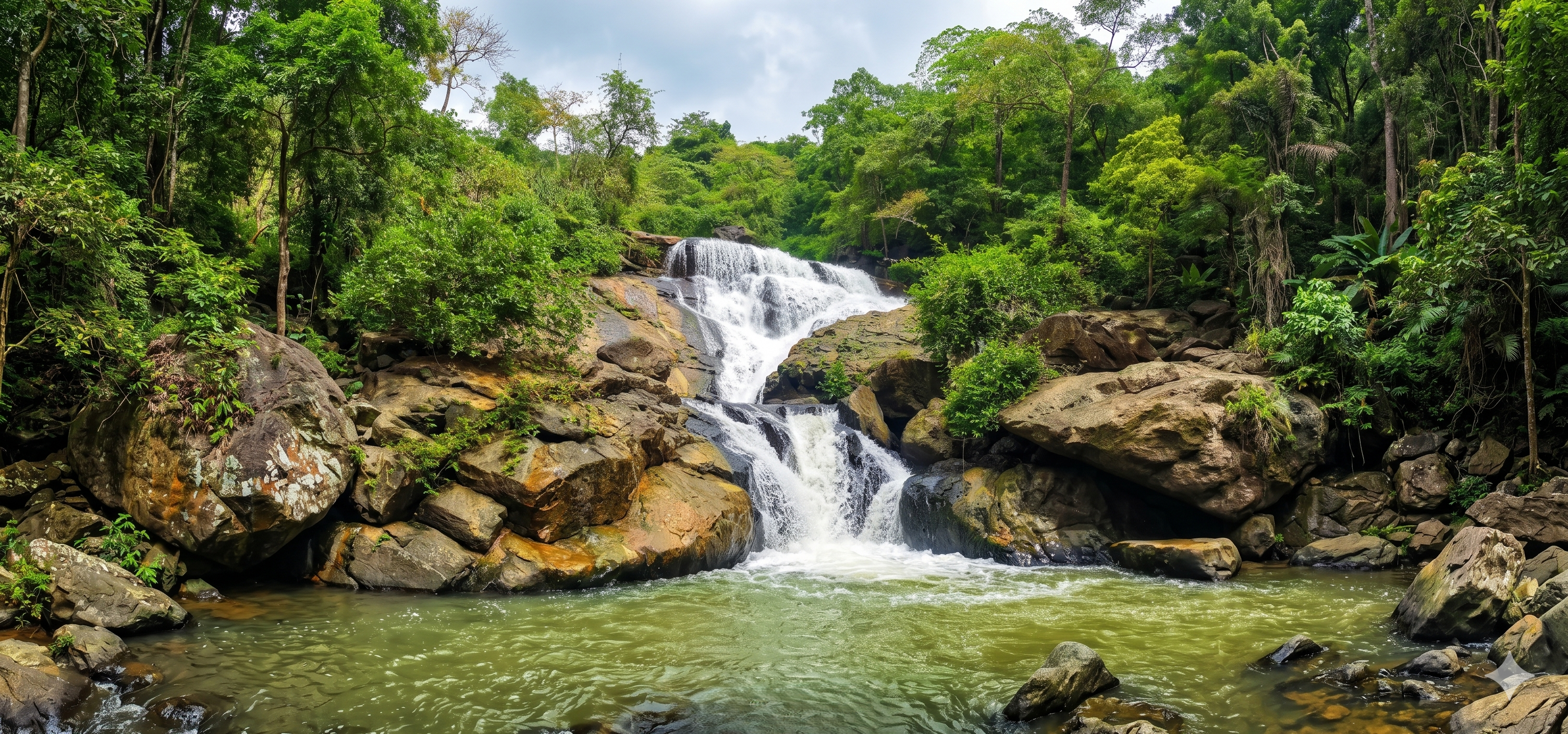
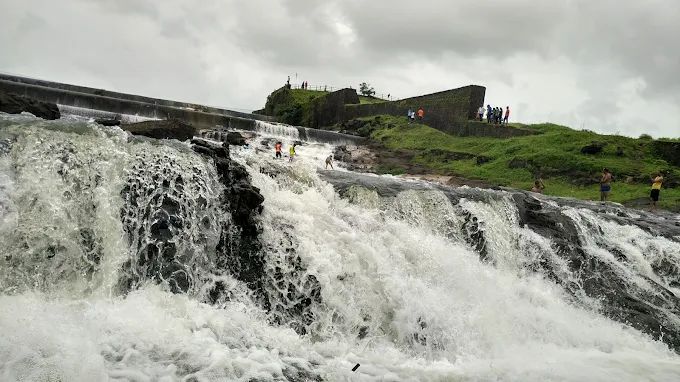
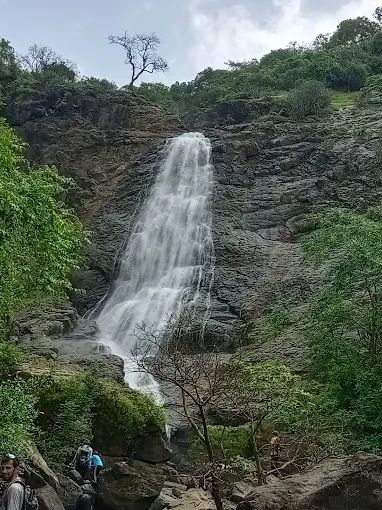
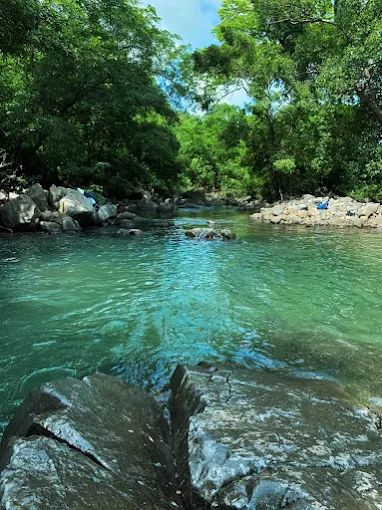
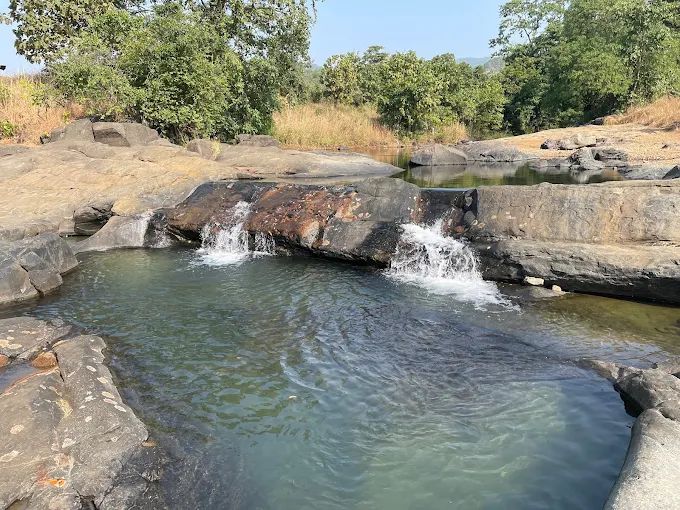
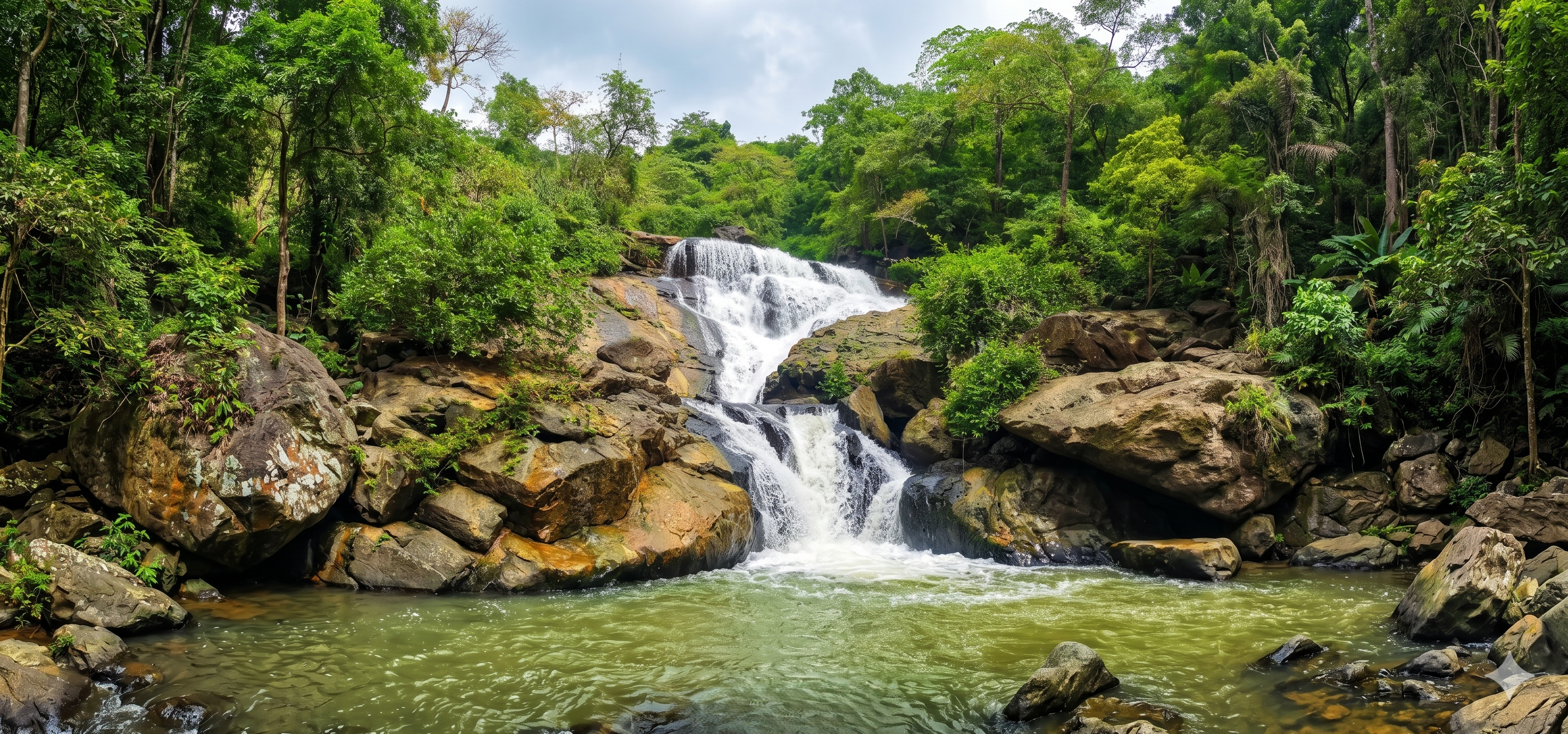
Hidden inside the lush expanse of the Tungareshwar Wildlife Sanctuary near Vasai, Chinchoti Waterfalls is a spectacular natural retreat on the outskirts of Mumbai. Located in the Palghar district, this seasonal treasure has earned widespread fame as a favorite monsoon getaway for city dwellers looking to swap concrete streets for raw nature. It stands out because of its beautiful multi-tiered cascades, offering a refreshing and relatively untouched escape that truly comes alive when the heavy rains arrive.
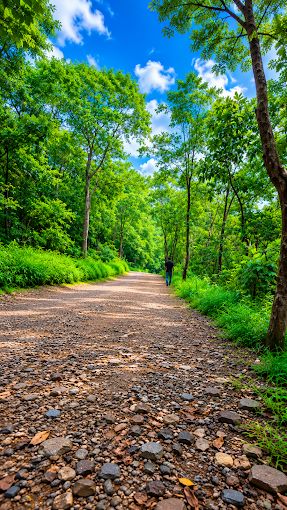
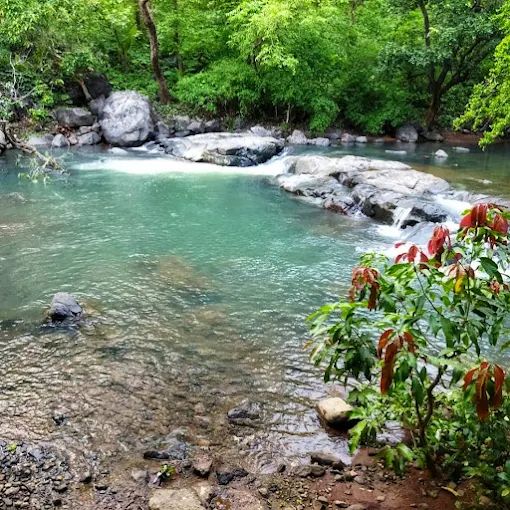
Visiting here offers an active, adventurous day-trip experience that beautifully blends a forest trek with pure relaxation. The journey takes you through dense jungle trails, muddy paths, and shallow river streams before opening up to the main rushing pool. It is a fantastic destination for group picnics, photography, and refreshing natural swims. If you want to challenge yourself with a scenic hike and reward yourself with a dip in cool, crystal-clear jungle waters, Chinchoti delivers the perfect weekend reset.
History
The history of Chinchoti Waterfalls is deeply connected to the ancient, untamed wilderness of the Tungareshwar hills. Named after the quiet tribal hamlet of Chinchoti village located at its base, this natural wonder has spent centuries as a hidden sanctuary. Long before it caught the attention of modern city dwellers, the multi-tiered cascade was a sacred resource for the local Warli and Katkari tribal communities, who relied on the forest’s rich network of natural streams for their daily survival.
For generations, the thick jungle paths surrounding the falls were used exclusively by indigenous herb gatherers and local woodcutters. The location remained a well-kept secret, shielded from the outside world by the dense, protective canopy of what is today known as the Tungareshwar Wildlife Sanctuary.
The Advent of Eco-Tourism
The transition from a quiet tribal lifeline into a legendary regional attraction began in the early 1980s, pioneered by Mumbai’s early generation of wilderness hikers.
As word of this raw jungle trail slowly spread among adventurous college groups and trekking clubs from Vasai and Naigaon, the falls quickly gained a reputation as an exhilarating offbeat getaway. Over the years, the stream smoothed out massive volcanic rock steps, creating the iconic natural plunge pools loved by travelers today. Today, Chinchoti beautifully balancing its timeless identity as a vibrant biodiversity zone with its modern status as a beloved monsoon escape.
Climate & Weather
Timing your journey to Chinchoti Waterfalls is everything if you want to experience its true natural beauty. Tucked deep within a protected jungle sanctuary, the volume and appearance of the cascade change dramatically depending on the month you plan your visit.
Here is a breakdown of what each season offers to help you pick the ideal season for your forest adventure.
Monsoon (June to September)
The rainy season is the undisputed peak tourist season and the absolute best time to visit. As heavy downpours wash over the hills, the forest springs to life with deep green foliage, and the multi-tiered waterfalls roar with full force. For anyone planning monsoon travel, July and August offer the ultimate experience, with misty trails and deep, refreshing natural pools waiting at the end of the trek.
Winter (October to February)
When the heavy rains stop, the weather in Chinchoti transitions into a cool, pleasant climate. While the heavy rushing waterfall shrinks down to a gentle, quiet stream by November, the forest trails remain beautifully green and crisp. This window is excellent for birdwatching, peaceful nature photography, and relaxed forest trekking without the challenges of muddy monsoon paths.
Summer (March to May)
Summer is widely considered the bad travel period for this destination. The intense heat dries up the jungle streams completely, leaving behind bare rock faces and dry, dusty trails. Unless you enjoy extreme heat trekking through a barren forest landscape, it is highly recommended to skip visiting during these months.
Transportation
Please select a transportation mode to view details
Facilities
Because Chinchoti Waterfalls is located deep inside the protected green zone of the Tungareshwar Wildlife Sanctuary, it functions strictly as a raw, non-commercialized eco-tourism spot. To protect the local biodiversity and forest ecosystem, you will not find luxury infrastructure, modern restrooms, or concrete change rooms anywhere near the trail. However, essential community-managed basics are available at the base village to help support your monsoon day trip.
Base Village Parking & Entry
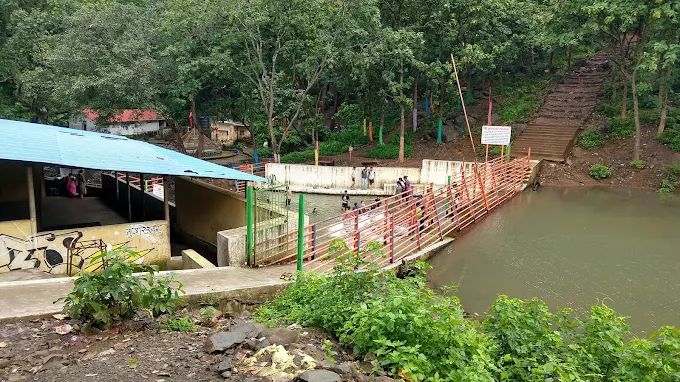
The local forest department and village community manage an open-ground parking zone at the trail's starting point in Chinchoti Village. You can securely leave your two-wheelers and private cars here for a small community fee ranging between ₹20 and ₹50. Entry to the waterfall area itself is entirely free, but visitors must register their details at the forest check post before starting the exciting 3-kilometer jungle hike.
Wilderness Food Stalls
There are absolutely no commercial cafes, restaurants, or permanent shops along the dense forest path or near the plunge pools. During high-traffic monsoon weekends, local villagers set up small, temporary stalls near the trail entrance and at the base village. They serve up comforting rain-ready bites like hot cutting chai, freshly roasted corn on the cob (bhutta), steaming Maggi, and crispy local snacks. For a full, heavy lunch spread, you will need to head out to the highway dhabas lining the Mumbai-Ahmedabad Highway (NH 48).
🎒 Important Backpacker Tips: Because the dense jungle lacks trash management systems, you must carry a garbage bag to pack out all plastic bottles and wrappers. Additionally, ensure you carry sufficient physical cash; mobile network connectivity drops completely once you cross the forest gates, making digital UPI payments impossible.
Geographical Information
Chinchoti Waterfalls is hidden deep within the sprawling, dense jungles of the Tungareshwar Wildlife Sanctuary in the Vasai Taluka of Palghar District, Maharashtra. Situated at the northern edge of the Mumbai Metropolitan Region, this stunning natural attraction rests comfortably along the scenic western foothills of the massive Sahyadri Mountain Range. It serves as a vital ecological corridor, located just east of the busy Mumbai-Ahmedabad Highway (NH 48) and a short distance from the suburban hubs of Naigaon and Vasai.
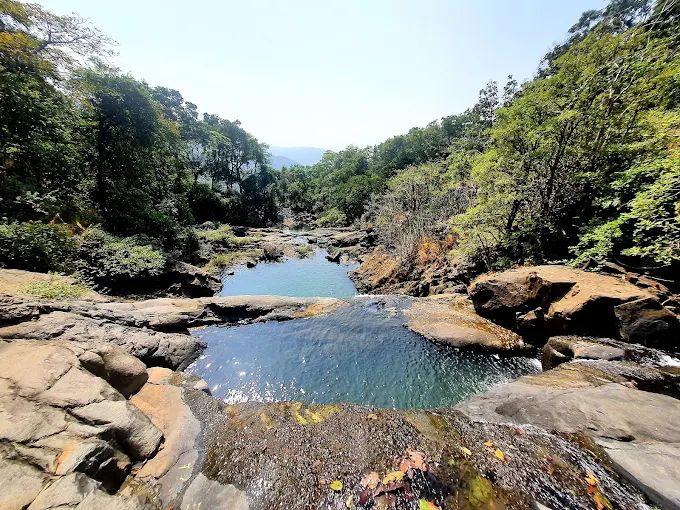
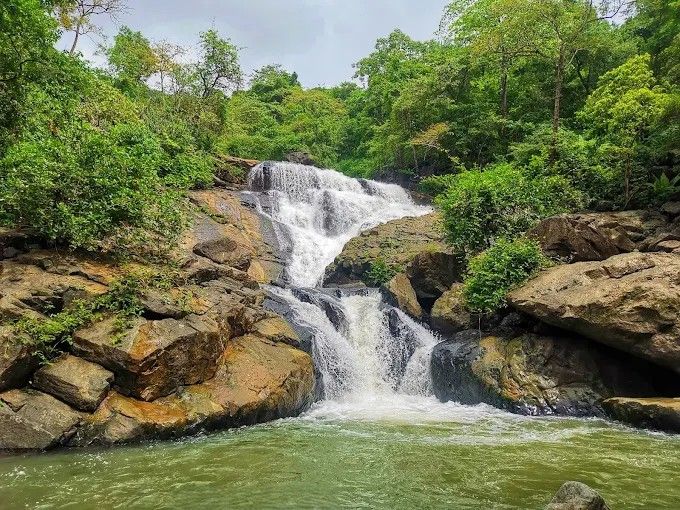
The local terrain is defined by rugged, undulating forest paths, thick jungle overgrowth, and a network of seasonal streams flowing over ancient, dark volcanic basalt rock. Over centuries, these flowing waters have carved out a beautiful multi-tiered landscape, featuring a magnificent 100-foot primary drop that empties into a series of deep, natural plunge pools below. Falling squarely inside a tropical maritime climate zone, the region experiences warm, humid weather throughout most of the year. However, it completely transforms during the heavy monsoon months, when massive cloudbursts turn the quiet, dry forest streams into a roaring, high-volume seasonal torrent.
Culture & Local Lifestyles
While modern trekkers view Chinchoti Waterfalls as an escape from the city, the surrounding Tungareshwar forest region has its own rich indigenous identity. The area is home to close-knit tribal hamlets where communities live with deep respect for the wildlife sanctuary.
Traditions
The roots of the region are tied closely to the traditions of the local Warli and Katkari communities. For centuries, these indigenous tribes have lived as caretakers of the forest. Their daily lives are guided by a deep spiritual connection to nature, where specific trees, water streams, and wildlife are fiercely protected. This rich heritage is beautifully displayed through traditional Warli canvas art, which uses basic geometric shapes to paint stories of human life dancing alongside nature.
Festivals
The peaceful rhythm of the jungle changes dramatically during major regional festivals. Because the falls sit close to the ancient Tungareshwar Mahadev Temple, the holy month of Shravan (July to August) brings a massive cultural energy to the trails. Thousands of barefoot devotees make spiritual walks through the forest paths. During Maha Shivratri, the entire valley rings with traditional folk music, bells, and communal feasts, creating a deeply spiritual backdrop to the rainy season.
Daily Life
Away from the tourist crowds, the local lifestyle moves at a calm, natural pace. Villagers spend their days gathering seasonal forest products, farming small plots of land, and collecting wild edible herbs. For travelers looking for authentic cultural experiences, interacting with local trailside vendors offers a wonderful human connection. Sitting down to chat while sipping wild-harvested lemongrass tea or eating seasonal wild fruits provides a great look into their sustainable, forest-dependent lifestyle.
Food and Local Cuisine
Fueling your jungle trek to Chinchoti Waterfalls is an experience that perfectly blends rustic Maharashtrian flavors with lively highway culture. Because the trail cuts deep into the protected zone of the Tungareshwar Wildlife Sanctuary, the transition from hiking to dining highlights the incredible local food heritage of the Palghar region.
Famous Dishes
The crown jewel of the local culinary experience is the traditional Agri-style Seafood and Gavran Chicken Thali. Cooked with heavily roasted spices and coconut-based gravies, these spicy curries are traditionally paired with Bhakris (soft rice flour flatbreads). For vegetarians, a comforting plate of Pithla Bhakri or spicy Shev Bhaji serves as the perfect, satisfying fuel after a challenging uphill climb through the damp jungle canopy.
Street Food
Right at the starting gates of Chinchoti village and the nearby highway junctions, a lively street food scene thrives during the peak monsoon season. You can kick off your morning or satisfy your evening cravings with a plate of fiery, farsan-loaded Misal Pav or fresh Vada Pavs straight from the frying pan. These crispy snacks are best paired with hot cutting chai infused with wild lemongrass gathered right from the surrounding hills.
Restaurants & Cafes
While the trek itself remains beautifully primitive, the Chinchoti Naka intersection on the Mumbai-Ahmedabad Highway (NH 48) is famous for hosting some of the best food in the area. The highway line is packed with iconic, open-air garden spots like Elaf Dhaba, Alif Dhaba, and Shimla Dhaba. These massive highway spots specialize in everything from authentic North Indian Tandoori platters and slow-cooked Handi Chicken to standard Indo-Chinese comfort food, offering an energetic, music-filled atmosphere to relax with friends under the starry night sky.
Accommodation
Finding the best accommodation near Chinchoti Waterfalls is all about positioning yourself along the Mumbai-Ahmedabad Highway (NH 48) or near the suburban hubs of Vasai and Naigaon. Because the falls sit deep inside the protected ecosystem of the Tungareshwar Wildlife Sanctuary, overnight stays within the actual forest gates are strictly prohibited. However, the surrounding valley offers excellent location convenience, allowing you to easily transition from a challenging jungle trek to a comfortable room within a brief 10 to 20-minute drive.
Homestays
For travelers who prefer a peaceful, humanized escape from the city, rural homestays and quiet farm stays scattered around the Vasai outskirts and Kaman village are excellent choices. These properties offer a cozy, rustic atmosphere complete with private lawns, open-air sit-outs, and authentic home-cooked meals. It is a fantastic option for families and friend groups looking for a private, green sanctuary to unwind together after a day of hiking.
Budget Hotels
Backpackers, students, and solo trekkers can track down highly reliable, low-cost options right near the Vasai Road and Naigaon railway stations. Booking a simple budget stay in these transit hubs gives you clean bedding, functional attached bathrooms, secure parking, and instant access to local transport links. Choosing these spots keeps your travel expenses low while keeping you incredibly close to the base village trail.
Mid-Range Hotels
If you are planning a weekend family trip, the commercial corridors lining the highway feature great mid-range hotels and family-friendly business lodges. These hotels in Vasai offer great value for money, typically featuring standard air conditioning, on-site multi-cuisine restaurants, and reliable room service. They serve as a highly practical, stress-free base camp for travelers who want modern comforts without premium price tags.
Luxury Resorts
If you want to treat yourself to premium relaxation after a sweaty trek through the jungle mud, the nearby Virar and Ghodbunder road corridors host several beautiful luxury resorts and premium water park stays. These higher-end properties offer massive swimming pools, expansive suites, indulgent spa treatments, and top-tier hospitality. Booking here transforms your simple monsoon trek into a lavish, relaxing weekend getaway.
Budget/Cost Estimation
Planning a trek to Chinchoti Waterfalls is highly affordable and straightforward, making it a favorite blueprint for weekend budget travel. Because the destination is located within a protected wildlife sanctuary rather than a heavily commercialized resort zone, your overall trip budget stays minimal, depending mostly on how you choose to travel and dine.
To assist with your financial planning and overall trip preparation, here is a transparent comparison of different estimated expenses you can expect for a single-day or weekend escape, organized in a clear, point-by-point format:
- Transport Costs
- Budget / Backpacking: ₹50 – ₹150 per person when utilizing the Western Line local trains to Naigaon or Vasai Road station paired with local shared auto-rickshaws.
- Mid-Range / Family: ₹600 – ₹1,200 to cover fuel and highway toll charges for a private hatchback, sedan, or SUV.
- Premium / Staycation: ₹1,500 – ₹2,500 for a comfortable, air-conditioned outstation app-cab ride or a private car rental from Mumbai.
- Food & Dining
- Budget / Backpacking: ₹150 – ₹300 for satisfying post-hike cravings with monsoon street food like spicy Misal Pav, Vada Pav, and hot cutting chai at the trail gates.
- Mid-Range / Family: ₹400 – ₹700 for enjoying hearty, authentic Maharashtrian, Agri-style, or Punjabi thalis at the popular open-air highway dhabas near Chinchoti Naka.
- Premium / Staycation: ₹800 – ₹1,500 per person for ordering fine multi-cuisine dinners or tandoori platters at premium garden restaurants along the highway.
- Stay & Lodging
- Budget / Backpacking & Mid-Range: ₹0, as the vast majority of trekkers prefer an active single-day return journey, eliminating accommodation costs entirely.
- Premium / Staycation: ₹2,500 – ₹5,000 per night for booking a comfortable overnight room or a relaxed weekend resort stay along the Ghodbunder or Vasai highway stretch.
- Activities & Entry Fees
- Budget / Backpacking: Entirely free access to the jungle trails and natural pools, as the forest department does not charge a formal entry ticket.
- Mid-Range & Premium: ₹20 – ₹50 for standard, village-managed vehicle parking space at the Chinchoti village ground, plus a minor tip for local trail helpers if needed.
Key Takeaways for Financial Planning
- Incredibly Affordable Travel: If you utilize the local train and shared transport network, your round-trip travel cost from Mumbai can easily be managed for less than ₹300 per person.
- No Hidden Trail Charges: Unlike highly commercialized adventure parks, entering the Tungareshwar forest and bathing in the streams is completely free of cost.
- Cash is Essential: Because mobile network signals drop to zero once you cross the forest gates, digital UPI payments are impossible. Make sure to carry physical cash for food stalls and parking fees
Frequently Asked Questions
Popular Activities
Video and Photo Gallery
Related Stories
Traveller Reviews
No reviews yet
Be the first to share your experience!