Introduction
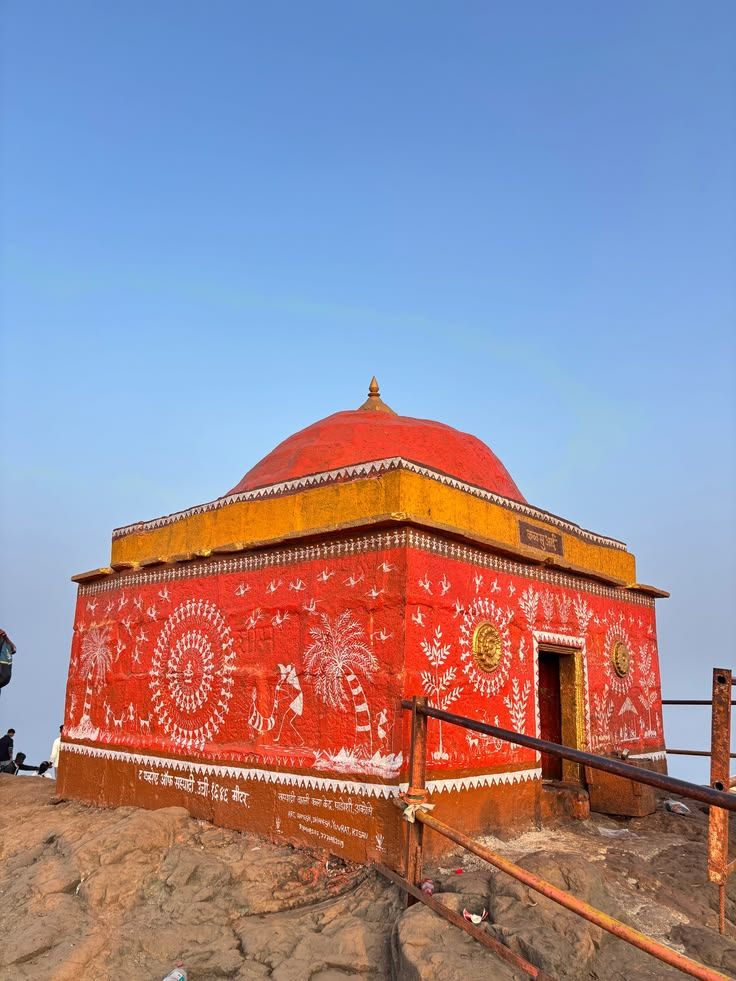
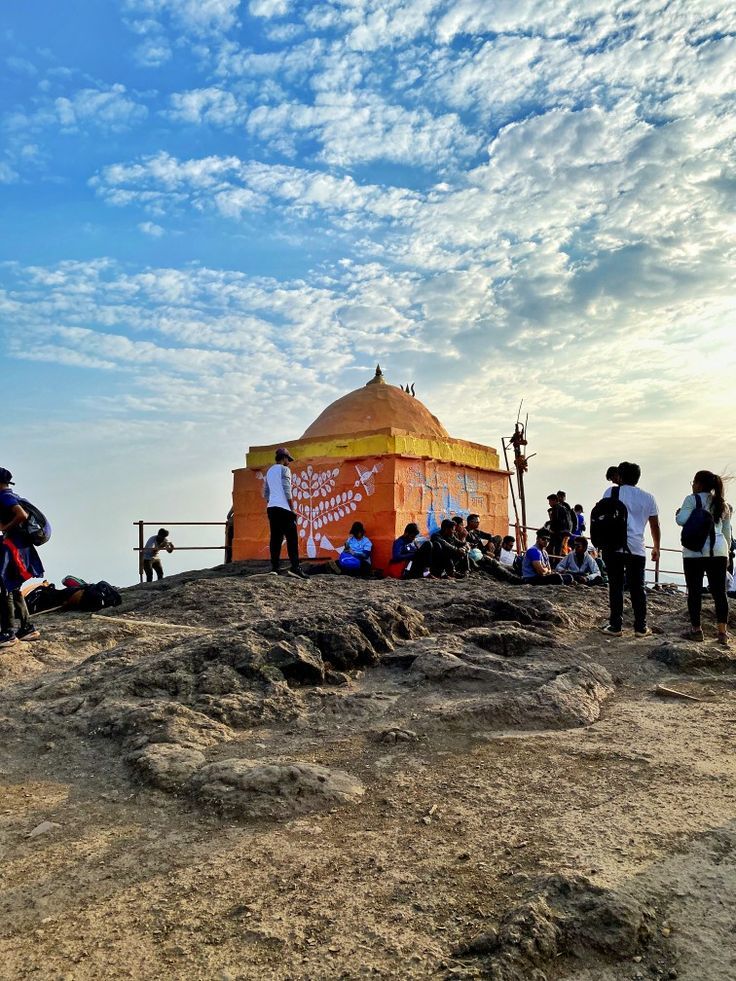
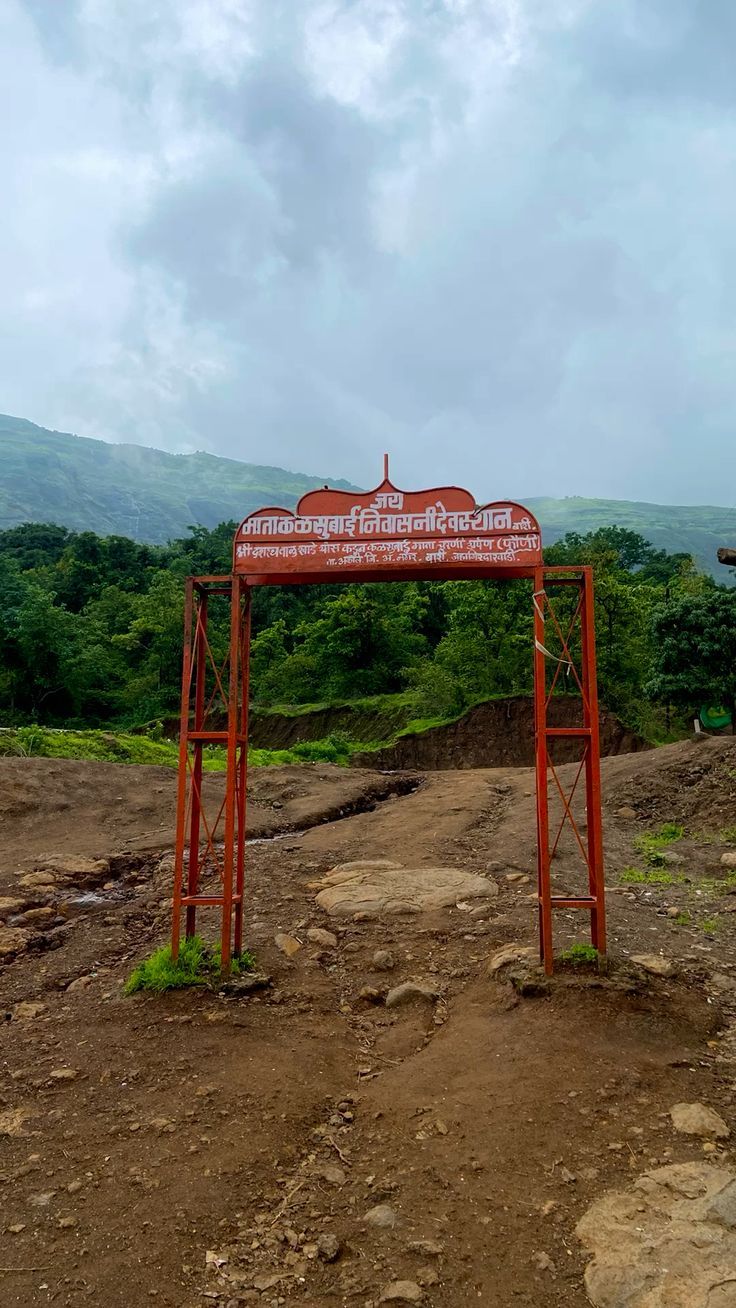
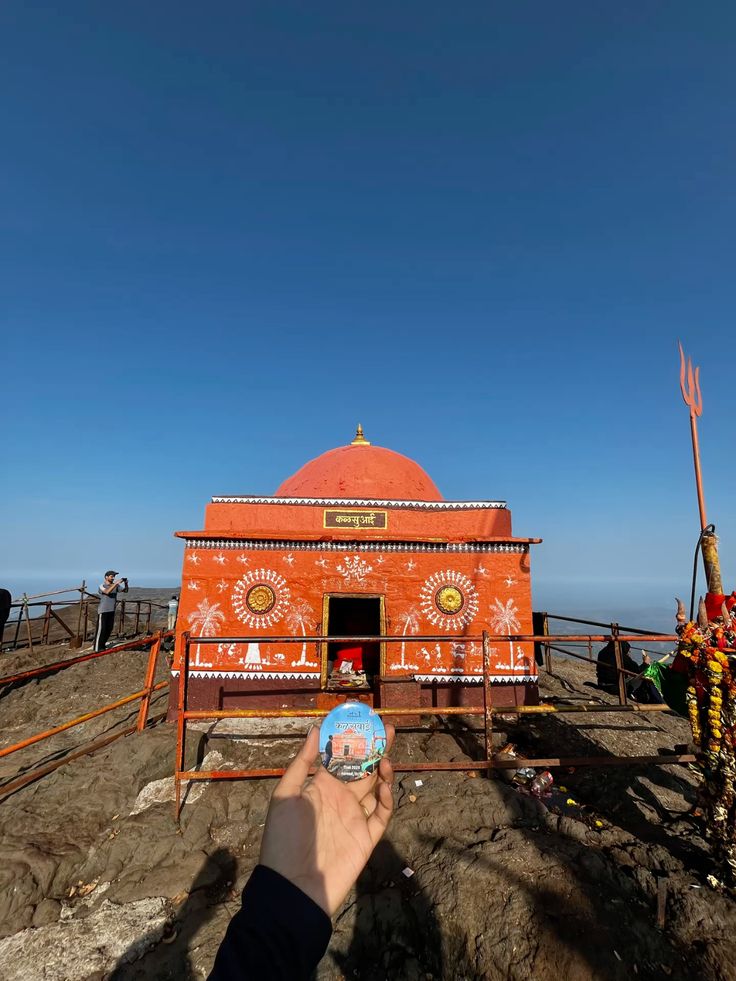
Being the highest peak in the Sahyadri mountain range, Kalsubai attracts trekking enthusiasts from across the country. The mountain is also named after Goddess Kalsubai. According to local folklore, Kalsubai was a young girl who lived in the hills and helped the local people and devotees. Over time, she came to be revered as a goddess, and a temple dedicated to her stands at the summit. This blend of natural beauty, adventure, and local legend makes Kalsubai a unique and popular destination. As a result, devotees of Goddess Kalsubai also visit the peak regularly to offer prayers and seek blessings.
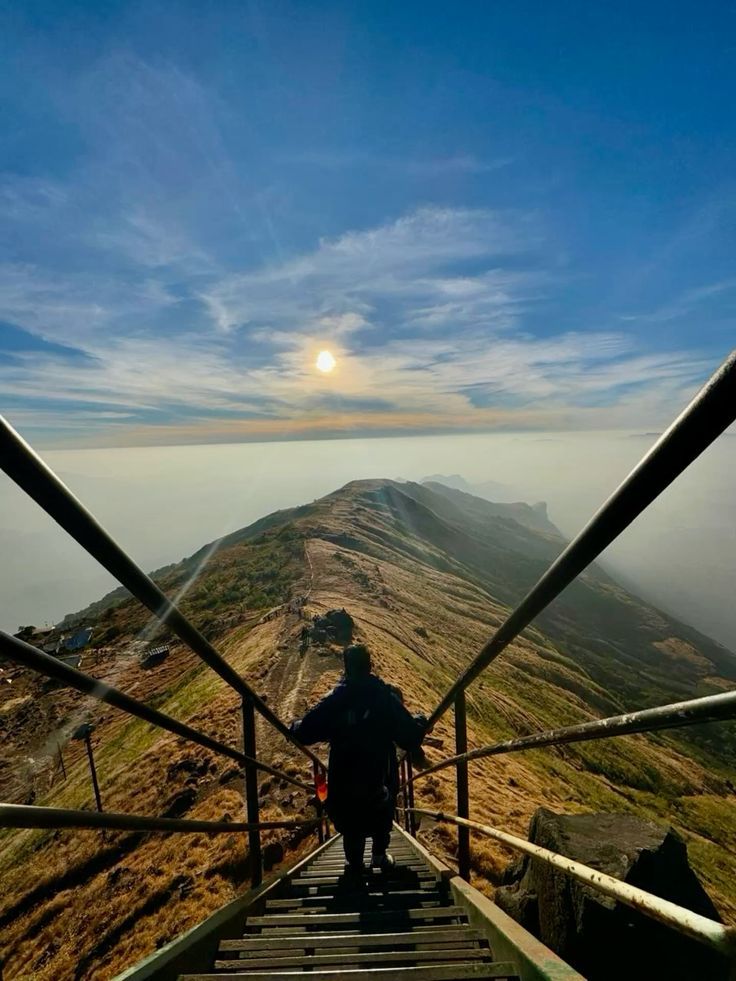
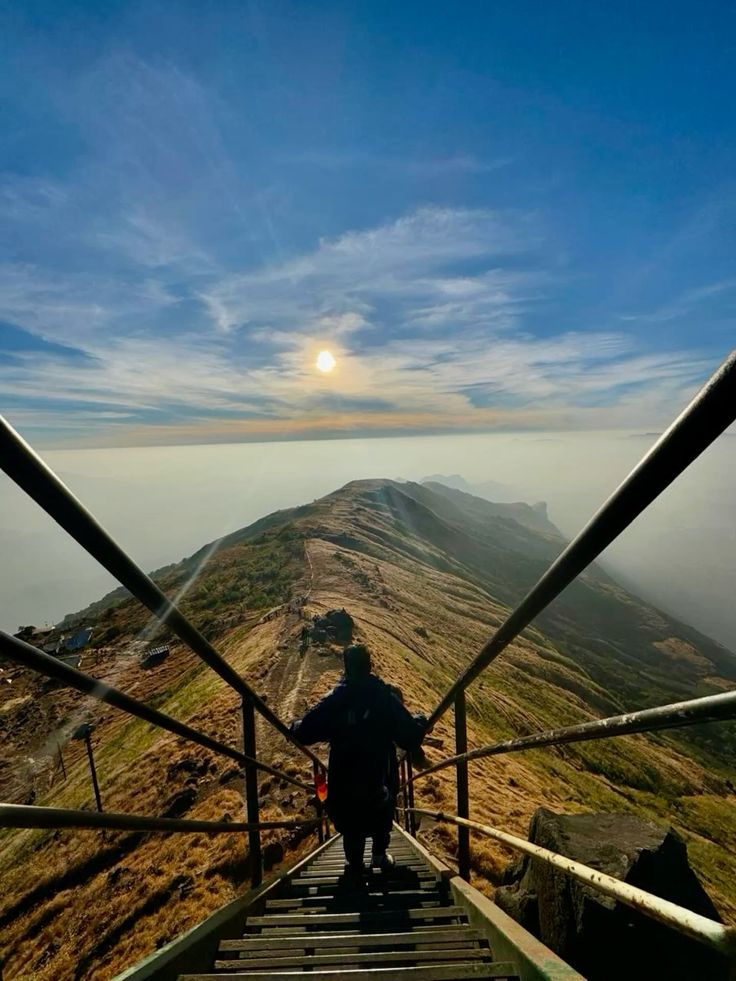
The trek to Kalsubai is considered moderate in difficulty. The trail is approximately 6.5 km one way and offers stunning views of the Sahyadri range, lush valleys, and surrounding peaks. While most of the route is straightforward, trekkers will encounter a few steep sections and iron ladders near the summit, making the climb both exciting and rewarding.
History
Kalsubai is named after a local woman known as Kalsu or Kalsubai, who is remembered in regional folklore. According to the legend, she lived in a nearby village and was known for her kindness and devotion. After leaving the village and disappearing on the mountain, local people began to regard her as a divine figure. In her honor, a small temple was established at the summit, which remains an important pilgrimage site today.
Over the years, Kalsubai has become significant not only for its religious association but also for its status as the highest peak in Maharashtra. The mountain has long been a landmark for local communities and is now a popular destination for trekkers, nature enthusiasts, and devotees. Today, Kalsubai represents a unique blend of natural beauty, cultural heritage, and local tradition.
Climate & Weather
Monsoon (June to September)
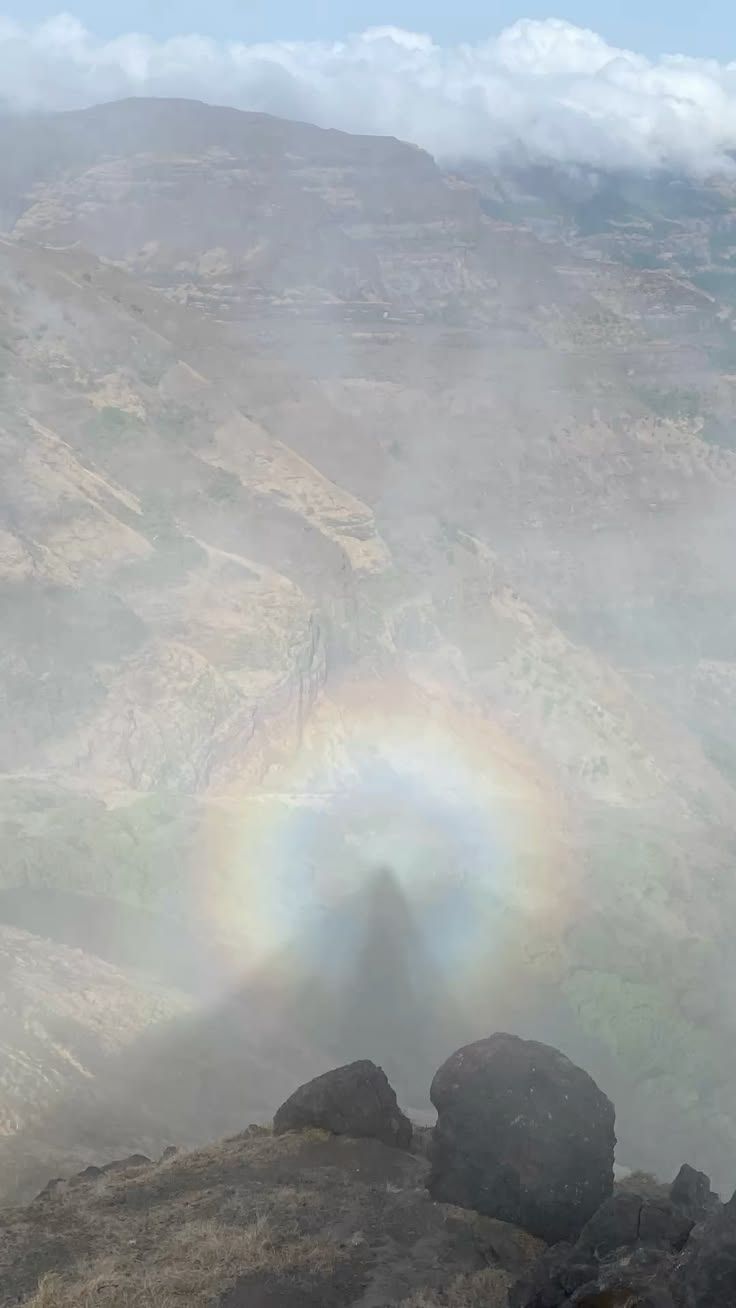
If you love dramatic landscapes, this is the ideal season. The entire Sahyadri range transforms into a vibrant green paradise draped in thick fog. Monsoon travel here rewards you with gushing streams, cold winds, and waterfalls. However, the iron ladders near the summit get incredibly slick, requiring extra caution and excellent footwear.
Winter (October to February)
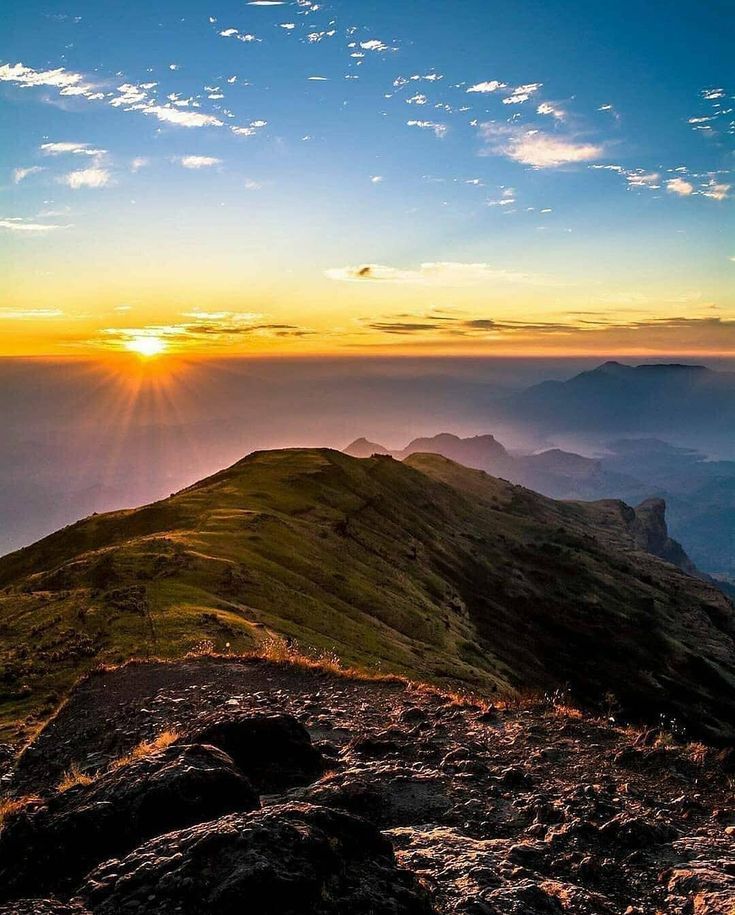
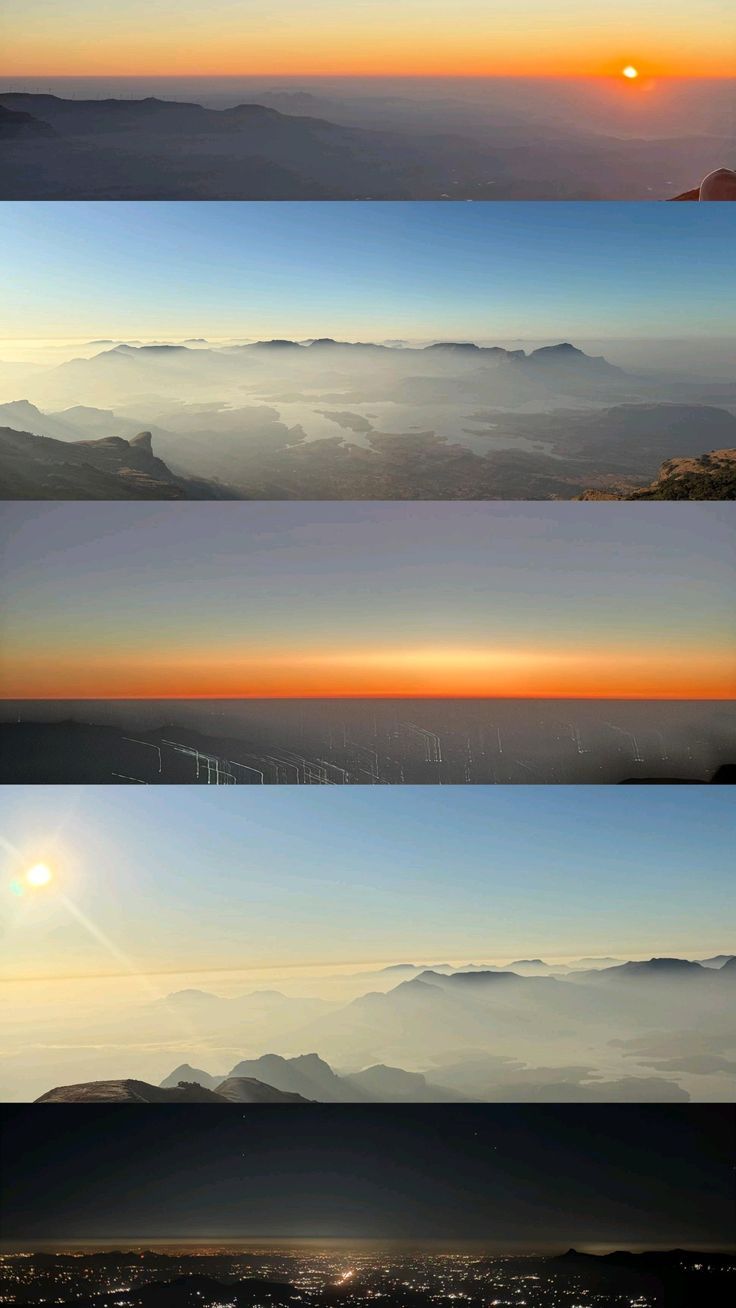
This is the peak tourist season for a reason. The weather in Kalsubai turns crisp, cool, and remarkably pleasant. With clear blue skies, you get sweeping, unobstructed views of neighboring forts like Ratangad and Alang-Madan-Kulang. It is also the ultimate time for a night trek to witness a spectacular golden sunrise above a sea of clouds.
Summer (March to May)
Generally considered a bad travel period, the blazing sun makes the exposed rock patches brutal. Dehydration is a real risk. The only exception? Late May brings the magical pre-monsoon fireflies festival to the base village of Bari, making night hikes popular for seasoned trekkers.
Transportation
Please select a transportation mode to view details
Facilities
Food & Drinking Water
You won't go hungry on this trail. Bari village (the base) features several local homes converted into small eateries serving authentic, piping-hot Maharashtrian meals (poha, misal pav, and bhakri-sabzi). Along the trekking route, enterprising locals set up small shacks selling bottled water, refreshing lemon juice (nimbu paani), maggi, and boiled eggs.
Pro-Tip: Carry at least 2 liters of your own water, as options get sparse near the very top.
Accommodation & Camping
For night trekkers, overnight stays are highly accessible. You can opt for a rustic homestay experience in Bari village to enjoy local hospitality. If you prefer sleeping under the stars, camping space is available at the flat terrain near the base or designated clearings. Local guides frequently provide tent rentals and bonfire setups upon request.
Washrooms & Parking
Bari village offers basic public restroom facilities, and most homestays allow trekkers to use their washrooms for a small fee or as part of a meal package. If you are driving down, secure, paid parking spaces managed by the villagers are available at the base.
Trail Safety: The Iron Ladders
Because the final stretches of Kalsubai feature near-vertical rock faces, the forest department and locals have installed sturdy iron ladders with railings. These make the treacherous patches significantly safer for average trekkers, though you should still expect a good adrenaline rush!
Geographical Information
Kalsubai is located in the Ahmednagar district of Maharashtra, within the Sahyadri (Western Ghats) mountain range. Rising to an elevation of approximately 1,646 meters above sea level, it is the highest peak in Maharashtra. The mountain lies near the village of Bari, which serves as the primary base for trekkers. Kalsubai is situated within the Kalsubai Harishchandragad Wildlife Sanctuary and is surrounded by several well-known trekking destinations and historic forts, including Ratangad, Alang, Madan, and Kulang. Its elevated position offers wide-ranging views of the surrounding valleys, hills, and reservoirs.
The landscape around Kalsubai is characterized by rugged mountain slopes, grassy plateaus, dense forests, and deep valleys typical of the Sahyadri range. The trekking route passes through farmlands, rocky patches, and steep sections equipped with iron ladders to assist climbers. During the monsoon season, the region transforms into a lush green landscape with seasonal waterfalls and blooming wildflowers. The climate is generally pleasant for most of the year, with cool temperatures at higher elevations. Summers are relatively mild compared to the surrounding plains, while winters are cool and comfortable. Monsoon months bring heavy rainfall, mist-covered hills, and dramatic scenery, making Kalsubai a popular destination for nature lovers, photographers, and trekking enthusiasts.
Culture & Local Lifestyles
Traditions
The cornerstone of the region’s cultural identity revolves around Kalsubai Devi, the presiding deity of the mountain. Local traditions dictate that the peak is a sacred space. According to folklore, Kalsubai was a young tribal girl who cured illnesses and helped villagers, eventually vanishing into the mountains. Today, the small temple at the summit is a revered place of worship, and locals climb the peak regularly out of deep spiritual respect, keeping her memory alive through oral storytelling.
Festivals
If you want to witness the area burst into vibrant color, time your visit with major festivals. Navratri is an extraordinary time here; a grand fair is held at the summit, drawing hundreds of pilgrims from nearby districts who trek up in a beautiful display of faith. Another unmissable event is the pre-monsoon Fireflies Festival in late May. While technically a natural phenomenon, the villagers have turned it into a cultural celebration, guiding travelers through glowing forests and sharing traditional meals.
Daily Life
The local lifestyle is beautifully simple, driven by the rhythms of agriculture and community. Most residents belong to the Mahadeo Koli tribe and rely on paddy farming, cattle rearing, and forest produce. Over the years, sustainable tourism has woven its way into their daily routines. Villagers seamlessly balance working in their fields with operating homestays, guiding trekkers, and running small refreshment stalls along the trail.
Food and Local Cuisine
Famous Dishes
The crown jewel of the region is the iconic Pithla Bhakri. Pithla is a comforting, thick chickpea flour curry seasoned with mustard seeds, garlic, and green chilies. It is served steaming hot alongside Bhakri—a hearty, rustic flatbread made from bajra (pearl millet) or nachni (finger millet).
To kick the flavors up a notch, locals serve it with Thecha, a fiery, coarse condiment pounded out of fresh green chilies, garlic, and salt. For non-vegetarians, local homes cook up an unforgettable, intensely spiced village-style Chicken or Mutton Thali featuring stone-ground masalas.
Street Food
As you ascend the trail, the appetizing aroma of local street food acts as your second wind. Small huts set up by villagers double as snack hubs along the rocky path.
- Kanda Bhaji: Crispy, deep-fried onion fritters fried right before your eyes—an absolute dream to eat when trapped in a cold, misty monsoon cloud.
- Nimbu Paani & Hot Chai: Freshly squeezed lemon juice to replenish your electrolytes, or a cup of sweet, ginger-infused cutting chai.
- Maggi & Boiled Eggs: The universal mountain staple, served piping hot on the edge of the cliffs.
Restaurants & Cafes
You won't find commercial cafes or fine dining here, and honestly, you won't want them. The best food in Kalsubai is found right in the base village of Bari through local Khanavals (traditional lunch homes) and family-run homestays, such as Kalsubai Darshan (Lunch Home).
These welcoming setups offer unlimited, home-cooked thalis for a small fee, ensuring you experience genuine rural hospitality. For slightly more structured restaurant menus, a quick 15-minute drive to the nearby tourist hub of Shendi (Bhandardara) opens up popular casual dining options like Hotel Vaibhav, famous for its authentic spicy local curries.
Accommodation
Homestays (At the Base)
If your primary goal is a fresh morning start on the trail, staying right at the base camp in Bari Village is a game changer. Family-run homestays provide an unmatched human touch. You get a cozy, no-frills room or a simple floor-mattress setup, access to a shared washroom, and incredible, home-cooked Maharashtrian meals. It is a highly convenient, hyper-local experience that keeps your transition from bed to trailhead under five minutes.
Budget Hotels (Ghoti & Bhandardara Road)
For travelers who prefer standard, private lodging without a hefty price tag, simple tourist lodges and a budget stay can be found along the Ghoti-Bhandardara road (approx. 10 to 15 km from the base). These spots provide essential amenities like private western-style bathrooms, secure parking, and clean linens—ideal for dropping your gear before a midnight trek.
Mid-range Hotels (Shendi / Bhandardara Lake)
Located roughly 12 km from the base village, the scenic lakeside town of Shendi offers comfortable mid-range hotels and boutique nature resorts. These properties frequently feature beautiful valley or water views, air conditioning, and on-site multi-cuisine restaurants, making them perfect for families or groups looking to combine the Kalsubai trek with a relaxing weekend getaway.
Luxury Resorts (Igatpuri)
If you want to pamper your sore muscles after a grueling 5.5-hour climb, look toward Igatpuri (around 30 to 35 km away). This nearby hill station features premium luxury resorts equipped with infinity pools, full-service spas, plush private villas, and gorgeous mist-covered estate views. It turns a rugged trekking trip into a premium staycation.
Budget/Cost Estimation
A trip to Kalsubai is generally affordable and suitable for budget travelers. The total cost depends on the mode of transport, accommodation choice, and whether the trek is done independently or through an organized group.
- Transportation: ₹300–₹1,500 per person (depending on the starting city and mode of travel)
- Food and Refreshments: ₹200–₹600 per person per day
- Accommodation: ₹500–₹2,000 per night for homestays, guesthouses, or budget hotels
- Guides and Trek Packages (Optional): ₹800–₹3,000 per person
For most travelers, a one-day trip from nearby cities such as Mumbai, Pune, or Nashik can cost between ₹1,000 and ₹3,000 per person. Those planning an overnight stay should budget approximately ₹2,000 to ₹5,000 per person, depending on accommodation and travel preferences.
Frequently Asked Questions
Popular Activities
Video and Photo Gallery